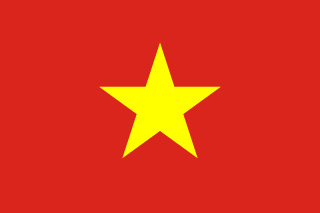
Welcome to Vietnam
Vietnam, officially the Socialist Republic of Vietnam, is a country in Southeast Asia.
It borders China, Laos and Cambodia and has a long coastline along the South China Sea, known in Vietnam as the East Sea.
Its capital is Hanoi, while Ho Chi Minh City is its largest commercial and urban centre.
Other important cities include Da Nang, Hue, Hai Phong, Can Tho and Nha Trang.
Vietnam is known for its remarkable history, traditional culture, rice-growing regions, mountains, rivers, temples, food and natural beauty.
Its history includes ancient kingdoms, colonial rule, independence movements, division, decades of war and eventual reunification.
But Vietnam is far more than the conflicts for which it is remembered internationally.
It is parents raising children, teachers encouraging students, farmers growing food, nurses caring for patients and grandparents preserving memories.
It is also people experiencing poverty, disability, illness, homelessness, loneliness or the lasting consequences of war.
"To understand Vietnam, we must discover the humanity behind its flag."
🏡 A Day in the Life of Vietnam
Imagine an ordinary morning somewhere in Vietnam.
In Hanoi, a mother prepares breakfast before her children leave for school.
In Ho Chi Minh City, a worker begins the morning commute.
In the Mekong Delta, a farmer tends rice fields beside a river.
In Da Nang, a nurse begins another shift caring for patients.
In Hue, a teacher welcomes students into a classroom.
In Hoi An, an artisan prepares colourful lanterns.
In the northern mountains, a family tends crops on terraced hillsides.
In another household, a grandfather remembers when Vietnam was divided by war.
Some families enjoy stable employment, comfortable housing and supportive communities.
Others face financial hardship, medical expenses, disabilities or difficult memories from earlier generations.
🏛️ Ancient Vietnam and Early Civilizations
The territory of modern Vietnam has been inhabited for thousands of years.
Early Communities
Archaeological discoveries reveal ancient settlements, agriculture, pottery, fishing and craftsmanship.
Dong Son Culture
The Dong Son culture is particularly known for its impressive bronze drums.
Red River Communities
Early societies developed agriculture and trade around the Red River Delta.
Chinese Influence
Northern Vietnam experienced long periods of Chinese rule and cultural influence.
The Trung Sisters
The Trung Sisters are remembered for leading a rebellion against Chinese rule in the first century CE.
Independence
Vietnamese political independence re-emerged in the tenth century following the victory of Ngo Quyen in 938.
"The history of a nation lives not only in its rulers, but in the generations of ordinary people who kept their culture alive."
🏯 Dynasties, Kingdoms and Cultural Heritage
Vietnam developed through centuries of political, cultural and religious change.
Independent Dynasties
Different dynasties governed parts of Vietnam and contributed to the development of law, literature and public institutions.
Thang Long
The historic imperial centre in Hanoi became an important political and cultural site.
Hue
Hue served as the imperial capital under the Nguyen dynasty.
Champa
Cham communities developed important kingdoms and religious and artistic traditions in central Vietnam.
Khmer Heritage
Khmer communities have longstanding historical and cultural connections to southern Vietnam.
Farmers and Families
Throughout political changes, ordinary people continued raising children, growing food and supporting their communities.
🕯️ French Colonial Rule and Resistance
During the nineteenth century, France gradually established colonial control over Vietnam.
French Indochina
Vietnam became part of French Indochina alongside Laos and Cambodia.
Economic Change
Colonial policies reshaped agriculture, plantations, transportation, mining and trade.
Labour and Inequality
Many workers experienced difficult conditions, exploitation and limited political rights.
Education and Culture
Colonial administration introduced institutional changes while restricting political self-determination.
Independence Movements
Nationalists, reformers and revolutionary groups advocated independence and greater freedom.
The Second World War
Japanese occupation and wartime disruption brought further hardship.
Famine of 1944–1945
A devastating famine in northern Vietnam killed large numbers of people and left families struggling to survive.
"Freedom has its deepest meaning when we remember those who lived without it."
🇻🇳 September 2, 1945 - Declaration of Independence
On September 2, 1945, Ho Chi Minh declared the independence of the Democratic Republic of Vietnam in Hanoi.
A Historic Moment
The declaration expressed the desire for national self-determination after decades of colonial rule.
Renewed War
France attempted to re-establish colonial authority, leading to the First Indochina War.
1946–1954
French forces and the Viet Minh fought a long and costly conflict.
Dien Bien Phu
In May 1954, Viet Minh forces defeated the French at Dien Bien Phu.
Geneva Agreements
The 1954 agreements established a temporary military division of Vietnam.
Human Consequences
Families faced displacement, military service, uncertainty and the loss of loved ones.
"Independence should become the beginning of a future where every family can live with security and dignity."
🕯️ A Nation Divided
Following the Geneva agreements, Vietnam was divided into northern and southern political zones.
North Vietnam
The Democratic Republic of Vietnam was governed by communist leadership.
South Vietnam
The Republic of Vietnam was established in the south in 1955.
Competing Visions
Different political and military groups held conflicting ideas about Vietnam's future.
International Involvement
The United States, Soviet Union, China and other countries became involved in the conflict.
Families
Some families became separated by geography, migration and political circumstances.
Ordinary Lives
People on both sides included parents, grandparents, teachers, farmers, soldiers and children.
🕯️ The Vietnam War - A Tragedy Across Generations
The Vietnam War became one of the most devastating conflicts of the twentieth century.
Military Conflict
North Vietnamese forces and the National Liberation Front fought against South Vietnamese and American forces and their allies.
International Involvement
Military personnel from the United States, Australia, South Korea and other countries served during the conflict.
Bombing
Bombing and artillery operations destroyed homes, roads, farmland and communities.
The Tet Offensive
In 1968, communist-led forces launched major attacks across South Vietnam.
Human Rights Abuses
The war included killings, torture, mistreatment of prisoners and attacks on civilians by different forces.
My Lai
In March 1968, American soldiers massacred Vietnamese civilians in My Lai.
Civilians
Many Vietnamese families experienced injury, hunger, displacement, imprisonment or the death of loved ones.
The Human Cost
Millions of Vietnamese people died during the broader decades of war, including soldiers and civilians.
"The deepest tragedy of war is not only the battles fought, but the human lives that can never be restored."
❤️ Remembering the Civilians Behind the War
History often remembers battles, generals and political leaders.
But every war is also lived by ordinary families.
Children
Children experienced fear, separation, interrupted schooling and the loss of parents or relatives.
Parents
Mothers and fathers struggled to protect their families and obtain food and shelter.
Older Adults
Grandparents experienced the destruction of communities they had known all their lives.
Displacement
Families were forced to leave their homes, sometimes repeatedly.
Refugees
Many people left Vietnam during and after the war in search of safety and new opportunities.
Humanity Beyond Borders
Vietnamese, American, Australian, South Korean and other families experienced different forms of grief and loss.
These experiences are not identical, but each individual life deserves dignity.
"Every civilian had a name, a family, a story and a future that mattered."
🌿 Agent Orange, Unexploded Bombs and the Lasting Wounds of War
The consequences of the Vietnam War continued long after major fighting ended.
Agent Orange
American military forces used herbicides, including Agent Orange, during the war.
Dioxin contamination and associated health harms have affected people and environments in parts of Vietnam.
Unexploded Ordnance
Bombs, landmines and other explosive remnants continue to threaten some communities.
Farmers and Children
People working in fields or travelling through contaminated areas can face serious danger.
Disabilities
Some survivors and their families live with long-term disabilities and healthcare needs.
Clearance Efforts
Vietnamese organizations and international partners continue working to remove dangerous explosives.
Restoring Land
Humanitarian programmes help make contaminated areas safer for farming, housing and community life.
Healing
Recovery requires medical care, disability support, counselling, environmental restoration and opportunities for livelihoods.
🇻🇳 Reunification and the Years After War
April 30, 1975
The Vietnam War ended with the fall of Saigon to North Vietnamese forces.
1976
Vietnam was formally reunified as the Socialist Republic of Vietnam.
Rebuilding
Communities faced damaged infrastructure, economic difficulties and the need to restore homes and livelihoods.
Political Changes
The unified government extended its political and administrative system across the country.
Re-education and Displacement
Many former South Vietnamese officials and military personnel were detained in re-education camps.
Vietnamese Refugees
Large numbers of people left the country, including those known internationally as the Vietnamese boat people.
Canada
Canada welcomed many Vietnamese refugees who later established families, businesses and communities across the country.
Different Memories
Vietnamese families may remember reunification and its aftermath in very different ways.
🌇 Economic Renewal and a Changing Vietnam
In 1986, Vietnam began major economic reforms known as Đổi Mới, meaning renovation.
Economic Reform
Market-oriented reforms encouraged changes in agriculture, commerce and industry.
Manufacturing
Factories and businesses expanded production and international trade.
Agriculture
Farming remained important while agricultural productivity and exports developed.
Education
Improvements in literacy and educational opportunities contributed to development.
Poverty Reduction
Vietnam has experienced substantial reductions in poverty over several decades.
Continuing Differences
Some rural, remote and disadvantaged communities continue to face economic insecurity.
The Meaning of Progress
Economic growth is most meaningful when families experience improvements in housing, food security, healthcare and opportunity.
"The greatest success of development is the improvement of ordinary human lives."
🌍 Vietnam's Peoples, Languages and Communities
Vietnam officially recognizes 54 ethnic groups.
Kinh Communities
Kinh, also known as Viet, people make up the majority of the population.
Tay and Thai Communities
These and other groups contribute languages, customs and regional cultural traditions.
Hmong and Dao Communities
Communities in the northern highlands preserve distinctive languages, textiles and traditions.
Cham Communities
Cham communities maintain important cultural and religious heritage.
Khmer Communities
Khmer communities have longstanding connections to southern Vietnam.
Respect
Some ethnic minority communities experience barriers involving poverty, education, services and land access.
❤️ Family, Friendship and Community
Family relationships are important in many Vietnamese households.
Some families include several generations living together or nearby.
Others include couples, single parents, smaller households or people living alone.
Older Generations
Grandparents often preserve family history and memories of earlier generations.
Family Traditions
Shared meals, festivals and remembrance of ancestors bring many families together.
Migration
Some workers move to cities or overseas for employment, resulting in both opportunity and separation.
Families Abroad
Vietnamese communities around the world maintain connections with relatives in Vietnam.
War Memories
Some older adults continue carrying grief, trauma or memories of displacement.
"A family grows stronger when every generation knows that its stories, feelings and memories matter."
🎵 Vietnamese Culture and Traditions
🍜 Food
Phở, bánh mì, bún bò Huế, spring rolls and many regional dishes reflect Vietnam's culinary traditions.
🎊 Tết
Tết, the Vietnamese Lunar New Year, is a time for family gatherings, celebrations and remembrance.
🎶 Music
Traditional instruments, folk songs, regional performances and contemporary music contribute to cultural life.
🎨 Crafts
Silk weaving, pottery, lacquerware, lantern making and other crafts preserve artistic traditions.
🏛️ Heritage
Hoi An, Hue, My Son and other historic places preserve architectural and cultural history.
⚽ Sports
Football, badminton, martial arts, volleyball and other sports bring communities together.
🎓 Children, Education and Opportunity
Children throughout Vietnam attend school, form friendships and dream about their futures.
Education
Vietnam has made substantial progress in literacy and school participation.
Regional Differences
Some children in remote areas face barriers involving transportation, school facilities and educational resources.
Children with Disabilities
Accessible education and appropriate support help children participate in community life.
Financial Hardship
Some families struggle to provide school supplies, nutritious food and adequate housing.
Emotional Well-Being
Children experiencing bullying, anxiety, grief or family separation deserve understanding and support.
Every Child Matters
Every child deserves safety, healthcare, adequate food, education, friendship and encouragement.
"A child's future should be shaped by love and opportunity, not by the suffering of generations before them."
🕊️ Faith, Spirituality and Freedom of Belief
Vietnam has a rich variety of religious and spiritual traditions.
Buddhism
Buddhist temples and teachings contribute to spiritual and cultural life.
Ancestor Remembrance
Honouring ancestors and family memories is important in many households.
Christianity
Catholic and Protestant communities have longstanding histories in Vietnam.
Other Traditions
Caodaism, Hòa Hảo Buddhism, Cham religious traditions and other beliefs contribute to diversity.
Freedom of Conscience
Every individual deserves respect regardless of their beliefs or nonbelief.
Human Rights
Human rights organizations have documented restrictions affecting some religious communities and activities.
"Peace within ourselves becomes love without when our beliefs inspire compassion for every human being."
🌿 Mountains, Rivers, Forests and Coastlines
Vietnam contains beautiful and diverse natural landscapes.
Ha Long Bay
Ha Long Bay is known for its dramatic limestone islands and marine scenery.
Phong Nha-Ke Bang
This region contains remarkable caves, forests and limestone mountains.
Mekong Delta
The Mekong Delta supports farming, fishing and communities connected to the waterways.
Red River Delta
The northern delta has long supported agriculture, trade and settlement.
Northern Highlands
The highlands contain forests, terraced rice fields and diverse communities.
Wildlife
National parks and protected areas support rare plants and animals.
Environmental Challenges
Flooding, typhoons, drought, rising sea levels, pollution and climate change threaten livelihoods and ecosystems.
"Protecting the natural world means protecting the families and future generations who depend upon it."
🌧️ Challenges Facing Vietnam
Vietnam has made considerable economic and social progress, but many people continue to experience hardship.
Financial Insecurity
Some households struggle with low wages, debt, unstable work or essential living expenses.
Housing and Homelessness
Some individuals experience crowded housing, insecure accommodation or homelessness.
War-Related Harm
Some families continue facing disabilities, medical needs or dangers from unexploded ordnance.
Mental Health
Anxiety, depression, grief, loneliness and trauma affect individuals across different generations.
Environmental Risks
Flooding, storms, pollution and climate change can affect health, housing and livelihoods.
Human Rights
International organizations have reported restrictions on political expression, association, peaceful dissent and some religious activities.
🎖️ Honouring Soldiers, Veterans and Civilians
Vietnam's military history includes struggles against foreign rule, colonial wars, the Vietnam War, later border conflicts and modern national defence.
Vietnamese Soldiers
Military personnel from North and South Vietnam served during decades of conflict.
American Service Members
American soldiers served in the Vietnam War, and many returned with injuries, trauma or grief.
Other Nations
Australian, South Korean and other military personnel also served and experienced loss.
Civilians
Vietnamese civilians experienced bombing, displacement, famine, persecution and the loss of loved ones.
Veterans and Families
Veterans and their families may continue carrying physical, emotional or psychological consequences.
Missing Persons
Families in Vietnam and other countries continue remembering and seeking information about people missing from the war.
Peacekeeping
Vietnam has contributed military personnel, including medical and engineering units, to United Nations peacekeeping operations.
Humanitarian Recovery
Bomb clearance, rehabilitation, disability support and reconciliation offer meaningful ways to honour those affected by conflict.
Truthful Remembrance
Honouring soldiers should never require excusing atrocities or denying the humanity of civilians and former enemies.
"The greatest tribute to soldiers is a future where the children of former enemies can grow up without fear."
🤝 Vietnamese People Helping One Another
Throughout Vietnam, community organizations, charities, volunteers and public services assist people experiencing hardship.
Some provide food, education, healthcare and help with essential expenses.
Others support people with disabilities, older adults and families affected by disasters.
Humanitarian organizations work to reduce dangers from unexploded bombs and other remnants of war.
Vietnamese communities abroad also provide charitable assistance and maintain family connections.
Teachers, nurses, neighbours and ordinary families perform countless small acts of kindness.
"Humanity grows stronger whenever one person chooses to help another."
🌅 Vietnam's Dreams for Tomorrow
Imagine a Vietnam where every child grows up in a safe and loving home.
Where every family can afford nutritious food, secure housing and healthcare.
Where veterans and civilians injured by war receive appropriate care and support.
Where unexploded bombs no longer threaten children, farmers or communities.
Where families separated by war find opportunities for healing and understanding.
Where older adults receive dignity, companionship and practical assistance.
Where young people can pursue education and meaningful employment.
Where people experiencing homelessness find secure housing.
Where every ethnic and religious community enjoys equal human dignity.
Where political disagreement can be expressed peacefully and fundamental rights are respected.
Where forests, rivers, coastlines and wildlife are protected.
Where relationships with former adversaries are guided by diplomacy and mutual understanding.
And where every individual can live with freedom, safety, compassion, belonging and peace.
"A nation's greatest achievement is a future where every human life has the opportunity to flourish."
🌎 Your Journey of Understanding
You have explored Vietnam's ancient history, colonial experience, independence, decades of warfare, reunification, cultural heritage and everyday human challenges.
Now consider three reflections connecting your mind, heart and spirit. Click each question to reveal its reflection.
🧠 MENTALLY - What have you learned?
Before this journey, what came to mind when you thought of Vietnam?
The Vietnam War? Rice fields? Beautiful bays? Ancient temples? Traditional food?
Did you also consider Vietnam's ancient civilizations, cultural diversity, economic progress and the lasting dangers of unexploded bombs?
Why is it important to remember soldiers and civilians from different sides without treating their experiences as identical?
How can learning about the lasting effects of war help us understand the importance of peace?
What does Vietnam's history teach us about resilience and rebuilding?
❤️ EMOTIONALLY - What touched your heart?
Imagine a Vietnamese mother grieving a child lost during the war.
An American family waiting for news of a missing service member.
A South Vietnamese family leaving its homeland after 1975.
A North Vietnamese veteran remembering fallen friends.
A child injured by a bomb decades after the war ended.
A farmer returning to land that has finally been cleared of explosives.
A grandparent sharing memories with younger generations.
Which story touches your heart most deeply?
How might that feeling inspire a meaningful act of compassion?
🕊️ SPIRITUALLY - What connects us?
Vietnam's history demonstrates that the effects of war can continue for generations.
Can we honour the sacrifices of soldiers without glorifying the destruction of war?
Can we recognize the humanity of people whose governments once fought against one another?
What does forgiveness mean for someone carrying painful memories?
How can truth, compassion and accountability help families heal?
What would a world look like if children were not taught to fear or hate the children of former enemies?
How might inner peace inspire us to choose understanding over division?
What small act of kindness could you offer today to remind another person that they matter?
The Vietnam Behind the Flag
Somewhere in Vietnam, a mother prepares breakfast for her children.
A teacher welcomes students into a classroom.
A farmer tends a rice field beneath the morning sun.
A fisher prepares a boat along the coast.
A nurse comforts a patient.
An artisan preserves a traditional craft.
A grandmother remembers the war years.
A volunteer helps someone living with a disability.
A veteran remembers a fallen friend.
A family welcomes relatives visiting from another country.
A young person dreams of a future filled with opportunity and peace.
And somewhere, a child hopes for a world in which every human life is valued.
"Green mountains rising above ancient rivers.
Lanterns glowing along historic streets.
Families carrying memories of loss and healing.
Hands rebuilding what war once destroyed.
Countless human stories.
One shared humanity."
That is the Vietnam behind the flag.
Return to Beginning Explore Another NationSources and Further Reading
Explore Vietnam's history, cultural heritage, human development, war recovery and humanitarian efforts.
Encyclopaedia Britannica - Vietnam History and Society
World Bank - Vietnam Poverty and Inequality
United Nations Development Programme - Vietnam
UNESCO - Vietnam World Heritage
World Health Organization - Vietnam
United Nations - Peacekeeping Contributions
This page provides a broad, human-centred introduction and does not represent every Vietnamese person's experiences, beliefs or political views. Historical remembrance recognizes individual responsibility rather than collective national blame.