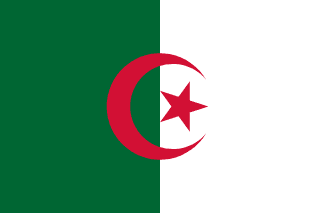
Welcome to Algeria
Algeria, officially the People's Democratic Republic of Algeria, is located in North Africa.
It is the largest country in Africa by land area, extending from the Mediterranean Sea to the Sahara Desert.
Its capital is Algiers, a city known for its white buildings, historic neighbourhoods and Mediterranean setting.
Other important cities include Oran, Constantine, Annaba, Tlemcen, Béjaïa and Tamanrasset.
Algeria is home to extraordinary landscapes, rich traditions, ancient civilizations and a remarkable cultural heritage.
But Algeria is much more than its geography or its political history.
It is the story of parents raising children, teachers guiding students, farmers working the land and healthcare workers caring for patients.
It is also the story of young people seeking opportunity, older adults sharing memories and families hoping for a peaceful future.
"To understand Algeria, we must discover the humanity behind its flag."
🏡 A Day in the Life of Algeria
Imagine an ordinary morning somewhere in Algeria.
In Algiers, commuters travel through busy streets to schools, offices and shops.
In Oran, a shopkeeper opens a small family business.
In Constantine, a university student prepares for classes.
In Kabylie, a farmer tends olive trees and orchards.
In a Saharan oasis, a family begins the day beneath the desert sun.
In Tamanrasset, a craftsperson works with skills passed down through generations.
A nurse begins a hospital shift. A teacher welcomes children. A grandparent shares stories with the family.
Some households have comfortable homes, stable employment and many opportunities.
Others struggle with unemployment, rising living expenses, housing difficulties or illness.
📜 Algeria's Ancient and Diverse History
The lands of modern Algeria have been inhabited for thousands of years.
Amazigh peoples, also known as Berbers, are Indigenous to North Africa and have a long and diverse history throughout the region.
Ancient North African kingdoms included Numidia, which played an important role in Mediterranean history.
Phoenician and Carthaginian trading networks connected the region to other parts of the Mediterranean.
Parts of present-day Algeria later came under Roman rule.
Historic sites such as Timgad and Djémila preserve reminders of the region's ancient past.
Islamic and Mediterranean History
Beginning in the seventh century, Arab-Muslim expansion brought major political, religious and linguistic changes.
Amazigh and Arab influences, alongside many other traditions, helped shape Algeria's cultural identity.
Different dynasties and kingdoms ruled parts of the region over the following centuries.
Algiers later became an important centre within the Ottoman world.
French Colonial Rule
France invaded Algeria in 1830 and gradually established colonial control.
Colonial rule involved land dispossession, unequal political rights, repression and violence.
Many Algerian communities experienced profound changes to their daily lives.
"History is not only the story of rulers and empires. It is also the story of the people whose lives were shaped by their decisions."
🕊️ Algeria's Struggle for Independence
One of the most important chapters of Algeria's modern history was its struggle for independence from French colonial rule.
The War of Independence
The Algerian War of Independence began in November 1954.
The National Liberation Front, known as the FLN, became a leading force in the independence movement.
The conflict lasted until 1962 and involved guerrilla warfare, urban attacks, military operations and widespread violence.
French security forces committed torture, extrajudicial killings and other abuses.
The FLN and other armed actors also committed attacks that killed civilians and carried out reprisals.
Algerian civilians experienced enormous suffering, displacement, fear and loss.
Women participated in different ways, including political organizing, support networks, nursing and resistance.
Independence in 1962
The Évian Agreements were signed in March 1962.
Algeria became independent in July 1962, and July 5 is celebrated as Independence Day.
The end of the war also brought the departure of many European settlers and the displacement of people associated with the French side.
Independence marked a new beginning, but the human wounds of the conflict remained.
"Freedom is precious, and the human suffering that accompanies war must never be forgotten."
🕯️ Remembering the Past and Healing Its Wounds
The Algerian War of Independence left deep memories in both Algeria and France.
Families lost loved ones. Some people were imprisoned or displaced, and others carried emotional trauma for decades.
Historical memory includes Algerian independence fighters, civilian victims, European settlers, and Algerians who fought or worked alongside French forces.
These histories are complex and sometimes painfully contested.
Remembering the past requires historical truth, respect for victims and willingness to acknowledge injustice.
Algeria's Later Civil Conflict
During the 1990s, Algeria experienced a devastating period of internal armed conflict involving security forces and armed Islamist groups.
Many civilians were killed or disappeared, and communities endured fear and insecurity.
These experiences continue to shape personal and collective memory.
Healing does not require families to forget.
It requires recognition of suffering, truth, human dignity and opportunities for future generations to live in peace.
"Remembrance becomes meaningful when it helps prevent the suffering of the past from being repeated."
🌍 Amazigh and Arab Heritage
Algeria's cultural identity reflects a rich combination of Amazigh, Arab, African and Mediterranean traditions.
Arabic and Tamazight are both official national languages.
Algerian Arabic, often called Darija, is widely used in everyday conversation.
Different Amazigh languages and varieties are spoken, including Kabyle, Chaoui and varieties used in Saharan regions.
French is also widely used in education, business and communication, although it is not an official language.
The Amazigh People
Amazigh communities have contributed to Algeria's language, arts, agriculture, music, architecture and cultural heritage for centuries.
Kabyle, Chaoui, Mozabite and Tuareg communities are among the country's diverse Amazigh populations.
Efforts to preserve and promote Tamazight reflect the importance of language to identity.
❤️ Family, Friendship and Community
Family relationships are important in many Algerian communities.
Relatives often gather for meals, celebrations, weddings and religious holidays.
Grandparents may help pass along family histories and traditions.
Algerian households come in many forms, including extended families, couples, single parents and people living alone.
Hospitality and sharing food with visitors are valued traditions in many communities.
Algerians also maintain connections with family members living abroad, particularly in France and other countries.
Some families enjoy stability and strong support networks.
Others experience financial hardship, loneliness, illness or the effects of migration.
"Family and community become most meaningful when people know they are valued, respected and loved."
🎵 Algerian Culture and Traditions
🎶 Music
Algerian musical traditions include raï, chaâbi, Andalusian classical music, Kabyle music and many regional styles.
🍲 Food
Couscous, chorba, rechta, chakchouka, tajines and regional pastries are part of Algeria's culinary traditions.
🧵 Craftsmanship
Carpet weaving, pottery, jewellery, leatherwork and traditional clothing reflect generations of skill and artistry.
📚 Literature
Algerian writers and poets explore identity, language, freedom, family, memory and the human experience.
⚽ Sports
Football is popular throughout Algeria. Athletics, handball, martial arts and other sports are also enjoyed.
🎉 Celebrations
Eid celebrations, Yennayer, Independence Day and regional festivals connect many families and communities.
🎓 Children and Education
Children throughout Algeria attend school, form friendships and develop their interests.
Algeria has public schools, universities and vocational education programmes.
Students learn languages, mathematics, science, history, arts and other subjects.
Many young Algerians dream of becoming doctors, engineers, teachers, artists or business owners.
Some have access to strong educational resources and family support.
Others experience financial difficulties, disability-related barriers or limited opportunities in remote communities.
Young people may also feel uncertainty about employment and their future.
Every child deserves safety, encouragement, friendship and the opportunity to reach their potential.
"Every child deserves a future shaped by opportunity and hope, not fear or hardship."
🕊️ Faith, Spirituality and Beliefs
Islam plays a central role in the culture and daily lives of many Algerians.
Most Algerian Muslims are Sunni, while Ibadi traditions are important in some communities, particularly the M'Zab.
Algeria also has historical Jewish and Christian heritage, alongside smaller religious communities.
Religious beliefs and personal spiritual experiences differ between individuals.
Faith may provide comfort, family connection, purpose and a sense of belonging.
Respect for religious conscience and human dignity remains important to the well-being of all people.
"Different beliefs should never prevent us from recognizing the dignity of another person."
🌄 From the Mediterranean to the Sahara
Algeria's landscapes are remarkably diverse.
Along the Mediterranean, coastal cities and farmland are framed by mountains.
The Atlas Mountains include forests, valleys and distinctive communities.
Farther south, the Sahara contains sand dunes, rocky plateaus, oasis towns and dramatic mountains.
Tassili n'Ajjer
Tassili n'Ajjer is a UNESCO World Heritage Site known for extraordinary rock formations and prehistoric rock art.
Its ancient paintings and engravings reveal changes in environments, wildlife and human life over thousands of years.
The Challenges of Nature
Algeria faces environmental pressures including drought, water scarcity, desertification, wildfires and climate change.
Protecting natural resources is important for agriculture, public health, biodiversity and future generations.
"From mountain forests to desert stars, the Earth reminds us that we share one precious home."
🛠️ Work, Healthcare and Everyday Needs
Algerians work in agriculture, energy, healthcare, education, construction, manufacturing, transportation, technology and many other sectors.
Oil and natural gas are important sources of national revenue.
The country's economy also includes public services, small businesses and growing opportunities outside the energy sector.
Algeria has invested in infrastructure, education and social programmes.
Yet access to employment, housing, healthcare and other opportunities can vary between regions and individuals.
The World Bank has identified economic diversification and employment opportunities, especially for young people, as important development challenges.
Families everywhere share the desire for reliable work, a safe home, healthcare and a secure future.
🌧️ Challenges Facing Algeria
Algeria has made important social and economic achievements, but many individuals continue to face serious challenges.
Young People's Employment
Unemployment among young people makes it harder for some to establish financial independence and build their future.
Housing
Some families face housing shortages, crowded conditions or difficulty finding affordable accommodation.
Economic Diversification
Dependence on oil and natural gas creates challenges when energy markets change.
Mental Health
Stress, depression, anxiety, grief and the effects of past violence can affect individuals and families.
Regional Inequalities
People in remote and Saharan communities may face greater distances to services, employment and specialist healthcare.
Environment and Water
Water scarcity, heat, drought and other environmental pressures create difficulties for communities and livelihoods.
🏛️ Society, Rights and Civic Life
Algeria is officially a republic, with a president, government and national legislature.
Its Parliament consists of two chambers: the People's National Assembly and the Council of the Nation.
Political and civic life has been shaped by the independence struggle, later economic changes and demands for reform.
The Hirak Movement
In 2019, large peaceful demonstrations became known as the Hirak movement.
Participants called for political change, accountability and reform of public institutions.
The movement brought many citizens into public discussion about their country's future.
Public concerns continue to include employment, education, housing, freedom of expression and political participation.
Algerians hold many different political opinions.
No government or political organization speaks for every individual's views.
Human dignity, freedom, accountability and the rule of law remain important subjects for civic life.
"A society's future is shaped not only by its institutions, but by whether ordinary people are treated with dignity."
🎖️ Honouring Algerian Soldiers, Veterans and Civilians
Algeria's military history includes resistance to colonial expansion, the independence war, later internal conflict and modern national service.
Remembering the Independence Struggle
Many Algerians participated in the struggle for independence between 1954 and 1962.
Families experienced death, injury, displacement and bereavement.
Algeria commemorates those associated with its independence struggle.
Recognizing Civilian Suffering
An honest understanding of war must also remember civilians who endured torture, attacks, forced displacement and loss.
The suffering of French and Algerian families is also part of the historical record.
Remembering Later Conflict
The internal conflict of the 1990s brought further military and civilian casualties.
Many people continue to carry memories of those years.
Modern Military Service
Today's Algerian armed forces perform national defence and security duties.
Service members and their families may experience danger, injury, separation or emotional hardship.
Supporting veterans means recognizing their needs and the experiences of their families.
Honouring military service does not mean glorifying war or excusing abuses.
It means remembering human sacrifice, recognizing civilian suffering and working toward a more peaceful future.
"May those who suffered in war inspire us to protect the peace of generations yet to come."
🤝 Algerians Helping One Another
Across Algeria, people assist one another through family networks, neighbourhood groups, charities and community organizations.
Some support families experiencing poverty or illness.
Others provide help during wildfires, flooding and other emergencies.
Healthcare workers, teachers and community volunteers make contributions that may never appear in international headlines.
Small acts of kindness can bring comfort, hope and practical support to people who are struggling.
"Humanity is not only what we believe. It is what we choose to do for one another."
🌅 Algeria's Dreams for Tomorrow
Imagine an Algeria where every child has a safe and loving home.
Where young people have meaningful opportunities to learn and work.
Where families can afford secure housing and everyday necessities.
Where older adults receive respect, companionship and quality care.
Where mental health challenges are met with compassion and accessible support.
Where the diversity of Amazigh and Arab cultural heritage is celebrated and preserved.
Where women and men can participate fully in creating their country's future.
Where those who experienced war and violence receive remembrance, recognition and opportunities for healing.
Where deserts, mountains, forests and coastal environments are protected for future generations.
And where children can grow up in peace, security, freedom and hope.
"A nation's greatest future is one where every human life has the opportunity to flourish."
🌎 Your Journey of Understanding
You have explored some of Algeria's history, culture, daily life, struggles and hopes.
Now consider three questions connecting your mind, heart and spirit.
Click each question to reveal its reflection.
🧠 MENTALLY - What have you learned?
Before this journey, what came to mind when you thought of Algeria?
The Sahara? North Africa? The Mediterranean? The struggle for independence?
Did you also think about Amazigh heritage, ancient civilizations, music, family life, young people's hopes and modern challenges?
Why is it important to understand both a country's achievements and its painful history?
How can understanding Algeria's struggle for independence help us reflect on human dignity and self-determination?
What assumption might you now reconsider?
❤️ EMOTIONALLY - What touched your heart?
Imagine a grandparent remembering family members lost during the independence war.
A young adult searching for meaningful employment.
A mother trying to provide a secure future for her children.
A person living with memories of the violence of the 1990s.
A family facing drought or financial hardship.
A teacher helping a student pursue a dream.
How would hearing their personal stories change your understanding of Algeria?
What could compassion look like in action?
🕊️ SPIRITUALLY - What connects us?
Algeria's history includes conquest, resistance, colonialism, independence and efforts to build a future.
What can these experiences teach us about freedom and human dignity?
Can people remember historical injustice without allowing hatred to define future generations?
How can truth, accountability and compassion work together?
Can we honour those who suffered during war while working to prevent future conflicts?
What would change if every person truly believed that their life and the lives of others mattered?
What small act of kindness could you offer today to help someone feel valued and understood?
The Algeria Behind the Flag
Somewhere in Algeria, a mother prepares breakfast for her children.
A teacher encourages a student to follow a dream.
A farmer tends an olive grove.
A musician plays a melody passed down through generations.
A grandparent shares memories of the struggle for independence.
A nurse comforts a patient.
A volunteer helps a family in need.
A veteran remembers a fallen friend.
And somewhere, a young person dreams of a future without fear or war.
"Ancient heritage.
A history of resilience.
A longing for dignity and peace.
Countless human stories.
One shared humanity."
That is the Algeria behind the flag.
Return to Beginning Explore Another NationSources and Further Reading
Learn more about Algeria's culture, history, languages, society and development challenges.
Algerian Ministry of Foreign Affairs - About Algeria
Constitution of Algeria - Language and Rights
Oxford Academic - Algerian War of Independence
UNESCO - Algerian World Heritage
This page provides a broad introduction to Algeria and does not represent every person's experiences, beliefs or political views.