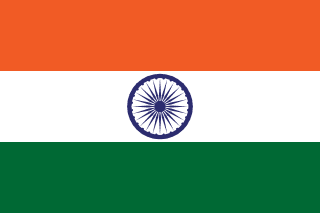
Welcome to India
India, officially the Republic of India, is a country in South Asia and one of the world's most populous nations.
Its capital is New Delhi.
Major cities include Mumbai, Bengaluru, Chennai, Kolkata, Hyderabad, Ahmedabad, Pune and Jaipur.
India is known for its remarkable cultural diversity, ancient civilizations, philosophy, science, architecture, music, literature and traditions.
Its landscapes range from the Himalayan mountains to tropical forests, plains, deserts, islands and long coastlines.
But India cannot be understood simply through its size, achievements or monuments.
It is the story of parents raising children, teachers guiding students, farmers growing food, nurses caring for patients and grandparents sharing memories.
It is also the story of people experiencing poverty, illness, loneliness, homelessness, discrimination or grief.
"To understand India, we must discover the humanity behind its flag."
🏡 A Day in the Life of India
Imagine an ordinary morning somewhere in India.
In Mumbai, a commuter boards a crowded train to work.
In Bengaluru, a technology worker prepares for a busy day.
In Punjab, a farmer tends fields of wheat or other crops.
In Kerala, a fisher prepares a boat near the Arabian Sea.
In Rajasthan, a shopkeeper opens a small business.
In Tamil Nadu, a teacher welcomes students into a classroom.
In a Himalayan village, a family begins another day surrounded by mountains.
A grandmother prepares tea. A nurse comforts a patient. A young adult searches for employment.
Some families have secure homes, stable incomes and extensive educational opportunities.
Others struggle to afford food, rent, healthcare, transportation or schooling.
🏛️ India's Ancient Civilizations and Heritage
The Indian subcontinent has been home to human communities for thousands of years.
The Indus Valley Civilization
The Indus or Harappan civilization developed sophisticated settlements, trade networks and urban planning during the third millennium BCE.
Sites such as Harappa and Mohenjo-daro are now located in Pakistan, while other Harappan sites are found in present-day India.
Philosophy and Learning
Ancient Indian intellectual traditions contributed to philosophy, mathematics, medicine, astronomy, linguistics and literature.
Different schools of thought explored questions about human existence, ethics, knowledge and responsibility.
Religious Traditions
Hinduism, Buddhism, Jainism and Sikhism all developed in the Indian subcontinent.
These traditions have influenced communities throughout the world.
Kingdoms and Empires
The Maurya and Gupta empires, along with many regional kingdoms, contributed to political, artistic and intellectual history.
The Mughal Empire later shaped architecture, art, administration and cultural life across much of South Asia.
India's heritage reflects centuries of interaction among diverse communities, languages and religions.
"Civilizations are remembered through their achievements, but they are built through the lives of ordinary people."
🇮🇳 India's Journey to Independence
European trading powers became increasingly involved in the Indian subcontinent over several centuries.
After the decline of Mughal power, the British East India Company expanded its political and military influence.
The uprising of 1857 challenged Company rule and was followed by direct British Crown government in 1858.
The Independence Movement
During the late nineteenth and early twentieth centuries, growing numbers of Indians demanded greater political representation and self-government.
Independence movements included a wide range of leaders, organizations and approaches.
Some emphasized constitutional reform, others mass nonviolent resistance, and others revolutionary or armed struggle.
August 15, 1947
India became independent from British rule on August 15, 1947.
Independence marked an extraordinary transformation in the country's political history.
However, it also coincided with Partition, one of the most painful episodes in modern South Asian history.
"Freedom becomes meaningful when it is protected through dignity, equal rights and opportunity for every person."
🕊️ Mahatma Gandhi and the Power of Nonviolence
Mohandas Karamchand Gandhi, widely known as Mahatma Gandhi, became an influential leader in India's independence movement.
His approach emphasized satyagraha, often understood as nonviolent resistance grounded in truth and moral conviction.
Peaceful Civil Resistance
Gandhi encouraged forms of civil disobedience, including boycotts and protests against colonial policies.
The Salt March of 1930 became an internationally recognized example of nonviolent protest.
A Wider Movement
Millions of Indians participated in the independence struggle, including women, workers, students, farmers and leaders from many different backgrounds.
The movement's history should not be reduced to any one individual.
Complexity and Reflection
Gandhi's legacy also includes aspects that scholars and communities critically examine, including his earlier views on race and his approaches to caste.
Understanding a historical figure requires recognizing achievements as well as limitations.
The Meaning for Humanity
Nonviolent resistance influenced later movements for civil rights and political freedom around the world.
"Peaceful courage can help change institutions while reminding us of the humanity we share."
🕯️ The Partition of 1947 - Families Divided
In August 1947, British India was divided into the independent states of India and Pakistan.
The borders divided Punjab and Bengal, among other territories, and triggered one of the largest forced migrations of the twentieth century.
Mass Displacement
Millions of people crossed newly established borders, often hoping to find safety among communities sharing their religion.
Hindus, Muslims, Sikhs and others were affected by communal violence and displacement.
Violence and Loss
Large numbers of people were killed in massacres, attacks and other acts of violence.
Women and girls experienced abduction and sexual violence.
Children lost relatives, homes and familiar communities.
Estimates of the death toll vary, reflecting the scale and difficulty of documenting the catastrophe.
Families' Memories
For many families in India, Pakistan and Bangladesh, memories of Partition remain part of their identity.
Some still remember homes and villages they were forced to leave.
Others grew up hearing stories of neighbours who helped one another despite religious divisions.
"Every displaced family carried more than belongings. They carried memories, grief and the hope of belonging again."
🏛️ India's Constitution, Democracy and Rights
India became a republic on January 26, 1950, when its Constitution came into effect.
The Constitution establishes India as a sovereign, socialist, secular, democratic republic with a parliamentary system.
India has an elected Parliament consisting of the Lok Sabha and Rajya Sabha.
Its political system includes national and state governments, an independent judiciary and constitutional protections for fundamental rights.
Citizens participate through elections, civic organizations, public discussion and peaceful protest.
Political debates include economic policy, education, healthcare, environmental protection, religious freedom, national security and social equality.
Human rights organizations and other observers have raised concerns about religious discrimination, civic freedoms and the treatment of some journalists and activists.
Government authorities have emphasized development, national security and public welfare among their priorities.
Indians hold diverse political opinions, and no political party or government speaks for every citizen.
"Democracy is strengthened when every person's rights, voice and dignity are respected."
🌍 A Nation of Languages, Communities and Traditions
India is home to extraordinary linguistic, ethnic and cultural diversity.
The Constitution recognizes 22 scheduled languages, including Hindi, Bengali, Tamil, Telugu, Marathi, Urdu, Punjabi, Gujarati, Kannada, Malayalam, Assamese and others.
Hindi is an official language of the Union, while English is also used for Union official purposes.
Different states recognize languages used by their communities.
Regional Cultures
India's regions have distinctive music, literature, clothing, artistic traditions, food and historical experiences.
People from Kashmir, Punjab, Rajasthan, Gujarat, Bengal, Assam, Odisha, Kerala, Tamil Nadu and other regions may have very different cultural experiences.
Adivasi Communities
India is home to many Indigenous or Adivasi communities, with diverse languages, histories and traditional relationships with land and forests.
Some face challenges involving land rights, displacement, employment and access to public services.
Caste and Social Equality
Caste-based discrimination has shaped historical and present-day experiences for many communities.
India's Constitution prohibits untouchability and establishes protections intended to address discrimination and inequality.
Dalit communities and others continue to advocate for equal treatment, opportunity and dignity.
❤️ Family, Friendship and Community
Family relationships are important to many people throughout India.
Some households include grandparents, parents and children living together, while others include smaller families, single parents, couples or people living alone.
Family gatherings, weddings, religious celebrations and community festivals bring people together.
Many Indians have relatives living in other regions or countries, including Canada.
Migration can create educational and employment opportunities, but also cause separation and loneliness.
Some families enjoy stable livelihoods and close community connections.
Others face financial stress, caregiving responsibilities, domestic violence, grief or uncertainty.
Supportive relationships can help people face life's difficulties.
"Family and community become meaningful when every person feels respected, protected and loved."
🎵 India's Culture and Traditions
🎶 Music
Hindustani and Carnatic classical music, folk traditions, film music and contemporary styles reflect India's extraordinary musical diversity.
💃 Dance
Bharatanatyam, Kathak, Odissi, Kuchipudi, Kathakali, Bhangra and many other forms represent regional artistic traditions.
🍲 Food
Indian cuisine includes dosa, idli, biryani, dal, roti, regional curries, vegetarian dishes and countless local specialities.
📚 Literature
India has rich literary traditions spanning ancient texts, poetry, regional languages and modern writers including Rabindranath Tagore.
🎬 Film and Art
Hindi cinema, Tamil, Telugu, Malayalam, Bengali and many other film industries contribute to Indian cultural life.
🏏 Sport
Cricket is widely followed, alongside hockey, badminton, football, wrestling, chess and numerous other sports.
🎓 Children, Education and Opportunity
Millions of children across India attend schools, form friendships and develop dreams for the future.
India has extensive networks of public and private schools, universities, technical institutions and vocational programmes.
Many students pursue interests in science, engineering, medicine, education, the arts and sports.
However, opportunities vary significantly between families and regions.
Some children face poverty, inadequate nutrition, child labour, disability-related barriers or difficulties accessing quality education.
Girls in some communities face additional challenges involving safety and social expectations.
Some children in remote or conflict-affected areas experience disruptions to schooling.
Every child deserves nutritious food, safety, encouragement, friendship and meaningful learning opportunities.
"The potential of a child should never be limited by poverty, caste, religion or circumstances beyond their control."
🕊️ Faith, Spirituality and Beliefs
India is home to many of the world's important religious and spiritual traditions.
Hinduism, Islam, Christianity, Sikhism, Buddhism, Jainism, Judaism, Zoroastrianism and other traditions form part of India's history and present-day society.
Many people also identify as non-religious or express their spirituality in personal ways.
Places of Worship
Temples, mosques, churches, gurdwaras, monasteries and other places of worship serve communities throughout India.
Shared Values
Different traditions teach different beliefs and practices, but many encourage charity, service, reflection and care for others.
Freedom of Conscience
India's Constitution protects freedom of conscience and religion, subject to constitutional provisions.
Religious tensions and discrimination have also affected some communities, underscoring the importance of protecting individual rights.
"We do not need to share the same beliefs to recognize one another's humanity."
🌿 Mountains, Rivers, Forests and Wildlife
India contains some of the world's most varied landscapes.
The Himalayas
Northern India includes high mountain environments, valleys, glaciers and communities with distinctive traditions.
The Ganges and Other Rivers
Major rivers support agriculture, drinking water, industry, cultural practices and ecosystems.
The Thar Desert
Western India includes desert landscapes and communities adapted to dry conditions.
The Western Ghats
The Western Ghats are recognized for their biodiversity and distinctive ecosystems.
Forests and Wildlife
India is home to tigers, elephants, rhinoceroses, lions, leopards and numerous other species.
Coasts and Islands
India has long coastlines and island territories, including the Andaman and Nicobar and Lakshadweep islands.
Environmental Challenges
Air pollution, extreme heat, flooding, drought, water scarcity, biodiversity loss and climate change affect many communities.
Environmental protection must include the needs and rights of people whose livelihoods depend on natural resources.
"We share one Earth, and every generation has a responsibility to protect it."
🛠️ Work, Healthcare and Everyday Needs
Indians work in agriculture, manufacturing, technology, commerce, healthcare, education, transportation, tourism and many other sectors.
India has major industries in information technology, pharmaceuticals, engineering and services.
Small businesses and informal employment support a substantial portion of the population.
Many families depend on farming, construction, small shops or self-employment.
The country has public and private healthcare services, although access, affordability and quality vary.
Some individuals need to travel long distances or pay significant expenses for treatment.
While economic development has expanded opportunities, many people continue to face insecure work and financial stress.
Every person deserves meaningful employment, safe housing, nutritious food and accessible healthcare.
🌧️ Challenges Facing India
India has experienced substantial economic growth and reductions in poverty, but many communities continue to face hardship.
Poverty and Inequality
The World Bank estimated India's extreme poverty rate at 2.6% in 2023–24 using the updated $3.00-a-day international measure. Its broader lower-middle-income poverty estimate was 16.1%.
Housing and Homelessness
Some households experience overcrowding, insecure accommodation, informal settlements or homelessness.
Healthcare
Some families face difficulty paying for treatment or obtaining timely medical services, particularly in underserved areas.
Mental Health
Depression, anxiety, loneliness, grief, trauma and social stigma affect people of all ages.
Social Discrimination
Caste, religion, gender, disability and other factors can create barriers to equal opportunity and safety.
Climate and Environment
Heat waves, flooding, drought, pollution and environmental degradation threaten health, homes and livelihoods.
🎖️ Honouring Indian Soldiers, Veterans and Civilians
India has a long history of military service, including service under colonial rule, the world wars, independence and modern national defence.
The First World War
More than one million Indian soldiers and support personnel served overseas during the First World War.
Many were killed, injured or separated from their families for extended periods.
The Second World War
Millions of personnel from British India served during the Second World War in campaigns across Asia, Africa, Europe and other regions.
Indian military service made a substantial contribution to the Allied war effort.
Independence and Partition
The division of British India in 1947 also divided military institutions and disrupted the lives of service members and their families.
Communal violence caused immense civilian suffering.
Wars After Independence
India's armed forces have served during conflicts with Pakistan and China and in other security operations.
These events have involved loss of life, injury, displacement and long-lasting grief.
United Nations Peacekeeping
India has been a major contributor to United Nations peacekeeping operations.
Indian military and police personnel have served in missions aimed at supporting security and protecting civilians.
Women in Service
Indian women have served in military, medical, police and peacekeeping roles, contributing to national and international service.
Veterans and Their Families
Veterans may face physical injuries, psychological trauma, grief or difficulties returning to civilian employment.
Families also carry the effects of military service and loss.
Remembering Civilians
Honouring soldiers must never mean forgetting civilians who suffered during wars, communal violence or other conflicts.
"The greatest tribute to those who sacrificed is a world where future generations can grow up in peace."
🤝 Indians Helping One Another
Across India, volunteers, charities, religious organizations, community groups and public services assist people experiencing hardship.
Some provide food, education, medical assistance, emergency shelter and care for older adults.
Others support people with disabilities, vulnerable children and individuals experiencing homelessness.
Community kitchens, including langar services at Sikh gurdwaras, provide meals to people from many backgrounds.
Disaster relief workers and volunteers help communities recover from floods, storms, earthquakes and other emergencies.
Teachers, nurses, neighbours and family members perform countless acts of kindness every day.
"Compassion begins when we see another person's need as worthy of our attention."
🌅 India's Dreams for Tomorrow
Imagine an India where every child grows up in a safe and loving home.
Where every family can afford nutritious food, secure housing and healthcare.
Where young people have meaningful opportunities to learn, work and create.
Where every girl and boy enjoys equal dignity and protection.
Where no person experiences discrimination because of caste, religion, language or background.
Where older adults receive companionship, healthcare and respect.
Where people experiencing homelessness receive stable housing and practical support.
Where mental health challenges are met with understanding rather than stigma.
Where veterans and their families receive appropriate care and recognition.
Where India's natural landscapes, wildlife and cultural heritage are preserved.
Where political and religious differences can be discussed peacefully.
Where the memories of Partition inspire understanding instead of hatred.
And where every person has the opportunity to live with dignity, freedom, security and hope.
"The greatest achievement of a nation is not its wealth or power, but the opportunity for every human life to flourish."
🌎 Your Journey of Understanding
You have explored India's history, languages, traditions, independence movement, military service, daily life and present-day challenges.
Now consider three reflections connecting the mind, heart and spirit. Click each question to reveal its reflection.
🧠 MENTALLY - What have you learned?
Before this journey, what came to mind when you thought of India?
The Taj Mahal? Gandhi? Yoga? Colourful festivals? Cricket?
Did you also consider the many languages, the suffering during Partition, the experiences of military families and people facing poverty or discrimination?
What does India's independence movement teach us about the potential of nonviolent resistance?
Why is it important to understand people as individuals rather than assuming an entire nation shares one culture, religion or opinion?
How might your understanding of India change after hearing an ordinary person's story?
❤️ EMOTIONALLY - What touched your heart?
Imagine a family separated during the Partition of 1947.
A parent working long hours to provide food and education for children.
A Dalit child hoping to be treated fairly by classmates.
A nurse caring for patients in a crowded hospital.
A soldier's family waiting for news from a distant deployment.
A grandmother sharing memories of the independence movement.
A volunteer offering food to someone without a home.
Which story touches your heart most deeply?
How could compassion become meaningful action?
🕊️ SPIRITUALLY - What connects us?
India is home to many religions, languages and cultural traditions.
What can its diversity teach us about respecting people whose beliefs differ from our own?
Can we celebrate the courage of independence while remembering families who suffered during Partition?
How can Gandhi's teachings on nonviolent resistance encourage reflection on peaceful change?
Can we honour military service while also working to prevent future wars?
Does inner peace require everyone to agree, or can it begin with respectful understanding?
What small act of kindness could you offer today to help another person feel that they matter?
The India Behind the Flag
Somewhere in India, a mother prepares breakfast for her children.
A teacher welcomes students into a classroom.
A farmer works in a green field beneath the morning sun.
A fisher returns home from the coast.
A grandparent shares a story passed down through generations.
A nurse comforts a patient.
A volunteer offers a warm meal to someone in need.
A veteran remembers a fallen friend.
A family remembers ancestors who crossed a border during Partition.
And somewhere, a young person dreams of a world where differences are celebrated and every life is respected.
"Mountains reaching toward the sky.
Rivers crossing ancient lands.
A thousand traditions and countless voices.
One shared humanity."
That is the India behind the flag.
Return to Beginning Explore Another NationSources and Further Reading
Explore India's history, Constitution, cultural heritage, social development and contributions to humanity.
Supreme Court of India - Constitution
Government of India - Official Language Policy
World Bank - India Macro Poverty Outlook, April 2026
United Nations - Peacekeeping Contributors
UK National Archives - Indian Independence
This page provides a broad, human-centred introduction and does not represent every Indian person's experiences, beliefs or political views.