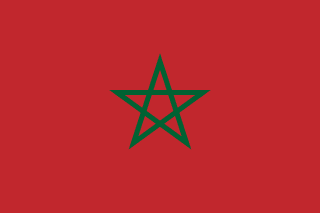
Welcome to Morocco
Morocco, officially the Kingdom of Morocco, is a country in northwestern Africa.
Its capital is Rabat, while Casablanca is its largest city and a major economic centre.
Other important cities include Marrakech, Fez, Tangier, Meknes, Agadir, Oujda, Tetouan and Essaouira.
Morocco has coastlines along the Atlantic Ocean and Mediterranean Sea, with landscapes extending through mountains, plains, forests and desert regions.
The country's history includes ancient Amazigh heritage, Islamic dynasties, Jewish communities, African and Mediterranean trade and struggles for independence.
But Morocco must never be understood only through monuments, tourism or political events.
It is parents raising children, teachers encouraging students, farmers growing food, nurses caring for patients and grandparents preserving memories.
It is also people facing poverty, illness, homelessness, discrimination, loneliness or the consequences of natural disasters.
"To understand Morocco, we must discover the humanity behind its flag."
🏡 A Day in the Life of Morocco
Imagine an ordinary morning somewhere in Morocco.
In Casablanca, a commuter travels to work through a busy city.
In Rabat, a teacher prepares to welcome students into a classroom.
In Fez, an artisan begins creating traditional ceramics or leatherwork.
In Marrakech, a shopkeeper opens a small business along a historic street.
In the Atlas Mountains, a family tends crops or cares for animals.
In Agadir, a fisher prepares for another day along the Atlantic coast.
In the desert regions, a family begins work beneath a wide morning sky.
In a community affected by the 2023 earthquake, residents continue rebuilding homes and memories.
A nurse comforts a patient. A grandmother prepares breakfast. A young adult searches for employment.
Some households enjoy stable incomes, secure homes and strong community connections.
Others struggle with unemployment, housing expenses, limited water supplies or difficulty accessing healthcare.
🏛️ Ancient Heritage and the Amazigh Peoples
Morocco's history stretches back thousands of years.
Early Human History
Archaeological discoveries at Jebel Irhoud have contributed significantly to the understanding of early Homo sapiens in Africa.
These discoveries remind us of the deep history connecting all humanity.
Amazigh Heritage
The Amazigh peoples, also known historically as Berbers, have longstanding cultural and linguistic roots throughout North Africa.
Amazigh communities have contributed to agriculture, architecture, literature, governance, crafts and the preservation of regional traditions.
Ancient Trade
Morocco's location linked Mediterranean, Atlantic, Saharan and inland African trading networks.
Merchants exchanged goods, ideas, religious beliefs and knowledge over many centuries.
Volubilis
The ancient archaeological site of Volubilis preserves remains from the Roman period and earlier settlement.
The Growth of Cities
Fez, Marrakech and other Moroccan cities became important centres of commerce, learning, religion and artistic achievement.
Living Heritage
Traditional architecture, languages, music and crafts continue to reflect Morocco's long cultural history.
"Ancient civilizations belong to history, but the humanity that created them belongs to us all."
📜 Morocco's Kingdoms, Dynasties and Cultural Exchange
Morocco's history includes powerful dynasties, regional kingdoms, religious scholarship and international trade.
The Idrisid Period
The Idrisid dynasty emerged in the late eighth century and played an important role in early Moroccan state formation.
The Almoravids and Almohads
These dynasties extended their influence across parts of North Africa and the Iberian Peninsula.
Architecture, scholarship, military activity and trade shaped their historical legacy.
The Marinids
The Marinid period contributed to the development of Fez as a centre of education, architecture and cultural life.
Later Dynasties
Saadi and Alaouite rulers shaped Morocco's political and cultural history.
The Alaouite dynasty continues as the country's reigning royal house.
Jewish Heritage
Jewish communities have lived in Morocco for centuries, contributing to commerce, scholarship, music, crafts and cultural exchange.
Many Moroccan Jews emigrated during the twentieth century, but their heritage remains an important part of national history.
Everyday Lives
Behind every dynasty were farmers, craftspeople, merchants, scholars, parents and children whose labour sustained communities.
"History is not only about kings and empires. It is about the lives of ordinary people who carried society forward."
🇲🇦 Morocco's Journey to Independence
During the nineteenth and early twentieth centuries, European powers expanded their influence in North Africa.
The Protectorates
In 1912, much of Morocco came under a French protectorate, while Spain administered protectorate territories in the north and south.
Tangier later had a distinctive international administration.
Resistance
Moroccan communities and political movements resisted foreign domination through different forms of political and armed struggle.
The Rif War of the 1920s, associated with Abd el-Krim and the Rif Republic, became a major chapter in anti-colonial resistance.
The conflict also brought extensive civilian hardship and destruction.
The National Movement
Political organizations, intellectuals, students and other groups demanded independence and national self-government.
Mohammed V
Sultan Mohammed V became an important symbol of the independence movement.
His exile in 1953 intensified nationalist opposition to French rule.
March 2, 1956
France recognized Morocco's independence on March 2, 1956.
Additional agreements ended Spanish protectorate rule over much of northern Morocco later that year.
A Continuing Journey
Independence created opportunities to expand education, infrastructure, national institutions and public services.
Challenges concerning political rights, economic inequality and regional development continued.
"Freedom becomes meaningful when it helps every family build a future without fear."
🏛️ Government, Rights and Civic Life
Morocco is a constitutional monarchy with a king, a government and a bicameral Parliament.
Its Parliament consists of the House of Representatives and the House of Councillors.
King Mohammed VI has served as monarch since 1999.
The 2011 Constitution
Morocco adopted a new Constitution in 2011 following a period of public demonstrations and political reform discussions.
The Constitution recognizes Arabic and Amazigh as official languages and establishes institutions and rights protections.
Political Participation
Citizens participate through elections, civic organizations, public discussion and peaceful demonstrations.
Public Debates
Political and social discussions include housing, employment, women's rights, education, healthcare, regional development and freedom of expression.
Human rights organizations have raised concerns regarding some restrictions on journalism, activism and public dissent.
Government authorities emphasize stability, social development and institutional reform.
Moroccans hold a wide variety of political opinions, and no leader or party represents every individual's beliefs.
"Public institutions are strongest when the dignity and rights of ordinary people remain central to their decisions."
🕊️ Western Sahara - A Dispute Affecting Human Lives
Western Sahara is a territory whose political status has been disputed for decades.
Historical Background
Spain withdrew from the territory in the 1970s.
Morocco took control of most of Western Sahara, while the Polisario Front pursued independence for the Sahrawi people.
Different Positions
Morocco regards Western Sahara as part of its national territory and supports autonomy under Moroccan sovereignty.
The Polisario Front advocates independence and Sahrawi self-determination.
Families and Refugees
Many Sahrawi refugees have lived for decades in camps near Tindouf, Algeria.
Families have experienced separation, political uncertainty and difficult humanitarian conditions.
The United Nations
A United Nations mission, MINURSO, was established in 1991 following settlement proposals and a ceasefire.
On October 30, 2026, the UN Security Council failed to renew its mandate, which expired on October 31.
The future of negotiations and international monitoring remains uncertain as of November 1, 2026.
The Human Dimension
Peaceful resolution requires consideration of security, human rights and the political aspirations of people affected by the dispute.
Ordinary Moroccan and Sahrawi civilians should not be reduced to competing political claims.
"Borders and political claims are debated by governments. Their consequences are lived by families."
🌍 Morocco's Languages, Peoples and Communities
Morocco's national identity reflects Amazigh, Arab, Saharan, African, Andalusian, Jewish and Mediterranean influences.
Arabic
Arabic is an official language, and Moroccan Arabic, commonly called Darija, is widely spoken in everyday life.
Amazigh Languages
Amazigh is also an official language, with varieties including Tarifit, Central Atlas Tamazight and Tashelhit.
These languages preserve distinctive literature, oral traditions and cultural knowledge.
Other Languages
French is used in many professional and educational contexts, while Spanish and English are also spoken or studied.
Saharan Communities
Hassaniya Arabic and Saharan cultural traditions form part of the country's broader regional heritage.
Jewish and Other Heritage
Morocco's Jewish history remains visible in historic neighbourhoods, music, architecture and family traditions.
Belonging
People may experience differences in opportunities related to language, region, disability, gender or income.
❤️ Family, Friendship and Hospitality
Family connections and hospitality are important in many Moroccan households.
Families may gather around shared meals, religious celebrations, weddings and community events.
Some households include grandparents and extended relatives living close together.
Others include smaller families, single parents, couples or people living alone.
Many Moroccans have relatives living abroad, including in France, Spain, Belgium, Canada and other countries.
These connections create opportunities but may also involve separation and loneliness.
Some families experience financial stress, illness, grief or difficulty caring for older relatives.
A welcoming home and supportive friendship can become sources of strength during hard times.
"Hospitality becomes an act of humanity when a guest or neighbour feels welcomed, respected and valued."
🎵 Morocco's Culture and Traditions
🍲 Food
Couscous, tagine, harira, pastilla, bread, olives and mint tea reflect Morocco's regional culinary traditions.
🎶 Music
Gnawa, Amazigh music, Andalusian classical traditions, chaabi and contemporary music enrich Moroccan culture.
🧶 Carpets and Weaving
Traditional Amazigh weaving, carpets, textiles and embroidery preserve artistic knowledge passed through generations.
🏺 Pottery and Zellige
Moroccan ceramics, geometric tilework, wood carving and metalwork are celebrated forms of craftsmanship.
🏛️ Historic Cities
Fez, Marrakech, Meknes, Rabat and other cities preserve remarkable architecture and historical neighbourhoods.
⚽ Sport
Football is widely followed, alongside athletics, basketball, cycling and other sports that bring communities together.
🎓 Children, Education and Opportunity
Children throughout Morocco attend schools, form friendships and develop dreams for the future.
The country has public and private schools, universities and vocational training institutions.
Many young people pursue careers in medicine, engineering, education, technology, business, agriculture and the arts.
However, opportunities can vary between urban neighbourhoods, rural villages and mountain communities.
Some children travel long distances to school or face shortages of facilities and educational resources.
Families experiencing poverty may struggle to afford transportation, supplies or other expenses.
Children with disabilities may face barriers to accessible services.
The 2023 earthquake also disrupted education in affected communities and damaged school buildings.
Every child deserves safety, nutritious food, friendship, encouragement and meaningful learning opportunities.
"The future of a nation is brighter when no child's potential is limited by poverty or birthplace."
🕊️ Faith, Spirituality and Shared Values
Islam plays an important role in Morocco's religious and cultural life.
The majority of Moroccans identify as Muslim, and mosques, religious schools and holidays are important community institutions.
Morocco also has a longstanding Jewish heritage, including historic synagogues, cemeteries and cultural traditions.
Christian communities and residents with other beliefs are also present.
Some people hold personal spiritual views outside organized religious practice.
Faith can provide comfort, community connection and inspiration for charitable work.
Questions about religious freedom and individual rights are also part of Morocco's public life.
Respect requires recognizing every person's dignity, including those whose beliefs differ from our own.
"We may find meaning through different beliefs, but compassion is something we can share."
🌿 Atlas Mountains, Forests, Oceans and Desert Landscapes
Morocco contains extraordinary geographical and ecological diversity.
The Atlas Mountains
The Atlas Mountains include high peaks, valleys, forests and villages with distinctive cultural traditions.
The Rif Mountains
Northern Morocco contains mountain forests, agricultural communities and beautiful landscapes.
The Sahara
Morocco's southeastern regions include desert landscapes, oases, dunes and communities adapted to dry conditions.
The Atlantic Coast
Coastal communities rely on fishing, tourism, commerce and marine ecosystems.
The Mediterranean
Northern coastal landscapes include fishing towns, beaches and important habitats.
Argan Forests
Argan trees grow in southwestern Morocco, supporting distinctive ecosystems and livelihoods.
Environmental Challenges
Drought, water scarcity, heat, declining groundwater, forest fires and climate change affect communities and agriculture.
Protecting natural resources requires cooperation and respect for the livelihoods of local people.
"Our shared responsibility to the Earth begins with protecting the natural resources every family needs to survive."
🕯️ The 2023 Earthquake - Families, Loss and Rebuilding
On September 8, 2023, a powerful earthquake struck Morocco's High Atlas region.
The Human Cost
The World Health Organization reported at least 2,946 deaths and more than 5,800 injuries as of October 11, 2023.
Hundreds of thousands of people were affected.
Mountain Villages
Many rural communities experienced collapsed homes, blocked roads, damaged schools and loss of loved ones.
Remote geography complicated rescue and relief efforts.
Families and Survivors
Parents lost children. Children lost parents. Grandparents lost homes and familiar communities.
Some survivors experienced injuries, disability, grief and emotional trauma.
Emergency Response
Moroccan emergency workers, medical teams, armed forces, volunteers and international organizations helped affected communities.
Long-Term Recovery
Reconstruction involves repairing housing, schools, roads, healthcare facilities and cultural heritage.
For families who lost loved ones, rebuilding also means learning to live with grief.
"After the ground stops shaking, compassion helps families begin rebuilding their lives."
🛠️ Work, Healthcare and Everyday Needs
Moroccans work in agriculture, manufacturing, tourism, construction, transportation, technology, healthcare, education and many other sectors.
Automotive manufacturing, phosphates, renewable energy projects and tourism are important economic activities.
Small businesses and family enterprises provide livelihoods in cities and rural areas.
Many families rely on farming, fishing, trade or seasonal employment.
Public and private healthcare services are available, although affordability and access vary.
Residents of remote mountain and rural areas may face longer journeys for specialized treatment.
Young people may struggle to find secure work appropriate to their training.
Water shortages and changing rainfall patterns can affect farmers and households.
Every individual deserves meaningful work, accessible healthcare, nutritious food and a safe place to live.
🌧️ Challenges Facing Morocco
Morocco has made important progress in infrastructure, education and poverty reduction, but many families continue to experience hardship.
Poverty and Income Security
Morocco's High Commission for Planning reported an absolute poverty rate of 3.9% in 2022, with 12.9% considered economically vulnerable. These are historical national measures, not estimates for 2026.
Regional Inequality
Economic opportunities and access to services can vary substantially between major cities, rural areas and mountain communities.
Housing and Homelessness
Some households experience insecure accommodation, overcrowding, inadequate housing or homelessness.
Mental Health
Depression, anxiety, loneliness, grief and trauma affect people from every age group and background.
Youth Employment
Some young adults struggle to find stable employment or earn enough to support independent living.
Water and Disaster Risks
Drought, water scarcity, flooding, earthquakes and climate change create serious challenges for vulnerable communities.
🎖️ Honouring Moroccan Soldiers, Veterans and Peacekeepers
Morocco's military history includes resistance to colonial rule, service during the world wars, modern national defence and United Nations peacekeeping.
The World Wars
Moroccan military personnel served in French and other Allied forces during the First and Second World Wars.
Many fought far from home, including in European campaigns.
Some died or returned with injuries and long-lasting trauma.
The Struggle for Independence
Resistance against colonial rule involved military confrontations, political organizing and personal sacrifice.
Civilians also suffered through violence, displacement and repression.
Modern National Defence
Morocco maintains armed forces responsible for national defence and other authorized duties.
Western Sahara
The conflict over Western Sahara has affected Moroccan military personnel, Polisario fighters, Sahrawi civilians and their families.
Recognizing military suffering does not settle disputed political claims or excuse harm to civilians.
United Nations Peacekeeping
Morocco began participating in United Nations peacekeeping in 1960.
Moroccan peacekeepers have served in missions including those in the Democratic Republic of the Congo and the Central African Republic.
Their roles have included civilian protection, patrols, medical assistance and community support.
Service and Sacrifice
Peacekeeping personnel can face danger while serving far from their families.
Some have died during international missions.
Disaster Assistance
Moroccan armed forces have also helped with relief operations following natural disasters, including the September 2023 earthquake.
Veterans and Families
Veterans may experience physical injuries, psychological trauma, grief or difficulties returning to civilian life.
Their families deserve recognition, healthcare and practical support.
Remembering Civilians
Honouring military service must always include remembrance of civilians affected by war, occupation, persecution and displacement.
"The greatest tribute to service is protecting human life and reducing the need for future wars."
🤝 Moroccans Helping One Another
Throughout Morocco, volunteers, charities, community organizations and public services assist people experiencing hardship.
Some provide food, clothing, education, healthcare assistance or housing support.
Others support older adults, people with disabilities, vulnerable children and those experiencing homelessness.
Following the 2023 earthquake, neighbours and volunteers worked alongside emergency teams to assist affected families.
Community groups also support women, rural households and people struggling with unemployment.
Healthcare workers, teachers and ordinary neighbours perform countless acts of kindness.
These everyday contributions demonstrate that compassion is stronger when it becomes action.
"Humanity becomes visible when we help another person through the difficulties of life."
🌅 Morocco's Dreams for Tomorrow
Imagine a Morocco where every child grows up in a safe and loving home.
Where all families have access to nutritious food, clean water and healthcare.
Where young people enjoy meaningful educational and employment opportunities.
Where people experiencing homelessness can find stable housing and practical support.
Where older adults receive dignity, companionship and appropriate care.
Where mental health challenges are met with understanding rather than stigma.
Where remote villages enjoy reliable schools, medical services and infrastructure.
Where earthquake survivors receive the assistance needed to rebuild safely.
Where Amazigh, Arab, Saharan and other cultural traditions are respected and preserved.
Where women, men and children enjoy dignity and equal protection.
Where territorial disputes are addressed through peaceful dialogue and respect for human rights.
Where veterans and peacekeeping families receive recognition and care.
Where forests, mountains, coastlines and desert ecosystems remain protected.
And where every person can live with security, belonging, compassion and peace.
"A nation's greatest achievement is a future where every human life has the opportunity to flourish."
🌎 Your Journey of Understanding
You have explored Morocco's ancient heritage, cultural diversity, independence, natural beauty, earthquake recovery, peacekeeping and everyday challenges.
Now consider three reflections connecting the mind, heart and spirit. Click each question to reveal its reflection.
🧠 MENTALLY - What have you learned?
Before this journey, what came to mind when you thought of Morocco?
Marrakech? Colourful markets? The Sahara? Mountain villages? Ancient cities?
Did you also consider Amazigh history, the struggle against colonial rule, the 2023 earthquake and Morocco's contributions to peacekeeping?
What does the recognition of Arabic and Amazigh teach us about preserving cultural identity?
Why is it important to distinguish the lives of ordinary Moroccans and Sahrawis from territorial and political disagreements?
What can Morocco's history teach us about the relationship between independence, dignity and opportunity?
What new understanding will you carry from this journey?
❤️ EMOTIONALLY - What touched your heart?
Imagine a family in the Atlas Mountains whose home was destroyed by the earthquake.
A child who lost a parent and is trying to return to school.
A young adult searching for work to support a family.
An Indigenous elder working to preserve the Amazigh language.
A Sahrawi family separated by decades of political conflict.
A Moroccan peacekeeper serving far from home while loved ones wait for news.
A senior living alone and struggling to afford essential care.
Which story touches your heart most deeply?
How might your compassion become meaningful action?
🕊️ SPIRITUALLY - What connects us?
Morocco is a land of mountains, oceans, deserts, cities and different cultural traditions.
What can its diversity teach humanity about belonging?
Can people honour their own history while recognizing the suffering and dignity of others?
How can we remember those who served in wars while also working toward a peaceful future?
What does a family's experience after an earthquake teach us about compassion and shared responsibility?
Can inner peace inspire us to respond to disagreement with understanding rather than hatred?
What responsibility do nations share toward families affected by poverty, displacement and violence?
What small act of kindness could you offer today to remind someone that they matter?
The Morocco Behind the Flag
Somewhere in Morocco, a mother prepares breakfast for her children.
A teacher welcomes students into a classroom.
An artisan creates beautiful patterns in clay and tile.
A farmer works beneath the morning sun.
A fisher guides a boat across Atlantic waters.
A grandmother pours mint tea and shares memories of earlier generations.
A nurse comforts a patient.
A volunteer helps an earthquake survivor rebuild a home.
A peacekeeper remembers a fallen friend.
A young person learns a language passed down through generations.
And somewhere, a child dreams of a future where every person can live with dignity, security and peace.
"Mountains rising toward the sky.
Ancient cities filled with stories.
Desert winds carrying memories.
Countless human lives.
One shared humanity."
That is the Morocco behind the flag.
Return to Beginning Explore Another NationSources and Further Reading
Explore Morocco's history, heritage, languages, humanitarian needs, natural environment and contributions to peacekeeping.
Morocco High Commission for Planning - Poverty and Living Conditions
Royal Institute of Amazigh Culture - Constitution and Official Language Recognition
UNESCO - Morocco World Heritage Sites
World Health Organization - Morocco Earthquake, October 2023
United Nations - Moroccan Peacekeeping
United Nations - Peacekeeping Personnel Contributions
United Nations - MINURSO and Western Sahara
United Nations Security Council - Resolution 2797 (2025)
Encyclopaedia Britannica - Morocco History and Society
This page provides a broad, human-centred introduction and does not represent every Moroccan person's experiences, beliefs or political views. Events and figures are presented in their historical context; the Western Sahara situation is evolving.