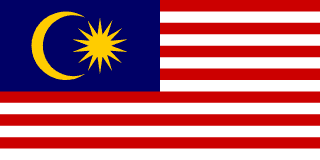
Welcome to Malaysia
Malaysia is a nation in Southeast Asia, consisting of Peninsular Malaysia and the states of Sabah and Sarawak on the island of Borneo.
These regions are separated by the South China Sea.
Malaysia shares land borders with Thailand, Indonesia and Brunei, while Singapore lies just across the Johor Strait.
Its capital is Kuala Lumpur, while Putrajaya serves as the federal administrative centre.
Important cities include George Town, Johor Bahru, Ipoh, Melaka, Kuching, Kota Kinabalu, Shah Alam and Alor Setar.
Malaysia is known for its cultural diversity, historic cities, tropical wildlife, cuisine, architecture, technology and beautiful landscapes.
But Malaysia is much more than its landmarks and economic achievements.
It is parents raising children, teachers guiding students, farmers growing food, nurses caring for patients and grandparents preserving memories.
It is also people experiencing poverty, loneliness, illness, discrimination, homelessness or uncertainty about the future.
"To understand Malaysia, we must discover the humanity behind its flag."
🏡 A Day in the Life of Malaysia
Imagine an ordinary morning somewhere in Malaysia.
In Kuala Lumpur, a commuter boards a train on the way to work.
In George Town, a food vendor prepares breakfast for customers.
In Melaka, a shopkeeper opens a business along a historic street.
In Johor Bahru, a factory worker prepares for another shift.
In Sabah, a teacher welcomes children into a rural classroom.
In Sarawak, a family prepares for a day involving work, school and community activities.
In the Cameron Highlands, a farmer tends vegetables or tea plants.
Along the coast, a fisher prepares a boat for another day at sea.
A grandmother shares a family story. A nurse comforts a patient. A student dreams of becoming an engineer.
Some households enjoy secure employment, comfortable housing and extensive educational opportunities.
Others struggle with low wages, insecure housing, medical expenses or limited access to services.
🏛️ Ancient Heritage and Maritime Civilizations
The lands of present-day Malaysia have been inhabited for thousands of years.
Early Human History
Archaeological discoveries in the Lenggong Valley and the Niah Caves provide evidence of ancient human settlement and activity.
Maritime Trading Routes
Malaysia's location between the Indian Ocean and the South China Sea made it an important region for trade.
Merchants from China, India, Southeast Asia and the Middle East exchanged goods, knowledge and ideas.
Early Kingdoms
Different Malay and regional kingdoms developed political, trading and religious institutions over centuries.
The Sultanate of Melaka
During the fifteenth century, Melaka became a major centre of maritime trade and Islamic scholarship.
Its port brought together people from numerous cultural and linguistic backgrounds.
Living Heritage
The legacy of these exchanges remains visible in Malaysia's languages, food, architecture, clothing and customs.
"History reminds us that cultures grow not only through what makes them different, but also through what people share."
📜 Colonial Rule and the Changing World
European powers became increasingly involved in the Malay Peninsula through trade and territorial expansion.
Portuguese Melaka
Portuguese forces captured Melaka in 1511, beginning an extended period of European colonial involvement.
Dutch Rule
The Dutch captured Melaka in 1641 and later transferred it to British administration under nineteenth-century arrangements.
British Influence
British control expanded across parts of the peninsula, particularly through the Straits Settlements and Malay states.
Colonial economic development included tin mining, rubber cultivation, ports and transportation infrastructure.
Migration and Communities
Chinese and Indian migration contributed significantly to mining, plantations, trade and the development of urban communities.
Migration occurred under varied circumstances, including difficult labour conditions and forms of exploitation.
Sabah and Sarawak
The territories now known as Sabah and Sarawak experienced different colonial histories, including rule by the Brooke dynasty in Sarawak and the British North Borneo Company in North Borneo.
Long-Term Effects
Colonial policies influenced land ownership, employment, political representation and relationships among communities.
Understanding this history helps explain some of Malaysia's modern social and economic structures.
"The history of a nation is also the story of the workers, families and communities who lived through decisions made by distant rulers."
🕯️ Malaysia and the Second World War
The Second World War brought military invasion, occupation, hardship and suffering to communities across present-day Malaysia.
The Japanese Invasion
Japanese forces invaded British Malaya in December 1941.
Following rapid military advances, Singapore fell in February 1942.
Occupation and Hardship
Under Japanese occupation, civilians experienced food shortages, forced labour, persecution and violence.
Some ethnic Chinese communities were especially targeted in Japanese military repression.
Resistance
Different groups resisted Japanese occupation through intelligence gathering, guerrilla operations and other activities.
Sabah and Sarawak
North Borneo and Sarawak also experienced Japanese occupation and serious wartime suffering.
The Sandakan Death Marches
In 1945, Allied prisoners of war were forced on brutal marches in North Borneo.
Most of the prisoners held at Sandakan did not survive captivity and the associated marches.
The suffering of prisoners and local civilians remains an important part of remembrance.
After the War
Japanese surrender in 1945 was followed by renewed British administration and growing demands for political independence.
"The memories of war should encourage us to protect the lives of those who come after us."
🕯️ The Malayan Emergency and Its Human Cost
From 1948 to 1960, Malaya experienced a prolonged conflict known as the Malayan Emergency.
Armed Insurgency
The Malayan Communist Party and its armed forces fought British colonial authorities and the Malayan government.
Attacks, ambushes and fighting affected military personnel, police and civilians.
Counterinsurgency
British, Commonwealth and local security forces carried out extensive operations against insurgents.
Resettlement
Hundreds of thousands of people, many from rural Chinese communities, were relocated into settlements known as New Villages.
Some experienced restrictions, uncertainty and major disruption to everyday life.
Families and Loss
People were killed, injured, detained or displaced during the conflict.
Families lived with fear of violence and separation.
End of the Emergency
The main Emergency formally ended in 1960, although communist insurgent activities continued in different forms until later peace arrangements.
The Lesson of History
Military and political conflicts should be understood through the experiences of ordinary people as well as the decisions of leaders.
🇲🇾 Independence and the Formation of Malaysia
August 31, 1957
The Federation of Malaya gained independence from Britain on August 31, 1957.
Tunku Abdul Rahman became the country's first prime minister.
Independence followed political negotiation and cooperation among leaders from different communities.
September 16, 1963
The Federation of Malaysia was formed on September 16, 1963.
It brought together the Federation of Malaya, Sabah, Sarawak and Singapore.
Singapore
Singapore separated from Malaysia and became an independent country on August 9, 1965.
Confrontation
Indonesia opposed the formation of Malaysia under President Sukarno, leading to the conflict known as Konfrontasi from 1963 to 1966.
Military personnel and civilians experienced danger and loss during border operations and attacks.
A Continuing National Journey
Malaysia developed rapidly after independence, expanding education, infrastructure, industry and international connections.
However, inequality, regional differences and questions about political representation continued to shape the nation.
"A flag represents a nation, but its greatest meaning comes from the people whose lives it represents."
🤝 Unity in a Nation of Many Cultures
Malaysia's national motto is Bersekutu Bertambah Mutu, commonly translated as "Unity Is Strength."
The country's people have many languages, customs, faiths and family histories.
Rukun Negara
The Rukun Negara, introduced in 1970, sets out national principles promoting unity, constitutional government, the rule of law and good conduct.
Malaysia's Diversity
Malay, Chinese, Indian and Indigenous communities contribute to the country's cultural and social life.
People from different backgrounds often study, work, trade and live alongside one another.
Historical Tensions
Malaysia has experienced serious ethnic tensions, including the deadly violence of May 13, 1969.
The events remain an important reminder of the danger of political division and communal hostility.
Equality and Belonging
Policies concerning ethnicity, economic opportunity, religion and education remain subjects of public debate.
Different Malaysians may experience those policies differently.
"We do not have to be the same to belong together."
🏛️ Government, Democracy and Civic Life
Malaysia is a federal constitutional monarchy with a parliamentary system.
Its monarch, the Yang di-Pertuan Agong, is selected according to the country's constitutional arrangements.
Parliament consists of the Dewan Rakyat and Dewan Negara.
Government leadership and the distribution of powers are established through constitutional and parliamentary institutions.
Malaysia includes thirteen states and three federal territories.
Public Participation
Malaysians participate in elections, community organizations, public discussion and peaceful civic activities.
Public Priorities
Political debates include employment, taxation, education, housing, religious freedom, corruption, environmental protection and healthcare.
Rights and Freedoms
Human rights organizations have raised concerns about restrictions on expression, assembly and certain minority rights.
Government authorities have emphasized public order, national security and social stability among their responsibilities.
Citizens have diverse political beliefs, and no party or leader represents every Malaysian person's experience.
"A strong nation protects the dignity of every citizen while encouraging peaceful participation and accountability."
🌍 Malaysia's Languages, Peoples and Communities
Malaysia is home to many distinct ethnic, linguistic and cultural communities.
Languages
Malay, known as Bahasa Melayu, is the national language.
English, Mandarin, Tamil, regional Chinese languages and numerous Indigenous languages are also used.
Malay Communities
Malay cultural traditions contribute significantly to the country's language, food, literature and history.
Chinese Malaysian Communities
Chinese Malaysians have contributed to commerce, education, culture, industry and many other areas.
Indian Malaysian Communities
Indian Malaysians include Tamil and other communities with distinctive cultural, religious and linguistic traditions.
Orang Asli
Peninsular Malaysia is home to the Orang Asli, a collective term referring to diverse Indigenous peoples with different languages and traditions.
Sabah and Sarawak
Indigenous communities include Kadazan-Dusun, Bajau, Murut, Iban, Bidayuh and many other peoples.
Many maintain longstanding connections to customary lands, rivers, forests and traditional livelihoods.
Land and Cultural Rights
Some Indigenous communities face difficulties involving land recognition, development pressures, poverty and access to public services.
❤️ Family, Friendship and Community
Family relationships play important roles in many Malaysian households.
Some households include grandparents, parents and children living together or nearby.
Others include smaller families, single parents, couples or people living alone.
Different cultural traditions shape weddings, holidays, meals and community gatherings.
Many families celebrate Hari Raya, Chinese New Year, Deepavali, Christmas or regional cultural festivals.
Some families enjoy financial security and extensive support networks.
Others face caregiving responsibilities, debt, illness, loneliness or economic uncertainty.
Migration for employment can create opportunities but also separate families for long periods.
Compassion within families and communities helps people overcome hardship.
"A family or community becomes stronger when every person knows they are valued and loved."
🎵 Malaysia's Culture and Traditions
🍲 Food
Nasi lemak, laksa, roti canai, satay, rendang, char kway teow and many regional dishes reflect Malaysia's cultural diversity.
🎶 Music and Dance
Traditional Malay music, Chinese and Indian performances, Indigenous music, contemporary pop and regional dances enrich cultural life.
🧵 Batik and Weaving
Batik textiles, songket weaving, beadwork and other crafts preserve skills and traditions.
🏮 Celebrations
Hari Raya Aidilfitri, Chinese New Year, Deepavali, Gawai Dayak and Kaamatan are among important celebrations.
🏛️ Historic Cities
Melaka and George Town preserve architecture and cultural traditions shaped by centuries of maritime trade.
🏸 Sports
Badminton, football, sepak takraw, motorsport and other sports bring communities together.
🎓 Children, Education and Opportunity
Children throughout Malaysia attend schools, build friendships and imagine their futures.
The country has public and private schools, universities and vocational institutions.
Many students pursue interests in science, mathematics, medicine, engineering, music, sport and technology.
However, access to educational opportunities varies between families and regions.
Some children in remote parts of Sabah and Sarawak face long journeys to school or limited facilities.
Children in low-income households may struggle with transportation costs, nutrition or learning resources.
Children with disabilities may need additional support and accessible services.
Refugee and undocumented children can face particular barriers to formal schooling.
Every child deserves safety, nutritious food, friendship, encouragement and meaningful learning opportunities.
"The promise of a nation lives in the opportunities it creates for every child."
🕊️ Faith, Spirituality and Beliefs
Malaysia has a rich religious and spiritual heritage.
Islam is the religion of the Federation under the Constitution, which also provides for other religions to be practised in peace and harmony.
Muslim communities form a majority of the population.
Buddhist, Christian, Hindu, Sikh, Taoist and other religious traditions also contribute to national life.
Indigenous spiritual traditions remain important to some communities.
Others hold secular or non-religious beliefs.
Places of Worship
Mosques, temples, churches, gurdwaras and other religious sites reflect Malaysia's cultural diversity.
Freedom and Respect
Religious rights, conversion rules and the relationship between civil and religious law are subjects of public discussion and legal complexity.
Every person deserves respect and protection from religious hatred or discrimination.
"We can honour our own beliefs while showing compassion to those who believe differently."
🌿 Rainforests, Mountains, Islands and Wildlife
Malaysia is internationally recognized for its biological diversity and spectacular landscapes.
Mount Kinabalu
Mount Kinabalu, in Sabah, is among Southeast Asia's most prominent mountains.
Kinabalu Park is a UNESCO World Heritage Site.
Gunung Mulu National Park
Located in Sarawak, Gunung Mulu National Park is celebrated for limestone landscapes, caves, rainforests and unique ecosystems.
Peninsular Rainforests
Peninsular Malaysia contains ancient tropical forests with remarkable plant and animal diversity.
Wildlife
Malaysia is home to orangutans, Malayan tigers, elephants, hornbills, sun bears and many other species.
Marine Ecosystems
Coastal and island environments support coral reefs, sea turtles, fish and fishing communities.
Environmental Challenges
Deforestation, habitat fragmentation, flooding, pollution, climate change and land development place pressure on ecosystems.
Conservation efforts must also respect the rights and needs of local and Indigenous communities.
"The natural world is a shared inheritance, and protecting it is an act of care for future generations."
🛠️ Work, Healthcare and Everyday Needs
Malaysians work in manufacturing, healthcare, education, technology, agriculture, tourism, finance, transport and numerous other fields.
Electronics and semiconductor-related industries are important parts of Malaysia's economy.
Small businesses and family enterprises provide livelihoods across the country.
Many migrant workers contribute to construction, plantations, manufacturing and household services.
Some migrant workers face concerns involving wages, recruitment debt, working conditions and access to legal protection.
Malaysia has public and private healthcare services, but access and affordability vary.
Residents of remote communities may face long journeys to specialized medical treatment.
Some households experience difficulty meeting food, rent, transport and childcare expenses.
Every individual deserves meaningful work, safe housing, nutritious food and accessible healthcare.
🌧️ Challenges Facing Malaysia
Malaysia has achieved important social and economic progress, but many individuals and communities continue to experience hardship.
Poverty and Financial Security
Malaysia's Department of Statistics reported an absolute household poverty rate of 5.1% in 2024. The relative poverty rate was 16.7%. These are different measures and should not be confused.
Regional Inequality
Sabah recorded 17.7% absolute poverty in 2024, compared with the national 5.1%. Rural communities may experience additional challenges.
Housing and Homelessness
Some people face insecure accommodation, high housing costs, overcrowding or homelessness.
Mental Health
Anxiety, depression, loneliness, trauma and stress can affect people of every age and background.
Indigenous and Migrant Rights
Some communities experience barriers involving land protection, employment, documentation, education and access to services.
Climate and Flooding
Severe floods, extreme rainfall, heat and environmental degradation can threaten homes, livelihoods and community safety.
🎖️ Honouring Malaysian Soldiers, Veterans and Peacekeepers
Malaysia's military history includes colonial-era service, the Second World War, the Malayan Emergency, national defence and international peacekeeping.
The Second World War
Military personnel and civilians endured Japanese invasion, occupation, resistance and major losses.
The stories of those who died, including prisoners of war and local civilians, deserve remembrance.
The Malayan Emergency
Security forces, insurgents and civilians experienced years of violence during the conflict from 1948 to 1960.
Historical remembrance requires compassion for victims and honesty about the human consequences of armed conflict.
Confrontation
Malaysian forces served during the Indonesia-Malaysia Confrontation of 1963–1966.
Personnel were killed or injured, while families faced uncertainty and loss.
The Malaysian Armed Forces
Malaysia's armed forces include army, navy and air force personnel involved in national defence and authorized security duties.
United Nations Peacekeeping
Malaysia began contributing to United Nations peacekeeping in 1960.
According to Malaysia's April 2026 statement to the United Nations, the country had participated in more than 38 peacekeeping operations and deployed approximately 40,000 military and police peacekeepers over time.
Service in Lebanon
Malaysian personnel have served with the United Nations Interim Force in Lebanon, including through MALBATT contingents.
Such service involves responsibilities and risks far from home.
Veterans and Families
Veterans may experience physical injuries, psychological trauma, grief or difficulties adjusting to civilian life.
Military families also carry the effects of separation and loss.
Remembering Civilians
Honouring military service must include compassion for civilians harmed by war, occupation, displacement and violence.
Recognition of service never excuses violations of human rights or humanitarian law.
"The highest purpose of military service is the protection of human life and the hope of a safer world."
🤝 Malaysians Helping One Another
Throughout Malaysia, volunteers, charities, religious organizations and community groups assist people experiencing hardship.
Some provide food, shelter, clothing, healthcare support and educational supplies.
Others assist older adults, vulnerable children, people with disabilities and individuals facing homelessness.
Volunteers and emergency workers help families affected by floods and natural disasters.
Community organizations also support migrant workers, refugees and Indigenous families facing difficulties.
Many Malaysians share food and hospitality across cultural and religious traditions.
These everyday acts remind us that kindness does not belong to any single community.
"Humanity becomes stronger whenever one person chooses to help another."
🌅 Malaysia's Dreams for Tomorrow
Imagine a Malaysia where every child grows up in a safe and loving home.
Where all families can afford nutritious food, housing and healthcare.
Where young people have meaningful opportunities to learn, work and create.
Where people experiencing homelessness receive stable housing and practical support.
Where older adults enjoy dignity, companionship and accessible care.
Where mental health difficulties are met with compassion and treatment.
Where Indigenous communities can protect their traditions, languages and customary lands.
Where migrant workers receive fair treatment, safe conditions and respect.
Where regional differences in poverty and public services continue to narrow.
Where religious and cultural differences are approached with understanding.
Where no child experiences discrimination because of background or circumstance.
Where veterans and their families receive recognition and appropriate support.
Where forests, wildlife, rivers and coral reefs are preserved for future generations.
Where international cooperation helps prevent war and protect civilians.
And where every individual can live with freedom, belonging, dignity and peace.
"A nation's greatest achievement is a future where every human life has the opportunity to flourish."
🌎 Your Journey of Understanding
You have explored Malaysia's history, independence, cultural diversity, rainforests, peacekeeping and the challenges faced by ordinary people.
Now consider three reflections connecting your mind, heart and spirit. Click each question to reveal its reflection.
🧠 MENTALLY - What have you learned?
Before this journey, what came to mind when you thought of Malaysia?
The Petronas Towers? Tropical islands? Delicious food? Rainforests?
Did you also consider the Japanese occupation, the Malayan Emergency, the formation of Malaysia in 1963, Indigenous communities and Malaysian peacekeeping in Lebanon?
What does Malaysia's diversity teach us about the difference between unity and uniformity?
Why is it important to understand the experiences of workers, Indigenous peoples and families alongside national achievements?
How might your view of Malaysia change after hearing an ordinary person's story?
❤️ EMOTIONALLY - What touched your heart?
Imagine a child in Sabah travelling a long distance to attend school.
A family remembering relatives who suffered during the Japanese occupation.
An Indigenous elder worried that ancestral land or cultural traditions may be lost.
A migrant worker far from home hoping to support a family.
A parent struggling to afford food, housing and medicine.
A Malaysian peacekeeper serving far away while loved ones wait for news.
A volunteer helping a family whose home was damaged by flooding.
Which of these stories touches your heart most deeply?
How could compassion turn understanding into meaningful action?
🕊️ SPIRITUALLY - What connects us?
Malaysia is home to many cultures, religions and languages.
What can its national ideal of unity teach humanity?
Can people celebrate their own traditions while respecting someone else's?
How can communities respond to inequality without allowing prejudice or resentment to divide them?
Can we honour soldiers and peacekeepers while also working to prevent the wars that place them in danger?
What does inner peace mean when someone nearby is struggling with poverty, loneliness or discrimination?
Can true unity begin with recognizing the humanity of one individual?
What small act of kindness could you offer today to remind someone that they matter?
The Malaysia Behind the Flag
Somewhere in Malaysia, a mother prepares breakfast for her children.
A teacher welcomes students into a classroom.
A fisher guides a boat across tropical waters.
A farmer tends crops beneath the morning sun.
A grandparent shares stories passed through generations.
A nurse comforts a patient.
An Indigenous elder teaches younger relatives about the forest.
A volunteer helps a family recover after flooding.
A peacekeeper remembers a fallen friend.
A student dreams of a world where friendship is stronger than prejudice.
And somewhere, a young person hopes to build a future where every human life is valued equally.
"Mountains rising above the clouds.
Rainforests sheltering extraordinary life.
Many cultures sharing one homeland.
Countless human stories.
One shared humanity."
That is the Malaysia behind the flag.
Return to Beginning Explore Another NationSources and Further Reading
Learn more about Malaysia's history, poverty, cultural heritage, environment and contributions to peacekeeping.
Government of Malaysia - National History and Formation
Department of Statistics Malaysia - Poverty in Malaysia 2024
OpenDOSM - Historical Poverty Statistics
UNESCO - Malaysia World Heritage Sites
World Bank - Malaysia Overview
National Army Museum - The Malayan Emergency
Australian War Memorial - Malayan Emergency
United Nations - Malaysian Peacekeeping
Malaysia's Mission to the United Nations - Peacekeeping Statement, April 2026
Encyclopaedia Britannica - Malaysia History and Society
This page provides a broad, human-centred introduction and does not represent every Malaysian person's experiences, beliefs or political views.