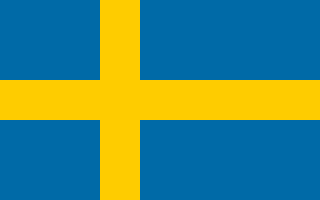
Welcome to Sweden
Sweden, officially the Kingdom of Sweden, is a country in northern Europe on the Scandinavian Peninsula.
It borders Norway and Finland and is connected by bridge and tunnel to Denmark.
Its capital and largest city is Stockholm.
Other major cities include Gothenburg, Malmö, Uppsala, Västerĺs, Örebro, Linköping, Helsingborg, Lund and Umeĺ.
Sweden is known for its forests, lakes, northern lights, cultural traditions, innovation, social institutions and commitment to environmental protection.
But Sweden is far more than its famous scenery, economic achievements or international reputation.
It is parents raising children, teachers encouraging students, nurses caring for patients, workers supporting communities and grandparents preserving memories.
It is also people experiencing poverty, homelessness, discrimination, addiction, mental health challenges, loneliness or family separation.
"To understand Sweden, we must discover the humanity behind its flag."
🏡 A Day in the Life of Sweden
Imagine an ordinary morning somewhere in Sweden.
In Stockholm, a parent prepares breakfast before the children leave for school.
In Gothenburg, a shipyard worker or engineer begins another day.
In Malmö, a nurse starts a shift caring for patients.
In Uppsala, a university student prepares for lectures.
In a rural community, a farmer tends fields or livestock.
In northern Sweden, a Sámi family continues traditions connected with language, culture and the land.
In a small town, a senior watches the snow fall and hopes someone will visit.
In another household, a parent worries about rent, heating expenses or the cost of food.
Some families enjoy comfortable homes, stable employment and strong community relationships.
Others face financial insecurity, disability, loneliness or difficulty obtaining appropriate support.
🏛️ Sweden's Ancient Heritage
People have inhabited the territory of modern Sweden for thousands of years.
Early Communities
Following the last Ice Age, communities developed hunting, fishing, farming and trading traditions.
Bronze Age
Rock carvings, burial sites and archaeological remains reveal evidence of ancient beliefs and social life.
Iron Age
Settlements and trading connections developed throughout Scandinavia and neighbouring regions.
People and the Land
Rivers, forests and coastlines shaped how communities travelled, worked and survived.
Different Cultures
The history of northern Scandinavia also includes Indigenous Sámi communities whose heritage extends across national borders.
"The story of a nation begins with generations of ordinary people whose lives were shaped by the land around them."
⛵ The Viking Age and Connections Across the World
During approximately the eighth through eleventh centuries, Scandinavian peoples participated in extensive maritime networks.
Seafaring
Ships allowed people to travel across the Baltic Sea, rivers and distant trading routes.
Trade
Merchants exchanged goods with communities across Europe and beyond.
Eastern Routes
People from areas of present-day Sweden travelled along river systems connecting northern Europe with the Byzantine Empire and regions farther east.
Settlements
Communities developed trading centres, crafts, agriculture and political institutions.
Violence and Raiding
The Viking Age also included raiding, warfare, enslavement and suffering among affected populations.
The Human Lesson
Historical achievement must be understood alongside the harm experienced by people subjected to violence.
👑 The Swedish Kingdom and Changing Society
Sweden developed as a kingdom through centuries of political, religious and cultural change.
Christianization
Christianity gradually became established in medieval Sweden alongside older traditions.
Medieval Communities
Farming, trade, mining and local governance contributed to the development of towns and villages.
Gustav Vasa
Gustav Vasa became king in 1523, a date associated with Sweden's emergence from the Kalmar Union.
The Reformation
Religious and political changes transformed the country's institutions.
Swedish Language and Culture
Education, writing and cultural traditions developed through successive generations.
Ordinary Families
Historical events affected farmers, miners, craftspeople, soldiers, parents and children.
"History is not only the story of rulers. It is also the story of the families who lived through their decisions."
🎖️ Sweden's Historical Wars and the Cost of Conflict
Sweden's military history includes centuries of European warfare.
The Swedish Empire
During the seventeenth century, Sweden emerged as an influential military power in northern Europe.
The Thirty Years' War
Swedish forces participated in the Thirty Years' War, which devastated many communities across Central Europe.
The Great Northern War
From 1700 to 1721, Sweden fought a major conflict against a coalition including Russia and other powers.
Soldiers and Families
Military campaigns caused death, injury, hardship and separation.
Civilian Suffering
War affected communities through destruction, taxation, shortages and displacement.
1814
Sweden's last war as a belligerent was the short campaign against Norway in 1814.
A Different Direction
Sweden subsequently avoided participation as a belligerent in European wars for more than two centuries.
"The purpose of remembering war is not to celebrate suffering, but to understand the value of peace."
🕯️ Sweden and the Two World Wars
Sweden remained officially neutral during both the First and Second World Wars.
The First World War
Although Sweden did not enter the war, its people experienced shortages, economic disruption and political pressures.
The Second World War
Sweden again remained outside the conflict as a belligerent.
Neutrality Under Pressure
Swedish decisions during the war included concessions to Nazi Germany, such as continued trade and certain transit arrangements, which remain subjects of historical examination.
Refugees
Sweden also received refugees fleeing persecution and warfare.
Raoul Wallenberg
Swedish diplomat Raoul Wallenberg helped protect thousands of Hungarian Jews during the Holocaust by issuing protective documents and organizing safe houses.
Humanitarian Efforts
Swedish individuals and organizations participated in rescue and relief work during the war.
Remembering Truthfully
Sweden's wartime history includes both humanitarian actions and difficult political compromises.
"Humanity is honoured when we remember not only those who fought, but also those who risked themselves to save strangers."
🌍 The Sámi - Sweden's Indigenous People
The Sámi are Indigenous people whose traditional homeland, Sápmi, spans parts of Sweden, Norway, Finland and Russia.
Language and Culture
Sámi communities maintain distinct languages, music, crafts, family histories and traditions.
Reindeer Herding
Reindeer herding remains an important livelihood and cultural practice for some Sámi communities.
Different Ways of Life
Sámi individuals also work in education, healthcare, technology, business, the arts and many other professions.
Historical Injustices
Swedish state policies included forced assimilation, racial-biological research, discriminatory educational practices and restrictions affecting Sámi rights.
Land and Resources
Disagreements involving mining, forestry, energy development and traditional land use continue to affect some communities.
Recognition and Rights
The Sámi Parliament in Sweden was established in 1993.
Truth and Reconciliation
Efforts to investigate historical treatment of Sámi people continue to inform discussions about rights, culture and historical responsibility.
"A nation's future is strengthened when it respects the people whose traditions have long been connected to the land."
❤️ Social Development and the Welfare State
During the twentieth century, Sweden developed an extensive system of social insurance and public services.
Healthcare
Publicly financed healthcare became an important part of Swedish society.
Education
Sweden developed broad access to schooling and higher education.
Family Support
Parental leave, childcare and child-related benefits support many households.
Older Adults
Pensions and municipal care services help support older people.
Labour Relations
Trade unions and employer organizations have played important roles in negotiations about wages and working conditions.
Continuing Challenges
Access, affordability, staffing and differences in individual circumstances remain important public concerns.
"A caring society is not one where nobody struggles, but one where people do not have to face hardship entirely alone."
🏛️ Democracy, Government and Civic Life
Sweden is a constitutional monarchy with a parliamentary system of government.
The Riksdag
The Riksdag is Sweden's national parliament, consisting of 349 members.
Prime Minister
The prime minister leads the government.
The Monarch
The monarch serves as head of state with primarily ceremonial duties.
Public Participation
Citizens participate in elections, community organizations, journalism and peaceful public demonstrations.
Public Priorities
Important issues include healthcare, education, immigration, crime prevention, employment, housing and national security.
Different Perspectives
Swedish residents have varied political views, and no party or institution represents every individual.
Rights and Accountability
Democratic institutions depend on lawful government, fundamental rights, independent scrutiny and public participation.
"Democracy becomes meaningful when people can disagree peacefully while recognizing one another's equal worth."
🕊️ Sweden, Security and NATO Membership
Sweden's approach to national defence changed significantly during the early twenty-first century.
Military Non-Alignment
For generations, Sweden maintained a policy of military non-alignment while cooperating with international partners.
Ukraine
Russia's full-scale invasion of Ukraine in February 2022 was a major factor in Sweden's reassessment of its security policy.
May 2022
Sweden applied to join NATO.
March 7, 2024
Sweden became NATO's thirty-second member.
Collective Defence
NATO membership places Sweden within the alliance's system of collective defence.
Public Debate
National security, military spending, regional stability and international cooperation remain subjects of public discussion.
Families and Peace
Decisions about defence have direct consequences for military personnel and the families who love them.
"The greatest purpose of defence is to help protect a future in which families can live without fear."
🌍 Sweden's Languages and Communities
Sweden is home to people with diverse cultures, languages and family histories.
Swedish
Swedish is the country's principal and official language.
National Minorities
Recognized national minorities include Sámi, Swedish Finns, Tornedalians, Roma and Jews.
Minority Languages
Protected national minority languages include Sámi languages, Finnish, Meänkieli, Romani Chib and Yiddish.
Migration
Sweden is also home to communities with family roots in the Middle East, Africa, Asia, other European countries and beyond.
Different Experiences
Some people experience discrimination, racism or barriers to employment and housing.
Belonging
A person's heritage may be an important part of identity, but no community shares only one perspective or experience.
❤️ Family, Friendship and Community
Family relationships in Sweden take many forms.
Some households include parents, children and relatives living nearby.
Others include single parents, couples, smaller households or people living alone.
Childhood
Parents and caregivers support children through school, friendships and personal development.
Grandparents
Older relatives preserve family histories and provide companionship and guidance.
Older Adults
Some seniors experience loneliness, financial concerns or difficulties accessing suitable care.
Family Separation
Refugees and migrants may have loved ones living in distant countries.
Everyday Kindness
Neighbours, friends and volunteers offer help during illness, grief or other hardships.
"Belonging begins with the knowledge that someone sees us, hears us and cares whether we are well."
🎵 Swedish Culture and Traditions
☕ Fika
Fika, the tradition of taking a coffee break with conversation or something to eat, is an important social custom for many people.
🎶 Music
Swedish music includes folk traditions, classical works, contemporary pop, choral music and many other styles.
🍲 Food
Meatballs, crispbread, gravlax, cinnamon buns and regional dishes are part of Sweden's food traditions.
🎉 Celebrations
Midsummer, Lucia, Christmas and many regional events bring families and communities together.
📚 Literature
Astrid Lindgren, Selma Lagerlöf and other writers contributed important works to children's literature and world culture.
🏒 Sports
Ice hockey, football, skiing, handball, athletics and other sports inspire community participation.
🎓 Children, Education and Opportunity
Children throughout Sweden attend school, make friends and develop hopes for their futures.
Sweden has public education, universities, vocational programmes and other learning opportunities.
Different Circumstances
Children's experiences vary depending on family income, disability, housing, language and personal circumstances.
Children with Disabilities
Accessible education and supportive services help children participate in school and community life.
Mental Health
Some young people experience anxiety, depression, loneliness, bullying or other emotional difficulties.
Children in Vulnerable Households
Financial insecurity can affect nutrition, housing, recreation and educational opportunities.
Children of Refugees
Some children arrive after experiencing conflict, displacement or family separation.
Every Child Matters
Every child deserves safety, healthy food, education, friendship, encouragement and love.
"A child's value can never be measured by grades, family income or the country where they were born."
🕊️ Faith, Spirituality and Freedom of Belief
Sweden has a varied religious and spiritual history.
Christian Heritage
Lutheran Christianity has had a major influence on Sweden's history and cultural traditions.
Religious Diversity
Sweden is home to Catholic, Orthodox, Muslim, Jewish, Buddhist, Hindu and other religious communities.
Non-Religious Residents
Many people identify as non-religious or express spirituality in personal ways.
Freedom of Conscience
Individuals deserve respect whether they practise a religion, question their beliefs or hold none.
Community Service
Religious and secular organizations assist people experiencing homelessness, loneliness, illness and other hardships.
Inner Peace
Prayer, reflection, meditation, nature and service may offer comfort or meaning.
"Peace within ourselves becomes love without when it inspires kindness toward people whose beliefs differ from our own."
🌿 Forests, Lakes, Mountains and Northern Lights
Sweden contains extraordinary natural diversity.
Forests
Large forests support wildlife, recreation and important economic activities.
Lakes
Sweden has thousands of lakes, including Vänern and Vättern.
Swedish Lapland
Northern Sweden contains mountains, forests, rivers and landscapes connected with Sámi cultural heritage.
Northern Lights
The aurora borealis can be seen during suitable conditions, particularly in northern Sweden.
The Baltic Sea
Coastal environments and islands support important marine habitats and communities.
Gotland
The island of Gotland preserves medieval heritage, coastal landscapes and distinctive cultural traditions.
Allemansrätten
Sweden's right of public access allows people to enjoy much of the countryside while respecting nature, property and others.
Environmental Challenges
Climate change, biodiversity loss, forestry practices, pollution and changing ecosystems present continuing concerns.
"Nature offers us beauty, peace and resources for life. Protecting it is part of caring for future generations."
🛠️ Work, Healthcare and Everyday Needs
People in Sweden work in healthcare, education, engineering, technology, manufacturing, agriculture, forestry, transportation and many other sectors.
Public services and social insurance help many households.
Sweden has a publicly financed healthcare system, although access and waiting times vary depending on the region and type of treatment.
Some residents experience difficulties involving housing availability, employment, disability support or everyday expenses.
Young adults may find it difficult to obtain suitable housing in larger cities.
Some older adults need additional care or companionship.
Every person deserves meaningful work, adequate food, safe housing, accessible healthcare and dignity.
🌧️ Challenges Facing People in Sweden
Sweden enjoys high average living standards, but significant personal and social challenges remain.
Financial Hardship
In 2025, approximately one in ten people aged 16 or older reported difficulty or great difficulty making ends meet, according to Statistics Sweden.
Household Inequality
Single parents and foreign-born residents are among groups reporting greater financial pressures.
Housing and Homelessness
Some individuals experience housing shortages, insecure accommodation, overcrowding or homelessness.
Mental Health and Loneliness
Depression, anxiety, grief, trauma and isolation can affect people of every age and background.
Violence and Public Safety
Organized criminal violence, including shootings and explosions, has affected some communities and raised public concerns about safety and prevention.
Discrimination
Some Indigenous, minority, migrant and other communities experience prejudice or barriers to equal opportunity.
🎖️ Honouring Swedish Soldiers, Veterans and Peacekeepers
Sweden's military history includes the wars of earlier centuries, national defence, international peacekeeping and humanitarian operations.
Historical Soldiers
Swedish military personnel served in European wars, including the Thirty Years' War and Great Northern War.
The Human Cost
Many soldiers died or returned injured, while families carried the consequences of loss and separation.
Modern Armed Forces
The Swedish Armed Forces include the Army, Navy and Air Force and support national defence and international cooperation.
Conscription
Sweden reactivated military conscription in 2017, with gender-neutral selection for eligible citizens.
United Nations Peacekeeping
Swedish military, police and civilian personnel have participated in international peacekeeping and peace-support operations.
Congo
Swedish personnel served in the United Nations Operation in the Congo during the 1960s.
Other International Missions
Swedish personnel have served in missions in the Balkans, Afghanistan, Mali and other locations under differing international arrangements.
NATO Membership
Since March 7, 2024, Sweden has been part of NATO's collective defence system.
Veterans and Their Families
Veterans may experience injury, grief, psychological trauma or challenges returning to civilian life.
Remembering Civilians
Honouring military service also means remembering civilians harmed by military operations, persecution and displacement.
The Responsibility of Peace
Military service, national security and international cooperation should ultimately serve the protection of human life.
"The greatest tribute to soldiers and peacekeepers is a future where children can live without fear of war."
🤝 Swedes Helping One Another
Across Sweden, charities, volunteers, religious institutions, civic organizations and public services support people experiencing hardship.
Some provide food, shelter, counselling and assistance with essential expenses.
Others help older adults, children, people with disabilities and individuals experiencing homelessness.
Community organizations support refugees, newcomers and people affected by discrimination.
Volunteers and healthcare workers help people through grief, illness and difficult personal circumstances.
Swedish organizations also contribute to humanitarian assistance in countries affected by war or disaster.
These acts of service remind us that compassion crosses nationality, language and religion.
"Humanity becomes stronger whenever someone chooses to recognize another person's need and respond with kindness."
🌅 Sweden's Dreams for Tomorrow
Imagine a Sweden where every child grows up in a safe and loving home.
Where every family can afford nutritious food, secure housing and healthcare.
Where older adults receive dignity, companionship and appropriate care.
Where young people can pursue education, meaningful work and fulfilling lives.
Where people experiencing homelessness find safe housing and practical assistance.
Where mental health difficulties are met with understanding and accessible treatment.
Where Sámi traditions, languages, lands and human rights are respected.
Where all cultural and religious communities enjoy equal dignity.
Where refugees and newcomers can find security, belonging and meaningful opportunities.
Where public safety is strengthened through prevention, accountability and support for vulnerable young people.
Where military personnel and veterans receive recognition and appropriate care.
Where international disagreements are addressed through diplomacy whenever possible.
Where forests, lakes, wildlife and the northern environment are preserved for future generations.
And where every individual can live with freedom, security, compassion, belonging and peace.
"A nation's greatest achievement is a future where every human life has the opportunity to flourish."
🌎 Your Journey of Understanding
You have explored Sweden's ancient heritage, Viking history, historical wars, neutrality, Indigenous Sámi traditions, social institutions, military service and everyday human challenges.
Now consider three reflections connecting your mind, heart and spirit. Click each question to reveal its reflection.
🧠 MENTALLY - What have you learned?
Before this journey, what came to mind when you thought of Sweden?
Forests? Lakes? Northern lights? Stockholm? Social welfare? Peace?
Did you also think about Sweden's historical wars, its complicated neutrality during the Second World War and the experiences of Sámi people?
How does Sweden's membership in NATO differ from its earlier military non-alignment?
Can a country enjoy economic prosperity while still having residents who struggle financially or emotionally?
Why is it important to understand both a country's achievements and its historical injustices?
What can Sweden's experiences teach us about the relationship between security, compassion and public responsibility?
❤️ EMOTIONALLY - What touched your heart?
Imagine a Swedish family waiting for a soldier to return from a historical war.
A Sámi child whose ancestors experienced discrimination and the suppression of their language.
A Jewish family finding protection during the Second World War.
A peacekeeper remembering people affected by conflict abroad.
A single parent struggling to cover the costs of food and housing.
An older adult spending long winter days alone.
A young person frightened by violence in the community.
A refugee family hoping to feel safe and welcome in a new country.
Which story touches your heart most deeply?
How might that feeling inspire a meaningful act of compassion?
🕊️ SPIRITUALLY - What connects us?
Sweden's history includes warfare, humanitarian service, social development and a changing approach to national security.
What can these different experiences teach us about humanity?
Can we honour those who defend their country while also working toward peaceful international relationships?
How can historical truth help a nation recognize and address injustices against Indigenous peoples?
What does inner peace mean for someone who is lonely, frightened or experiencing hardship?
Can a society be considered truly compassionate when some people feel invisible?
How can we extend care beyond our immediate families to people whose backgrounds differ from our own?
What small act of kindness could you offer today to help someone know that they matter?
The Sweden Behind the Flag
Somewhere in Sweden, a mother prepares breakfast for her children.
A teacher welcomes students into a classroom.
A nurse comforts a patient.
A farmer tends crops beside a quiet field.
A Sámi artisan preserves a traditional skill.
A grandparent remembers stories of an earlier generation.
A student studies beside a library window.
A volunteer brings food to someone in need.
A veteran remembers a fallen friend.
An older adult hopes someone will stop by for coffee.
A young person dreams of a world filled with opportunity and peace.
And somewhere, a child hopes for a future in which every human life is valued.
"Forests stretching beneath the northern sky.
Thousands of lakes reflecting the sunlight.
Families sharing stories across generations.
Hands reaching out in kindness.
Countless human lives.
One shared humanity."
That is the Sweden behind the flag.
Return to Beginning Explore Another NationSources and Further Reading
Explore Sweden's history, social conditions, Indigenous heritage, defence, human rights and natural environment.
Statistics Sweden - Official National Statistics
Statistics Sweden - Financial Hardship, October 2026
Eurostat - Poverty and Social Exclusion in Europe, 2025
Government of Sweden - Sweden's History with NATO
Swedish Armed Forces - Defence and International Service
Sámi Parliament - Sámi Culture and Rights
Sweden's National Minorities and Minority Languages
Living History Forum - Democracy, Holocaust and Human Rights Education
United Nations - Peacekeeping Contributions
UNHCR - Refugees and Displaced People
UNESCO - Sweden World Heritage
Encyclopaedia Britannica - Sweden's History and Society
This page provides a broad, human-centred introduction and does not represent every Swedish resident's personal experiences, beliefs or political views. Statistical claims refer to the reporting periods indicated, and historical responsibility must never be confused with collective guilt.