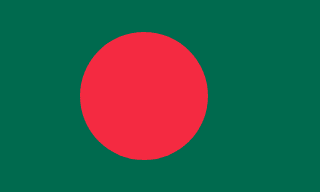
Welcome to Bangladesh
Bangladesh, officially the People's Republic of Bangladesh, is a country in South Asia bordered mainly by India, with Myanmar to the southeast and the Bay of Bengal to the south.
Its capital, Dhaka, is one of the largest and most active urban centres in the region.
Other cities include Chattogram, Khulna, Rajshahi, Sylhet, Barishal and Rangpur.
Bangladesh is known for its rivers, green landscapes, language, literature, textiles, traditional music and close family connections.
But its most important story is the story of its people.
Parents raising children. Teachers guiding students. Farmers growing rice. Fishers working on the rivers. Healthcare workers caring for patients.
And individuals experiencing poverty, illness, uncertainty, homelessness, displacement or grief.
"To understand Bangladesh, we must discover the humanity behind its flag."
🏡 A Day in the Life of Bangladesh
Imagine an ordinary morning somewhere in Bangladesh.
In Dhaka, a garment worker travels to a factory to begin a shift.
In Chattogram, a port worker prepares for another busy day.
In Sylhet, a family tends a tea garden or operates a local business.
In a rural village, a farmer checks rice fields while children prepare for school.
Near a river, a fisher sets out by boat.
In a town market, a shopkeeper welcomes the day's first customers.
A nurse prepares to care for patients. A teacher opens a classroom. A grandparent shares a story from childhood.
Some families live comfortably and enjoy many opportunities. Others struggle with rising expenses, overcrowded housing, uncertain employment or natural disasters.
📜 Bangladesh's History and Identity
The Bengal region has a long history shaped by ancient kingdoms, trade, agriculture, literature and diverse religious traditions.
Its cultural heritage includes Buddhist, Hindu, Islamic and many other influences.
Over the centuries, Bengal became an important centre for commerce, learning, craftsmanship and artistic expression.
Colonial Rule and Partition
Much of Bengal came under British colonial rule through the expansion of the East India Company and later the British Crown.
Colonial policies, economic changes and political struggles shaped the experiences of countless families.
In 1947, British India was partitioned into India and Pakistan.
The eastern part of Bengal became East Bengal within Pakistan, later commonly called East Pakistan.
East and West Pakistan were separated by more than a thousand kilometres of Indian territory and had significant linguistic, cultural and political differences.
Many people in East Pakistan increasingly sought recognition of their language, rights and political representation.
"A nation's identity is carried not only in its borders, but in the memories, languages and lives of its people."
🗣️ The Bengali Language Movement of 1952
The Bengali language is central to the history and cultural identity of Bangladesh.
Following the creation of Pakistan, political disagreements arose over which language or languages would receive official recognition.
Many Bengali-speaking people demanded recognition of Bangla as a state language.
On February 21, 1952, police fired on demonstrators in Dhaka during protests connected to the language movement.
Several people were killed, and their deaths became an enduring symbol of the struggle for language rights.
International Mother Language Day
February 21 is observed in Bangladesh as Language Martyrs' Day.
UNESCO proclaimed February 21 International Mother Language Day in 1999, recognizing the importance of linguistic and cultural diversity.
Today, the Shaheed Minar monument in Dhaka is an important place of remembrance.
"Every person deserves the dignity of being heard, including in the language of their heart."
🕯️ The Liberation War of 1971
One of the defining events in Bangladesh's modern history was the struggle for independence in 1971.
After the 1970 Pakistan general election, disputes over the transfer of political power created a severe crisis.
On March 25, 1971, the Pakistani military began a violent crackdown in East Pakistan.
Bangladesh's independence was declared during the events of March 26, and the Liberation War continued for approximately nine months.
Bangladeshi resistance forces, commonly known as the Mukti Bahini, fought against Pakistani military forces.
India became involved militarily in December 1971.
On December 16, 1971, Pakistani forces in East Pakistan surrendered, marking Bangladesh's victory in the Liberation War.
The Human Cost
The war caused mass killings, sexual violence, destruction and displacement.
Millions of people fled their homes, and many sought refuge in India.
Bangladesh commonly commemorates approximately three million war dead, although scholarly estimates of the death toll vary considerably.
Families experienced devastating loss, grief and trauma.
Remembering All Victims
Honest remembrance includes the suffering of Bengali civilians, religious minorities, women subjected to wartime sexual violence and other affected communities.
Violence committed against non-Bengali civilians must also be acknowledged.
Bangladesh observes Independence Day on March 26 and Victory Day on December 16.
"Freedom gained through suffering carries a responsibility to protect the lives and dignity of future generations."
🏛️ Democracy, Civic Life and Recent Change
Bangladesh is a parliamentary republic whose political history includes democratic elections, military rule, political unrest and movements for reform.
Citizens hold a wide range of views about public institutions, economic policy, freedom of expression and the country's future.
The 2024 Student-Led Protests
In 2024, protests that began over government job quotas grew into a broader political uprising.
The protests and the security forces' response resulted in extensive violence and loss of life.
Prime Minister Sheikh Hasina resigned and left the country on August 5, 2024.
An interim government led by Muhammad Yunus took office in August 2024.
The 2026 Parliamentary Election
Bangladesh held a parliamentary election on February 12, 2026.
The Bangladesh Nationalist Party won a parliamentary majority, and its leader Tarique Rahman became prime minister on February 17, 2026.
International observers described the election as competitive and credible, although the exclusion of the Awami League and continuing disputes over political rights remained significant issues.
Debates about constitutional reform, political accountability, human rights and the independence of institutions have continued.
No party or government speaks for every person in Bangladesh.
Respect for differing views, peaceful civic participation and protection of human rights are important foundations of democratic life.
"A peaceful political future depends on institutions that protect every person's dignity, rights and voice."
❤️ Family, Friendship and Community
Family connections are important in many Bangladeshi communities.
Relatives may gather for meals, weddings, festivals, holidays and special occasions.
Grandparents often share family history, traditions and stories with younger generations.
Households include extended families, parents and children, single parents, couples and people living alone.
Many Bangladeshis have relatives working or living abroad, including in Canada, the United Kingdom and countries in the Middle East.
These connections can provide economic support and emotional belonging, but separation from family can also be difficult.
Some people experience loneliness, domestic hardship or the loss of loved ones.
"Family and community become meaningful when people know they are loved, respected and valued."
🎵 Bangladeshi Culture and Traditions
🎶 Music
Baul folk traditions, Rabindra Sangeet, Nazrul Geeti, regional songs and contemporary music reflect Bangladesh's cultural richness.
🍚 Food
Rice, fish, lentils, bhorta, biryani, pitha and numerous regional dishes are important parts of Bangladeshi cuisine.
📚 Literature
Bengali literature includes poetry, novels, plays and writers such as Rabindranath Tagore, Kazi Nazrul Islam and many contemporary authors.
🧵 Textiles
Jamdani weaving, muslin traditions, nakshi kantha embroidery and handloom textiles reflect generations of craftsmanship.
🎉 Celebrations
Pohela Boishakh, Eid festivals, Durga Puja and regional celebrations connect families and communities.
🏏 Sports
Cricket, football, kabaddi and other sports bring people together across generations.
🎓 Children and Education
Bangladesh has made substantial progress in expanding education and improving opportunities for girls and boys.
Children attend schools in large cities, small towns and rural villages.
Students learn Bangla, mathematics, science, history, English and other subjects.
Some children enjoy secure homes, supportive teachers and opportunities for extracurricular activities.
Others face poverty, child labour, disability-related barriers, crowded classrooms or disruption caused by flooding and cyclones.
Children in refugee settlements may face additional educational challenges.
Every child deserves a safe school, nutritious food, friendship, encouragement and the opportunity to develop their abilities.
"The value of a child is never determined by wealth, background or academic achievement."
🕊️ Faith, Spirituality and Beliefs
Islam is the religion of the majority of Bangladesh's population and is important in family and community traditions.
Bangladesh also has Hindu, Buddhist, Christian and other religious communities.
Religious and spiritual traditions have influenced its architecture, music, festivals, literature and everyday life.
Some Indigenous communities maintain distinctive spiritual and cultural practices.
Faith may bring comfort, meaning and community connection to individuals and families.
People of different religious or non-religious beliefs deserve safety, freedom of conscience and equal dignity.
"Our beliefs may differ, but kindness, compassion and respect belong to all humanity."
🌿 Rivers, Mangroves and the Living Earth
Bangladesh is often described as a country of rivers.
The Padma, Jamuna and Meghna river systems connect communities, farms, cities and waterways.
The country includes fertile plains, wetlands, forests, coastal areas and hill regions.
The Sundarbans
The Sundarbans, shared with India, is one of the world's largest mangrove forest ecosystems.
It provides habitat for wildlife, including Bengal tigers, and offers important natural protection to coastal communities.
Climate and Natural Disasters
Bangladesh is vulnerable to monsoon flooding, river erosion, cyclones, extreme heat, salinity intrusion and sea-level rise.
These hazards can threaten homes, crops, drinking water and livelihoods.
Bangladesh has developed significant experience in cyclone warning systems, shelters and community disaster preparedness.
Climate resilience and environmental protection remain essential for future generations.
"Protecting our natural world means protecting the people whose lives depend upon it."
🛠️ Work, Healthcare and Everyday Needs
Bangladesh's economy includes agriculture, garment manufacturing, transportation, retail, construction, technology, fisheries and services.
The ready-made garment industry employs many workers, including large numbers of women, and plays a major role in exports.
Workers have helped the country achieve important economic progress.
However, fair wages, workplace safety, job stability and social protection remain important concerns.
Many families depend on income sent home by relatives working abroad.
Public health and life expectancy have improved substantially since independence.
Yet poverty, unequal access to quality healthcare, overcrowding and financial pressures continue to affect many households.
The World Bank's October 2026 assessment highlighted rising poverty, weak employment growth and inflation as serious concerns.
🌧️ Challenges Facing Bangladesh
Bangladesh has made important advances in development, but millions of people continue to experience hardship.
Poverty and Rising Costs
Inflation and limited earnings have made food, housing and other essentials difficult to afford for some families.
Employment and Working Conditions
Young people need greater access to quality employment, while many workers face insecure incomes and workplace risks.
Housing and Displacement
Overcrowded housing, urban informal settlements, flooding and river erosion can leave families without stable homes.
Mental Health
Depression, anxiety, grief, trauma and loneliness affect people of different ages and backgrounds.
Climate and Water
Flooding, cyclones, extreme heat and water contamination can endanger health, shelter and livelihoods.
Refugee Protection
Bangladesh hosts large numbers of Rohingya refugees from Myanmar. Families need safety, education, healthcare and dignified conditions.
🎖️ Honouring Soldiers, Freedom Fighters and Civilians
Bangladesh's military remembrance is closely connected to the Liberation War of 1971.
Remembering the Freedom Fighters
Members of the Mukti Bahini and other participants in the independence struggle faced extreme danger.
Many lost their lives, suffered injuries or endured imprisonment and displacement.
Family members lived with fear and uncertainty throughout the war.
Remembering Civilians
The victims of mass killings, sexual violence and other abuses must also be remembered.
Honouring those who fought for independence is compatible with remembering all civilians who suffered, regardless of background.
Modern Service and Peacekeeping
Bangladeshi military and police personnel have participated extensively in United Nations peacekeeping operations.
Service members and their families may experience separation, physical injury, grief or psychological trauma.
They deserve appropriate recognition and support.
"May remembrance of sacrifice deepen our commitment to the dignity and protection of every human life."
🤝 Bangladeshis Helping One Another
Across Bangladesh, neighbours, volunteers, community organizations and humanitarian workers help families experiencing hardship.
Some provide food, education, health assistance or shelter.
Others help people recover from floods, cyclones, fires and displacement.
Community health workers, teachers and volunteers often serve in places where resources are limited.
Bangladeshi organizations and diaspora communities also support families through charitable work and financial assistance.
These contributions remind us that compassion is not simply something we discuss. It is something we practise.
"A small act of kindness can restore hope to someone whose world has become uncertain."
🌅 Bangladesh's Dreams for Tomorrow
Imagine a Bangladesh where every child grows up with safety, nourishment and the opportunity to learn.
Where families can afford secure homes and essential needs.
Where garment workers, farmers, fishers and other workers receive fair treatment and safe conditions.
Where young people have meaningful opportunities to work and create.
Where older adults receive respect, companionship and care.
Where mental health needs are met with understanding and support.
Where minorities and people of different beliefs live without fear or discrimination.
Where Rohingya refugees and other displaced people have safety, dignity and hope for durable solutions.
Where communities can withstand floods, cyclones and climate threats.
Where the sacrifices of 1952 and 1971 are remembered truthfully.
And where future generations inherit freedom, opportunity, compassion and peace.
"A nation's greatest achievement is a future in which every person has the opportunity to flourish."
🌎 Your Journey of Understanding
You have explored Bangladesh's history, language, culture, everyday life and humanitarian challenges.
Now consider three reflections connecting the mind, heart and spirit. Click each question to reveal its reflection.
🧠 MENTALLY — What have you learned?
Before this journey, what came to mind when you thought of Bangladesh?
Rivers? Garment factories? Dhaka? Flooding?
Did you also think about the Language Movement, the Liberation War, literature, Indigenous communities, economic achievements and the country's hopes for tomorrow?
Why is it important to understand a nation's people beyond the headlines?
What does Bangladesh's language movement teach us about culture and human dignity?
❤️ EMOTIONALLY — What touched your heart?
Imagine a parent who remembers family members lost during the 1971 war.
A garment worker trying to provide food and education for their children.
A child whose home and school were damaged by flooding.
A Rohingya refugee who hopes to return safely to their homeland.
A grandparent sharing stories about the importance of the Bengali language.
How do these individual stories change your understanding of Bangladesh?
What could compassion look like in action?
🕊️ SPIRITUALLY — What connects us?
Bangladesh's history includes struggles for language, independence, democracy and human dignity.
What can we learn from people who have endured loss and continued to hope?
Can remembrance of past suffering inspire greater kindness toward those facing hardship today?
How can we honour those who fought and died while helping build a more peaceful world?
Can inner peace inspire us to care about people whose lives are very different from our own?
What small act of kindness could you offer today to help someone feel that they matter?
The Bangladesh Behind the Flag
Somewhere in Bangladesh, a mother prepares breakfast for her children.
A teacher encourages a student to follow a dream.
A farmer looks across a green field of rice.
A fisher guides a boat along a river.
A garment worker begins another long day.
A grandparent remembers the struggle for independence.
A nurse comforts a patient.
A volunteer helps a family recover after flooding.
A peacekeeper remembers a fallen colleague.
And somewhere, a child dreams of a future free from fear and hardship.
"A language worth preserving.
A history of courage.
Rivers that connect communities.
Countless human stories.
One shared humanity."
That is the Bangladesh behind the flag.
Return to Beginning Explore Another NationSources and Further Reading
Learn more about Bangladesh's history, culture, politics, development and humanitarian challenges.
World Bank — Bangladesh Overview
World Bank — Poverty and Equity Brief, October 2026
UK Government — Bangladesh Political Situation, October 2026
UNESCO — International Mother Language Day
UNHCR — Rohingya Refugee Emergency
UNESCO — Bangladesh World Heritage Sites
United Nations — Peacekeeping Contributors
This page provides a broad, human-centred introduction. It does not represent every Bangladeshi person's experiences, beliefs or political views.