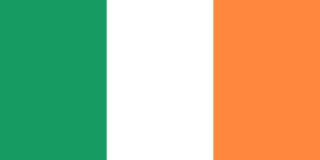
Welcome to Ireland
Ireland is an island in the North Atlantic, known for its green landscapes, rugged coastlines, historic cities and rich cultural heritage.
The sovereign state of Ireland occupies most of the island, while Northern Ireland is part of the United Kingdom.
The island's communities share many historical, cultural and family connections, alongside different political identities.
From Dublin and Cork to Galway, Limerick and rural communities, everyday life takes many different forms.
Ireland is celebrated for its literature, music, storytelling, hospitality and cultural traditions.
Yet Ireland is far more than its beautiful scenery and international reputation.
It is the story of parents raising children, teachers sharing knowledge, farmers working the land, healthcare workers caring for patients, and seniors remembering earlier generations.
"To understand Ireland, we must discover the humanity behind the flag."
🏡 A Day in the Life of Ireland
Imagine an ordinary morning somewhere in Ireland.
In Dublin, commuters travel by bus, train, bicycle or car to reach their workplaces.
In Cork, a shopkeeper opens a business for the day.
In Galway, a student prepares for university.
In County Kerry, a farmer checks the fields and livestock.
In a coastal village, a fishing family prepares for the day.
A mother makes breakfast. A nurse begins a shift. A grandparent meets friends for tea.
Some families enjoy stable employment and comfortable homes.
Others face housing difficulties, financial pressure, illness or uncertainty.
📜 Ireland's History and Identity
Ireland's history extends back thousands of years.
Early communities developed distinctive traditions, languages, social systems and cultural identities.
Christianity became an important influence during the early medieval period.
Viking settlements, Norman arrival and subsequent English and British rule shaped the island's history.
The Great Famine
During the Great Famine of the 1840s, potato crop failures, poverty and the political and economic conditions of the time contributed to catastrophic suffering.
Approximately one million people died, and large numbers emigrated.
The consequences shaped Irish families and communities for generations.
Independence and Partition
The early twentieth century brought political conflict and the struggle for Irish independence.
The Irish Free State was established in 1922, following the Anglo-Irish Treaty and the partition of the island.
Northern Ireland remained within the United Kingdom.
The state now known as Ireland adopted a new constitution in 1937 and formally became a republic in 1949.
Ireland's history includes painful experiences of colonial rule, sectarian division, emigration and social change.
It also includes remarkable contributions to literature, education, democracy and international life.
"Understanding history means remembering both the achievements and the suffering of earlier generations."
🗣️ The Irish Language and Cultural Identity
The Irish language, Gaeilge, is an important part of Ireland's heritage.
Irish is the country's first official language, and English is its second official language.
English is the most commonly used language in everyday life across much of the country.
Irish-speaking communities, particularly in Gaeltacht areas, help preserve and develop the language.
Irish is taught in schools and is also used in media, arts, public life and cultural activities.
Efforts to support the language include education, community initiatives and creative expression.
Languages carry stories, memories, ways of thinking and connections between generations.
❤️ Family, Friendship and Community
Family relationships are important to many people throughout Ireland.
Grandparents, parents, children and extended relatives may gather for meals, holidays and celebrations.
Irish families come in many forms, including single-parent households, couples, extended families and people living alone.
Friendships often develop through schools, workplaces, sports clubs, neighbourhoods and shared interests.
Community organizations and volunteers support families experiencing hardship.
Many Irish families also have relatives living abroad, including in Canada, the United States, Australia and other countries.
These connections reflect generations of Irish emigration.
"Home is not only a place. It is also the love, memories and relationships we carry with us."
🎵 Ireland's Culture and Traditions
Ireland's cultural life includes music, literature, dance, food, sport and storytelling.
🎻 Traditional Music
The fiddle, tin whistle, bodhrán, uilleann pipes and other instruments are important parts of Irish traditional music.
☘️ St. Patrick's Day
March 17 is celebrated in Ireland and around the world. It reflects traditions, community gatherings and Irish cultural identity.
📚 Literature
Ireland has produced influential writers including James Joyce, W.B. Yeats, Samuel Beckett and many others.
💃 Irish Dance
Traditional Irish dance includes social, competitive and performance styles, with traditions shared across generations.
🍲 Food
Traditional foods include Irish stew, soda bread, seafood, colcannon and many regional dishes and contemporary cuisines.
🏐 Gaelic Games
Gaelic football and hurling are important sports in many Irish communities, alongside rugby, soccer and other activities.
🎓 Children and Education
Children throughout Ireland attend school, form friendships and develop their talents.
Ireland has primary, secondary, further and higher education institutions.
Students learn academic subjects and may take part in music, arts, sport and community activities.
Some children have access to extensive resources and opportunities.
Others face barriers related to poverty, housing insecurity, disability or family circumstances.
Children living in temporary accommodation may face additional educational and emotional challenges.
Every child deserves safety, friendship, encouragement and the opportunity to reach their potential.
"Every child deserves a future filled with hope, not limited by hardship."
🕊️ Faith, Spirituality and Beliefs
Christianity, particularly Roman Catholicism, has played a major role in Ireland's history and culture.
Protestant traditions also have deep historical roots across the island.
Contemporary Ireland includes Muslim, Hindu, Orthodox, Jewish, Buddhist and other communities.
Many people identify as having no religion.
Attitudes toward faith have changed substantially across recent generations.
Ireland has also confronted painful histories involving abuse in religious and state institutions.
Listening to survivors, recognizing harm and seeking accountability are important parts of understanding these experiences.
Freedom of religion and conscience belongs to everyone.
"Compassion must include listening to people who have suffered, even when their stories challenge our beliefs."
🛠️ Work, Housing and Everyday Needs
People in Ireland work in healthcare, education, agriculture, technology, tourism, construction, manufacturing and many other fields.
International businesses and local enterprises both play roles in the economy.
Some households enjoy secure employment and financial stability.
Others experience difficulty finding affordable housing, paying essential expenses or accessing health services.
Rural and urban communities have different employment and infrastructure needs.
The desire for a secure home, meaningful employment and opportunities for children is shared by families everywhere.
🌧️ Challenges Facing Ireland
Despite its cultural and economic achievements, Ireland faces significant social challenges.
Housing and Homelessness
Housing shortages, high rental costs and insufficient affordable homes place pressure on many families. Some experience homelessness and emergency accommodation.
Mental Health
Anxiety, depression, grief, loneliness and other mental health difficulties affect people of all ages.
Healthcare Access
Waiting times, staffing pressures and regional differences can affect access to services.
Older Adults
Some seniors face loneliness, housing difficulties, health challenges and unmet care needs.
Migration and Inclusion
Ireland is increasingly diverse. Newcomers may face challenges in housing, employment, language and community integration.
Rural Communities
Some rural areas face limited transportation, service availability and employment opportunities.
🕊️ Northern Ireland, Conflict and the Journey Toward Peace
The island of Ireland has experienced deep political and religious divisions.
Northern Ireland, which remains part of the United Kingdom, experienced decades of violence during the period commonly known as the Troubles.
Republican and loyalist paramilitary groups, security forces and others were involved in a conflict that caused thousands of deaths and widespread suffering.
Families on different sides of the conflict experienced grief, fear and trauma.
The Good Friday Agreement
On April 10, 1998, the Good Friday Agreement was reached.
It established a framework for power-sharing, cooperation, democratic consent and peace.
Voters in both Northern Ireland and the Republic of Ireland endorsed the agreement in referendums.
The agreement helped bring a major reduction in violence.
Challenges involving identity, public institutions, reconciliation and the legacy of the Troubles continue today.
Lessons for Humanity
The peace process demonstrates how dialogue, negotiation and political compromise can help communities move away from violence.
Peace does not erase the suffering of victims or the need for truth and justice.
It requires ongoing commitment to human rights, mutual respect and understanding.
"Peace begins when we recognize that the future must belong to everyone, not just those who agree with us."
🏛️ Democracy and Human Rights
The Republic of Ireland is a parliamentary democracy.
Its national parliament, the Oireachtas, includes Dáil Éireann and Seanad Éireann.
The president serves as head of state, while the Taoiseach leads the government.
Ireland is a member of the European Union.
People participate in elections, public debate, community organizations and peaceful civic activities.
Political opinions differ on housing, healthcare, migration, climate policy and other issues.
Respect for human rights, democratic institutions, fairness and accountability remains important.
No government or political party speaks for every citizen.
🎖️ Honouring Irish Soldiers and Peacekeepers
Ireland has a history of military service, sacrifice and international peacekeeping.
Irish people served in various armed forces throughout history, including during the First and Second World Wars.
Ireland remained neutral during the Second World War, a period known domestically as the Emergency.
Irish citizens nonetheless served in Allied forces, and Irish families experienced wartime loss and hardship.
United Nations Peacekeeping
Ireland's Defence Forces began participating in United Nations peacekeeping operations in 1958.
Irish military personnel have served in missions including the Congo, Cyprus, Lebanon and other regions.
Peacekeepers may face danger while working to support international peace and security.
Some have lost their lives during overseas service.
Veterans and their families may carry physical injuries, grief or psychological trauma.
Honouring their service means recognizing sacrifice, supporting those who return home, and remembering civilians affected by conflict.
True remembrance can also encourage future generations to seek peaceful solutions to disputes.
"May those who served in the cause of peace be remembered, and may their sacrifices inspire understanding between nations."
🤝 The Irish Spirit of Community
Across Ireland, volunteers and community organizations help people facing hardship.
Some provide food assistance, homelessness services, counselling and family support.
Others assist older adults, people with disabilities, refugees and isolated communities.
Local sports clubs, community groups, faith organizations and charities also create places of friendship and belonging.
The Irish diaspora has built connections with communities throughout the world.
These relationships remind us that humanity can extend far beyond national borders.
"Sometimes the greatest gift we can offer another person is to make them feel welcome."
🌅 Ireland's Dreams for Tomorrow
Imagine an Ireland where every child grows up in a secure home.
Where families can afford housing and everyday necessities.
Where older adults receive dignity, companionship and quality care.
Where mental health support is accessible to everyone who needs it.
Where Irish language and cultural traditions continue to thrive.
Where newcomers and long-established communities can build understanding.
Where the victims of historical conflict are remembered with respect and care.
Where peace and reconciliation continue across the island.
Where soldiers, veterans and peacekeepers receive recognition and meaningful support.
And where children inherit a future shaped by compassion, opportunity and peace.
"May the lessons of the past help create a kinder future for everyone."
🌎 Your Journey of Understanding
You have explored some of Ireland's history, culture, daily life and human challenges.
Now consider three questions that connect your mind, heart and spirit.
Click each question to reveal its reflection.
🧠 MENTALLY - What have you learned?
Before this journey, what came to mind when you thought about Ireland?
Green countryside? Irish music? St. Patrick's Day? Historic castles?
Did you also consider the Great Famine, emigration, the peace process, homelessness and ordinary family challenges?
What does Ireland's experience teach us about the relationship between history, identity and peace?
Can societies learn from past suffering while building a different future?
❤️ EMOTIONALLY - What touched your heart?
Imagine a family whose ancestors left Ireland during the famine.
A parent struggling to find an affordable home.
A senior who feels isolated from the community.
A veteran remembering a fellow peacekeeper.
A family in Northern Ireland still living with the memories of the Troubles.
How would hearing their individual stories change your understanding?
What could compassion look like in action?
🕊️ SPIRITUALLY - What connects us?
Ireland's history includes both division and reconciliation.
What does this teach us about forgiveness, responsibility and the value of peace?
Can we recognize historical injustice without carrying hatred into future generations?
How can we honour soldiers and peacekeepers while seeking a world with less conflict?
What small act of kindness could you offer today to someone whose experiences differ from your own?
The Ireland Behind the Flag
Somewhere in Ireland, a mother is preparing breakfast for her children.
A teacher is encouraging a young student.
A musician is playing a tune handed down through generations.
A grandparent is telling a family story.
A nurse is comforting a patient.
A volunteer is helping a person experiencing homelessness.
A veteran is remembering someone who never returned.
And somewhere, a young person is dreaming of a peaceful and meaningful future.
"An island of stories.
A history of resilience.
A journey toward peace.
One shared humanity."
That is the Ireland behind the flag.
Return to Beginning Explore Another NationSources and Further Reading
Learn more about Ireland's people, history, society, peace process and military service.
Central Statistics Office Ireland
Ireland.ie — Culture and Society
Irish Government — Good Friday Agreement
Irish Defence Forces — Peacekeeping History
Department of Housing — Ireland
This page offers a broad introduction to Ireland, not a description of every person's experiences or beliefs.