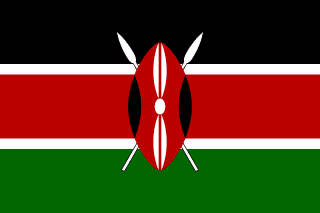
Welcome to Kenya
Kenya, officially the Republic of Kenya, is a country in East Africa.
It borders Ethiopia, Somalia, South Sudan, Uganda and Tanzania, with a coastline along the Indian Ocean.
Its capital, Nairobi, is a major centre of government, technology, education, business and international cooperation.
Other important cities include Mombasa, Kisumu, Nakuru, Eldoret, Nyeri, Malindi and Garissa.
Kenya is celebrated for its diverse cultures, stunning wildlife, ancient heritage, athletic achievements, innovation and traditions of hospitality.
But Kenya is much more than safaris and beautiful landscapes.
It is parents raising children, teachers inspiring students, farmers growing food, healthcare workers caring for patients and grandparents preserving family memories.
It is also people struggling with poverty, illness, displacement, loneliness, discrimination or uncertainty about the future.
"To understand Kenya, we must discover the humanity behind its flag."
🏡 A Day in the Life of Kenya
Imagine an ordinary morning somewhere in Kenya.
In Nairobi, a commuter prepares for work while children leave for school.
In Mombasa, a fisher or port worker begins a day along the Indian Ocean.
In Kisumu, a market trader arranges goods for customers.
In the Rift Valley, a farmer tends fields or cares for livestock.
In a Maasai community, a family prepares for another day of work, education and community responsibilities.
In a northern village, a parent worries about water supplies during a dry season.
In Eldoret, a young athlete begins training before sunrise.
A nurse welcomes patients. A teacher prepares a lesson. A grandparent shares stories of earlier generations.
Some families enjoy stable incomes, comfortable homes and access to education.
Others face insecure employment, drought, high living costs or difficulties obtaining healthcare.
🏛️ Kenya's Ancient Heritage and Early Communities
Kenya is home to important archaeological discoveries that contribute to humanity's understanding of early human evolution.
Early Human History
Sites around Lake Turkana have revealed significant fossil evidence relating to ancient human ancestors.
These discoveries help researchers understand the deep history of humanity.
Ancient Communities
Over thousands of years, communities developed farming, herding, fishing, trading and artistic traditions across Kenya's diverse landscapes.
The Swahili Coast
Kenya's Indian Ocean coastline became part of extensive trading networks connecting East Africa with Arabia, Persia, India and other regions.
Swahili coastal settlements developed distinctive architecture, language, commerce and cultural traditions.
Lamu Old Town
Lamu preserves an important part of the Swahili cultural and architectural heritage.
Many Histories
Kenya's modern communities include peoples whose ancestors lived in the region for generations and others whose histories reflect migration and trade.
"The history of humanity is not confined to one nation. Our earliest stories connect us all."
🕯️ Colonial Rule and the Struggle for Land and Dignity
During the late nineteenth century, Britain expanded imperial control over the territory that became Kenya.
The East Africa Protectorate was established in 1895, and the Colony of Kenya followed in 1920.
Land and Inequality
Colonial policies resulted in the displacement of African communities from valuable agricultural land.
Many Africans faced political restrictions, labour exploitation and unequal opportunities.
Resistance and Political Organization
Communities, workers and political activists challenged colonial control through different forms of resistance.
The Mau Mau Uprising
Beginning in the 1950s, the uprising associated with the Kenya Land and Freedom Army challenged British colonial rule.
The conflict involved armed resistance, attacks on civilians and severe counterinsurgency measures.
Detention and Abuses
British colonial authorities detained large numbers of Kenyans.
Many detainees experienced torture, forced labour, physical abuse and degrading treatment.
Thousands of people died during the wider Emergency.
The Meaning of Remembrance
The struggle against colonialism included profound personal suffering.
Families lost loved ones, homes, livelihoods and a sense of safety.
"Freedom becomes precious when we understand the sacrifices and suffering endured by those who struggled for it."
🇰🇪 Kenya's Independence - December 12, 1963
Kenya gained independence from Britain on December 12, 1963.
The achievement followed decades of political organizing, resistance, negotiation and demands for self-government.
Jomo Kenyatta
Jomo Kenyatta became Kenya's first prime minister at independence.
When Kenya became a republic on December 12, 1964, he became its first president.
A New National Future
Independence brought opportunities to develop national institutions, educational systems and economic policies.
It also left challenges involving land ownership, regional inequality and political representation.
Jamhuri Day
December 12 is celebrated as Jamhuri Day, commemorating independence and the establishment of the republic.
The Continuing Meaning of Freedom
Political independence is an important achievement, but its promise also depends on whether families can live with security, dignity and opportunity.
"The greatest legacy of independence is a future in which every person can live with dignity."
🏛️ Democracy, Human Rights and Civic Life
Kenya is a constitutional republic with an elected president, Parliament and judiciary.
Its 2010 Constitution established important reforms involving fundamental rights, government accountability and devolved county administration.
Parliament consists of the National Assembly and the Senate.
Political Participation
Kenyans participate through elections, civic organizations, public discussion and peaceful demonstrations.
Political debates include economic policy, taxation, education, healthcare, corruption, public safety and employment.
Historical Challenges
Kenya has experienced episodes of political repression, electoral disputes and violence.
The violence following the disputed 2007 election killed more than one thousand people and displaced hundreds of thousands.
Those experiences remain important reminders of the need for peaceful political participation and accountable institutions.
Public Demonstrations
More recently, large public demonstrations over taxation, governance and other concerns have prompted debate about civic rights and security-force responses.
Human rights organizations have documented concerns about excessive force and arbitrary detention in some contexts.
Citizens hold diverse political views, and no party or leader represents every Kenyan.
"Democracy is strengthened when people can express their views safely and their rights are respected."
🌍 Kenya's Languages, Cultures and Communities
Kenya is home to many communities with distinct languages, histories and cultural traditions.
Kiswahili and English are official languages.
Numerous Indigenous languages are spoken across the country.
Communities and Traditions
Kenya's peoples include Kikuyu, Luhya, Luo, Kalenjin, Kamba, Maasai, Somali, Mijikenda, Meru, Turkana and many others.
Each has diverse local experiences and traditions.
Pastoral Communities
Some communities maintain important traditions connected to livestock and pastoral livelihoods.
Others live in cities or participate in agriculture, technology, education, commerce and other sectors.
Coastal Heritage
Swahili communities along the Indian Ocean have rich traditions of language, music, architecture and trade.
Respecting Differences
Ethnic stereotypes and political divisions can create barriers to cooperation.
People should never be judged solely by their community, language, birthplace or beliefs.
"Different communities. Different languages. One shared humanity."
❤️ Family, Friendship and Community
Family and community connections are important throughout Kenya.
Some households include grandparents, parents and children living together or nearby.
Others include smaller families, single parents, couples or people living alone.
Families gather for celebrations, shared meals, weddings, religious occasions and community events.
Many Kenyans have relatives working or studying abroad, including in Canada.
These connections can provide opportunities and financial assistance, but they can also involve painful separation.
Some families experience hardship through unemployment, illness, drought, disability or grief.
Community support, friendship and mutual care can help individuals face difficult times.
"A caring family or community is one where every person knows they belong."
🎵 Kenyan Culture and Traditions
🎶 Music
Kenya has rich traditions of folk music, benga, taarab, gospel, hip-hop and contemporary popular music.
🍲 Food
Ugali, sukuma wiki, nyama choma, chapati, pilau, githeri and regional dishes reflect Kenya's culinary diversity.
🏃 Athletics
Kenyan runners have achieved international recognition in middle-distance and long-distance events, inspiring generations of athletes.
🧵 Arts and Crafts
Beadwork, carving, weaving, textiles, painting and contemporary art preserve traditions and encourage creativity.
📚 Literature
Kenyan writers, including Ngũgĩ wa Thiong'o, have explored language, history, identity and social change.
🎉 Celebrations
Religious holidays, national commemorations, community festivals and family gatherings bring people together.
🎓 Children, Education and Opportunity
Children throughout Kenya attend schools, form friendships and develop dreams for the future.
Kenya has public and private schools, universities and vocational training institutions.
Students pursue interests in science, music, art, sports, technology and many other fields.
However, educational opportunities vary by region, household income and family circumstances.
Some children face long journeys to school, shortages of supplies or inadequate facilities.
Drought, flooding and displacement can disrupt children's education.
Children with disabilities and those experiencing poverty may face additional barriers.
Some families struggle with the costs associated with secondary education and further study.
Every child deserves nutritious food, safety, encouragement, friendship and meaningful learning opportunities.
"Every child deserves a future shaped by possibility rather than poverty or fear."
🕊️ Faith, Spirituality and Beliefs
Kenya is home to Christian, Muslim, traditional African religious and other spiritual communities.
Christianity is the religion of a majority of Kenyans.
Islam has longstanding historical roots, particularly along the coast and in parts of northeastern Kenya.
Traditional spiritual beliefs and cultural practices remain important to many communities.
Some people identify with other religions or as non-religious.
Religious organizations contribute to education, healthcare and charitable assistance.
People may find meaning through prayer, community, family, service and their connection with nature.
Religious freedom and mutual respect are important parts of peaceful coexistence.
"We can honour our different beliefs while recognizing the same dignity in every human being."
🌿 Wildlife, Mountains, Lakes and the Indian Ocean
Kenya is recognized for its extraordinary biodiversity and varied landscapes.
The Maasai Mara
The Maasai Mara is known for grassland ecosystems, wildlife and the seasonal movement of wildebeest and other animals.
Mount Kenya
Mount Kenya is one of Africa's highest mountains and supports important ecosystems and water catchments.
Amboseli
Amboseli National Park is celebrated for its elephants and views toward Mount Kilimanjaro across the border in Tanzania.
Lake Turkana
Lake Turkana is an important ecological, cultural and archaeological region in northern Kenya.
The Great Rift Valley
The Rift Valley includes lakes, escarpments, wildlife habitats and agricultural communities.
The Indian Ocean Coast
Kenya's coastline includes coral reefs, mangrove forests, fishing communities and historic towns.
Environmental Challenges
Drought, flooding, changing rainfall patterns, deforestation, pollution and climate change affect livelihoods and ecosystems.
Protecting wildlife must also involve respecting the rights and needs of local communities.
"The natural world is part of our shared inheritance, and its future is our shared responsibility."
🛠️ Work, Healthcare and Everyday Needs
Kenyans work in agriculture, tourism, technology, commerce, manufacturing, education, healthcare, transport and other sectors.
Tea, coffee, flowers and other agricultural products contribute to livelihoods and exports.
Kenya has a growing technology sector and many small businesses.
However, much employment remains informal, with limited income security.
Some families struggle with housing, transport, food and medical expenses.
Public and private healthcare services are available, but access and affordability vary between communities.
Residents of remote areas may face significant travel distances to specialized care.
Every person deserves meaningful work, safe housing, healthcare, clean water and adequate nutrition.
🌧️ Challenges Facing Kenya
Kenya has made important economic and social progress, but many families continue to face serious hardship.
Poverty and Income Security
The World Bank estimates that 43.3% of Kenya's population lived below the international $3-a-day poverty line in 2025, using 2021 purchasing-power-adjusted dollars.
Housing and Homelessness
Some people experience overcrowding, informal settlements, unsafe accommodation or homelessness.
Mental Health
Anxiety, depression, grief, trauma, loneliness and limited access to support affect individuals of all ages.
Drought and Food Security
Recurring drought and changing rainfall patterns place pressure on farming, livestock, food supplies and water access.
Employment
Many young adults face difficulties finding secure employment that offers adequate wages and long-term stability.
Healthcare and Inclusion
Some people experience barriers to medical treatment, accessible education, disability support and other essential services.
🎖️ Honouring Kenyan Soldiers, Veterans and Peacekeepers
Kenya's military history includes colonial-era service, the independence struggle, national defence and international peace operations.
Service During the World Wars
People from Kenya served in British colonial military formations, including the King's African Rifles, during the world wars.
Some were deployed far from home, and many families experienced loss and separation.
The Independence Struggle
The struggle against British colonial rule involved armed resistance, imprisonment and suffering among civilians.
Historical remembrance should recognize the different experiences of those caught in the conflict.
The Kenya Defence Forces
Kenya's armed forces have responsibilities involving national defence and security.
Military service may involve injury, dangerous deployments and separation from family.
United Nations Peacekeeping
Kenyan personnel have served in United Nations peacekeeping operations, including missions in Africa and elsewhere.
Kenya contributed military observers to the United Nations Iran-Iraq Military Observer Group beginning in 1988.
Regional Security Missions
Kenyan forces have served in regional operations involving Somalia and other areas affected by insecurity.
Such deployments have involved casualties, difficult conditions and risks to civilians.
Veterans and Families
Veterans may experience physical injury, psychological trauma, grief or difficulty returning to civilian life.
Their families also deserve recognition and support.
Remembering Civilians
Honouring military personnel must go hand in hand with recognizing civilians harmed by warfare, terrorism, political violence and abuses.
Recognizing service does not excuse wrongdoing by any armed actor.
"The greatest tribute to service is protecting the lives and dignity of future generations."
🤝 Kenyans Helping One Another
Across Kenya, volunteers, charities, religious organizations and community groups assist people experiencing hardship.
Some provide food, water, education and healthcare support.
Others assist vulnerable children, older adults, people with disabilities and those experiencing homelessness.
Community organizations help families recover from drought, flooding and displacement.
Healthcare workers and teachers often serve communities despite limited resources.
Neighbourhood associations, savings groups and local volunteers help people meet shared needs.
These contributions remind us that compassion is something people practise through everyday actions.
"When one person helps another, humanity becomes stronger."
🌅 Kenya's Dreams for Tomorrow
Imagine a Kenya where every child grows up in a safe and loving home.
Where every family has access to nutritious food, clean water and affordable healthcare.
Where young people have meaningful opportunities to learn, work and create.
Where older adults receive dignity, companionship and appropriate care.
Where people experiencing homelessness receive stable homes and practical assistance.
Where mental health difficulties are met with understanding and accessible support.
Where communities affected by drought and flooding receive the resources needed to recover.
Where women and girls can live safely and enjoy equal opportunities.
Where cultural and linguistic differences are treated with respect.
Where democratic institutions protect rights and peaceful participation.
Where wildlife, forests, rivers and marine habitats are preserved for future generations.
Where veterans and military families receive care and recognition.
And where every person can live with security, belonging, dignity and peace.
"A nation's greatest achievement is a future where every human life has the opportunity to flourish."
🌎 Your Journey of Understanding
You have explored Kenya's ancient heritage, struggle for independence, cultural diversity, wildlife, peacekeeping and the challenges experienced by ordinary people.
Now consider three reflections connecting the mind, heart and spirit. Click each question to reveal its reflection.
🧠 MENTALLY - What have you learned?
Before this journey, what came to mind when you thought of Kenya?
Wildlife? Safaris? Long-distance runners? Mount Kenya?
Did you also consider colonial land displacement, the Mau Mau uprising, the independence movement and Kenya's contributions to international peacekeeping?
What can Kenya's history teach us about freedom and human dignity?
Why is it important to understand everyday struggles rather than viewing a country only through tourism or international headlines?
How can education and truthful remembrance help prevent future injustice?
❤️ EMOTIONALLY - What touched your heart?
Imagine a Kenyan parent struggling to afford food and school supplies.
A family whose ancestors lost land during colonial rule.
A young adult searching for secure employment.
A farmer watching crops fail during a prolonged drought.
A teacher encouraging children despite limited resources.
A peacekeeper serving far from home while loved ones wait for news.
A grandmother living alone and longing for companionship.
Which story touches your heart most deeply?
How could compassion become meaningful action?
🕊️ SPIRITUALLY - What connects us?
Kenya is a country of many communities, languages, beliefs and histories.
What can its diversity teach us about respecting differences?
Can we honour those who struggled for freedom while acknowledging the suffering experienced by civilians?
How can the courage of peacekeepers inspire greater compassion beyond national borders?
What does inner peace mean when families experience poverty, fear or uncertainty?
Can shared humanity become stronger when people choose understanding over prejudice?
What small act of kindness could you offer today to help another person feel that they matter?
The Kenya Behind the Flag
Somewhere in Kenya, a mother prepares breakfast for her children.
A teacher welcomes students into a classroom.
A farmer works beneath the morning sun.
A fisher prepares to cross the Indian Ocean waters.
An athlete trains before sunrise.
A grandparent shares stories of Kenya's independence.
A nurse comforts a patient.
A volunteer provides food to a family in need.
A peacekeeper remembers a fallen friend.
And somewhere, a young person dreams of a future where every human being can live with dignity, opportunity and peace.
"Mountains reaching toward the sky.
Wildlife roaming the open plains.
A history of courage and independence.
Countless human stories.
One shared humanity."
That is the Kenya behind the flag.
Return to Beginning Explore Another NationSources and Further Reading
Learn more about Kenya's history, culture, poverty, development, natural heritage and peacekeeping contributions.
Kenya Presidential Library - Independence and Jomo Kenyatta
National Army Museum - Kenya Emergency and Mau Mau
World Bank - Kenya Overview and Poverty
World Bank - Kenya Development Indicators
Kenya Ministry of Defence - Peacekeeping Missions
United Nations - Kenyan Peacekeepers
This page provides a broad, human-centred introduction and does not represent every Kenyan person's experiences, beliefs or political opinions.