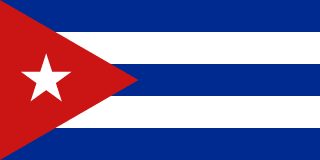
Welcome to Cuba
Cuba is an island country in the Caribbean, located south of Florida and the Bahamas and north of Jamaica.
Its capital, Havana, is celebrated for its historic architecture, waterfront, music and lively streets.
Other important cities include Santiago de Cuba, Camagüey, Holguín, Santa Clara, Cienfuegos, Matanzas and Trinidad.
Cuba is known for its music, dance, literature, baseball, medical traditions, tropical landscapes and distinctive cultural heritage.
But beyond every postcard is a human life.
Parents raising children. Teachers guiding students. Farmers working the land. Nurses caring for patients. Grandparents preserving family memories.
And people experiencing food shortages, poverty, family separation, illness, uncertainty or the effects of natural disasters.
"To understand Cuba, we must discover the humanity behind its flag."
🏡 A Day in the Life of Cuba
Imagine an ordinary morning somewhere in Cuba.
In Havana, a mother prepares breakfast for her children before they leave for school.
In Santiago de Cuba, a musician practises a traditional melody.
In the Viñales Valley, a farmer begins work among green fields.
In Camagüey, a nurse prepares for another day caring for patients.
In Trinidad, a craftsperson opens a small workshop.
Along the coast, a fisher prepares a boat for the morning.
A teacher welcomes students. A grandparent sits with neighbours. A young adult thinks about the future.
Some people have close family networks, employment and relative security.
Others spend hours searching for food, obtaining medicine, travelling to work or finding electricity during an outage.
📜 Cuba's History and Identity
Long before European colonization, Cuba was home to Indigenous peoples including Taíno and other communities.
These peoples developed agricultural practices, trading relationships, languages and cultural traditions.
Spanish Colonization
Spanish colonization began in the early sixteenth century and brought conquest, forced labour, disease and severe disruption to Indigenous societies.
Over time, Cuba became an important Spanish colonial territory.
Plantation agriculture, particularly sugar production, relied heavily on the forced labour of enslaved Africans.
Slavery caused immense human suffering and shaped Cuba's economy and social structure for generations.
Slavery was abolished in Cuba in 1886.
The Struggle for Independence
Cuban independence movements developed during the nineteenth century.
The Ten Years' War began in 1868, followed by further struggles against Spanish rule.
José Martí became an important voice in the movement for Cuban independence and wrote about national identity, freedom and civic responsibility.
In 1895, another major independence war began.
The War of 1898
In 1898, the United States entered the conflict against Spain.
Spain relinquished control of Cuba following its defeat.
After a period of United States military occupation, the Republic of Cuba was established in 1902.
However, United States influence and the Platt Amendment placed important limits on Cuba's sovereignty during the republic's early years.
"The history of freedom must include those who struggled for it and those who suffered while seeking it."
🕯️ The Cuban Revolution and Its Lasting Consequences
Cuba experienced political instability, economic inequality and authoritarian rule during parts of the twentieth century.
Fulgencio Batista seized power in a military coup in 1952, interrupting constitutional government.
Opposition movements developed, including revolutionary forces led by Fidel Castro and other figures.
The Events of 1959
On January 1, 1959, Batista fled Cuba as revolutionary forces gained control.
Fidel Castro later became the country's leading political figure.
The revolutionary government introduced major changes to land ownership, industry, education, healthcare and political institutions.
Achievements and Disputes
Cuba expanded literacy and developed a nationwide public health system, achievements often emphasized by supporters of the revolution.
At the same time, the government established a one-party political system, restricted independent political opposition and curtailed civil liberties.
Critics and human rights organizations have documented imprisonment of political opponents, restrictions on freedom of expression and limits on peaceful assembly.
Supporters of Cuba's revolutionary system point to social programmes, national sovereignty and the effects of foreign economic pressure.
These differing perspectives are part of Cuba's complex modern history.
Families Divided
Political changes, economic pressures and restrictions on movement contributed to waves of emigration.
Many Cuban families became separated between the island and communities in the United States, Canada, Spain and other countries.
"A political revolution may transform institutions, but the dignity of every individual must remain central to the nation's future."
🌎 The Cuban Missile Crisis of 1962
In October 1962, the world came dangerously close to nuclear war during the Cuban Missile Crisis.
The Soviet Union had placed nuclear missiles in Cuba, and the United States responded with a naval quarantine and demands for their removal.
President John F. Kennedy, Soviet leader Nikita Khrushchev and Cuban leader Fidel Castro played major roles in the crisis.
For thirteen tense days, governments and citizens feared that an escalation could trigger catastrophic nuclear conflict.
The crisis ended through diplomatic arrangements involving the withdrawal of Soviet missiles from Cuba and other commitments.
The experience demonstrated the enormous risks of nuclear confrontation.
For ordinary Cuban families, the danger was especially immediate because their homes were at the centre of the confrontation.
"When leaders choose dialogue instead of destruction, humanity is given another chance."
🏛️ Government, Human Rights and Civic Life
Cuba is a socialist republic governed through a political system in which the Communist Party has a constitutionally defined leading role.
It does not hold competitive national elections between legally recognized opposition parties in the manner of multiparty electoral democracies.
Its National Assembly of People's Power is the country's national legislature.
Cuban citizens hold a wide variety of personal opinions about their government, economy and society.
Some support the country's political institutions and revolutionary history.
Others advocate political reforms, expanded civil liberties or broader opportunities for public participation.
Human rights organizations have documented restrictions on independent journalism, political expression, peaceful protest and civil society activity.
The Cuban government emphasizes sovereignty and criticizes United States sanctions as harmful to national development.
Independent observers have also identified domestic economic policies, infrastructure weaknesses and limitations on political and economic freedom as significant factors shaping conditions.
People should be free to express peaceful opinions without intimidation or persecution.
"Human dignity includes the right to be heard, respected and treated fairly, regardless of political belief."
🇨🇦 Cuba's Special Connection to Canada
Canada and Cuba have a longstanding relationship involving diplomacy, trade, travel and cultural exchange.
Canada established diplomatic relations with Cuba in 1945.
Following the 1959 revolution, Canada maintained diplomatic relations even as the United States and many other countries in the Americas broke ties with Cuba.
Canadians have visited Cuba for generations, forming friendships and connections with Cuban families, workers and communities.
Humanitarian Cooperation
Canada has also provided assistance following natural disasters and during humanitarian crises.
In 2026, Canada announced additional assistance intended to support food security, essential medical services and vulnerable Cuban communities.
Canada also advocates for human rights, freedom of expression and peaceful civic participation.
People Beyond Politics
The relationship between Canadians and Cubans is not only a relationship between governments.
It includes friendships, education, tourism, charitable efforts and families connected across national borders.
"Friendship between people can continue even when governments disagree."
❤️ Family, Friendship and Community
Family relationships and friendships are important parts of Cuban social life.
Some households include several generations, while others include couples, single parents or people living alone.
Relatives may gather for meals, music, birthdays, religious celebrations and neighbourhood events.
Grandparents often share stories of earlier generations and the changes they have witnessed throughout their lives.
Many Cuban families have relatives who live abroad.
Money and supplies sent by relatives can help some households meet their needs, although not every family has access to such support.
Emigration can bring opportunity but also creates separation, loneliness and grief.
Despite difficulties, neighbours may help one another through shared meals, practical assistance and daily acts of kindness.
"A family is strengthened not only by what it has, but by the love and support its members share."
🎵 Cuban Culture and Traditions
🎶 Music
Son cubano, rumba, trova, bolero, timba and many other styles reflect Cuba's deep musical traditions and African, Spanish and Caribbean influences.
💃 Dance
Cuban dance traditions include rumba, casino and ballet, alongside many regional and contemporary forms.
🍚 Food
Traditional foods include arroz congrí, ropa vieja, yuca, plantains, beans, rice and regional family dishes.
⚾ Sports
Baseball has a special place in Cuban sporting history, alongside boxing, athletics, volleyball and other sports.
🎨 Art and Literature
Cuba has rich traditions of painting, literature, poetry, theatre, film and public art.
🚗 Classic Cars
Vintage automobiles are a familiar sight in parts of Cuba, reflecting the ingenuity of mechanics who have kept older vehicles operating.
🎓 Children and Education
Cuba has a long history of prioritizing literacy and public education.
Children attend schools in cities, towns, villages and rural regions.
Young people study mathematics, science, history, literature, languages, arts and other subjects.
Some pursue interests in music, sports, medicine, technology or teaching.
Yet economic hardship can affect school supplies, transportation, nutrition and classroom conditions.
Electricity shortages and infrastructure problems can disrupt everyday learning.
Children whose parents or relatives have emigrated may experience family separation and emotional uncertainty.
Every child deserves education, nutritious food, encouragement, friendship and a secure future.
"A child's worth should never depend on the economic or political difficulties of the country where they were born."
🕊️ Faith, Spirituality and Beliefs
Cuba has a diverse religious and spiritual history.
Roman Catholic Christianity has influenced the island's culture and history for centuries.
Protestant communities and other Christian traditions are also part of Cuban society.
Afro-Cuban religious traditions, including Santería or Regla de Ocha, reflect historical connections between West African spiritual practices and Christianity.
Cuba also includes people of other faiths and those who identify as non-religious.
People find meaning through family, faith, music, nature, service to others and personal values.
Respect for freedom of religion and conscience is essential to human dignity.
"Our beliefs may differ, but compassion and the need for belonging connect us all."
🌴 Coastlines, Mountains and Natural Beauty
Cuba is the largest island in the Caribbean and contains remarkably varied landscapes.
Havana and the Coast
The Malecón waterfront is among Havana's most recognizable landmarks, connecting the city to the sea.
The Viñales Valley
Viñales is known for green agricultural landscapes, distinctive limestone hills called mogotes, and rural traditions.
Eastern Mountains
The Sierra Maestra mountains are part of Cuba's natural and historical landscape.
Beaches and Marine Life
Cuba's coastlines include beaches, coral reefs, mangroves, wetlands and fishing communities.
Wildlife and Forests
The island supports distinctive plants, birds, reptiles and other wildlife, including species found nowhere else.
Environmental Challenges
Cuba faces hurricanes, coastal flooding, drought, rising temperatures, environmental degradation and sea-level rise.
Storms can damage homes, crops, roads, water supplies and healthcare facilities.
"Protecting the natural world means protecting the homes and futures of the people who depend upon it."
🛠️ Work, Healthcare and Everyday Needs
Cubans work in healthcare, education, agriculture, tourism, transportation, construction, manufacturing, public services and growing private businesses.
The country has a public healthcare system and a history of training medical professionals.
Cuban doctors and healthcare personnel have also participated in international medical missions.
However, shortages of medicine, equipment, electricity and essential supplies have placed tremendous pressure on medical services.
Many workers face difficulties because wages and pensions may not keep pace with the cost of necessities.
Transport disruptions and fuel shortages can make reaching work, school or healthcare facilities difficult.
Every person deserves meaningful work, safe housing, healthcare, adequate nutrition and freedom from unnecessary hardship.
🌧️ Challenges Facing Cuba in 2026
Cuba has been experiencing a severe economic and humanitarian crisis, placing enormous pressure on households and essential services.
Electricity and Fuel
Repeated nationwide blackouts and prolonged local power outages have disrupted homes, hospitals, water systems, transportation and businesses.
Food Insecurity
High prices and shortages of basic foods have made it difficult for some families to maintain adequate nutrition.
Medicine and Healthcare
Shortages of medicines, medical supplies and electricity have created serious challenges for patients and healthcare workers.
Housing and Infrastructure
Ageing housing, damaged infrastructure, storms and limited construction supplies create hardship for many households.
Migration and Separation
Large numbers of people have emigrated in recent years, leaving families separated and some communities with fewer working-age residents.
Mental Health and Stress
Prolonged uncertainty, shortages, family separation and economic pressure can contribute to anxiety, depression and emotional exhaustion.
Understanding the Causes
Cuba's humanitarian difficulties arise from multiple interacting factors.
These include domestic economic policies and restrictions, ageing infrastructure, dependence on imported fuel, natural disasters, declining economic activity and United States sanctions.
Restrictions affecting oil imports intensified the energy situation in 2026.
Different governments and researchers place different emphasis on the causes, but the effect on ordinary families is clear.
🎖️ Honouring Cuban Soldiers, Veterans and Civilians
Cuba's military history includes struggles for independence, the Spanish-American War, the revolution of the 1950s and later international military involvement.
The Wars of Independence
Cuban fighters struggled to end Spanish colonial rule during the nineteenth century.
Many combatants and civilians died, and families endured displacement, disease and hardship.
The Revolutionary Period
Fighting during the 1950s resulted in deaths, injuries and suffering among soldiers, revolutionaries and civilians.
The political changes that followed profoundly affected Cuban society.
International Military Involvement
During the Cold War, Cuban military personnel served abroad, including in Angola, where Cuba supported the MPLA government during a long and complex conflict.
These deployments involved casualties, family separation and difficult experiences.
Remembering Civilians
Remembrance must also recognize people affected by political violence, imprisonment, displacement and military actions.
Honouring individuals who served does not require overlooking human rights violations or the suffering of people with different political beliefs.
Supporting Veterans and Families
Veterans may face physical injuries, psychological trauma, grief or difficulties adapting to civilian life.
Their families may carry memories of separation, fear or loss.
"The greatest tribute to lives lost in war is a commitment to protect the peace of generations yet to come."
🤝 Cubans Helping One Another
Across Cuba, families, neighbours, community groups, religious organizations and humanitarian workers help people experiencing hardship.
Some share food, supplies, transportation or practical support during electricity outages.
Others assist older adults, people with disabilities, families affected by storms and individuals experiencing illness.
Cuban communities abroad also help relatives through communication, financial support and shipments of needed supplies.
Healthcare workers and volunteers continue to serve communities despite limited resources.
These acts of service show that compassion can endure even during severe economic and political uncertainty.
"Sometimes a small act of kindness becomes someone's reason to keep hoping."
🌅 Cuba's Dreams for Tomorrow
Imagine a Cuba where every child grows up in a safe, loving home.
Where parents can provide nutritious food and basic necessities for their families.
Where hospitals have reliable electricity, medicines and equipment.
Where older adults can live with dignity, companionship and appropriate care.
Where young people have meaningful opportunities to study, work and pursue their dreams.
Where families separated by migration can maintain strong connections and reunite when possible.
Where people can express peaceful opinions without fear of persecution.
Where different political beliefs can be discussed respectfully.
Where natural landscapes, cultural traditions and historic cities are preserved.
Where those affected by war, persecution and displacement are remembered and supported.
Where Cuba's relationships with other countries contribute to cooperation and the well-being of ordinary people.
And where every person has the opportunity to live with freedom, security, dignity and peace.
"A nation's greatest achievement is a future where every human life has the opportunity to flourish."
🌎 Your Journey of Understanding
You have explored Cuba's history, culture, daily life, political experiences, humanitarian difficulties and hopes for the future.
Now consider three questions connecting your mind, heart and spirit. Click each question to reveal its reflection.
🧠 MENTALLY - What have you learned?
Before this journey, what came to mind when you thought of Cuba?
Beautiful beaches? Classic cars? Music? Fidel Castro? The Cuban Missile Crisis?
Did you also think about families facing food shortages, patients needing medicine, children experiencing power outages and people separated from loved ones?
How might your understanding change when you distinguish Cuba's people from the decisions of its government or foreign governments?
Can you recognize educational and cultural achievements while also acknowledging restrictions on rights and present-day hardship?
What assumption might you now reconsider?
❤️ EMOTIONALLY - What touched your heart?
Imagine a Cuban mother who struggles to find enough food for her children.
A grandmother who has not seen her grandchildren living abroad for several years.
A nurse caring for patients during an extended electricity outage.
A young adult hoping for greater opportunity and freedom.
A family whose house has been damaged by a hurricane.
A veteran remembering friends who never returned from military service.
How would hearing their individual stories change your understanding of Cuba?
What could compassion look like in action?
🕊️ SPIRITUALLY - What connects us?
Cuba's history includes colonialism, revolution, political division, international conflict and decades of hardship.
What can these experiences teach us about the dignity of ordinary people?
Can we disagree with a government without forgetting the humanity of the people who live under it?
Can we recognize the experiences of veterans, political prisoners, migrants and families without reducing their lives to political arguments?
Does peace mean only the absence of war, or does it also mean access to food, medicine, security, freedom and opportunity?
Can inner peace encourage us to respond to suffering with compassion rather than anger or indifference?
What small act of kindness could you offer today to help someone feel they matter?
The Cuba Behind the Flag
Somewhere in Cuba, a mother prepares breakfast for her children.
A teacher encourages a student to pursue a dream.
A farmer works beneath the Caribbean sun.
A musician plays a song that brings neighbours together.
A mechanic repairs a car that has travelled through generations.
A grandmother waits for a call from family living abroad.
A nurse cares for a patient during another power outage.
A volunteer brings food to someone in need.
A veteran remembers a fallen friend.
And somewhere, a young person dreams of a Cuba where every family has food, safety, opportunity and peace.
"An island of extraordinary culture.
A history of courage and struggle.
Families seeking security and freedom.
Countless human stories.
One shared humanity."
That is the Cuba behind the flag.
Return to Beginning Explore Another NationSources and Further Reading
Explore more about Cuba's history, relations with Canada, humanitarian conditions, culture and human rights.
Global Affairs Canada - Canada-Cuba Relations
Canada - Humanitarian Assistance for Cuba, 2026
ACAPS - Cuba Humanitarian Situation
UK House of Commons Library - Cuba's 2026 Humanitarian Crisis
United States Office of the Historian - Cuba
Pan American Health Organization - Cuba
UNESCO - Cuba World Heritage Sites
This page provides a broad, human-centred introduction and does not represent every Cuban person's experiences, beliefs or political views.