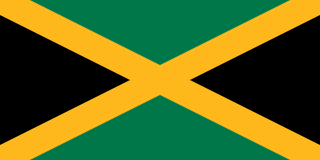
Welcome to Jamaica
Jamaica is an island nation in the Caribbean Sea, located south of Cuba and west of Hispaniola.
Its capital, Kingston, is an important centre of government, music, education and commerce.
Other important communities include Montego Bay, Spanish Town, Portmore, Mandeville, May Pen, Ocho Rios and Savanna-la-Mar.
Jamaica is celebrated for reggae music, athletics, cuisine, vibrant cultural traditions and extraordinary natural beauty.
But Jamaica is more than tourism, music and sport.
It is the story of parents raising children, teachers sharing knowledge, farmers growing food, nurses caring for patients and grandparents preserving family traditions.
It is also the story of people facing poverty, homelessness, violence, illness, loneliness or the effects of natural disasters.
"To understand Jamaica, we must discover the humanity behind its flag."
🏡 A Day in the Life of Jamaica
Imagine an ordinary morning somewhere in Jamaica.
In Kingston, commuters travel to work while students prepare for school.
In Montego Bay, a hotel worker begins a shift welcoming visitors.
In St. Elizabeth, a farmer tends crops that help feed the family.
In Port Antonio, a fisher prepares a boat for another day at sea.
In Spanish Town, a teacher welcomes children into a classroom.
In the Blue Mountains, a coffee farmer begins work on steep hillsides.
A grandmother prepares breakfast. A nurse assists a patient. A young adult searches for employment.
Some families enjoy comfortable homes, reliable incomes and close community relationships.
Others struggle with housing expenses, insecure employment, illness or concerns about neighbourhood violence.
📜 Jamaica's History and Heritage
Jamaica's history stretches back long before European colonization.
Indigenous Jamaica
Indigenous peoples, including Taíno communities, lived on the island for centuries before European arrival.
They developed farming, fishing, trading, craft and spiritual traditions.
Spanish Colonization
Christopher Columbus arrived in Jamaica in 1494.
Spanish colonial rule brought forced labour, disease and devastating disruption to Indigenous communities.
British Rule
English forces captured Jamaica in 1655.
The island subsequently became a major British plantation colony.
Plantation Agriculture
Sugar production and other industries relied heavily on the forced labour of enslaved Africans.
Colonial institutions created deep inequalities in land ownership, wealth, political power and social status.
Despite oppression, enslaved people maintained and transformed African cultural knowledge, languages, music and traditions.
Jamaica's modern identity reflects Indigenous, African, European, Asian and other influences.
"To understand a nation's present, we must remember the people whose struggles helped shape its history."
🌿 The Jamaican Maroons - Courage and the Struggle for Freedom
The Jamaican Maroons are communities descended largely from Africans who escaped enslavement and established independent settlements, along with other historical influences.
They developed communities in mountainous and forested regions where they resisted colonial forces.
Resistance
Maroon fighters used knowledge of Jamaica's terrain and organized resistance against British colonial forces.
Nanny of the Maroons became a celebrated figure associated with the Windward Maroons and resistance to enslavement.
She is recognized as one of Jamaica's National Heroes.
Peace Treaties
In 1739 and 1740, treaties were concluded between British colonial authorities and major Maroon communities.
These treaties recognized certain forms of Maroon autonomy, while also imposing obligations, including provisions requiring assistance in returning other escaped enslaved people.
This history reflects both courageous resistance and complex, sometimes troubling compromises made under colonial power.
Living Traditions
Maroon communities continue to preserve cultural practices, ceremonies, histories and distinct identities.
"Freedom is precious because generations of people have struggled, suffered and sacrificed to obtain it."
🕯️ Slavery, Emancipation and the Meaning of Freedom
For generations, enslaved Africans in Jamaica were forced to work under brutal plantation conditions.
They experienced violence, family separation and the denial of basic human rights.
Resistance to Enslavement
Enslaved Jamaicans resisted through many methods, including preserving cultural traditions, organizing communities, escaping and participating in uprisings.
Samuel Sharpe and the 1831 Rebellion
Samuel Sharpe, an enslaved Baptist deacon, helped lead the movement associated with the 1831–1832 Baptist War or Christmas Rebellion.
The uprising and its suppression caused extensive loss of life.
Sharpe was executed in 1832 and is remembered as a Jamaican National Hero.
Emancipation
The British Slavery Abolition Act took effect in 1834, but most formerly enslaved people in Jamaica were placed under an apprenticeship system that continued restrictions and compulsory labour.
Full emancipation came on August 1, 1838.
Freedom and Inequality
Legal emancipation did not immediately eliminate poverty, land inequality, racial discrimination or unequal opportunities.
Formerly enslaved people and their descendants continued to work toward education, security and genuine freedom.
"No human being should ever be treated as property. Every individual has a life, a voice and a dignity that matters."
🇯🇲 Independence - August 6, 1962
Jamaica's modern independence movement developed through decades of social organizing, political activism and demands for self-government.
The Labour Movement
Labour unrest in the 1930s drew attention to poverty, working conditions and the need for political reform.
Trade unions, political organizations and community leaders became central to the movement for greater representation.
National Leaders
Norman Manley and Alexander Bustamante played important roles in Jamaica's movement toward independence.
Both are recognized as National Heroes.
The Birth of an Independent Nation
On August 6, 1962, Jamaica gained independence from Britain.
The Jamaican flag was raised, marking the beginning of a new era of national self-government.
Alexander Bustamante became Jamaica's first prime minister.
A Continuing Journey
Independence created opportunities for Jamaicans to shape their own political institutions and future.
However, the ongoing work of addressing inequality, violence and economic hardship remained.
"Independence is not simply the raising of a flag. It is a continuing responsibility to the people who live beneath it."
🏛️ Democracy, Government and Civic Life
Jamaica is a parliamentary democracy and constitutional monarchy within the Commonwealth.
Its Parliament consists of the House of Representatives and the Senate, with a governor-general representing the monarch.
Citizens participate through elections, community organizations, civic discussion and peaceful demonstrations.
Jamaica's political history includes periods of intense partisan rivalry as well as peaceful electoral competition.
Public debates involve economic opportunity, healthcare, education, public safety, constitutional reform and social development.
Jamaicans hold different political opinions, and no party or leader represents every individual's experience.
Democratic government requires accountability, fair institutions, human rights and respect for peaceful disagreement.
"The strength of democracy depends on whether ordinary people are heard, protected and treated with dignity."
🌍 Out of Many, One People
Jamaica's national motto is "Out of Many, One People."
It reflects the country's diverse cultural influences and the aspiration toward shared belonging.
Most Jamaicans have African ancestry, while the population also includes people with European, Indian, Chinese, Middle Eastern and mixed heritage.
The country's languages include Jamaican English and Jamaican Patois, also known as Patwa.
Patois is an important part of national cultural expression, storytelling, music and daily communication.
People may experience discrimination or unequal opportunity based on income, gender, disability, background or other circumstances.
"Out of many, one people. Across all nations, one humanity."
❤️ Family, Friendship and Community
Family and community relationships are important in many Jamaican households.
Some families include parents, children and grandparents living together or nearby.
Others include single parents, couples, extended relatives or people living alone.
Family gatherings often include food, music, conversation, worship or celebrations.
Many Jamaicans have relatives living abroad, especially in Canada, Britain and the United States.
These relationships contribute to cultural exchange, financial support and family identity.
Migration can also create loneliness and long periods of separation.
Some families struggle with financial insecurity, illness, domestic violence or grief.
Supportive relationships can help people overcome hardship and maintain hope.
"A family becomes stronger when each person knows they are loved, valued and protected."
🎵 Jamaica's Culture and Traditions
🎶 Reggae Music
Reggae emerged from Jamaica's musical traditions and became internationally influential. Bob Marley and many other artists brought messages of love, resistance and social reflection to global audiences.
🥁 Ska and Dancehall
Ska, rocksteady, dub and dancehall are among Jamaica's major contributions to popular music.
🍲 Food
Jerk dishes, ackee and saltfish, rice and peas, patties, callaloo and many regional specialities reflect Jamaica's culinary heritage.
🏃 Athletics
Jamaica has produced internationally celebrated sprinters and other athletes, inspiring pride and participation in sport.
📚 Literature
Jamaican authors, poets and storytellers explore identity, language, history, family and social change.
🎨 Art and Dance
Traditional and contemporary dance, painting, sculpture, theatre and crafts contribute to vibrant cultural life.
🎓 Children, Education and Opportunity
Children across Jamaica attend schools, form friendships and imagine their futures.
The country has public and private schools, colleges, universities and vocational training institutions.
Many students participate in music, athletics, drama, technology and other activities.
Education has helped Jamaicans develop skills and pursue opportunities at home and abroad.
However, some children experience poverty, transportation difficulties, learning barriers or inadequate resources.
Violence in some communities can affect children's safety, emotional health and education.
Young people with disabilities may need additional support to participate fully in learning and community life.
Every child deserves nutritious food, safe housing, encouragement, education and opportunities to flourish.
"Every Jamaican child deserves to grow up knowing that their life has value and their future holds possibility."
🕊️ Faith, Spirituality and Beliefs
Christianity has played an important role in Jamaica's religious and cultural history.
Baptist, Anglican, Pentecostal, Seventh-day Adventist, Catholic and other Christian communities are present.
Rastafari developed in Jamaica during the twentieth century and has contributed significantly to the country's spiritual and cultural identity.
Jamaica is also home to people following other religions and those who identify as non-religious.
Faith communities often participate in education, charity, healthcare assistance and community support.
Freedom of religion and conscience is essential to human dignity.
"We do not need to share identical beliefs to treat one another with kindness, dignity and compassion."
🌴 Blue Mountains, Waterfalls and Caribbean Beauty
Jamaica is known for its tropical landscapes, mountains, rivers, beaches and diverse ecosystems.
The Blue Mountains
The Blue Mountains contain forested slopes, coffee-growing areas and important habitats for wildlife.
Blue and John Crow Mountains
The Blue and John Crow Mountains are recognized as a UNESCO World Heritage Site for natural and cultural significance, including their connection to Maroon heritage.
Dunn's River Falls
Near Ocho Rios, Dunn's River Falls is one of Jamaica's best-known natural attractions.
The South Coast
Jamaica's southern shoreline includes fishing communities, wetlands, beaches and agricultural regions.
Coral Reefs and Marine Life
Coastal ecosystems support tourism, fishing livelihoods and important marine species.
Environmental Challenges
Hurricanes, flooding, drought, coastal erosion, pollution and climate change pose serious risks.
Protecting natural resources and supporting community resilience are essential for the future.
"A nation's natural beauty is a gift to protect for the people who live there and the generations who follow."
🌀 Hurricanes, Disaster Recovery and Community Strength
Jamaica is vulnerable to tropical storms and hurricanes because of its Caribbean location.
Severe storms can damage houses, schools, hospitals, roads, farmland and electricity supplies.
In October 2025, Hurricane Melissa caused major disruption and destruction, adding substantial economic and humanitarian pressures.
Families may lose homes, crops, employment or access to essential services during disasters.
Recovery can be especially difficult for low-income households and people with disabilities.
Emergency responders, local volunteers, charitable organizations and neighbours play important roles in assisting those affected.
Preparing for storms, protecting vulnerable communities and rebuilding resilient infrastructure can save lives.
"When a storm passes, the work of humanity begins with helping one another stand again."
🛠️ Work, Healthcare and Everyday Needs
Jamaicans work in tourism, agriculture, education, healthcare, construction, transportation, commerce, manufacturing, public services and many other sectors.
Tourism is an important source of employment for families and communities.
Farmers grow crops including bananas, sugar cane, coffee, yams and vegetables.
Small businesses and self-employment provide livelihoods for many people.
Jamaica has public and private healthcare services, although access and affordability can vary.
Some residents face long waits, transportation difficulties or additional costs for treatment.
Young adults may struggle to find secure employment or suitable housing.
Every person deserves meaningful work, adequate nutrition, safe housing and accessible healthcare.
🌧️ Challenges Facing Jamaica
Jamaica has made progress in poverty reduction and social development, but some individuals and communities continue to experience hardship.
Poverty and Income
The Planning Institute of Jamaica estimated the national poverty rate at 7.8% in 2024, compared with 8.2% in 2023. These are consumption-based poverty measurements.
Violence and Community Safety
Gang activity, interpersonal violence and other forms of crime have affected some communities, causing grief, fear and economic disruption.
Housing and Homelessness
Some families face insecure accommodation, high housing costs, inadequate infrastructure or homelessness.
Mental Health
Anxiety, depression, trauma, loneliness and grief affect people of all ages, sometimes accompanied by stigma or barriers to treatment.
Economic Opportunity
Unstable employment, limited opportunities in some areas and the cost of necessities can create financial stress.
Climate and Disasters
Hurricanes, flooding, drought and environmental damage threaten homes, livelihoods and public services.
🎖️ Honouring Jamaican Soldiers, Veterans and Civilians
Jamaica's military history includes colonial-era service, the world wars, independence and modern national defence.
Service During the World Wars
Jamaicans served in British and other Allied military organizations during the First and Second World Wars.
Some served overseas, while others supported wartime operations at home.
Military service involved sacrifice, separation, injury and loss.
The Jamaica Defence Force
The Jamaica Defence Force was established in 1962, the year of independence.
Its responsibilities include national defence and support to civil authorities when authorized.
Disaster Relief
Jamaican military personnel may assist during hurricanes, floods and other emergencies, supporting search and rescue, transportation and relief efforts.
Regional Service
Jamaican personnel have participated in regional security and multinational operations, including humanitarian support.
Veterans and Families
Veterans may experience physical injury, psychological trauma, grief or difficulty transitioning to civilian life.
Families may also carry the emotional effects of service and loss.
Honouring Civilians
Remembering military service must also include compassion for civilians affected by war, violence and disaster.
"The greatest tribute to service is a society where the lives of the vulnerable are protected and every person is valued."
🤝 Jamaicans Helping One Another
Across Jamaica, volunteers, churches, charities, neighbourhood organizations and public services help people experiencing hardship.
Some provide food, school supplies, healthcare assistance or support for vulnerable families.
Others help older adults, children, people with disabilities and individuals experiencing homelessness.
Community workers and youth mentors help young people find alternatives to violence and develop confidence.
Volunteers and emergency responders also assist families after storms and other disasters.
These acts of service reflect the importance of compassion, cooperation and shared responsibility.
"A kinder world begins when one person chooses to care about another."
🌅 Jamaica's Dreams for Tomorrow
Imagine a Jamaica where every child grows up in a safe and loving home.
Where parents can afford nutritious food, housing and healthcare.
Where young people have opportunities to develop their talents and find meaningful work.
Where no child grows up fearing gun violence in their neighbourhood.
Where those experiencing homelessness receive stable housing and practical support.
Where seniors are treated with dignity, companionship and care.
Where mental health difficulties are met with understanding and accessible treatment.
Where victims of violence receive compassion and appropriate support.
Where the legacies of slavery and inequality are acknowledged truthfully.
Where Maroon and other cultural traditions are respected and preserved.
Where natural beauty, forests, rivers and coastlines are protected.
Where military personnel and veterans receive recognition and support.
And where the message "Out of Many, One People" becomes a lived commitment to belonging and equal dignity for all.
"A nation's greatest future is one where every human life has the opportunity to flourish."
🌎 Your Journey of Understanding
You have explored Jamaica's Indigenous heritage, struggle against slavery, independence, music, everyday experiences and hopes for the future.
Now consider three reflections connecting your mind, heart and spirit. Click each question to reveal its reflection.
🧠 MENTALLY - What have you learned?
Before this journey, what came to mind when you thought of Jamaica?
Reggae? Bob Marley? Beaches? Athletics? Beautiful waterfalls?
Did you also consider the Indigenous Taíno, the Maroons, Samuel Sharpe, the struggle against slavery and the country's journey to independence?
What does the history of emancipation teach us about dignity and human rights?
Why is it important to understand Jamaica's everyday challenges as well as its cultural achievements?
How might the country's national motto inspire greater unity around the world?
❤️ EMOTIONALLY - What touched your heart?
Imagine a mother whose child has been harmed by community violence.
A family remembering ancestors who experienced enslavement.
A young person hoping for meaningful employment and a safe future.
A farmer whose crops were destroyed by a hurricane.
A grandparent living alone and hoping for companionship.
A veteran remembering friends who never returned from service.
A volunteer offering food to someone without a secure home.
Which story touches your heart most deeply?
How could compassion help create meaningful change?
🕊️ SPIRITUALLY - What connects us?
Jamaica's history includes oppression, resistance, emancipation, independence and extraordinary cultural achievement.
What can this journey teach us about freedom and the dignity of every human life?
Can music and culture help bring people together even when their beliefs and backgrounds differ?
What does "Out of Many, One People" mean for the wider world?
Can we honour soldiers and veterans while working to prevent violence and conflict?
How can inner peace help us respond to pain, injustice and disagreement without passing hatred to future generations?
What small act of kindness could you offer today to help someone feel that they matter?
The Jamaica Behind the Flag
Somewhere in Jamaica, a mother prepares breakfast for her children.
A teacher welcomes students into a classroom.
A farmer tends crops in the warm Caribbean sunshine.
A musician plays a melody that brings neighbours together.
A grandparent remembers the stories of earlier generations.
A nurse comforts a patient.
A volunteer helps a family recover after a hurricane.
A veteran remembers a fallen friend.
A community worker helps a young person choose a future without violence.
And somewhere, a child dreams of growing up in a world where freedom, dignity, compassion and peace belong to everyone.
"An island of extraordinary music.
A heritage of courage and freedom.
Families who carry hope through hardship.
Countless human stories.
One shared humanity."
That is the Jamaica behind the flag.
Return to Beginning Explore Another NationSources and Further Reading
Learn more about Jamaica's heritage, emancipation, independence, social conditions, military service and natural beauty.
National Library of Jamaica - Independence in 1962
National Library of Jamaica - History and Heritage
Jamaica Information Service - Emancipation
Jamaica Information Service - Independence
Planning Institute of Jamaica - Economic and Poverty Data
Statistical Institute of Jamaica
UNESCO - Jamaica World Heritage
This page provides a broad, human-centred introduction and does not represent every Jamaican person's experiences, beliefs or political views.