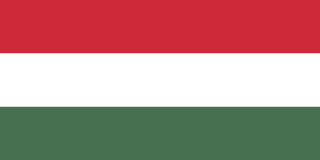
Welcome to Hungary
Hungary, known in Hungarian as Magyarország, is a landlocked country in Central Europe.
Its capital, Budapest, is famous for its bridges, architecture, thermal baths and the River Danube.
Beyond Budapest are historic cities, rural communities, vineyards, forests and the shores of Lake Balaton.
Hungary is celebrated for its music, literature, food, scientific achievements and cultural traditions.
Yet the country's greatest story is the story of its people.
Parents raising children. Teachers encouraging students. Farmers working the land. Nurses caring for patients. Grandparents remembering earlier generations.
And individuals facing poverty, illness, loneliness or uncertain futures.
"To understand Hungary, we must discover the humanity behind the flag."
🏡 A Day in the Life of Hungary
Imagine an ordinary morning somewhere in Hungary.
In Budapest, commuters board trams, buses and trains.
In Debrecen, a student prepares for university.
In Szeged, a shopkeeper opens for the day.
In Pécs, a nurse begins a hospital shift.
In a rural village, a farmer tends crops or livestock.
A parent prepares breakfast for a child.
A grandparent visits a local market.
A teacher welcomes students into a classroom.
Some households enjoy comfortable homes and secure employment.
Others struggle with financial pressure, housing, illness or isolation.
📜 Hungary's History and Identity
Hungary's history has been shaped by many peoples, kingdoms and political changes.
The Magyar tribes settled in the Carpathian Basin during the late ninth century.
The medieval Kingdom of Hungary developed around the year 1000, traditionally associated with King Stephen I.
Hungary later experienced Ottoman rule over much of its territory and periods of Habsburg control.
The Revolution of 1848 became an important chapter in Hungarian struggles for constitutional government and greater independence.
In 1867, Hungary became one of the two major parts of the Austro-Hungarian Empire.
Following the First World War, the empire collapsed.
The Treaty of Trianon in 1920 redrew Hungary's borders, leaving many ethnic Hungarians living in neighbouring states.
These historical changes continue to influence family memory and national identity.
"Understanding a nation means listening to the memories of its people and recognizing the complexity of its past."
🕯️ Hungary and the Second World War
Hungary's experience during the Second World War included military conflict, political repression and devastating civilian losses.
Hungary fought alongside the Axis powers for much of the war.
The Hungarian state introduced antisemitic laws that restricted the rights of Jewish citizens.
In March 1944, Nazi Germany occupied Hungary.
During 1944, hundreds of thousands of Hungarian Jews were deported, most to Auschwitz-Birkenau.
Roma people were also persecuted and murdered during the Holocaust.
Some individuals risked their lives to shelter or assist people facing persecution.
Others suffered through bombing, forced labour, fighting and displacement.
Remembering this history requires recognizing the victims and the responsibility of those who participated in persecution.
"Remembering the victims of hatred helps us recognize our responsibility to protect human dignity today."
🕊️ The Hungarian Revolution of 1956
One of the most meaningful events in modern Hungarian history began on October 23, 1956.
Students and other demonstrators called for political reform, national sovereignty and greater freedom.
The demonstrations grew into a nationwide uprising against Soviet-backed communist rule.
Many Hungarians hoped for a more independent and democratic future.
On November 4, 1956, Soviet forces launched a major military intervention to suppress the uprising.
People were killed or injured, and many others were imprisoned.
Approximately 200,000 Hungarians fled the country, seeking safety elsewhere.
Hungarian Refugees in Canada
Canada welcomed tens of thousands of Hungarian refugees following the uprising.
Many established new lives, raised families and contributed to Canadian society.
The memory of 1956 remains important to Hungarians around the world.
"Freedom is precious because every person deserves to live without fear and oppression."
🌍 Hungary's Diverse Communities
Hungarian society includes many cultural, ethnic and religious traditions.
Roma Communities
Roma people are an important part of Hungary's history and modern society.
Roma communities have contributed to music, arts, business, public life and many other fields.
However, some Roma families experience discrimination, poverty, residential segregation and unequal access to education, employment and healthcare.
Roma people have diverse identities, experiences and beliefs, and should never be treated as a single stereotype.
Hungarian Jewish Heritage
Jewish communities have contributed to Hungarian science, literature, commerce, music and cultural life for centuries.
The Holocaust devastated Jewish communities across the country.
Jewish religious and cultural life continues in Hungary today.
Other Communities
Hungary is also home to German, Slovak, Croatian, Romanian, Serbian and other minority communities.
Their languages, traditions and cultural identities form part of Hungary's shared heritage.
❤️ Family, Friendship and Community
Family relationships are important to many people in Hungary.
Grandparents, parents, children and extended relatives may gather for meals, birthdays, holidays and special occasions.
Some households include several generations, while others include couples, single parents or individuals living alone.
Friendships develop through schools, workplaces, sport, community groups and shared interests.
Many Hungarians have relatives living in other European countries, Canada, the United States and elsewhere.
Migration and historical events have shaped family connections across borders.
Some people experience loneliness, grief or family hardship.
"Family and community become meaningful when people know they are loved, valued and supported."
🎵 Hungarian Culture and Traditions
🎻 Music
Hungary has rich folk and classical music traditions. Composers including Franz Liszt, Béla Bartók and Zoltán Kodály made lasting contributions.
🍲 Food
Hungarian cuisine includes gulyás (goulash), pörkölt, paprikás dishes, lángos, dobos torte and many regional specialties.
♨️ Thermal Baths
Hungary is known for its thermal waters and baths, including historic facilities in Budapest and other regions.
🎨 Folk Traditions
Traditional embroidery, woodcraft, pottery, dance and folk costumes reflect distinct regional heritages.
📚 Literature
Hungarian poetry, novels, drama and storytelling reflect centuries of cultural and historical experience.
🏊 Sports
Water polo, swimming, football, fencing, handball and many other sports are enjoyed across Hungary.
🎓 Children and Education
Children throughout Hungary attend school, form friendships and develop their talents.
Education includes public schools, vocational pathways and universities.
Students learn languages, science, mathematics, history, arts and other subjects.
Some children have access to strong educational resources and opportunities.
Others face difficulties caused by poverty, discrimination, disability or housing insecurity.
Educational disparities can be especially significant in some disadvantaged rural communities.
Every child deserves a safe classroom, encouragement, friendship and a genuine opportunity to learn.
"No child's future should be defined by poverty, prejudice or the circumstances of birth."
🕊️ Faith, Spirituality and Beliefs
Christianity has played a major role in Hungary's history and culture.
Catholic and Reformed Protestant traditions are among the best known, alongside Lutheran and other Christian communities.
Hungary also has Jewish, Muslim, Buddhist and other religious communities.
Many people identify as non-religious.
Individuals differ in their beliefs about faith, spirituality and the meaning of life.
Respect for freedom of religion and conscience is an important part of human dignity.
"Our beliefs may differ, but kindness, belonging and compassion are needs we share."
🌿 Hungary's Landscapes and Natural Heritage
Hungary has a variety of natural landscapes, including plains, rivers, woodlands, hills and wetlands.
The Danube and Tisza rivers are important parts of the country's geography and history.
Lake Balaton is a popular destination for swimming, sailing and family holidays.
The Great Hungarian Plain has longstanding agricultural and pastoral traditions.
The Hortobágy region is recognized for its cultural landscape and natural heritage.
Environmental challenges include drought, water management, air pollution, extreme heat and biodiversity loss.
Protecting the environment means protecting the homes and livelihoods of future generations.
"Nature reminds us that the Earth belongs not only to those living today, but to those who follow."
🛠️ Work, Healthcare and Everyday Needs
People in Hungary work in manufacturing, agriculture, technology, healthcare, education, transportation, tourism and many other fields.
The economy includes automotive manufacturing, food production, electronics and service industries.
Hungary has public healthcare and education systems, along with various social assistance programmes.
However, access to services and economic opportunities may differ between regions and communities.
Some families enjoy stable employment and comfortable homes.
Others struggle with living costs, healthcare access, housing affordability or insecure work.
The desire for meaningful employment, a safe home and financial security is shared by families everywhere.
🌧️ Challenges Facing Hungary
Hungary has important social and economic achievements.
Yet some residents face serious difficulties in their daily lives.
Housing and Homelessness
Rising housing costs place pressure on some families. People experiencing homelessness need secure housing and appropriate support services.
Poverty
Some households experience deep poverty and material deprivation, particularly in disadvantaged communities.
Mental Health
Anxiety, depression, loneliness, trauma and other mental health challenges affect people of different ages.
Roma Inclusion
Some Roma families face discrimination and barriers to housing, education, employment and healthcare.
Older Adults
Some seniors experience financial pressure, loneliness or difficulties accessing appropriate care.
Regional Inequality
Some rural and disadvantaged regions face limited employment opportunities, transportation and access to services.
🏛️ Democracy, Freedom and Human Rights
Hungary is a parliamentary republic.
Its national legislature is the National Assembly, known in Hungarian as the Országgyűlés.
Hungary joined NATO in 1999 and the European Union in 2004.
Citizens participate in elections, public discussion, community organizations and political debate.
Public debates include the economy, healthcare, education, migration, media freedom, judicial independence and relations with the European Union.
European institutions and Hungarian authorities have disagreed on aspects of the rule of law and democratic governance.
Hungarian citizens hold many different political beliefs.
No government or political party represents every person's views or experiences.
The protection of human rights, accountability, the rule of law and peaceful political participation remains important to democratic life.
"Freedom carries the responsibility to respect the dignity and rights of others."
🎖️ Honouring Hungarian Soldiers, Veterans and Civilians
Hungary's military history includes the First World War, Second World War, the 1956 uprising and modern international military operations.
Soldiers and civilians suffered enormous losses during the two world wars.
Under different political systems, individual service members faced danger, injury, separation and difficult choices.
Remembering 1956
In 1956, ordinary people, students and members of the armed forces participated in the uprising against Soviet-backed communist rule.
Many paid a terrible price.
Families lost loved ones, and refugees were forced to rebuild their lives abroad.
Modern Service
Hungarian service members have participated in NATO and international peace-support operations.
Veterans and their families may require support for physical injuries, psychological trauma, grief and readjustment to civilian life.
Honouring those who served does not require supporting every past military or political decision.
It means remembering human sacrifice, recognizing civilian suffering and working to prevent future wars.
"May remembrance of sacrifice strengthen our commitment to peace, freedom and the dignity of every human life."
🤝 Hungarians Helping One Another
Across Hungary, volunteers, charities and community groups support people experiencing hardship.
Some help families facing food insecurity or housing difficulties.
Others provide assistance to seniors, people with disabilities, children, refugees and those experiencing social isolation.
Community organizations also preserve cultural traditions and provide opportunities for friendship and belonging.
These everyday acts demonstrate the importance of compassion and cooperation.
"Sometimes a single act of kindness can restore a person's sense of hope."
🌅 Hungary's Dreams for Tomorrow
Imagine a Hungary where every child has a secure home and a quality education.
Where families can afford daily necessities and reliable healthcare.
Where older adults receive dignity, companionship and care.
Where people experiencing homelessness receive stable housing and meaningful support.
Where Roma, Jewish and other communities are treated with equal respect.
Where political differences can be discussed without hatred or dehumanization.
Where the sacrifices of soldiers, resistance members and civilians are remembered.
Where cultural traditions and natural environments are preserved.
And where the lessons of 1956 inspire future generations to value freedom, dignity and peace.
"A peaceful future begins when every person is recognized as someone who matters."
🌎 Your Journey of Understanding
You have explored some of Hungary's history, culture, daily life and human challenges.
Now consider three questions that connect your mind, heart and spirit.
Click each question to reveal its reflection.
🧠 MENTALLY - What have you learned?
Before this journey, what came to mind when you thought of Hungary?
Budapest? The Danube? Traditional food? Thermal baths?
Did you also consider the 1956 uprising, the Holocaust, Roma heritage and the challenges of everyday families?
How has learning about Hungary's history changed your understanding?
Why is it important to separate the actions of governments from the individual lives of ordinary people?
❤️ EMOTIONALLY - What touched your heart?
Imagine a Hungarian family fleeing its homeland after the uprising of 1956.
A Jewish grandparent remembering relatives lost during the Holocaust.
A Roma child hoping for equal opportunities at school.
A senior living alone in a rural village.
A veteran carrying memories of military service.
How would hearing their individual stories change your understanding of Hungary?
What could compassion look like in action?
🕊️ SPIRITUALLY - What connects us?
Hungary's history includes struggles for freedom, war, persecution and rebuilding.
What can these experiences teach us about the value of human life?
Can people remember historical injustice without passing hatred to future generations?
How can we honour soldiers and civilians who suffered while working toward a more peaceful world?
Can inner peace help us respond to differences with greater understanding?
What small act of kindness could you offer today to help someone feel that they matter?
The Hungary Behind the Flag
Somewhere in Hungary, a mother prepares breakfast for her children.
A teacher encourages a student to follow a dream.
A musician plays a melody passed down through generations.
A grandparent remembers a family's journey to freedom.
A nurse comforts a patient.
A volunteer helps someone find a safe home.
A veteran remembers a fallen friend.
And somewhere, a young person dreams of a world with more compassion and less conflict.
"A heritage of music.
A history of courage.
A longing for freedom.
Countless human stories.
One shared humanity."
That is the Hungary behind the flag.
Return to Beginning Explore Another NationSources and Further Reading
Explore more information about Hungary's people, history, culture, democracy and social conditions.
European Commission — Hungary Country Report
European Commission — Roma Equality and Inclusion
Hungarian Central Statistical Office
United States Holocaust Memorial Museum
Embassy of Hungary — About Hungary
This page provides a broad introduction to Hungarian life and does not represent every individual's experiences, beliefs or political views.