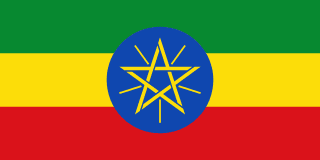
Welcome to Ethiopia
Ethiopia, officially the Federal Democratic Republic of Ethiopia, is a landlocked country in the Horn of Africa.
It borders Eritrea, Djibouti, Somalia, Kenya, South Sudan and Sudan.
Its capital, Addis Ababa, is a major African diplomatic centre and headquarters of the African Union.
Other important cities include Dire Dawa, Adama, Hawassa, Bahir Dar, Gondar, Mekelle, Jimma and Harar.
Ethiopia is known for its ancient civilizations, remarkable languages, cultural traditions, distinctive cuisine, coffee and natural landscapes.
But its greatest story is the story of its people.
Parents raising children. Farmers growing food. Teachers guiding students. Nurses caring for patients. Grandparents preserving family memories.
And people facing hunger, poverty, displacement, discrimination, illness or the consequences of armed conflict.
"To understand Ethiopia, we must discover the humanity behind its flag."
🏡 A Day in the Life of Ethiopia
Imagine an ordinary morning somewhere in Ethiopia.
In Addis Ababa, commuters travel to work while students prepare for school.
In Sidama, a farmer tends coffee plants and prepares for the day's work.
In Bahir Dar, a fisher heads toward Lake Tana.
In Harar, a shopkeeper opens a business along a historic street.
In the Ethiopian Highlands, a family tends crops or livestock.
In a village, a grandmother prepares coffee while relatives exchange news.
A nurse begins a hospital shift. A teacher welcomes children. A parent worries about how to provide the next meal.
Some families enjoy stable homes, employment and strong community connections.
Others face drought, conflict, unemployment, hunger or displacement.
🏛️ Ethiopia's Ancient Heritage
Ethiopia is home to some of humanity's most important archaeological discoveries and ancient cultural traditions.
Early Human History
The fossil known as Lucy, discovered in 1974 in Ethiopia's Afar region, is among the world's most famous early hominin discoveries.
Other Ethiopian fossil sites have provided valuable evidence about human evolution.
The Kingdom of Aksum
The ancient Kingdom of Aksum became a major centre of trade and political power during the first millennium CE.
It maintained connections with the Red Sea region and other parts of the ancient world.
Aksum is known for its monumental stone stelae and historical heritage.
Christian Heritage
Christianity became established in the Aksumite kingdom during the fourth century.
Ethiopian Christian traditions developed distinctive religious art, literature, music and architecture.
The Churches of Lalibela
The rock-hewn churches of Lalibela are internationally recognized for their architecture and spiritual significance.
They remain important places of worship and cultural heritage.
Ancient Knowledge and Traditions
Ethiopia's long history includes distinctive written traditions, calendars, literature, architecture and systems of learning.
"Ancient monuments remind us of human achievement, but behind every monument were people whose lives and labour made it possible."
🎖️ The Battle of Adwa - A Historic Defence of Independence
One of the most celebrated events in Ethiopian history is the Battle of Adwa.
March 1, 1896
Italian forces attempted to expand colonial control over Ethiopia during the late nineteenth century.
Emperor Menelik II and Empress Taytu Betul played important roles in mobilizing Ethiopian resistance.
On March 1, 1896, Ethiopian forces defeated the Italian army at Adwa.
An International Symbol
The victory helped preserve Ethiopian independence and became an important symbol of African resistance to European colonial expansion.
Its significance was felt well beyond Ethiopia's borders.
The Human Cost
The battle also brought suffering, injury and death among military personnel.
Families waited anxiously for loved ones to return.
Historical remembrance can celebrate independence while recognizing the human cost of war.
"A people's freedom is precious, and the greatest legacy of courage is the protection of future generations."
📜 Ethiopia's Modern History
Ethiopia's twentieth-century history includes resistance to occupation, political transformation, famine and struggles over national identity.
Italian Invasion and Occupation
In 1935, Fascist Italy invaded Ethiopia.
Italian forces occupied Addis Ababa in 1936, and Emperor Haile Selassie went into exile.
During the occupation, Italian authorities committed serious atrocities against Ethiopian civilians, including massacres and the use of chemical weapons.
Ethiopian resistance fighters continued opposing occupation.
With British and Commonwealth assistance, Ethiopian forces helped end Italian control in 1941.
The Imperial Period
Haile Selassie returned to the throne, and Ethiopia continued developing its international relationships.
Addis Ababa hosted the founding of the Organization of African Unity in 1963.
However, political inequality, economic hardship and famine contributed to growing discontent.
The 1974 Revolution
In 1974, a military committee known as the Derg overthrew Haile Selassie.
The new government introduced major political and economic changes.
Political Repression
Under the Derg, many people experienced imprisonment, executions, forced displacement and state repression.
The period known as the Red Terror caused extensive suffering.
War and famine also affected numerous communities.
The Changes of 1991
In 1991, the Derg government was overthrown.
Ethiopia subsequently adopted a federal political system based on regional states.
Eritrea became independent in 1993 following a referendum.
"The history of a nation must include both its achievements and the suffering of those who lived through its darkest years."
🕯️ Recent Armed Conflicts and Civilian Suffering
Ethiopia has experienced serious internal conflicts in recent years.
The Tigray Conflict
In November 2020, fighting began between Ethiopian federal forces and the Tigray People's Liberation Front.
Other armed actors, including Eritrean forces and regional forces, became involved.
The war caused extensive loss of life, displacement, destruction and humanitarian hardship.
Civilians experienced killings, sexual violence, interruptions to healthcare, food shortages and separation from their families.
Investigations by international human rights bodies documented serious violations by multiple parties.
Conflicts in Other Regions
Violence and insecurity have also affected parts of Amhara, Oromia and other regions.
Different armed groups, government forces and local communities have been involved in complex conflicts.
Families have lost homes, livelihoods and access to schools or medical care.
The Human Meaning
Every conflict is experienced through individual lives.
A child whose school closes.
A mother searching for a missing family member.
A farmer forced to leave crops behind.
A nurse treating people with limited supplies.
A veteran returning home with memories that remain difficult to discuss.
"The suffering of civilians must never become invisible behind the names of armies, political movements or governments."
🕊️ The Pretoria Agreement and the Continuing Search for Peace
On November 2, 2022, the Ethiopian federal government and the Tigray People's Liberation Front signed an African Union-supported cessation of hostilities agreement in Pretoria, South Africa.
The agreement sought to end major fighting and create conditions for humanitarian assistance, disarmament, restoration of services and political dialogue.
Steps Toward Recovery
The reduction of large-scale fighting created opportunities to reunite families, restore services and begin rebuilding communities.
However, recovery has been uneven and many people remain displaced.
Continuing Challenges
Outstanding disputes and renewed tensions have threatened the agreement's implementation.
In January 2026, the African Union appealed for restraint following concerning developments in Tigray.
Armed violence has also continued in other regions of Ethiopia.
What Lasting Peace Requires
Peacebuilding involves more than stopping gunfire.
It requires safety for civilians, humanitarian access, justice, accountability, recovery of livelihoods and opportunities for dialogue.
Survivors must be able to seek truth and support without being pressured to forgive or forget.
"A peace agreement can open the door. Humanity must work together to help people walk through it safely."
🌍 Ethiopia's Many Languages and Communities
Ethiopia is home to extraordinary ethnic, linguistic and cultural diversity.
Major communities include Oromo, Amhara, Somali, Tigrayan, Sidama, Afar and many others.
Languages spoken across the country include Afaan Oromo, Amharic, Somali, Tigrinya, Sidama and numerous additional languages.
Different communities maintain distinctive traditions, histories, cuisines, literature and ways of life.
Some live in major cities, while others have longstanding connections to rural and pastoral environments.
Ethiopia's diversity contributes to its cultural richness but has also been connected to political disputes over representation, territory and resources.
People should never be judged collectively for the actions of armed groups or political leaders who claim to represent them.
❤️ Family, Friendship and Community
Family relationships and community connections are important to many Ethiopians.
Households may include parents, children, grandparents and extended relatives.
Families often gather for meals, coffee ceremonies, religious celebrations and community occasions.
Neighbours may support one another through local associations and shared community responsibilities.
Many Ethiopian families also have relatives living abroad, including in Canada, the United States, Europe and other African countries.
These connections provide cultural exchange and practical assistance, but migration can create painful separation.
Conflict and displacement have also divided families.
Some grandparents are caring for children whose parents have died or moved away.
Others struggle with financial hardship, illness or the loss of loved ones.
"Family and community are strongest when each person's life is treated with love, respect and compassion."
🎵 Ethiopian Culture and Traditions
☕ Coffee Ceremony
Traditional Ethiopian coffee ceremonies bring people together through roasting, brewing, conversation and hospitality.
🍲 Food
Injera, shiro, wat stews, lentils, vegetables and numerous regional dishes reflect Ethiopia's culinary diversity.
🎶 Music
Ethiopia has distinctive traditional musical styles, instruments and contemporary performers representing different regions and communities.
💃 Dance
Regional dance traditions include expressive shoulder movements, group performances and cultural celebrations.
📚 Languages and Literature
Ethiopian written traditions include Ge'ez manuscripts, poetry, historical chronicles and modern literature in many languages.
🏃 Sport
Ethiopia has an internationally celebrated tradition in distance running, alongside football and other sports.
🎓 Children and Education
Children throughout Ethiopia attend schools, develop friendships and discover their abilities.
The country has expanded access to education over recent decades.
Students learn languages, mathematics, science, history and other subjects.
However, opportunities differ considerably between regions and households.
Some children face poverty, malnutrition, disability-related barriers or long journeys to school.
Armed conflict has damaged schools and disrupted education for many young people.
Displacement can make it difficult for children to maintain friendships, routines and access to learning.
Girls in some communities face additional barriers to education and safety.
Every child deserves nutritious food, a safe home, caring adults, friendship and the opportunity to learn.
"No child's future should be determined by war, hunger, displacement or the circumstances of their birth."
🕊️ Faith, Spirituality and Beliefs
Ethiopia has a remarkable religious history.
The Ethiopian Orthodox Tewahedo Church is among the world's ancient Christian traditions.
Islam also has a longstanding history in Ethiopia, with Muslim communities playing significant roles in society.
Protestant Christian communities, traditional spiritual practices and other beliefs are part of the country's diversity.
Harar is recognized for its Islamic cultural and historical significance.
Lalibela and Aksum are important to Ethiopian Christian history and worship.
People of different beliefs may find meaning through prayer, family, service, nature and community.
Respect for freedom of belief, conscience and religious safety is essential to human dignity.
"Our spiritual traditions may differ, but compassion and the need to belong connect all humanity."
🌄 Mountains, Valleys, Rivers and Wildlife
Ethiopia contains some of Africa's most remarkable landscapes and ecosystems.
The Simien Mountains
The Simien Mountains feature dramatic cliffs, highland ecosystems and wildlife, including the Ethiopian wolf's high-altitude habitat in the wider highlands and the gelada monkey in the Simien region.
The Bale Mountains
Bale Mountains National Park protects highland habitats, forests and rare wildlife, including the endangered Ethiopian wolf.
The Great Rift Valley
The Ethiopian Rift Valley contains lakes, volcanic landscapes and important ecological regions.
Lake Tana and the Blue Nile
Lake Tana is the source of the Blue Nile, one of the major tributaries of the Nile River.
The Danakil Depression
The Danakil region is known for extreme heat, salt formations and striking geological landscapes.
Environmental Challenges
Drought, flooding, soil degradation, deforestation and climate change affect many Ethiopian communities.
These pressures can disrupt farming, livestock production, water access and food security.
"Protecting Ethiopia's natural world also means protecting the people and animals whose lives depend upon it."
🛠️ Work, Healthcare and Everyday Needs
Ethiopians work in farming, pastoralism, manufacturing, education, healthcare, transportation, construction, technology and many other fields.
Agriculture is especially important to rural livelihoods and the national economy.
Coffee is one of Ethiopia's well-known agricultural exports.
Many families depend on small farms, livestock or informal businesses.
Healthcare access has improved in some areas, but significant gaps remain, especially where conflict and displacement have damaged services.
Some communities face long journeys to clinics, shortages of medicines or difficulties obtaining clean water.
Inflation and employment pressures can make daily necessities difficult to afford.
Every person deserves adequate nutrition, safe housing, healthcare, education and the opportunity for meaningful work.
🌧️ Challenges Facing Ethiopia
Ethiopia has rich cultural traditions and considerable human potential, but many communities face severe humanitarian challenges.
Hunger and Malnutrition
Conflict, drought, flooding and economic pressures have contributed to serious food insecurity in multiple regions.
Displacement
Armed violence and natural disasters have forced many families to leave their homes and livelihoods.
Healthcare
Some communities have limited access to medicines, maternity care, treatment and functioning healthcare facilities.
Mental Health and Trauma
Survivors of war, displacement, sexual violence and family loss may need long-term psychological and social support.
Education
Conflict-related school closures, poverty and other barriers can interrupt children's education.
Water and Climate
Recurring drought, flooding and environmental damage can threaten drinking water, crops and livestock.
Humanitarian Needs
The European Commission reports that the last agreed nationwide assessment, from 2024, identified approximately 21.4 million people needing humanitarian assistance.
A comparable updated official nationwide figure was not available for 2026, and humanitarian conditions differ substantially between regions.
Conflict, natural hazards and disease outbreaks continue to create serious risks.
🎖️ Honouring Ethiopian Soldiers, Veterans and Civilians
Ethiopia's military history includes the defence of independence, resistance to foreign occupation, regional wars and modern national service.
The Battle of Adwa
In 1896, Ethiopian forces defended the country's independence against Italian colonial expansion.
Many soldiers and families experienced sacrifice, loss and grief.
Resistance to Fascist Occupation
During the Italian invasion and occupation of 1935–1941, Ethiopian resistance fighters opposed foreign control.
Italian military atrocities also caused extensive civilian suffering.
Later Conflicts
Ethiopian service members fought in conflicts involving Somalia, Eritrea and internal armed opposition movements.
Ethiopian forces have also contributed to international and African peace operations.
The Tigray War and Other Conflicts
Recent fighting has involved federal, regional and other armed forces.
Military personnel and civilians have died, been injured or suffered lasting trauma.
Recognizing service does not require excusing abuses committed by any armed actor.
Remembering Civilian Victims
Women, children, older adults, displaced families and other civilians have suffered through conflict, persecution and humanitarian crises.
All victims deserve truthful remembrance and appropriate support.
Veterans and Families
Veterans may return home with physical injuries, grief, emotional trauma or difficulty rebuilding their lives.
Families may also carry the lasting effects of military service and war.
"The greatest tribute to those who died in war is to protect children from experiencing the same suffering."
🤝 Ethiopians Helping One Another
Throughout Ethiopia, volunteers, community groups, humanitarian organizations, healthcare workers and neighbours help people experiencing hardship.
Some provide food, water, emergency shelter or medical assistance.
Others support displaced families, children, older adults and people with disabilities.
Community associations and local traditions of mutual support help families respond to emergencies and unexpected expenses.
Religious and civic organizations contribute to education, healthcare and charitable activities.
These acts of kindness demonstrate that compassion can survive even during severe hardship.
"Sometimes one person helping another is the first step toward rebuilding hope."
🌅 Ethiopia's Dreams for Tomorrow
Imagine an Ethiopia where every child grows up without fear of armed violence.
Where families can return safely to their homes and rebuild their livelihoods.
Where every household has access to adequate food and clean water.
Where schools remain open and every child has the opportunity to learn.
Where hospitals and clinics have the supplies needed to care for patients.
Where veterans and survivors of conflict receive appropriate treatment and support.
Where women and girls are protected from violence and discrimination.
Where older adults receive dignity, companionship and care.
Where Ethiopia's many linguistic and cultural communities live together with equal dignity.
Where disagreements are addressed through dialogue, accountability and peaceful institutions.
Where the legacy of Adwa inspires the protection of independence without turning differences between communities into hatred.
Where ancient heritage and magnificent natural landscapes are preserved.
And where every person has the opportunity to live with security, belonging, freedom and peace.
"A nation's greatest future is one where every human life has the opportunity to flourish."
🌎 Your Journey of Understanding
You have explored Ethiopia's ancient civilizations, cultural traditions, struggle for independence, recent conflicts and hopes for peace.
Now consider three reflections connecting your mind, heart and spirit. Click each question to reveal its reflection.
🧠 MENTALLY - What have you learned?
Before this journey, what came to mind when you thought of Ethiopia?
Coffee? Ancient churches? Distance runners? The Highlands?
Did you also know about the Kingdom of Aksum, the Battle of Adwa, the 1935 Italian invasion and the Pretoria peace agreement?
What can Ethiopia's history teach us about the importance of independence and human dignity?
Why must we distinguish ordinary people from the actions of governments and armed groups?
How can historical knowledge help us understand present-day humanitarian needs?
❤️ EMOTIONALLY - What touched your heart?
Imagine an Ethiopian mother trying to find enough food for her children.
A grandparent forced to leave home because of armed violence.
A student whose school has been closed by conflict.
A nurse caring for patients without enough medicine.
A farmer worried that drought will destroy the next harvest.
A veteran remembering friends who never returned.
A family hoping to reunite after years of displacement.
Which story touches your heart most deeply?
What could compassion look like in action?
🕊️ SPIRITUALLY - What connects us?
Ethiopia's history includes ancient wisdom, resistance to occupation, periods of oppression and difficult conflicts.
What can its experiences teach us about the responsibility to protect human life?
Can pride in national independence exist alongside compassion for people from every region and community?
How can truth, justice and understanding help people recover from the emotional wounds of war?
Can we honour soldiers while also remembering civilians and advocating for peace?
What does inner peace mean when the world around us is experiencing hardship?
What small act of kindness could you offer today to help another person feel that they matter?
The Ethiopia Behind the Flag
Somewhere in Ethiopia, a mother prepares breakfast for her children.
A teacher encourages a student to follow a dream.
A farmer works among green highland fields.
A family gathers for a traditional coffee ceremony.
A grandparent remembers stories passed through generations.
A nurse comforts a patient.
A volunteer brings food to a displaced family.
A veteran remembers a fallen friend.
A child waits for the day when school will reopen.
And somewhere, a young person dreams of a country where every community can live in dignity, safety and peace.
"An ancient heritage of extraordinary depth.
A history of courage and independence.
Families seeking healing and hope.
Countless human stories.
One shared humanity."
That is the Ethiopia behind the flag.
Return to Beginning Explore Another NationSources and Further Reading
Learn more about Ethiopia's history, humanitarian needs, peacebuilding, cultural heritage and people.
Encyclopaedia Britannica - Ethiopia
African Union - Call for Restraint in Tigray, January 2026
African Union - Pretoria Cessation of Hostilities Agreement
European Commission - Ethiopia Humanitarian Situation
FAO - Emergency and Food Security in Ethiopia
UNESCO - Ethiopia World Heritage
World Bank - Ethiopia Overview
This page provides a broad, human-centred introduction and does not represent every Ethiopian person's experiences, beliefs or political views.