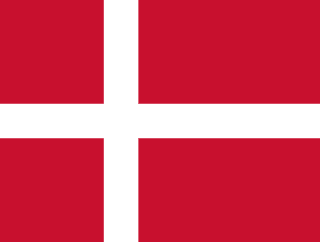
Welcome to Denmark
Denmark is a Northern European country known for its islands, coastlines, historic towns, bicycle culture and modern cities.
From Copenhagen's waterfront and canals to the countryside of Jutland, Denmark has many different communities and ways of life.
Denmark is known for its social services, architecture, innovation, education, design and cultural traditions.
But Denmark is more than its international reputation for well-being and social progress.
It is the story of parents raising children, teachers encouraging students, workers supporting families and seniors sharing their memories.
Like every nation, Denmark has achievements to celebrate and challenges to confront.
"To understand Denmark, we must discover the humanity behind its flag."
🏡 A Day in the Life of Denmark
Imagine an ordinary morning somewhere in Denmark.
In Copenhagen, people cycle to work or board buses, trains and the metro.
In Aarhus, students prepare for university.
In Odense, a parent helps children get ready for school.
In Aalborg, workers begin another day in business, industry or public services.
In a rural community, a farmer checks on crops or livestock.
A nurse begins a hospital shift. A teacher welcomes students. A senior meets friends for coffee.
Some families have secure homes, stable employment and financial comfort.
Others struggle with loneliness, economic pressures, illness or housing difficulties.
📜 Denmark's History and Identity
Denmark has a long history stretching back many centuries.
During the Viking Age, people from the region travelled, traded, settled and fought across parts of Europe.
Denmark later developed into a kingdom with important maritime, commercial and political connections.
Its history includes periods of regional power, colonial activity and political change.
Denmark's colonial past includes involvement in the transatlantic slave trade and colonial rule in the Caribbean.
These histories continue to raise questions about justice, remembrance and responsibility.
Denmark During the Second World War
Nazi Germany occupied Denmark in April 1940.
The occupation lasted until May 1945.
During the occupation, resistance movements developed and many Danes participated in activities against Nazi rule.
In 1943, a large majority of Denmark's Jewish population escaped to safety in neutral Sweden, with assistance from fellow citizens and others.
This rescue remains an important story of courage and human solidarity.
Today, Denmark's history continues to influence its national identity and international relationships.
"The lessons of history become meaningful when we use them to protect human life today."
❤️ Family, Friendship and Community
Family relationships and friendships are important to many people in Denmark.
Families come in different forms, including parents and children, single-parent households, couples, extended families and people living alone.
Denmark has parental leave and childcare arrangements designed to support families and working life.
Community connections may develop through schools, neighbourhoods, sports clubs, volunteer groups and shared interests.
Many people enjoy gatherings with family and friends, especially during holidays and special occasions.
Yet some individuals experience loneliness, family difficulties or social isolation.
"Belonging begins when someone knows they are not alone."
🎵 Danish Culture and Traditions
Danish culture includes music, literature, architecture, food, design and a wide range of community traditions.
☕ Hygge
Hygge describes a feeling of warmth, comfort and togetherness. It may be found in a quiet evening, a shared meal or time with friends and family.
🍽️ Food
Traditional Danish foods include smørrebrød, open-faced sandwiches, rye bread, frikadeller, fish dishes and pastries.
📚 Literature
Hans Christian Andersen is one of Denmark's best-known writers. His fairy tales have reached readers across the world.
🎨 Design
Danish furniture, architecture, craftsmanship and industrial design are internationally recognized.
🎉 Celebrations
Christmas, Fastelavn, Constitution Day and Midsummer traditions bring many people together.
⚽ Sports
Football, handball, cycling, badminton and other sports are enjoyed throughout Denmark.
🎓 Children and Education
Children throughout Denmark attend school, build friendships and develop their individual talents.
Denmark provides publicly funded education and a range of childcare services.
Its education system includes the folkeskole, which provides primary and lower-secondary education.
Many schools emphasize learning, social development and participation in group activities.
Children may participate in sports, music, arts and outdoor recreation.
However, some students experience bullying, mental health challenges, family hardship or unequal opportunities.
Every child deserves a safe place to learn and the encouragement to follow their dreams.
"Every child's future matters, regardless of the circumstances into which they are born."
🕯️ Hygge — Finding Peace in Everyday Life
The Danish word hygge is often associated with comfort, warmth, relaxation and togetherness.
It may describe sharing coffee with a friend, reading near a window, enjoying a family meal or spending time in a welcoming home.
Hygge is not a guarantee of happiness, nor does it remove hardship from daily life.
Instead, it offers a way of appreciating moments of connection and ordinary comfort.
Hygge and Inner Peace
Inner peace can grow through gratitude, kindness, reflection and supportive relationships.
But it is also important to recognize that not everyone has a safe home or supportive community.
Offering warmth and welcome to someone who feels excluded can be an expression of the same values that hygge celebrates.
"Peace within becomes more meaningful when it inspires love without."
🕊️ Faith, Spirituality and Beliefs
Christianity, particularly Lutheran Christianity, has influenced Danish history and culture.
The Evangelical Lutheran Church is Denmark's established church.
Denmark is also home to Muslim, Catholic, Orthodox, Jewish, Buddhist, Hindu and other communities.
Many people identify as non-religious.
Individuals find meaning through faith, family, nature, personal values and service to others.
Freedom of religion and conscience are important parts of a society that respects human dignity.
"We do not need to share the same beliefs to share the same compassion."
🌍 Denmark, Greenland and the Faroe Islands
The Kingdom of Denmark includes Denmark, Greenland and the Faroe Islands.
Greenland and the Faroe Islands each have their own histories, cultures and self-government arrangements.
Greenland is home to an Indigenous Inuit population with distinct languages, traditions and connections to its environment.
The Faroe Islands have their own language, cultural heritage and political institutions.
These communities should not be treated simply as extensions of Denmark.
Relations within the Kingdom include ongoing debates about autonomy, historical responsibility and self-determination.
Understanding their different perspectives is important to respecting the humanity of all communities.
🛠️ Work, Healthcare and Everyday Needs
People in Denmark work in healthcare, education, manufacturing, agriculture, shipping, technology, renewable energy and many other fields.
Denmark has publicly funded healthcare, education and a substantial social welfare system.
These arrangements provide important support to many families.
However, social services do not eliminate every form of poverty, unemployment, loneliness or housing insecurity.
Some households have stable employment and comfortable homes.
Others face economic challenges, illness or difficulty finding suitable housing.
The desire for security, purpose and belonging is shared by families everywhere.
🌧️ Challenges Facing Denmark
Denmark has strong public institutions and many social achievements.
Yet people still experience serious personal and social difficulties.
Homelessness
Denmark's 2026 national survey recorded 6,028 people experiencing homelessness. Housing First approaches are part of efforts to provide lasting support.
Mental Health
Depression, anxiety, loneliness, trauma and other mental health challenges affect people across different ages and communities.
Addiction
Some individuals experience harmful alcohol or drug use. Accessible treatment, housing and community support can help people recover.
Older Adults
Some seniors experience loneliness, health challenges and difficulties obtaining the support they need.
Social Inclusion
Some newcomers and minority communities face barriers involving employment, discrimination or belonging.
Housing and Living Costs
Some households experience financial pressure related to rent, housing availability and other expenses.
🏛️ Democracy, Equality and Human Rights
Denmark is a constitutional monarchy and parliamentary democracy.
Its national parliament is known as the Folketing.
Citizens participate in elections, civic organizations and public debate.
Denmark has a long tradition of democratic institutions and social protections.
Political debates include immigration, housing, economic policy, social services, climate change and national security.
Questions involving discrimination, minority rights, freedom of expression and equality remain important.
Different political parties and institutions do not speak for every Danish citizen.
Respect for human rights, the rule of law and peaceful participation are essential to democratic life.
"Democracy is strengthened when people disagree without forgetting the dignity of others."
🌱 Environment and Responsibility
Denmark is internationally known for wind energy, cycling and environmental initiatives.
Its coastlines, farmland, wetlands and marine environments are important parts of national life.
Climate change, pollution, biodiversity loss and agricultural land use present environmental challenges.
Scientists, businesses, communities and public institutions are involved in developing responses.
Protecting the environment also involves considering the needs of future generations.
"The world we leave behind will become the home of those who follow us."
🎖️ Honouring Danish Soldiers and Veterans
Denmark has a long history of military service and international cooperation.
Danish service members have participated in peacekeeping, defense and military operations in different parts of the world.
Denmark was a founding member of NATO in 1949.
Danish personnel have contributed to United Nations operations since 1948 and served in missions in the Balkans, Afghanistan, Iraq and other regions.
According to the Danish Armed Forces, more than 60,000 Danish service members have participated in international deployments through UN, NATO or other coalitions.
Some service members lost their lives or returned with serious injuries.
Other veterans live with psychological trauma, grief or challenges adjusting to civilian life.
Their families may also carry the effects of separation and military service.
Honouring soldiers means recognizing sacrifice, supporting veterans and remembering the civilians who suffer during conflict.
It also means working toward a future where peace is protected and human rights are respected.
"May remembering those who served strengthen our determination to build peace for future generations."
🤝 The Danish Spirit of Helping Others
Across Denmark, volunteers and community organizations support people experiencing hardship.
Some provide food assistance, homelessness services, counselling and housing support.
Others help seniors, young people, refugees and individuals facing mental health difficulties.
Local associations, sports clubs, charities and neighbourhood initiatives create opportunities for friendship and participation.
These contributions demonstrate that compassion is not limited to government services.
Ordinary people can make a meaningful difference in the lives of others.
"Sometimes the greatest act of humanity is helping one person feel less alone."
🌅 Denmark's Dreams for Tomorrow
Imagine a Denmark where every child can grow up feeling safe, valued and encouraged.
Where people experiencing homelessness receive stable housing and meaningful support.
Where older adults receive dignity, companionship and care.
Where mental health services are accessible to people who need them.
Where newcomers and long-established communities can build friendship and understanding.
Where people of different cultures and beliefs can participate fully in society.
Where veterans and their families receive appropriate recognition and assistance.
Where the natural environment is protected for future generations.
And where international differences are resolved through dialogue, cooperation and respect for human life.
"A nation's greatest success is found in the opportunities, dignity and hope of its people."
🌎 Your Journey of Understanding
You have explored some of Denmark's history, traditions, daily life and challenges.
Now consider three questions that connect your mind, heart and spirit.
Click each question to reveal its reflection.
🧠 MENTALLY - What have you learned?
Before this journey, what did you think about when you heard Denmark?
Copenhagen? Cycling? Hygge? Social programs?
Did you also consider the people experiencing homelessness, mental health challenges or loneliness?
What did you learn about Denmark's history, culture and relationship with Greenland and the Faroe Islands?
Can a country have strong social systems and still need to improve how it supports vulnerable people?
❤️ EMOTIONALLY - What touched your heart?
Imagine an older person living alone during a long winter.
A person sleeping without a secure home in a country known for prosperity.
A child feeling excluded at school.
A veteran coping with memories of military service.
A family trying to rebuild its life after serious hardship.
How would hearing their individual stories change your understanding?
What could compassion look like in action?
🕊️ SPIRITUALLY - What connects us?
The idea of hygge reminds many people of warmth and human connection.
But what happens when someone has no safe home or supportive community?
Can inner peace become more meaningful when we offer kindness to others?
What does human dignity mean to you?
How can we honour soldiers, support vulnerable people and seek peace at the same time?
What small act of kindness could you offer today to help someone feel that they matter?
The Denmark Behind the Flag
Somewhere in Denmark, a parent is preparing breakfast for a child.
A teacher is helping a student discover something new.
A senior is sharing coffee with a friend.
A nurse is caring for someone in need.
A volunteer is helping a person find a safe home.
A veteran is remembering a fallen friend.
A young person is hoping for a brighter future.
And somewhere, someone is offering a small act of kindness that makes another person feel valued.
"Many traditions.
Many life experiences.
Countless human stories.
One shared humanity."
That is the Denmark behind the flag.
Return to Beginning Explore Another NationSources and Further Reading
For more information about Denmark's culture, society, homelessness and military history:
Denmark.dk — Official Information
Danish Armed Forces — International Roles
The Danish Parliament — Folketing
This page provides a broad introduction to Denmark and does not represent every person's experiences or beliefs.