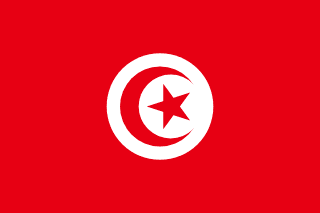
Welcome to Tunisia
Tunisia, officially the Republic of Tunisia, is a country in North Africa.
It borders Algeria and Libya and has an extensive coastline along the Mediterranean Sea.
Its capital and largest city is Tunis.
Other important cities include Sfax, Sousse, Kairouan, Bizerte, Gabès, Monastir, Nabeul, Gafsa and Tozeur.
Tunisia is known for its ancient civilizations, Mediterranean culture, Islamic heritage, traditional crafts, beautiful coastlines and desert landscapes.
Its history includes Carthage, Roman rule, Arab and Amazigh traditions, Ottoman influence, French colonialism, independence and the revolution of 2011.
But Tunisia is much more than its historic monuments, tourism or political history.
It is parents raising children, teachers encouraging students, farmers growing food, nurses caring for patients and grandparents preserving memories.
It is also people experiencing poverty, unemployment, illness, loneliness, discrimination or difficulties accessing opportunities.
"To understand Tunisia, we must discover the humanity behind its flag."
🏡 A Day in the Life of Tunisia
Imagine an ordinary morning somewhere in Tunisia.
In Tunis, a mother prepares breakfast before the children leave for school.
In Sfax, a business owner opens a shop.
In Sousse, a hospitality worker prepares to welcome visitors.
In Kairouan, an artisan begins another day preserving traditional craftsmanship.
In the countryside, a farmer tends olive trees beneath the morning sun.
In Gabès, a family prepares for a day near the coast.
In Tozeur, a worker tends date palms in an oasis.
In a hospital, a nurse comforts a patient.
In a university, a student hopes to build a future filled with opportunity.
Some households enjoy secure employment, comfortable homes and strong community relationships.
Others struggle with living expenses, unemployment, housing insecurity or inadequate services.
🏛️ Ancient Tunisia and Its Earliest Communities
Tunisia's human history stretches back thousands of years.
Early Peoples
Amazigh communities have longstanding roots in North Africa, including the territory of present-day Tunisia.
Agriculture and Trade
Ancient communities developed farming, craftsmanship, fishing and commercial connections.
The Mediterranean
Tunisia's location encouraged contact between North Africa and other Mediterranean societies.
Cultural Exchange
People exchanged languages, ideas, technologies and religious traditions.
Human Heritage
Every archaeological site reveals evidence of individuals who worked, loved, raised families and created communities.
"History belongs not only to kings and armies, but to the countless ordinary people who lived before us."
⛵ Carthage - A Great Mediterranean Civilization
Carthage became one of the most influential cities of the ancient Mediterranean world.
Phoenician Foundations
Carthage was founded by Phoenician settlers, traditionally dated to the ninth century BCE.
Trade and Seafaring
The city developed extensive maritime networks and commercial relationships.
A Powerful State
Carthage became a major political and economic power in the western Mediterranean.
Hannibal
The Carthaginian general Hannibal is remembered for his campaigns against Rome during the Second Punic War.
The Punic Wars
Conflict between Carthage and Rome brought devastating military and civilian suffering.
146 BCE
Roman forces destroyed Carthage after the Third Punic War and enslaved many survivors.
The Human Lesson
Military history may celebrate strategy and power, but every war also affects ordinary human lives.
"Cities can fall and empires can disappear, but the value of the lives once lived within them remains."
🏛️ Roman Tunisia and Its Cultural Heritage
Following the defeat of Carthage, much of present-day Tunisia became part of Roman North Africa.
Roman Cities
Towns developed with roads, marketplaces, public buildings and infrastructure.
El Jem
The Amphitheatre of El Jem is one of Tunisia's most famous archaeological landmarks.
Dougga
Dougga preserves remarkable remains of an ancient city with Numidian and Roman heritage.
Agriculture
North African farms supplied grain, olive oil and other products to the wider Roman world.
Christian Heritage
Christian communities developed in Roman North Africa and contributed to religious and intellectual history.
Social Inequality
Ancient societies also relied on enslaved labour and unequal systems of social power.
"Ancient monuments remind us of human creativity, but also invite us to remember the workers whose names history did not preserve."
🕌 Islamic, Amazigh and Mediterranean Heritage
Beginning in the seventh century, Arab Muslim expansion brought major political, linguistic and religious changes to North Africa.
Kairouan
Kairouan became an important centre of Islamic learning, religious life and architecture.
The Great Mosque
The Great Mosque of Kairouan is among the important historic Islamic monuments in North Africa.
Arabic Language
Arabic gradually became an influential language throughout the region.
Amazigh Heritage
Amazigh communities continued preserving distinctive languages, customs and cultural traditions.
Medieval States
Different dynasties governed parts of Tunisia and surrounding territories through the medieval period.
Ottoman Influence
Tunisia later became associated with the Ottoman Empire, while local rulers exercised varying degrees of autonomy.
Shared Cultural Heritage
Modern Tunisian culture reflects many generations of African, Arab, Amazigh, Mediterranean and other influences.
"Cultural diversity is not a weakness. It is evidence of the many human journeys that shape a society."
🕯️ French Colonial Rule and the Struggle for Independence
In 1881, France established a protectorate over Tunisia.
Colonial Administration
French institutions exercised significant control over political and economic decisions.
Land and Labour
Colonial policies affected farming, trade, land ownership and employment.
Education and Infrastructure
New institutions and infrastructure developed, but access and benefits were not distributed equally.
Nationalist Movements
Tunisian political leaders, workers and community organizations advocated independence.
Habib Bourguiba
Habib Bourguiba became a major figure in the independence movement.
Conflict and Repression
Opposition to colonial rule involved arrests, violence and suffering among activists and civilians.
🇹🇳 Independence - March 20, 1956
Tunisia gained independence from France on March 20, 1956.
A New Beginning
Independence opened the way for national institutions and new social policies.
1957 - Republic
Tunisia abolished the monarchy and became a republic in July 1957.
Habib Bourguiba
Bourguiba became the country's first president.
Public Services
Post-independence governments expanded education, healthcare and public institutions.
Modernization
Changes to family law and social policy shaped Tunisian society.
Political Restrictions
Despite social reforms, the government maintained authoritarian controls and restrictions on political opposition.
Different Experiences
Some Tunisians remember the reforms and national development positively, while others remember repression and limited political freedoms.
"Independence is a promise that every citizen deserves the opportunity to live with dignity and freedom."
❤️ Women's Rights, Families and Social Change
Tunisia has a significant history of legal reforms involving women and family life.
1956 Personal Status Code
Changes introduced after independence included a ban on polygamy and reforms to marriage and divorce law.
Education
Girls and women expanded their participation in education and professional life.
Employment
Women contribute to healthcare, teaching, business, public service, science and many other fields.
Continuing Inequality
Despite reforms, differences remain involving employment opportunities, inheritance law, economic security and violence against women.
Individual Experiences
No single account can represent all Tunisian women's experiences or beliefs.
Human Dignity
Every woman and girl deserves safety, education, autonomy and equal respect.
🕊️ The Tunisian Revolution of 2010–2011
The Tunisian Revolution became a defining event in modern world history.
December 17, 2010
Mohamed Bouazizi, a street vendor in Sidi Bouzid, set himself on fire after a confrontation involving local officials.
Public Protests
His desperate act became a catalyst for protests against unemployment, corruption, police abuses and the lack of political freedom.
Freedom and Dignity
Demonstrators called for economic opportunity, accountability and respect for human dignity.
January 14, 2011
President Zine El Abidine Ben Ali fled Tunisia after more than two decades in power.
The Arab Spring
The Tunisian uprising helped inspire protest movements in several other countries.
Human Sacrifice
People were killed or injured during the unrest, leaving families grieving and seeking justice.
The Meaning of Dignity
The revolution emphasized that ordinary people wanted to be heard, respected and offered opportunities for a better life.
"Sometimes a person's suffering reveals how deeply a society needs compassion, accountability and change."
🏛️ Democracy, Constitutional Change and Human Rights
Following the 2011 revolution, Tunisia experienced significant political change.
Competitive Elections
New political parties participated in elections, and public debate expanded.
2014 Constitution
Tunisia adopted a Constitution establishing democratic institutions and protections for many rights and freedoms.
National Dialogue Quartet
Four civil society organizations helped facilitate political dialogue during a difficult transition.
2015 Nobel Peace Prize
The National Dialogue Quartet received the Nobel Peace Prize for its contribution to building a pluralistic democracy.
2021 Political Changes
President Kais Saied suspended Parliament and dismissed the prime minister, invoking emergency powers.
2022 Constitution
A new Constitution significantly expanded presidential powers and changed institutional checks and balances.
Human Rights Concerns
Human rights organizations have reported restrictions on expression, arrests of political opponents and pressure on independent institutions.
Different Perspectives
Supporters of the presidential changes emphasize the need to address corruption and political dysfunction.
Critics argue that restrictions on political competition and institutional independence have undermined democratic protections.
Public Participation
Every person deserves the ability to participate peacefully in public life without arbitrary punishment.
"Democracy is strongest when disagreement can exist without fear, and every human voice is treated with dignity."
🌍 Tunisia's Languages, Peoples and Communities
Tunisia is home to communities with diverse histories and cultural traditions.
Arabic
Arabic is the official language, and Tunisian Arabic is widely spoken in daily life.
Amazigh Heritage
Amazigh communities maintain important cultural traditions and, in some areas, languages.
French
French is widely used in business, education and professional settings.
Jewish Heritage
Tunisia has a longstanding Jewish heritage, particularly associated with communities such as Djerba.
Migration
People from other African countries and beyond also live, study or work in Tunisia.
Individual Dignity
Every person deserves respect regardless of language, heritage, citizenship or religion.
🤝 Migration, Refugees and Human Dignity
Tunisia lies along migration routes connecting North Africa and Europe.
Searching for Opportunity
Some Tunisians have travelled abroad seeking education, employment or greater economic security.
Migrants from Other Countries
People from sub-Saharan Africa and other regions also live in or travel through Tunisia.
Dangerous Sea Crossings
Some people attempt journeys across the Mediterranean in unsafe boats.
Human Loss
Shipwrecks have taken the lives of children, parents and other people hoping for a safer future.
Protection Concerns
Human rights organizations have documented allegations of mistreatment, discriminatory violence and expulsions of migrants and refugees.
Humanitarian Assistance
Rescue services and aid organizations work to assist vulnerable people.
Shared Responsibility
Migration policies should recognize lawful governance, safety and the fundamental rights of all individuals.
"Every person on a difficult journey carries a name, a family, memories and hopes that deserve compassion."
❤️ Family, Friendship and Community
Family relationships are important in many Tunisian households.
Some families include grandparents, parents and children living together or nearby.
Others include couples, single parents, smaller households or people living alone.
Family Traditions
Shared meals, weddings, religious celebrations and community gatherings bring many families together.
Grandparents
Older relatives often preserve family stories, customs and cultural memories.
Families Abroad
Many Tunisians have relatives living elsewhere in Europe, North America and other regions.
Financial Pressures
Some parents struggle with expenses, housing or limited employment opportunities.
Older Adults
Some seniors face loneliness, illness or difficulty obtaining appropriate care.
"A caring family and community help every person feel that they belong."
🎵 Tunisian Culture and Traditions
🍲 Food
Couscous, brik, lablabi, harissa and many regional dishes reflect Tunisia's culinary traditions.
🎶 Music
Malouf, traditional songs, contemporary music and regional styles form part of Tunisia's musical heritage.
🎨 Crafts
Pottery, carpets, weaving, jewellery and other crafts preserve generations of artistry.
🏛️ Architecture
Historic medinas, mosques, Roman ruins and coastal towns reflect Tunisia's layered history.
🎉 Celebrations
Religious occasions, family gatherings and cultural festivals bring people together.
⚽ Sports
Football, handball, athletics, swimming and other sports inspire participation and achievement.
🎓 Children, Education and Opportunity
Children across Tunisia attend schools, form friendships and develop dreams for their futures.
Education
Tunisia has public and private schools, universities and vocational institutions.
Future Careers
Young people hope to become teachers, doctors, engineers, artists, entrepreneurs and community leaders.
Different Circumstances
Some children face barriers related to household income, disability, transportation or location.
Regional Inequality
Access to educational resources and economic opportunities can differ between coastal and interior regions.
Nutrition and Healthcare
Children require adequate food, healthcare and supportive environments to develop.
Emotional Well-Being
Young people experiencing anxiety, bullying, grief or loneliness deserve compassion and appropriate support.
"Every child deserves the opportunity to dream, learn and grow without being limited by poverty or prejudice."
🕊️ Faith, Spirituality and Freedom of Conscience
Islam plays an important role in Tunisia's history and cultural life.
Muslim Communities
Most Tunisians identify as Muslim, and Islamic traditions influence many community celebrations.
Kairouan
Kairouan is an important historic centre of Islamic religion, education and architecture.
Jewish Heritage
Jewish communities have longstanding roots in Tunisia, including the historic El Ghriba synagogue on Djerba.
Christian and Other Communities
Christian and other religious communities also form part of Tunisian society.
Freedom of Belief
Every individual deserves safety and respect, whether religious, questioning or non-religious.
Inner Peace
Prayer, reflection, meditation, family relationships and service can offer meaning and comfort.
"Peace within ourselves becomes love without when we extend compassion to people whose traditions differ from our own."
🌿 Mediterranean Shores, Mountains, Oases and the Sahara
Tunisia contains remarkably varied natural landscapes.
Mediterranean Coast
Coastal towns, beaches, wetlands and marine ecosystems shape the lives of many communities.
Ichkeul National Park
Ichkeul Lake and surrounding wetlands are recognized for their ecological importance, especially to migratory birds.
Atlas Mountains
Northern and western Tunisia contain mountain landscapes, forests and rural communities.
Oases
Oases support date-palm agriculture and distinctive desert communities.
The Sahara
Southern Tunisia includes impressive desert scenery, dunes and historic settlements.
Djerba
Djerba is known for its island culture, coastal environment and historic communities.
Environmental Challenges
Water scarcity, drought, coastal erosion, pollution and climate change affect communities and ecosystems.
"Protecting the Earth means protecting the water, land and living environments that future generations will need."
🛠️ Work, Healthcare and Everyday Needs
Tunisians work in agriculture, healthcare, education, manufacturing, tourism, technology, transportation and many other sectors.
Agriculture
Olives, dates, cereals and other crops support rural livelihoods.
Tourism
Visitors provide employment opportunities in hospitality, transportation, crafts and other services.
Healthcare
Tunisia has public and private medical services, although access, resources and waiting times vary.
Young Workers
Some university graduates and young adults face difficulty finding suitable employment.
Regional Differences
Interior and rural regions may have fewer economic opportunities and services than larger coastal cities.
Everyday Security
Every individual deserves meaningful work, nutritious food, safe housing and accessible healthcare.
🌧️ Challenges Facing Tunisia
Tunisia has important achievements in education, healthcare and cultural development, but many households continue to experience hardship.
Unemployment
Limited job opportunities, especially for some young people and university graduates, remain a major concern.
Financial Hardship
Some families struggle with household expenses, food prices, debt or inadequate income.
Housing and Homelessness
Some people experience poor housing conditions, insecure accommodation or homelessness.
Mental Health
Depression, anxiety, grief, loneliness and trauma affect individuals across communities.
Public Freedoms
Human rights organizations have raised concerns about detentions, restrictions on expression and political participation.
Water and Climate
Drought, water shortages and environmental pressures threaten livelihoods and ecosystems.
🎖️ Honouring Tunisian Soldiers, Veterans and Peacekeepers
Tunisia's military history includes ancient warfare, colonial-era service, the struggle for independence, national defence and international peacekeeping.
Ancient Carthage
Carthaginian armies participated in major conflicts across the Mediterranean.
Military campaigns affected soldiers, enslaved people and civilian populations.
Colonial-Era Soldiers
Tunisians served in military roles during the period of French colonial rule, including during the world wars.
North African Campaign
Tunisia became a major battlefield during the Second World War, especially during the Tunisia Campaign of 1942–1943.
Soldiers from multiple countries fought, while civilians endured combat, displacement and hardship.
Independence
Military and civilian experiences contributed to Tunisia's path toward sovereignty.
Modern Armed Forces
The Tunisian Armed Forces serve in national defence, border security and authorized operations.
Counterterrorism
Tunisian military and security personnel have faced attacks from violent extremist groups.
United Nations Peacekeeping
Tunisian military and police personnel have participated in United Nations peacekeeping operations.
Service and Sacrifice
Some service members have lost their lives or returned injured.
Veterans and Families
Veterans may experience physical injuries, psychological trauma, grief or challenges adjusting after service.
Civilian Remembrance
Honouring soldiers must also include civilians who suffered during ancient wars, colonial campaigns, modern violence and other conflicts.
The Responsibility of Peace
Military service should be understood alongside respect for humanitarian law and the protection of human life.
"The greatest tribute to those who served is a future where children no longer have to live in fear of war."
🤝 Tunisians Helping One Another
Throughout Tunisia, charities, community organizations, religious institutions and volunteers assist people experiencing hardship.
Some provide food, clothing, shelter, education and medical assistance.
Others support children, older adults, people with disabilities and families in financial difficulty.
Civic organizations also work on human rights, education, women's opportunities and community development.
Healthcare workers, teachers, emergency responders and neighbours contribute many acts of kindness every day.
Humanitarian organizations assist vulnerable migrants and others in need of protection.
"A caring society is built through ordinary people choosing to recognize and respond to the suffering of others."
🌅 Tunisia's Dreams for Tomorrow
Imagine a Tunisia where every child grows up in a safe and loving home.
Where every family has enough nutritious food, clean water and healthcare.
Where young people can pursue education and meaningful employment.
Where older adults receive dignity, companionship and appropriate care.
Where people experiencing homelessness can find secure housing and practical support.
Where mental health difficulties are met with understanding and accessible treatment.
Where women and men experience equal dignity and opportunities.
Where Amazigh, Arab, Jewish and other communities enjoy cultural respect and security.
Where migrants and refugees are treated humanely and their rights protected.
Where peaceful public participation is possible without fear of arbitrary punishment.
Where the hopes for dignity expressed during the 2011 revolution can be fulfilled in everyday life.
Where veterans, military personnel and families receive appropriate recognition and care.
Where the Mediterranean, mountains, oases and Sahara ecosystems are protected.
Where political disagreements can be addressed through dialogue and respect.
And where every individual can live with freedom, safety, compassion, belonging and peace.
"A nation's greatest achievement is a future where every human life has the opportunity to flourish."
🌎 Your Journey of Understanding
You have explored Tunisia's ancient heritage, Carthaginian and Roman history, independence, revolution, democratic experiences, culture, military service and everyday human challenges.
Now consider three reflections connecting your mind, heart and spirit. Click each question to reveal its reflection.
🧠 MENTALLY - What have you learned?
Before this journey, what came to mind when you thought of Tunisia?
The Mediterranean? The Sahara? Carthage? Ancient ruins? Beautiful coastal towns?
Did you also think about Tunisia's independence movement, the 2011 revolution, the demand for human dignity and the challenges facing young workers?
What does the Tunisian Revolution teach us about the importance of listening to people experiencing hardship?
How can a nation preserve cultural heritage while respecting different beliefs and communities?
Why is it important to recognize both a country's democratic achievements and the challenges that may threaten them?
What have you learned about the human experiences behind Tunisia's flag?
❤️ EMOTIONALLY - What touched your heart?
Imagine a young street vendor struggling to earn enough to support a family.
A mother worried about a child who cannot find employment.
A family grieving someone killed during political unrest.
A migrant travelling through dangerous conditions in search of safety.
A Tunisian soldier serving far from home.
A grandmother struggling with illness and hoping for companionship.
A student dreaming of a future filled with opportunity.
A farmer worried about a lack of rainfall.
Which story touches your heart most deeply?
How might that feeling encourage a meaningful act of compassion?
🕊️ SPIRITUALLY - What connects us?
Tunisia's revolution became associated with the demand for freedom and dignity.
What does dignity mean in your own life?
Can we recognize the same human dignity in a struggling street vendor, a political leader, a soldier and a person seeking refuge?
What does inner peace mean when someone is experiencing poverty, grief or fear?
How can we honour those who served in war while continuing to work for peace?
Can compassion cross boundaries of religion, nationality, wealth and political belief?
How might peace within ourselves lead to love and understanding beyond our own communities?
What small act of kindness could you offer today to remind another person that they matter?
The Tunisia Behind the Flag
Somewhere in Tunisia, a mother prepares breakfast for her children.
A teacher welcomes students into a classroom.
A farmer tends olive trees beneath the morning sun.
A fisher prepares a boat along the Mediterranean coast.
A nurse comforts a patient.
An artisan preserves a traditional craft.
A grandmother shares stories about independence.
A young person dreams of finding meaningful work.
A volunteer helps someone experiencing hardship.
A veteran remembers a fallen friend.
A family hopes for a future of greater freedom and security.
And somewhere, a child dreams of a world where every human life is valued.
"Ancient Carthage beside a timeless sea.
White-and-blue villages beneath the sun.
Desert sands carrying centuries of memory.
Voices asking for dignity and hope.
Countless individual human stories.
One shared humanity."
That is the Tunisia behind the flag.
Return to Beginning Explore Another NationSources and Further Reading
Explore Tunisia's history, independence, revolution, political institutions, human rights, living conditions and cultural heritage.
Encyclopaedia Britannica - Tunisia History and Society
International IDEA - Tunisia's Democratic Development
Freedom House - Tunisia 2026 Country Report
African Commission - Tunisia's Human Rights Report
World Bank - Tunisia Economic Overview
Amnesty International - Tunisia
UNESCO - Tunisia World Heritage Sites
Nobel Peace Prize - Tunisian National Dialogue Quartet
United Nations - Peacekeeping Contributors
This page provides a broad, human-centred introduction. It does not represent every Tunisian person's experiences, beliefs or political views. Political developments should be evaluated through accurate evidence, respect for rights and an understanding of different perspectives. Historical responsibility belongs to individuals and institutions rather than entire peoples.