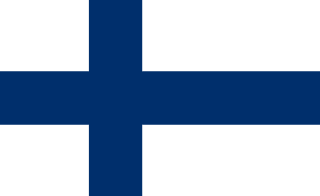
Welcome to Finland
Finland, known in Finnish as Suomi, is a country in northern Europe.
It borders Sweden, Norway and Russia and has coastlines along the Baltic Sea.
Its capital, Helsinki, is a centre of government, education, culture and business.
Other important cities include Espoo, Tampere, Turku, Oulu, Jyväskylä, Kuopio and Rovaniemi.
Finland is celebrated for its forests, lakes, northern lights, education, sauna traditions, design and cultural heritage.
But its greatest story is the story of its people.
Parents raising children. Teachers encouraging students. Farmers working the land. Nurses caring for patients. Grandparents sharing memories.
And people experiencing poverty, loneliness, homelessness, grief, illness or uncertainty.
"To understand Finland, we must discover the humanity behind its flag."
🏡 A Day in the Life of Finland
Imagine an ordinary morning somewhere in Finland.
In Helsinki, commuters travel by tram, train and bus to work.
In Tampere, a student prepares for another day of learning.
In Turku, a healthcare worker begins a hospital shift.
In a rural village, a farmer looks after crops or animals.
In Lapland, a family prepares for another cold winter day.
Near one of Finland's many lakes, a grandparent enjoys a peaceful walk.
A teacher welcomes children into a classroom. A parent prepares breakfast. A young person considers their future.
Some families enjoy secure employment, comfortable housing and supportive communities.
Others struggle with financial pressures, isolation, unemployment or difficulties accessing services.
📜 Finland's History and Identity
The lands of present-day Finland have been inhabited for thousands of years.
Over centuries, different communities developed cultural traditions shaped by forests, waterways, trade and northern environments.
The Swedish Period
From the medieval period until 1809, most of Finland was part of the Swedish realm.
Swedish administration, religion and legal traditions influenced Finnish society.
Under the Russian Empire
In 1809, Finland became an autonomous grand duchy within the Russian Empire.
During the nineteenth century, Finnish language, literature, music and national identity developed through a national awakening.
Independence in 1917
Finland declared independence on December 6, 1917, during the upheaval of the Russian Revolution.
Independence Day remains an important national occasion.
The Civil War of 1918
In 1918, Finland experienced a civil war between the Reds and Whites.
Thousands died through fighting, executions, imprisonment, hunger and disease.
The conflict divided families and communities, leaving wounds that endured for generations.
Over time, Finland developed democratic institutions and a broader sense of national unity.
"A nation's history includes both its achievements and the suffering of families whose lives were changed by conflict."
🎖️ The Winter War of 1939–1940
One of the defining events in Finnish history began on November 30, 1939.
The Soviet Union invaded Finland following disputes over territory and security.
Finnish soldiers and civilians mobilized to defend the country's independence.
A Difficult Winter
Fighting took place in forests, snow-covered landscapes and extreme cold.
Finnish forces faced a much larger invading army.
Soldiers experienced severe conditions, injuries and the loss of friends.
Civilians endured air raids, displacement and fear for loved ones.
The Moscow Peace Treaty
The Winter War ended in March 1940.
Finland retained its independence but ceded significant territory to the Soviet Union.
Approximately 400,000 people were displaced from the ceded areas and resettled elsewhere in Finland.
Families lost homes, farms, communities and personal belongings.
"The courage of soldiers deserves remembrance, and so does the suffering of every civilian whose life was affected by war."
🕯️ The Continuation War and Lapland War
Finland's participation in the Second World War did not end with the Winter War.
The Continuation War, 1941–1944
After Germany invaded the Soviet Union in 1941, Finland entered a new war against the Soviet Union, fighting alongside Nazi Germany as a co-belligerent.
Finland sought to recover territory lost in 1940 and occupied additional areas during the war.
The conflict caused substantial military casualties and civilian hardship.
Its history also requires acknowledging the suffering of Soviet prisoners of war, civilians in occupied territories and victims of Nazi persecution.
The Lapland War, 1944–1945
After an armistice with the Soviet Union in September 1944, Finland was required to remove German forces from its territory.
Fighting broke out between Finnish and German forces in northern Finland.
Retreating German forces destroyed extensive infrastructure and settlements in Lapland.
Many families were evacuated, and rebuilding took years.
After the War
Finland remained independent and undertook reconstruction while paying war reparations to the Soviet Union.
Veterans, widows, children and displaced families carried lasting memories.
"Truthful remembrance honours sacrifice without denying the suffering caused by war."
❤️ The Children Separated by War
One especially emotional chapter of Finland's wartime history concerns children sent away for safety.
During the Second World War, approximately 70,000 Finnish children were evacuated to other countries, mainly Sweden, with smaller numbers going to Denmark and Norway.
Many were separated from parents, siblings, familiar languages and communities.
Some were very young.
Host families often provided care and safety, but the separation could cause distress and lasting emotional consequences.
Some children returned to Finland after the war, while others remained abroad.
For some, returning meant another painful separation from the people who had cared for them.
These experiences remind us that the effects of war do not end when the fighting stops.
"A child should never have to choose between the people they love and the safety they need."
🌟 Sisu - Courage, Perseverance and Inner Strength
Finland is associated with the concept of sisu, a Finnish term often connected with perseverance, determination and courage in difficult circumstances.
It has become an important part of Finland's cultural identity.
Sisu may describe the determination to continue through hardship, defend one's values or work toward a difficult goal.
Strength Beyond Endurance
But inner strength does not mean a person must face every difficulty alone.
Sometimes courage means asking for help.
Sometimes it means admitting grief, accepting support or choosing compassion over anger.
Strength can include kindness, honesty and the willingness to understand another person.
"Sisu can help us endure, but compassion can help us heal."
🌿 Sámi Heritage and Indigenous Rights
The Sámi are the Indigenous people of northern parts of Finland, Sweden, Norway and Russia's Kola Peninsula.
In Finland, Sámi communities have longstanding connections to the northern environment and maintain distinct languages and cultural traditions.
These traditions include storytelling, handicrafts, music and reindeer-herding practices among some communities.
Not all Sámi people live in rural areas or participate in reindeer herding.
Historical Injustices
Sámi communities have experienced assimilation policies, discrimination and restrictions affecting language and culture.
Land use, self-determination, language preservation and cultural rights remain important issues.
Respecting Sámi people means recognizing their living identities and listening to their perspectives.
🏛️ Democracy, Freedom and International Cooperation
Finland is a parliamentary republic with an elected president, prime minister, government and national Parliament called the Eduskunta.
Its Constitution protects fundamental rights and democratic institutions.
Finnish citizens participate through elections, political parties, civic associations and peaceful public discussion.
Finland joined the European Union in 1995 and adopted the euro in 1999 for accounting purposes, with euro cash introduced in 2002.
Following Russia's full-scale invasion of Ukraine in 2022, Finland reassessed its security arrangements.
Finland joined NATO on April 4, 2023.
The country maintains national defence capabilities and participates in international cooperation.
Finns hold diverse views about economic policy, defence, immigration, education, healthcare and public services.
No government or political party represents every individual.
"Democracy requires more than elections. It requires the continuing protection of human dignity, freedom and accountability."
❤️ Family, Friendship and Community
Family relationships, friendship and community support are important in Finland.
Households include parents and children, couples, single parents, extended families and people living alone.
Some families spend time at lakeside cottages, enjoy outdoor activities or gather for traditional celebrations.
Grandparents may share memories of earlier generations and the changes they have witnessed.
Many Finns value personal space, privacy and respectful relationships.
Yet loneliness and social isolation can affect people of different ages.
Some older adults live far from family members.
Others experience financial hardship, family separation or the effects of mental health challenges.
"Belonging means knowing someone cares, even when life becomes difficult."
🎵 Finnish Culture and Traditions
🔥 Sauna
Sauna is an important part of Finnish culture, associated with relaxation, well-being and family or community traditions.
🎼 Music
Finland has strong traditions of classical music, folk music, contemporary popular music and composers such as Jean Sibelius.
📚 Literature
The Kalevala, compiled from traditional oral poetry, is an important work in Finnish cultural history.
🍲 Food
Finnish cuisine includes rye bread, salmon soup, Karelian pies, berries, mushrooms and many regional dishes.
🎄 Celebrations
Christmas, Midsummer, Independence Day and local festivals bring families and communities together.
🏒 Sports
Ice hockey, skiing, running, skating and outdoor recreation are important activities in Finnish life.
🎓 Children, Education and Opportunity
Finland is internationally known for its public education system and commitment to accessible learning.
Children attend schools in cities, small towns and rural communities.
The education system emphasizes qualified teachers, broad learning opportunities and student well-being.
Students pursue languages, science, mathematics, literature, physical education, music and art.
Many children enjoy access to libraries, recreation centres, outdoor spaces and community activities.
However, some experience poverty, bullying, mental health difficulties, disability-related barriers or family instability.
Language and integration challenges can also affect some children from immigrant families.
Every child deserves a safe home, friendship, nourishment, encouragement and opportunities to flourish.
"An education system is strongest when every child knows they are valued, supported and capable of learning."
🕊️ Faith, Spirituality and Beliefs
Finland has a long religious history influenced by Lutheran Christianity.
The Evangelical Lutheran Church of Finland remains an important cultural institution.
Finland also has Orthodox Christian, Catholic, Muslim, Jewish and other religious communities.
Many residents identify as non-religious.
People may find personal meaning in family, nature, faith, music, community and service.
The stillness of forests, lakes and northern landscapes can also provide opportunities for quiet reflection.
Freedom of religion and conscience helps protect the dignity of every person.
"Inner peace may be found through different paths, but compassion can connect people across them."
🌲 Forests, Lakes, Northern Lights and Lapland
Finland is known for its forests, lakes, islands and northern landscapes.
The Land of Lakes
Finland has approximately 188,000 lakes, depending on the size threshold used.
Many families enjoy swimming, fishing, canoeing and spending time near water.
Forests
Forests cover much of Finland and support wildlife, recreation and important industries.
Lapland
Northern Finland includes Arctic landscapes, reindeer habitats, forests and long winter nights.
The Northern Lights
The aurora borealis can illuminate northern skies during suitable conditions.
The Baltic Sea
Finland's coastline includes islands, harbours and maritime communities.
Environmental Challenges
Climate change affects winter temperatures, snow, biodiversity and northern ecosystems.
Other challenges include forest management, water pollution, habitat protection and the condition of the Baltic Sea.
"Protecting the natural world is one way of expressing love for generations we may never meet."
🛠️ Work, Healthcare and Everyday Needs
Finns work in education, healthcare, technology, manufacturing, forestry, agriculture, transportation, tourism and public services.
Finland has extensive public services and social protection systems.
Healthcare is organized through public and private services, with regional differences in accessibility and waiting times.
Some people have secure jobs, comfortable housing and strong financial resources.
Others experience unemployment, debt, housing insecurity or difficulty meeting everyday expenses.
Older adults may require increasing support with healthcare, mobility and companionship.
People living in sparsely populated regions may travel considerable distances for specialized services.
A nation's well-being should be understood through the everyday experiences of its people.
🌧️ Challenges Facing Finland
Finland has strong public institutions and social services, but some residents continue to experience serious hardship.
Poverty and Exclusion
According to Statistics Finland, 17.3% of the household population, approximately 958,000 people, were at risk of poverty or social exclusion in 2024.
Housing and Homelessness
Some individuals struggle with housing affordability, debt, unstable accommodation or homelessness despite Finland's housing-support programmes.
Mental Health
Anxiety, depression, grief, trauma and loneliness affect people of different ages and backgrounds.
Older Adults
Some seniors experience isolation, limited income, declining health or difficulty obtaining sufficient care.
Employment
Unemployment and uncertain work can create financial and emotional stress for individuals and families.
Social Inclusion
Some people with disabilities, migrants, minority communities and vulnerable households face barriers to opportunity or services.
🎖️ Honouring Finnish Soldiers, Veterans and Civilians
Finland's history of military service and national defence is closely connected to the preservation of independence.
The Winter War
Finnish military personnel fought to defend the country following the Soviet invasion in 1939.
Many were killed or wounded, while families and communities endured devastating losses.
The Continuation War
Further fighting from 1941 to 1944 led to additional deaths, injuries and displacement.
Honest remembrance also recognizes the difficult moral and historical questions arising from Finland's wartime cooperation with Germany.
The Lapland War
Fighting against German forces in northern Finland caused destruction and forced many residents from their homes.
The Lotta Svärd Organization
Women serving in the Lotta Svärd organization provided important auxiliary wartime services, including nursing, supply, communications and other support.
Their contributions are part of Finland's remembrance of wartime service.
Veterans and Families
Veterans and their families carried physical injuries, psychological trauma and memories of loved ones lost.
War widows, orphans and displaced families also faced long-lasting challenges.
Modern Service
Finland maintains national defence forces, conscription and a large reserve system.
Finnish personnel have also served in international peacekeeping and crisis-management operations.
Honouring Every Life
Recognizing military service must go hand in hand with remembering civilians affected by bombing, occupation, displacement and other suffering.
"The greatest tribute to those who defended freedom is to create a future where freedom is joined by compassion and peace."
🤝 Finns Helping One Another
Throughout Finland, charities, volunteers, community groups and public services assist people experiencing hardship.
Some provide food assistance, emergency accommodation, mental health support and help with housing.
Others support older adults, people with disabilities, refugees and families experiencing financial difficulties.
Volunteer organizations and emergency responders help communities during accidents and disasters.
Teachers, healthcare workers, friends and neighbours also perform quiet acts of kindness every day.
Compassion is not measured only by national programmes, but also by the care shown between individuals.
"Sometimes one person offering help is enough to remind another that they have not been forgotten."
🌅 Finland's Dreams for Tomorrow
Imagine a Finland where every child grows up in a safe and loving home.
Where families can afford food, housing, electricity and essential services.
Where older adults receive companionship, dignity and quality care.
Where people experiencing homelessness have stable housing and practical support.
Where those facing mental health challenges find understanding and timely treatment.
Where young adults have meaningful opportunities to work, learn and create.
Where Sámi languages, traditions and rights are protected.
Where people from different cultures and backgrounds feel welcome and respected.
Where veterans and their families are remembered and supported.
Where the painful experiences of wartime generations inspire protection of future generations.
Where lakes, forests, wildlife and northern landscapes are preserved.
And where peace within individuals contributes to peace within families, communities and nations.
"A nation's greatest future is one where every human life has the opportunity to flourish."
🌎 Your Journey of Understanding
You have explored Finland's history, cultural traditions, wartime remembrance, natural beauty and everyday human experiences.
Now consider three reflections connecting the mind, heart and spirit. Click each question to reveal its reflection.
🧠 MENTALLY - What have you learned?
Before this journey, what came to mind when you thought of Finland?
Beautiful lakes? Northern lights? Saunas? Education?
Did you also consider the Civil War of 1918, the Winter War, the displaced families, the Lapland War and the children evacuated abroad?
What does Finland's history teach us about protecting independence while remembering the human cost of war?
Why is it important to recognize both national achievements and the people who experience hardship today?
❤️ EMOTIONALLY - What touched your heart?
Imagine a Finnish child being sent to Sweden during the Second World War, leaving parents and home behind.
A family forced to abandon its home after the Winter War.
A veteran remembering a friend who never returned.
A Sámi elder working to preserve language and cultural traditions.
A senior struggling with loneliness during a long winter.
A young adult trying to find employment and secure housing.
Which of these stories touches your heart most deeply?
What might compassion look like in action?
🕊️ SPIRITUALLY - What connects us?
Finland's history includes hardship, determination, sacrifice and rebuilding.
What can the concept of sisu teach us about the strength to overcome life's difficulties?
Can true courage include the willingness to ask for help and show vulnerability?
How can we honour soldiers while working to prevent future wars?
Can remembering displaced children help us understand children suffering from conflict today?
What does inner peace mean in a world where many people experience fear, loneliness and uncertainty?
What small act of kindness could you offer today to help another person feel that they matter?
The Finland Behind the Flag
Somewhere in Finland, a mother prepares breakfast for her children.
A teacher welcomes students into a classroom.
A farmer works beside fields and forests.
A grandparent remembers stories of the Winter War.
A child plays beside a lake on a summer afternoon.
A nurse comforts a patient.
A volunteer delivers food to someone in need.
A Sámi family shares traditions with a younger generation.
A veteran remembers a fallen friend.
And somewhere, a young person dreams of a world where courage is needed not for war, but for compassion, understanding and peace.
"Forests reaching toward the sky.
Lakes reflecting the northern light.
A history of courage and remembrance.
Countless human stories.
One shared humanity."
That is the Finland behind the flag.
Return to Beginning Explore Another NationSources and Further Reading
Learn more about Finland's history, people, veterans, social conditions and cultural heritage.
This is Finland - Main Outlines of Finnish History
Statistics Finland - Living Conditions
Statistics Finland - Poverty and Social Exclusion
Visit Finland - Culture and Nature
UNESCO - Finland World Heritage
This page provides a broad human-centred introduction and does not represent every Finnish person's experiences, beliefs or political views.