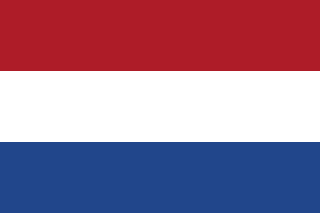
Welcome to the Netherlands
The Netherlands is a country in northwestern Europe, bordering Germany and Belgium, with a coastline along the North Sea.
It is also part of the Kingdom of the Netherlands, which includes the Caribbean countries of Aruba, Curaçao and Sint Maarten.
Amsterdam is the constitutional capital, while The Hague is the seat of government.
Other important cities include Rotterdam, Utrecht, Eindhoven, Groningen, Maastricht, Arnhem, Nijmegen and Haarlem.
The Netherlands is known for its artistic heritage, engineering, maritime history, agriculture, international cooperation and commitment to remembering the Second World War.
But the Netherlands is more than a country of canals, bicycles and flowers.
It is parents raising children, teachers encouraging students, farmers growing food, nurses caring for patients and grandparents preserving memories.
It is also people experiencing poverty, homelessness, loneliness, discrimination, illness or emotional trauma.
"To understand the Netherlands, we must discover the humanity behind its flag."
🏡 A Day in the Life of the Netherlands
Imagine an ordinary morning somewhere in the Netherlands.
In Amsterdam, a parent cycles with a child toward school.
In Rotterdam, a port worker begins a shift beside one of Europe's busiest harbours.
In Utrecht, a student prepares for university classes.
In Friesland, a dairy farmer begins caring for livestock.
In Eindhoven, an engineer works on new technology.
In The Hague, a nurse prepares to care for patients.
In a village near the coast, a grandparent remembers stories of the Second World War.
In Arnhem, a young person searches for affordable housing.
Some families enjoy comfortable homes, secure employment and supportive communities.
Others struggle with rent, healthcare expenses, isolation or insecure work.
📜 A History of Trade, Independence and Change
The Netherlands has a long history of settlement, commerce, religious change and struggles over political power.
Early Communities
People inhabited the low-lying lands around the Rhine, Meuse and other rivers long before the modern Dutch state existed.
Parts of the area formed the northern frontier of the Roman Empire.
Medieval Towns
Trading settlements and towns grew through agriculture, fishing, crafts and maritime commerce.
The Dutch Revolt
During the sixteenth century, several provinces rebelled against Spanish Habsburg rule.
The Act of Abjuration of 1581 rejected Philip II as sovereign.
The Dutch Republic
The northern provinces developed a republic, whose independence was recognized by Spain in the Peace of Münster in 1648.
The Dutch Golden Age
The seventeenth century brought developments in trade, finance, science, painting and shipbuilding.
Artists including Rembrandt and Vermeer became internationally celebrated.
Yet the prosperity of this period was also connected to colonial conquest, exploitation and slavery.
The Modern Kingdom
The Kingdom of the Netherlands was established in 1815.
Constitutional reforms in 1848 helped establish the foundations of parliamentary government.
"History is not only the story of national achievements. It is also the story of those who paid the human price."
🌍 Colonial History and Historical Responsibility
The Netherlands developed a far-reaching colonial empire connected to maritime trade.
The Dutch East India Company
The Dutch East India Company, established in 1602, operated across Asia with extensive commercial and governing powers.
Its activities included warfare, coercion, forced labour and colonial exploitation.
Indonesia
Much of present-day Indonesia experienced Dutch colonial rule.
Indonesian people resisted colonial control through political organizing and armed struggle.
After Indonesia proclaimed independence in August 1945, the Netherlands attempted to re-establish control through military operations and negotiations.
The Dutch government transferred sovereignty in December 1949, while the conflict and its victims remain subjects of remembrance.
Slavery and the Caribbean
Dutch colonial commerce participated in the transatlantic slave trade and the enslavement of Africans in Caribbean and South American colonies.
Slavery was legally abolished in the Dutch Caribbean colonies and Suriname in 1863, followed by a period of compulsory state supervision for many formerly enslaved people in Suriname.
Remembering All People
Historical reflection must include the experiences of colonized peoples, enslaved individuals and families whose lives were shaped by exploitation.
Recognizing these injustices is compatible with appreciating the Netherlands' cultural and scientific contributions.
🕯️ The Nazi Occupation, 1940–1945
On May 10, 1940, Nazi Germany invaded the Netherlands.
The Dutch armed forces resisted, but the country was overwhelmed by German military power.
The Bombing of Rotterdam
On May 14, 1940, German bombing devastated Rotterdam's city centre.
Hundreds of civilians died, and large areas were destroyed.
Occupation
For five years, Dutch society experienced military control, persecution, forced labour, shortages and fear.
Political rights were restricted, and people faced punishment for resistance.
Resistance
Some Dutch people hid persecuted individuals, distributed illegal newspapers, gathered intelligence or assisted Allied operations.
Others collaborated with Nazi authorities, including in the persecution of Jewish residents.
Everyday Courage
Families made difficult decisions about survival, safety and helping others.
Some people risked their own lives to protect strangers.
"When freedom is threatened, ordinary acts of humanity can become extraordinary acts of courage."
🕯️ Anne Frank, the Holocaust and the Lives Lost
Before the Second World War, the Netherlands was home to vibrant Jewish communities.
Persecution
Under Nazi occupation, Jewish residents faced discriminatory laws, exclusion, deportation and murder.
More than 100,000 Jews from the Netherlands were murdered during the Holocaust.
Anne Frank
Anne Frank was a Jewish girl whose family hid in Amsterdam to escape Nazi persecution.
Her diary became one of the world's best-known personal accounts of life under the Holocaust.
Anne and her sister Margot died at Bergen-Belsen in 1945.
Other Victims
Roma and Sinti communities, resistance members, people with disabilities and others also experienced Nazi persecution.
Those Who Helped
Some Dutch citizens risked their safety to hide Jewish neighbours and assist people facing deportation.
Remembrance
Remembering victims requires recognizing the lives they lived before persecution: their families, occupations, interests, friendships and dreams.
"Every child lost to hatred reminds us of our responsibility to protect human dignity."
🍞 The Hunger Winter of 1944–1945
During the final winter of Nazi occupation, parts of the western Netherlands endured a devastating famine.
Shortages
Food transportation disruptions, wartime restrictions and harsh conditions created a severe humanitarian crisis.
Families struggled to find bread, potatoes, fuel and basic necessities.
The Human Cost
Thousands of people died from starvation and related conditions.
Children, older adults and people with existing illnesses were especially vulnerable.
Everyday Survival
Families searched for food, shared limited supplies and attempted to keep warm.
Some travelled to rural areas to exchange possessions for food.
Humanitarian Assistance
Near the war's end, Allied relief operations helped deliver desperately needed food.
"No person should have to experience hunger because of decisions made through war."
🇳🇱 Liberation - The Return of Freedom in 1945
During the final stages of the Second World War, Allied forces advanced through the Netherlands.
Southern Liberation
Parts of the southern Netherlands were liberated in September 1944.
Operation Market Garden
In September 1944, Allied forces attempted to secure bridges across the Netherlands.
Heavy fighting occurred around Arnhem and other communities.
The operation did not achieve all its objectives, and many soldiers and civilians suffered casualties.
The Canadian Role
Canadian forces played a major role in liberating the northern and eastern Netherlands during 1945.
Canadian soldiers fought difficult battles and helped restore freedom to occupied communities.
May 5, 1945
The Netherlands commemorates May 5 as Liberation Day, associated with the surrender of German forces in the Netherlands.
May 4 is National Remembrance Day, when people honour those who died through war and persecution.
After Liberation
Families faced the challenge of rebuilding destroyed homes, restoring services and grieving loved ones who never returned.
"Liberation is remembered through flags and celebrations, but its deepest meaning is found in lives restored to freedom."
🇨🇦 Canada and the Netherlands - A Lasting Friendship
The connection between Canada and the Netherlands is especially meaningful when remembering soldiers and wartime sacrifice.
Canadian Soldiers
Thousands of Canadians served during the campaign to liberate the Netherlands.
Many were killed, injured or separated from their families.
Dutch Gratitude
For generations, Dutch communities have commemorated the Canadian role in liberation.
Canadian war graves in the Netherlands remain important places of remembrance.
Canadian War Cemeteries
The Canadian War Cemetery at Holten is among the places where soldiers are remembered.
Other important commemorative sites include the Canadian War Cemetery at Groesbeek and Bergen-op-Zoom.
The Royal Family
Members of the Dutch royal family found refuge in Canada during the Second World War.
Princess Margriet was born in Ottawa in 1943.
The Gift of Tulips
The Netherlands' longstanding gift of tulips to Canada became a symbol of gratitude and friendship.
The Canadian Tulip Festival in Ottawa celebrates this historical connection.
Remembering Service
The bond between the countries reminds us that military sacrifice can create lasting responsibilities of remembrance and care.
"When one nation remembers those who came to help, gratitude becomes a bridge between generations."
🌊 The Sea, the 1953 Flood and Protecting Communities
Much of the Netherlands lies at or below sea level, making water management essential to everyday life.
Living with Water
For centuries, Dutch communities have built dikes, canals, windmills, pumping stations and other systems to manage water.
The North Sea Flood of 1953
On the night of January 31 to February 1, 1953, a severe North Sea storm surge struck the Netherlands and other countries.
In the Netherlands, 1,836 people died.
Families lost homes, farms, animals and loved ones.
The Delta Works
The disaster accelerated construction of a major series of dams, barriers and flood-protection structures known as the Delta Works.
Remembering Victims
Flood disasters leave emotional wounds alongside physical damage.
Survivors may carry memories of family members, neighbours and communities lost.
Climate Change
Rising sea levels, heavy rainfall and other climate-related changes create continuing challenges.
Flood protection depends on engineering, planning, environmental care and cooperation.
"The greatest achievement of engineering is not the structure itself, but the people whose lives it helps protect."
🏛️ Democracy, Government and Human Rights
The Netherlands is a constitutional monarchy with a parliamentary democracy.
Its Parliament, known as the States General, consists of the House of Representatives and the Senate.
Citizens participate through elections, civic organizations, public discussions and peaceful demonstrations.
International Cooperation
The Netherlands is a member of the European Union and NATO.
The Hague hosts important international legal institutions, including the International Court of Justice and the International Criminal Court.
Public Debates
Issues include housing, immigration, healthcare, taxation, climate change, employment and social inclusion.
Respecting Differences
Dutch citizens have varied political beliefs and perspectives.
No government or political party represents every individual's experiences.
A healthy democracy depends on accountability, fundamental rights and peaceful disagreement.
"Democracy is strongest when every person can participate without losing the dignity they share with others."
🌍 The Netherlands and Its Many Communities
The Netherlands is home to people from many cultural, linguistic and religious backgrounds.
Dutch is the primary official language, while Frisian also has official status in Friesland.
Historical Communities
Jewish communities and many other groups have contributed to the country's cultural history.
Migration
People with roots in Indonesia, Suriname, the Dutch Caribbean, Türkiye, Morocco and many other countries are part of Dutch society.
Caribbean Connections
The Kingdom includes Aruba, Curaçao and Sint Maarten as constituent countries.
Bonaire, Sint Eustatius and Saba are Caribbean public bodies within the country of the Netherlands.
Different Experiences
People may encounter discrimination related to ancestry, religion, disability, gender or socioeconomic circumstances.
Some migrants and refugees experience difficulties obtaining secure housing, employment or community acceptance.
❤️ Family, Friendship and Community
Dutch families and households have many forms.
Some include parents and children, while others consist of couples, single parents, grandparents or people living alone.
Families may gather for birthdays, holidays, sporting events and shared meals.
Neighbourhood organizations, sports clubs and volunteering provide important community connections.
Some households have strong support networks and financial security.
Others experience loneliness, relationship difficulties, illness, caregiving responsibilities or financial stress.
Older adults may need support with transportation, housing, healthcare and companionship.
The value of a community is reflected in how it treats people who need help.
"Belonging means knowing that someone notices when you are struggling and cares enough to help."
🎨 Dutch Culture and Traditions
🌷 Tulips and Flowers
Flower cultivation and gardens have become internationally recognized parts of the Netherlands' agricultural and cultural life.
🎨 Art
Rembrandt, Johannes Vermeer, Vincent van Gogh and many other artists contributed to the country's artistic heritage.
🚲 Cycling
Cycling is an important means of transportation and recreation in many communities.
🧀 Food
Dutch cheeses, stroopwafels, herring, pancakes, potatoes and regional dishes contribute to local food traditions.
🎶 Music
Classical, folk, jazz, electronic and contemporary music contribute to the country's cultural diversity.
⚽ Sport
Football, speed skating, cycling, field hockey and other sports bring families and communities together.
🎓 Children, Education and Opportunity
Children throughout the Netherlands attend schools, form friendships and develop dreams for their futures.
The country has primary and secondary schools, universities and vocational education institutions.
Many children participate in music, art, sports and community activities.
However, some experience poverty, bullying, disability-related barriers or family difficulties.
Housing insecurity and financial stress can affect a child's sense of safety.
Children from migrant or refugee backgrounds may face additional challenges adjusting to a new language and community.
Young people experiencing anxiety, loneliness or depression deserve appropriate support.
Every child deserves nutritious food, safe housing, friendship, education and opportunities to flourish.
"Freedom means little to a child unless it also includes safety, care, belonging and hope."
🕊️ Faith, Spirituality and Freedom of Belief
The Netherlands has a long history of religious diversity and social change.
Protestant and Catholic Christian traditions have shaped many cultural and community institutions.
Jewish and Muslim communities also form important parts of Dutch society.
Other religions and spiritual traditions are present.
Many residents identify as non-religious.
Places of worship and secular community organizations contribute to charity, education and cultural life.
Religious freedom and freedom of conscience are important principles of an inclusive society.
Compassion should extend to people regardless of what they believe.
"Peace within ourselves can help us recognize the same humanity in people whose beliefs are different from our own."
🌿 Dunes, Rivers, Wetlands and the North Sea
The Netherlands contains varied landscapes, including beaches, dunes, forests, wetlands, rivers and farmland.
The Wadden Sea
The Wadden Sea is an internationally important coastal ecosystem supporting migratory birds and marine life.
Kinderdijk
The historic windmills at Kinderdijk demonstrate centuries of Dutch water management.
The Hoge Veluwe
Hoge Veluwe National Park contains woodland, heathland and sand landscapes.
The River Delta
The Rhine, Meuse and Scheldt river systems have shaped Dutch settlement, trade and environmental planning.
Environmental Challenges
Sea-level rise, river flooding, biodiversity loss, nitrogen pollution and climate change create ongoing concerns.
Farmers, environmental organizations, businesses and government institutions have different perspectives on how best to respond.
"Protecting nature is part of protecting the people who depend on it today and those who will inherit it tomorrow."
🛠️ Work, Healthcare and Everyday Needs
People in the Netherlands work in healthcare, education, logistics, agriculture, manufacturing, technology, retail and many other sectors.
The country has an extensive health insurance system and developed public infrastructure.
Rotterdam is a major international port, while Dutch agriculture includes dairy farming, horticulture and food production.
Economic prosperity has created many opportunities, but not everyone shares equally in them.
Some households struggle with rent, energy bills, debt or insecure employment.
Long healthcare waits or difficulties obtaining suitable housing can affect daily life.
Older adults and people with disabilities may need additional support to remain independent and connected.
Every person deserves meaningful work, accessible healthcare and a secure home.
🌧️ Challenges Facing the Netherlands
The Netherlands has substantial public services and economic resources, but many people still experience hardship.
Poverty
Statistics Netherlands reported that approximately 551,000 people, or 3.1% of the population, lived in poverty in 2024 under its national basic-needs measure.
Risk of Poverty or Social Exclusion
In 2025, 15.8% of the population was at risk of poverty or social exclusion under the broader European measure. This is different from the national poverty rate.
Housing and Homelessness
High housing costs, limited availability and insecure accommodation affect some people, including individuals experiencing homelessness.
Mental Health and Loneliness
Anxiety, depression, loneliness, grief and stress affect people of all ages and backgrounds.
Older Adults and Care
Some older adults experience isolation, limited incomes or difficulties obtaining suitable housing and care.
Climate and Environmental Pressures
Flood risk, rising sea levels, biodiversity loss and environmental pollution require long-term planning and cooperation.
🎖️ Honouring Dutch Soldiers, Veterans and Civilians
The Netherlands' military history includes struggles for independence, colonial wars, the Second World War, NATO service and international peacekeeping.
The Second World War
Dutch military personnel resisted the German invasion in May 1940.
Some escaped and continued serving with Allied forces.
Military personnel, resistance members and civilians suffered imprisonment, injury and death.
The Liberation
Dutch communities remember Allied military personnel, including Canadians, who helped liberate the country.
Colonial Military Operations
Dutch forces also fought in colonial conflicts, including the Indonesian struggle for independence.
Honest remembrance must acknowledge civilians harmed through colonial military operations and abuses.
NATO Service
After the Second World War, the Netherlands became a founding member of NATO in 1949.
Dutch personnel have served in international deployments, including Afghanistan and other locations.
United Nations Missions
Dutch soldiers and police have participated in United Nations peacekeeping and other multinational missions.
Srebrenica, 1995
In July 1995, Bosnian Serb forces overran the UN-declared safe area of Srebrenica, where Dutch peacekeepers were stationed.
More than 8,000 Bosniak Muslim men and boys were murdered in the genocide that followed.
The failure to protect civilians and the experiences of survivors and Dutchbat personnel remain subjects of remembrance and accountability.
Veterans and Families
Veterans may return with physical injuries, psychological trauma, grief or difficulties adjusting to civilian life.
Families may also experience long-lasting consequences of service and loss.
Honouring Civilians
Remembering military sacrifice must include those harmed through war, occupation, colonialism, persecution and genocide.
"The greatest way to honour those who protected freedom is to protect the lives and dignity of generations yet to come."
🤝 Dutch Communities Helping One Another
Throughout the Netherlands, volunteers, charities, community associations and public services help people experiencing hardship.
Some provide food, shelter, legal assistance and support for families.
Others assist older adults, people with disabilities and individuals experiencing homelessness.
Food banks and local charities help households struggling to afford necessities.
Community organizations also assist newcomers and refugees building new lives.
Volunteers support remembrance events and help preserve stories from the Second World War.
These everyday acts remind us that compassion is not limited to major historical moments.
"A caring society is built by the people who notice another person's suffering and choose to help."
🌅 The Netherlands' Dreams for Tomorrow
Imagine a Netherlands where every child grows up in a safe and loving home.
Where every family can afford nutritious food, secure housing and healthcare.
Where older adults receive dignity, companionship and appropriate care.
Where people experiencing homelessness can find stable homes and practical support.
Where mental health difficulties are met with understanding and accessible assistance.
Where people of different cultures, beliefs and backgrounds are treated equally.
Where the stories of Anne Frank and all Holocaust victims are never forgotten.
Where colonial injustices are remembered with honesty and compassion.
Where Dutch and Allied veterans receive recognition and care.
Where Canadian soldiers who gave their lives for liberation remain part of the country's shared memory.
Where rivers, wetlands, coastlines and natural habitats are protected.
Where innovations in flood prevention help protect communities around the world.
Where international cooperation reduces conflict and supports human rights.
And where every person can live with freedom, belonging, dignity and peace.
"A nation's greatest achievement is a future where every human life has the opportunity to flourish."
🌎 Your Journey of Understanding
You have explored the Netherlands' history, liberation, Canadian friendship, cultural traditions, engineering achievements, human struggles and commitment to remembrance.
Now consider three reflections connecting the mind, heart and spirit. Click each question to reveal its reflection.
🧠 MENTALLY - What have you learned?
Before this journey, what came to mind when you thought of the Netherlands?
Tulips? Windmills? Canals? Bicycles? Amsterdam?
Did you also consider the Hunger Winter, the Holocaust, Canadian liberation, Dutch colonial history and the great responsibility of flood protection?
What does Dutch history teach us about the preciousness of freedom?
Why is it important to remember both the country's achievements and the injustices connected to its past?
How does the 1953 flood remind us of the importance of protecting vulnerable people before disaster strikes?
What new understanding will you carry with you?
❤️ EMOTIONALLY - What touched your heart?
Imagine a Dutch child experiencing hunger during the winter of 1944–1945.
A Jewish family hiding from Nazi persecution.
A mother receiving news that her Canadian soldier son would not return home.
A Dutch family celebrating liberation after years of occupation.
A survivor who lost loved ones during the 1953 North Sea flood.
A Bosnian family remembering relatives murdered at Srebrenica.
A senior living alone today and struggling to afford essential expenses.
Which story touches your heart most deeply?
What could understanding that experience inspire you to do?
🕊️ SPIRITUALLY - What connects us?
The Netherlands remembers a time when freedom was taken away and restored through great sacrifice.
What can this teach us about the value of peace?
How can we honour Canadian and Dutch soldiers without glorifying war?
Can truthful remembrance help future generations recognize and challenge hatred?
How does gratitude become more meaningful when it inspires care for people who are suffering today?
What does inner peace mean when we recognize the pain carried by survivors of war, persecution or disaster?
Can we extend the same concern for freedom and dignity to people in every country?
What small act of kindness could you offer today to help someone know that they matter?
The Netherlands Behind the Flag
Somewhere in the Netherlands, a mother prepares breakfast for her children.
A teacher welcomes students into a classroom.
A farmer tends a field of flowers beneath the spring sunshine.
A fisher begins another day along the North Sea.
A grandparent remembers the joy of liberation in 1945.
A nurse comforts a patient.
A volunteer helps someone struggling with homelessness.
A veteran remembers a fallen friend.
A family places flowers at a Canadian soldier's grave.
A young person reads Anne Frank's diary and reflects on the importance of tolerance.
And somewhere, a child dreams of a world where every person can enjoy the freedom, safety and peace that earlier generations sacrificed to protect.
"Tulips blooming beside quiet canals.
Windmills standing against the sky.
Gratitude for freedom and remembrance.
Countless human stories.
One shared humanity."
That is the Netherlands behind the flag.
Return to Beginning Explore Another NationSources and Further Reading
Learn more about Dutch history, the Second World War, Canadian liberation, poverty, water protection and military remembrance.
Statistics Netherlands - Poverty in 2024
Statistics Netherlands - Poverty and Social Exclusion
TheNetherlands.nl - Historical Overview
Anne Frank House - History and Remembrance
United States Holocaust Memorial Museum
Veterans Affairs Canada - Liberation of the Netherlands
Canada - Military History and the Netherlands
Netherlands Veterans Institute - Srebrenica
Rijkswaterstaat - Water Management and Flood Protection
UNESCO - Netherlands World Heritage
This page provides a broad, human-centred introduction and does not represent every Dutch person's experiences, beliefs or political views.