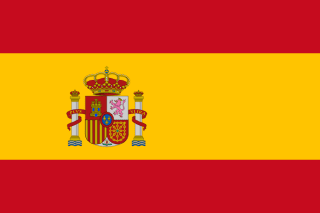
Welcome to Spain
Spain, officially the Kingdom of Spain, is a country in southwestern Europe, occupying much of the Iberian Peninsula.
It borders Portugal, France and Andorra, with coastlines along the Atlantic Ocean and Mediterranean Sea.
Spain also includes the Balearic Islands, Canary Islands and the North African cities of Ceuta and Melilla.
Its capital and largest city is Madrid.
Other major cities include Barcelona, Valencia, Seville, Zaragoza, Málaga, Bilbao, Murcia, Granada and Córdoba.
Spain is known for its remarkable history, languages, architecture, art, literature, music, cuisine and natural beauty.
But Spain is more than famous monuments, tourism, football or political events.
It is parents raising children, teachers encouraging students, farmers growing food, nurses caring for patients and grandparents preserving memories.
It is also people experiencing poverty, loneliness, homelessness, illness, discrimination, displacement or the emotional effects of past violence.
"To understand Spain, we must discover the humanity behind its flag."
🏡 A Day in the Life of Spain
Imagine an ordinary morning somewhere in Spain.
In Madrid, a parent prepares breakfast before the children leave for school.
In Barcelona, a nurse begins another shift caring for patients.
In Valencia, a shopkeeper opens a family business.
In Andalusia, a farmer tends olive groves beneath the morning sun.
In Galicia, a fisher prepares a boat along the Atlantic coast.
In Bilbao, a student heads to university.
In a village in Castilla y León, an older resident remembers how Spain changed after the dictatorship.
In the Canary Islands, a hospitality worker prepares to welcome visitors.
A teacher encourages a young child. A volunteer visits someone living alone. A family worries about rising rent.
Some households enjoy security, stable employment and supportive communities.
Others experience financial pressure, unemployment, disability, loneliness or inadequate housing.
🏛️ Ancient Iberia and Roman Spain
Spain's history stretches back thousands of years.
Early Peoples
Iberian, Celtic and other communities lived across the peninsula before Roman conquest.
Phoenician and Greek Connections
Coastal settlements developed trade with Mediterranean peoples.
Roman Hispania
The Romans gradually conquered much of the peninsula and developed roads, cities, engineering works and institutions.
Roman Heritage
Structures such as the aqueduct of Segovia and the theatre at Mérida preserve important aspects of Roman history.
Languages
Latin profoundly influenced the languages that later developed in much of Spain.
Visigothic Kingdom
After the western Roman Empire declined, Visigothic rulers governed much of the peninsula.
"Every ancient road and monument represents generations of people whose daily lives helped shape history."
🕌 Al-Andalus and the Meeting of Cultures
Beginning in 711, Muslim-led forces conquered much of the Iberian Peninsula.
Over time, different Islamic states developed in territories known collectively as Al-Andalus.
Córdoba
Córdoba became an influential centre of learning, philosophy, science, commerce and culture.
Granada
The Alhambra preserves exceptional architecture and artistic traditions from the Nasrid period.
Language and Knowledge
Arabic-speaking scholars and communities contributed to mathematics, medicine, agriculture, literature and architecture.
Jewish Communities
Jewish intellectual, religious and cultural life formed an important part of medieval Iberian history.
Complex Relationships
Muslims, Christians and Jews experienced periods of cultural exchange, but also discrimination, persecution and conflict.
The Human Lesson
History demonstrates both the potential for communities to exchange knowledge and the danger of religious intolerance.
"Different cultures can enrich one another when people are allowed to live and learn with dignity."
👑 Kingdoms, Reconquest and Religious Persecution
Over several centuries, Christian-ruled kingdoms expanded across the Iberian Peninsula.
Castile and Aragon
The dynastic union associated with Isabella of Castile and Ferdinand of Aragon contributed to the development of the Spanish monarchy.
1492 - Granada
The Emirate of Granada came under Christian rule in 1492.
The Alhambra Decree
In the same year, the monarchy ordered Jews to convert to Christianity or leave its territories.
Muslim Communities
Muslims also faced increasing restrictions, forced conversion and later expulsion.
The Inquisition
Religious authorities and the monarchy pursued investigations and punishments against people accused of religious offences.
The Human Cost
Families lost homes, property, community ties and the freedom to practise their faith.
⛵ Exploration, Empire and Colonial Responsibility
From the late fifteenth century onward, Spain developed an extensive overseas empire.
The Americas
Spanish voyages and colonization transformed the Americas and connected continents through trade and migration.
Indigenous Peoples
Many Indigenous communities experienced conquest, disease, forced labour, land loss and cultural disruption.
African Slavery
Spain and its colonial institutions participated in systems of slavery, including the transatlantic trade and exploitation of enslaved Africans.
Culture and Language
Spanish became an important language across many countries, alongside Indigenous languages that survived despite colonial pressures.
Resistance
Indigenous peoples, enslaved people and others resisted oppression and sought freedom.
Honest Remembrance
Exploration, art and cultural exchange must be understood alongside conquest and injustice.
📜 Spain's Struggle for Constitutional Government
Spain experienced political upheaval and institutional changes throughout the nineteenth and early twentieth centuries.
Napoleonic Invasion
French forces invaded Spain in 1808, beginning a war that brought enormous suffering to civilians and soldiers.
1812 Constitution
The Constitution of Cádiz became a significant milestone in Spanish constitutional history.
Political Conflict
Monarchists, republicans, liberals, conservatives and regional movements held different visions for Spain's future.
The Second Republic
The Second Spanish Republic was proclaimed in April 1931.
Reforms and Disagreement
Its years saw major debates over education, religion, land reform, military institutions and regional autonomy.
Political polarization and violence intensified before the Civil War.
"Political differences become dangerous when the humanity of those who disagree is forgotten."
🕯️ The Spanish Civil War, 1936–1939
The Spanish Civil War was one of the most tragic chapters in modern Spanish history.
July 1936
A military uprising against the elected Republican government led to a prolonged civil war.
Republicans and Nationalists
Republican forces defended the Republic, while Nationalist forces under General Francisco Franco and other military commanders fought to overthrow it.
International Involvement
Nazi Germany and Fascist Italy provided substantial support to the Nationalists, while the Soviet Union assisted the Republic.
International volunteers, including Canadians, fought in the International Brigades on the Republican side.
Families Divided
Neighbours, friends and sometimes relatives found themselves on opposing sides.
Violence Against Civilians
Both sides committed serious abuses, including unlawful killings and persecution, though the scale, organization and subsequent policies differed.
Defeat of the Republic
The Nationalists won the war in 1939, establishing Franco's dictatorship.
Refugees
Hundreds of thousands of people fled, particularly into France, while many others experienced detention or reprisals.
"When a nation turns against itself, the wounds can remain in families for generations."
🕯️ Guernica - The Suffering of Civilians
On April 26, 1937, the Basque town of Gernika, often written Guernica, was bombed during the Spanish Civil War.
The Attack
German and Italian aircraft supporting the Nationalists attacked the town.
Civilian Deaths
Many civilians were killed or injured. Historical estimates of the death toll vary.
Destruction
Large parts of the town were damaged or destroyed.
Pablo Picasso
Picasso's painting "Guernica" became an internationally recognized expression of the horror of war.
The Human Meaning
Every civilian killed had relationships, plans and a life beyond the battlefield.
"The most important question after a bombing is not only who won, but what happened to the people who never chose to fight."
🕯️ The Franco Dictatorship, 1939–1975
After the Civil War, General Francisco Franco ruled Spain until his death in November 1975.
Authoritarian Government
Opposition parties and many political activities were prohibited or severely restricted.
Political Repression
People experienced imprisonment, executions, censorship, surveillance and other forms of persecution.
Regional Languages
Public use and institutional recognition of Catalan, Basque, Galician and other languages faced significant restrictions at different times.
Economic Change
Spain experienced hardship during the early postwar years and substantial industrial and economic growth in later decades.
Families
Some people remember improved material conditions in later years, while others carry memories of lost freedom, political persecution and family separation.
Lasting Trauma
Families affected by execution, imprisonment or disappearance may continue seeking truth and recognition.
❤️ Historical Memory, Truth and Reconciliation
Spain continues to examine the suffering of the Civil War and dictatorship.
Missing Persons
Many families have searched for relatives buried in unmarked or unidentified graves.
Exhumations
Historical memory initiatives include locating graves, identifying remains and supporting affected families.
Democratic Memory Law
Spain adopted a Democratic Memory Law in 2022 addressing recognition of victims and responsibility for historical remembrance.
Different Perspectives
Public debates continue over historical interpretation, memorials, institutional responsibility and how best to pursue reconciliation.
The Rights of Families
Families seeking information about missing loved ones deserve respect, appropriate assistance and access to reliable evidence.
Truth Without Collective Blame
Historical accountability concerns actions and institutions, not guilt inherited by every descendant.
"Peace is not forgetting. It is remembering in a way that protects the future."
🕊️ Spain's Transition to Democracy
Following Franco's death in November 1975, Spain entered a period of political transition.
King Juan Carlos I
Juan Carlos I became king and participated in the transition toward constitutional government.
Political Reform
New laws and negotiations opened the way for elections and the legalization of political parties.
1977 Elections
Spain held democratic parliamentary elections in June 1977.
1978 Constitution
The new Constitution was approved by referendum and established a parliamentary constitutional monarchy with fundamental rights and regional autonomy.
February 1981
An attempted military coup failed, testing Spain's democratic institutions.
European Integration
Spain joined the European Economic Community in 1986, later part of the European Union.
Democratic Responsibilities
Democracy requires participation, free expression, accountability and peaceful respect for political differences.
"The strength of democracy is not the absence of disagreement, but the ability to disagree without denying one another's humanity."
🌍 Spain's Languages and Cultural Communities
Spain consists of 17 autonomous communities and two autonomous cities, with varied cultural and linguistic identities.
Castilian Spanish
Castilian is the official language of the Spanish state and is widely spoken throughout the country.
Catalonia
Catalan language and culture are important parts of life in Catalonia and other territories where Catalan or related varieties are spoken.
The Basque Country
Basque language and cultural traditions are distinct and longstanding.
Galicia
Galician language and culture have important connections to the Atlantic region and historical ties to Portuguese.
Other Traditions
Valencian, Aranese, Aragonese, Asturian and other language traditions contribute to Spain's diversity.
Migration
Communities with roots in Latin America, North Africa, elsewhere in Europe, Asia and Africa are part of modern Spain.
Respect for Difference
Regional and national identity can be important to people while individual political views remain diverse.
❤️ Family, Friendship and Community
Family relationships and friendships are important to many people in Spain.
Some households include several generations living together or nearby.
Others include single parents, couples, smaller households or individuals living alone.
Shared Meals
Family meals and community gatherings bring many people together.
Grandparents
Older relatives may provide important childcare, companionship and family support.
Older Adults
Some seniors experience loneliness, financial insecurity, chronic illness or difficulty accessing care.
Migration and Belonging
People arriving from other countries may build new families and social connections while maintaining ties to relatives abroad.
Everyday Support
Neighbours, friends and charitable organizations can help people experiencing hardship.
"A strong community is one where every person knows that their presence matters."
🎵 Spanish Culture and Traditions
💃 Flamenco
Flamenco, associated especially with Andalusia and Roma artistic traditions, combines song, dance and musical expression.
🍲 Cuisine
Paella, gazpacho, tortilla española, pintxos, cocido and many regional dishes reflect Spain's culinary diversity.
🎨 Art
Artists including Velázquez, Goya, Picasso, Dalí and Miró contributed important works to world culture.
🏛️ Architecture
The Alhambra, Sagrada Família, historic cathedrals and medieval centres reflect many artistic traditions.
📚 Literature
Miguel de Cervantes, Federico García Lorca and other writers shaped Spanish and world literature.
⚽ Sports
Football, basketball, tennis, cycling and other sports bring communities together and inspire young athletes.
🎓 Children, Education and Opportunity
Children throughout Spain attend schools, form friendships and develop dreams for their futures.
Spain has public and private schools, universities, vocational training and other educational institutions.
Learning
Young people pursue interests in science, medicine, technology, music, sports, business and the arts.
Different Opportunities
Household income, disability, housing and local circumstances can affect children's educational experiences.
Child Poverty
Some children live in households struggling with food, heating, housing expenses or learning resources.
Emotional Well-Being
Bullying, anxiety, loneliness and family stress can affect children from any background.
Protection and Care
Every child deserves nutritious food, a safe home, healthcare, encouragement, friendship and meaningful education.
"A child's worth cannot be measured by family wealth, school performance or place of birth."
🕊️ Faith, Spirituality and Freedom of Belief
Spain has a long and complex religious history.
Roman Catholic Christianity has played an influential role in cultural and public life.
Spain also includes Protestant, Orthodox, Muslim, Jewish, Hindu, Buddhist and other communities.
Many residents identify as non-religious or hold personal spiritual beliefs.
The Camino de Santiago
The Camino de Santiago is an important pilgrimage network, travelled by people with religious and personal motivations.
Religious Heritage
Historic churches, mosques, synagogues and other sacred sites preserve cultural memories.
Freedom of Conscience
Spain's Constitution protects religious freedom, and every individual deserves dignity regardless of belief or nonbelief.
"Peace within ourselves can inspire love without when we respect the beliefs and humanity of others."
🌿 Mountains, Rivers, Forests and Coastlines
Spain has extraordinary environmental and geographic diversity.
The Pyrenees
The Pyrenees form a mountain region along the border with France and Andorra.
Picos de Europa
The Picos de Europa contain dramatic mountains, forests and traditional communities.
Sierra Nevada
Sierra Nevada in Andalusia includes high mountains and unique ecosystems.
Doñana
Doñana National Park protects wetlands, birds and important wildlife habitats.
The Canary Islands
The Canary Islands contain volcanic landscapes, coastal ecosystems and distinctive biodiversity.
The Balearic Islands
The Balearic Islands include Mediterranean forests, coastal habitats and historic communities.
Rivers and Agriculture
The Ebro, Tagus, Guadalquivir and other rivers support communities and agriculture.
Environmental Challenges
Heatwaves, drought, wildfire risk, flooding, water scarcity and climate change affect Spain's environments and people.
"The beauty of the natural world belongs to future generations as well as our own."
🌧️ Disasters, Flooding and Community Resilience
Spanish communities have faced severe wildfires, heatwaves, droughts and flooding.
October 2024 Floods
Devastating floods, particularly in the Valencia region, killed more than 200 people and caused severe damage.
Families
People lost homes, possessions, businesses and loved ones.
Emergency Responders
Firefighters, police, military personnel, civil protection teams and volunteers assisted with rescue and recovery.
Neighbours
Community members helped distribute food, clear debris and support affected households.
Emotional Recovery
Survivors may experience grief, anxiety or trauma long after the immediate crisis ends.
🛠️ Work, Healthcare and Everyday Needs
People in Spain work in healthcare, education, tourism, agriculture, manufacturing, technology, transport, commerce and many other sectors.
Tourism contributes to employment but can also affect housing demand and local infrastructure.
Spain has a national public healthcare system alongside private healthcare services.
Access and waiting times can vary across regions and specialties.
Some young adults experience barriers to affordable housing and stable employment.
Some older adults face inadequate pensions, illness or loneliness.
Every individual deserves meaningful work, nutritious food, secure housing and healthcare.
🌧️ Challenges Facing Spain
Spain is a developed European country, but national prosperity does not prevent financial hardship or social isolation.
Poverty or Social Exclusion
Spain's National Statistics Institute reported that 25.7% of the population was at risk of poverty or social exclusion in 2025.
Income Poverty
The relative income-poverty rate was 19.5% in the 2025 survey, based on 2024 household incomes.
Material Hardship
In 2025, 8.1% of residents experienced severe material and social deprivation.
Housing and Homelessness
High rents, housing shortages, insecure accommodation and homelessness affect some individuals and families.
Older Adults and Mental Health
Loneliness, anxiety, depression, grief and inadequate care can affect people from different communities and generations.
Regional Inequality
Income, employment and access to opportunity vary across regions, cities and rural areas.
🎖️ Honouring Spanish Soldiers, Veterans and Civilians
Spain's military history includes centuries of conflict, the Napoleonic Wars, the Civil War, international missions and disaster assistance.
The Napoleonic Wars
Spanish soldiers and civilians endured enormous hardship during the struggle against French occupation beginning in 1808.
The Spanish Civil War
Soldiers fought on opposing sides, and many families experienced death, injury, imprisonment, forced exile and lasting trauma.
International Volunteers
Foreign volunteers, including Canadians in the Mackenzie-Papineau Battalion, fought in the International Brigades in support of the Republic.
Historical Accountability
Honouring military courage does not excuse atrocities committed by individuals or forces involved in conflict.
Modern Armed Forces
Spain's armed forces include army, navy and air and space forces.
United Nations and International Missions
Spanish military personnel have served in UN peacekeeping and other international security operations.
Spain has contributed substantial personnel to UNIFIL in Lebanon.
Emergency Assistance
Spain's Military Emergency Unit assists in responding to wildfires, floods and other major emergencies.
Veterans and Families
Veterans may experience injuries, bereavement, psychological trauma or difficulties transitioning to civilian life.
Every Civilian Matters
Victims of bombing, repression, unlawful execution, persecution and displacement deserve truthful remembrance.
"The greatest tribute to soldiers is a future where no family must endure the suffering of another war."
🤝 Spaniards Helping One Another
Throughout Spain, charities, volunteers, community organizations and public services assist people experiencing hardship.
Some provide food, shelter, housing support and healthcare assistance.
Others help older adults, children, people with disabilities and individuals experiencing homelessness.
Community organizations support refugees, migrants and people recovering from disasters.
Emergency workers and volunteers assist during wildfires, flooding and other crises.
Friends and neighbours perform countless acts of kindness without recognition.
"A compassionate society is built by people who choose to care when someone else is struggling."
🌅 Spain's Dreams for Tomorrow
Imagine a Spain where every child grows up in a safe and loving home.
Where every household can afford nutritious food, secure housing and healthcare.
Where older adults receive dignity, companionship and appropriate support.
Where young people can pursue education and meaningful employment.
Where individuals experiencing homelessness can find stable homes and practical assistance.
Where mental health difficulties are met with understanding and accessible treatment.
Where different languages, cultures and religions are treated with respect.
Where victims of the Civil War and dictatorship receive truthful remembrance and dignity.
Where veterans and military families receive appropriate recognition and care.
Where immigrants, refugees and disadvantaged communities can live safely and with belonging.
Where rivers, forests, mountains and coastal ecosystems are protected.
Where political differences are expressed without hatred or violence.
And where every individual can live with freedom, security, compassion and peace.
"A nation's greatest achievement is a future where every human life has the opportunity to flourish."
🌎 Your Journey of Understanding
You have explored Spain's ancient civilizations, cultural diversity, colonial history, Civil War, dictatorship, democratic transition, military service and everyday challenges.
Now consider three reflections connecting your mind, heart and spirit. Click each question to reveal its reflection.
🧠 MENTALLY - What have you learned?
Before this journey, what came to mind when you thought of Spain?
Flamenco? Barcelona? Madrid? Sunny beaches? Food? Football?
Did you also consider the suffering of the Civil War, the bombing of Guernica, the Franco dictatorship and Spain's transition to democracy?
What does Spain's history teach us about the dangers of political hatred?
Why is it important to remember persecution and also acknowledge Spain's many cultural achievements?
How does respecting regional languages and identities contribute to understanding a country's diversity?
❤️ EMOTIONALLY - What touched your heart?
Imagine a mother separated from her children during the Spanish Civil War.
A child frightened by the bombing of Guernica.
A family searching for a relative executed during political repression.
A refugee forced to leave Spain and begin life somewhere unfamiliar.
A young soldier who never returned home.
A family in Valencia rebuilding after devastating floods.
A senior living alone and hoping someone will visit.
Which story touches your heart most deeply?
How could your compassion lead to a meaningful act of kindness?
🕊️ SPIRITUALLY - What connects us?
Spain's history includes creativity, achievement, religious exchange, persecution, conflict and democratic change.
What can these experiences teach us about the complexity of humanity?
Can we honour the soldiers who fought while recognizing the suffering experienced by people on both sides of the Civil War?
How can historical truth help families heal without forcing them to forget?
What does inner peace mean when someone continues carrying memories of violence?
Can we recognize the equal dignity of people whose language, religion or political beliefs differ from our own?
How might peace within ourselves help prevent hatred from spreading outward?
What small act of kindness could you offer today to remind another person that they matter?
The Spain Behind the Flag
Somewhere in Spain, a mother prepares breakfast for her children.
A teacher welcomes students into a classroom.
A farmer tends olive groves beneath the morning sun.
A fisher begins another day along the coast.
An artist prepares a new work.
A nurse comforts a patient.
A grandparent remembers the years when democracy returned.
A volunteer brings food to someone in need.
A family honours a loved one lost in the Civil War.
A veteran remembers a fallen friend.
A young person hopes for a secure future and a place to call home.
And somewhere, a child dreams of a world where every life is valued.
"Ancient streets beneath a golden sky.
Many languages carrying stories of belonging.
Families remembering the cost of division.
Countless human lives.
One shared humanity."
That is the Spain behind the flag.
Return to Beginning Explore Another NationSources and Further Reading
Learn more about Spain's history, democratic transition, Civil War remembrance, social conditions and cultural heritage.
Spanish Senate - Constitutional History, Civil War and Democratic Transition
Spain National Statistics Institute - Living Conditions Survey 2025
National Statistics Institute of Spain
Official State Gazette - Spanish Constitution of 1978
Official State Gazette - Democratic Memory Law 2022
UNESCO - World Heritage Sites in Spain
Spanish Red Cross - Humanitarian Activities
United Nations - Peacekeeping Contributions
Encyclopaedia Britannica - Spain's History and Society
This page provides a broad, human-centred introduction and does not represent every Spanish person's experiences, beliefs or political views. Income-poverty measures are relative and refer to the stated survey period. Historical accountability concerns documented actions, not guilt inherited by entire families or communities.