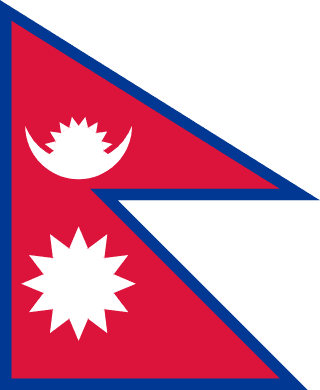
Welcome to Nepal
Nepal, officially the Federal Democratic Republic of Nepal, is a landlocked country in South Asia.
It lies between India and China, extending from the lowland plains of the Terai to the extraordinary heights of the Himalayas.
Its capital, Kathmandu, is a centre of government, culture, religion, education and commerce.
Other important cities include Pokhara, Lalitpur, Bhaktapur, Bharatpur, Biratnagar, Birgunj, Butwal and Janakpur.
Nepal is known for Mount Everest, ancient architecture, sacred places, diverse languages, mountain communities, music and hospitality.
Yet Nepal is much more than its mountains and temples.
It is the story of parents raising children, teachers encouraging students, farmers growing food, healthcare workers caring for patients and grandparents preserving family memories.
It is also the story of people experiencing poverty, illness, homelessness, discrimination, loneliness, displacement or the lasting effects of war and natural disasters.
"To understand Nepal, we must discover the humanity behind its flag."
🏡 A Day in the Life of Nepal
Imagine an ordinary morning somewhere in Nepal.
In Kathmandu, a parent prepares breakfast before children leave for school.
In Pokhara, a boat operator prepares to welcome visitors to Phewa Lake.
In Bhaktapur, an artisan works with wood, clay or traditional materials.
In the Terai, a farmer begins tending crops beneath the morning sun.
In the Annapurna region, a mountain guide prepares for another day's journey.
In a Himalayan village, a teacher walks toward a small school.
In Lumbini, a visitor pauses for quiet reflection near a place of great spiritual significance.
In western Nepal, a family continues rebuilding a home damaged by an earthquake.
A nurse welcomes patients. A grandparent shares stories. A young adult searches for employment.
Some families enjoy stable incomes, secure homes and strong community relationships.
Others struggle with financial insecurity, inaccessible roads, poor housing, illness or limited opportunities.
🏛️ Ancient Nepal and Its Cultural Heritage
Nepal's history stretches across thousands of years of settlement, cultural exchange and changing political traditions.
The Kathmandu Valley
The Kathmandu Valley became an important centre of architecture, craftsmanship, religion, commerce and scholarship.
Its historic cities include Kathmandu, Patan and Bhaktapur, each with distinctive artistic traditions.
The Newar Heritage
Newar communities contributed to the valley's architecture, festivals, trade and religious life over many centuries.
Lumbini
Lumbini, in southern Nepal, is traditionally recognized as the birthplace of Siddhartha Gautama, the Buddha.
It is an important international pilgrimage site and a UNESCO World Heritage property.
Kingdoms and Dynasties
Nepal's historical development included the Licchavi and Malla periods, along with many regional kingdoms and communities.
Unification
During the eighteenth century, Prithvi Narayan Shah expanded the Gorkha kingdom and established the foundations of a unified Nepali state.
These processes involved military campaigns, political change and diverse experiences among conquered communities.
A Living Heritage
Traditional crafts, temples, festivals, oral histories and local languages continue to carry memories from generation to generation.
"The greatest treasures of history are not only ancient buildings, but the people whose lives and skills created them."
🏛️ Monarchy, Democracy and Political Change
Nepal has undergone major political changes during the past century.
The Rana Period
From the nineteenth century until 1951, hereditary Rana prime ministers exercised dominant political authority.
Political movements eventually challenged this arrangement and helped open a new period of government.
Democratic Movements
The restoration of multiparty democracy in 1990 brought constitutional changes and opportunities for wider civic participation.
The People's Movement of 2006
Large demonstrations and political organizing in 2006 challenged royal rule and helped restore parliamentary government.
May 28, 2008
Nepal's Constituent Assembly abolished the monarchy and declared the country a federal democratic republic.
The 2015 Constitution
A new Constitution established Nepal's current federal constitutional framework.
Debates have continued regarding representation, regional identity, inclusion, constitutional reform and political accountability.
Recent Civic Concerns
In September 2025, anti-corruption demonstrations and the government's response led to deaths, injuries and the resignation of the prime minister.
These events drew attention to public concerns about accountability, opportunity and civil liberties.
Nepalese citizens hold different political views, and no party or leader represents every person's experience.
"A nation's freedom grows stronger when its people can speak, participate and live without fear."
🕯️ Nepal's Civil Conflict, 1996–2006
One of the most painful periods in Nepal's modern history was the armed conflict between Maoist insurgents and government security forces.
The Beginning
In 1996, the Communist Party of Nepal (Maoist) launched an armed rebellion seeking major political and social change.
The conflict expanded across different regions of the country.
The Human Cost
More than 13,000 people died during the decade of fighting, according to United Nations historical reporting, while other historical estimates place the total above 17,000.
Many others were injured, displaced, abducted or subjected to threats and abuse.
Families and Children
Children experienced disrupted education, fear, displacement and separation from relatives.
Some minors were recruited or used by armed groups.
Violations and Accountability
Both Maoist forces and state security forces were accused of serious human rights abuses, including unlawful killings, torture and disappearances.
Survivors and families have continued seeking truth, reparations and justice.
Invisible Wounds
War can leave lasting emotional consequences, including grief, fear, nightmares, mistrust and anxiety.
"No child should have to inherit the violence of a conflict they never chose."
🕊️ The 2006 Peace Agreement and the Search for Healing
On November 21, 2006, the Government of Nepal and the Maoists signed the Comprehensive Peace Agreement.
The agreement formally ended the decade-long armed conflict and established commitments toward political transition.
From War to Political Participation
The peace process included arrangements involving arms management, elections and constitutional change.
Democratic Transition
The country subsequently abolished the monarchy and developed a federal republican system.
Truth and Reconciliation
Families affected by killings, disappearances, torture and displacement have continued seeking answers and accountability.
Peace cannot be complete if survivors feel forgotten or unable to obtain justice.
The Meaning of Healing
For some families, healing involves rebuilding homes and livelihoods.
For others, it means receiving information about a missing relative or finding appropriate mental health support.
Forgiveness is personal and must never be demanded of victims.
"The journey from war to peace begins when every life is recognized as worthy of dignity."
🌍 Nepal's Languages, Peoples and Communities
Nepal is home to extraordinary ethnic, linguistic and cultural diversity.
Nepali is the official language, while many other languages are spoken throughout the country.
Himalayan Communities
Sherpa, Tamang and other communities maintain cultural traditions associated with Himalayan regions.
Hill and Valley Communities
Newar, Gurung, Magar, Rai, Limbu and many other groups contribute to Nepal's cultural richness.
The Terai
Tharu, Madhesi and other communities have diverse languages, histories and traditions across Nepal's southern plains.
Dalit Communities
Caste-based discrimination has affected many Dalit people and other marginalized groups.
Constitutional protections and equality initiatives have sought to address these injustices, but discrimination has not disappeared.
Indigenous Rights
Indigenous nationalities advocate for language preservation, cultural recognition, land rights and fair representation.
Belonging
Every individual deserves dignity regardless of caste, ethnicity, language, religion, gender or economic circumstances.
❤️ Family, Friendship and Community
Family and community connections are important in many Nepalese households.
Some families include grandparents, parents and children living together or close by.
Others include single parents, couples, smaller households or people living alone.
Families gather for festivals, meals, weddings, religious ceremonies and community celebrations.
Working Abroad
Many Nepalese people work overseas to support family members at home.
Money sent home has contributed to improvements in household living standards.
But migration can also create separation, loneliness and financial or employment risks for workers.
Mutual Support
Neighbours and extended relatives often help one another during weddings, funerals, harvests, illness and emergencies.
Some families face hardship due to unemployment, disability, poverty or the loss of loved ones.
"A caring family or community is one where no person is forgotten because they are struggling."
🎵 Nepal's Culture and Traditions
🎶 Music and Dance
Folk songs, traditional instruments, contemporary music and dances reflect the many cultures of Nepal.
🍲 Food
Dal bhat, momo, sel roti, dhido, gundruk and regional dishes reflect Nepal's culinary diversity.
🎉 Festivals
Dashain, Tihar, Chhath, Losar, Buddha Jayanti and many other festivals bring communities together.
🎨 Arts and Crafts
Wood carving, metalwork, traditional painting, weaving and pottery preserve centuries of artistic knowledge.
📚 Literature
Poetry, oral traditions, folk stories and modern writing explore identity, history, justice and everyday life.
🏔️ Mountain Traditions
Trekking, mountaineering, mountain guiding and hospitality are important to many communities and visitors.
🎓 Children, Education and Opportunity
Children throughout Nepal attend schools, build friendships and develop dreams for their futures.
Nepal has public and private schools, universities and vocational institutions.
Many young people hope to become teachers, doctors, engineers, artists, entrepreneurs or community leaders.
However, educational opportunities vary between cities, rural plains and mountain regions.
Some children must travel long distances to school.
Others face limited classroom resources, poverty, disability-related barriers or pressure to work.
Girls in some communities face additional challenges involving early marriage and educational opportunity.
Earthquakes and floods can damage schools and interrupt learning.
Children who have experienced war, disasters or family separation may need additional emotional support.
Every child deserves nutritious food, protection, encouragement, friendship and meaningful education.
"A child's future should never be limited by the height of a mountain, the remoteness of a village or the poverty of a family."
🕊️ Faith, Spirituality and the Search for Inner Peace
Nepal is home to important Hindu, Buddhist, Kirat, Muslim, Christian and other religious and spiritual traditions.
Some people also identify as non-religious or express spirituality in personal ways.
Hindu Heritage
Hindu traditions have played an important role in Nepal's festivals, temples, family life and history.
Buddhist Heritage
As the traditional birthplace of the Buddha, Nepal holds special meaning for Buddhists around the world.
Sites including Boudhanath, Swayambhunath and Lumbini provide places for worship, learning and reflection.
Shared Traditions
In some communities, Hindu and Buddhist practices have influenced one another over generations.
Religious Freedom
Nepal's Constitution establishes a secular republic while regulating certain religious activities.
People may debate how freedom of conscience should be protected in practice.
Inner Peace
Different traditions offer different approaches to compassion, mindfulness, service, prayer and reflection.
No person must share a particular faith to deserve kindness and dignity.
"The highest form of peace may begin with how gently we treat another human being."
🌿 The Himalayas, Forests, Rivers and Wildlife
Nepal contains some of the most dramatic natural landscapes on Earth.
Mount Everest
Mount Everest, known as Sagarmatha in Nepali and Chomolungma in Tibetan, rises along Nepal's border with China.
Its height and cultural significance attract international attention, but surrounding communities have histories and livelihoods beyond mountaineering.
The Annapurna Region
The Annapurna mountains, valleys and villages are known for exceptional landscapes and cultural diversity.
Pokhara
Pokhara is known for lakes, mountain views and opportunities for outdoor recreation.
Chitwan National Park
Chitwan protects important habitats for greater one-horned rhinoceroses, tigers, elephants and other wildlife.
Bardia National Park
Bardia is another important conservation area in Nepal's western lowlands.
Rivers and Forests
Nepal's rivers support drinking water, farming, hydropower and natural ecosystems.
Environmental Challenges
Climate change, glacier retreat, floods, landslides, pollution and deforestation threaten communities and habitats.
Protecting nature must include the rights and livelihoods of local people.
"The mountains remind us of nature's greatness. The people living beneath them remind us of our shared responsibility."
🕯️ Earthquakes, Disasters and the Courage to Rebuild
Nepal is vulnerable to powerful earthquakes because of its location in the Himalayan mountain-building region.
April 25, 2015
A devastating earthquake struck central Nepal, followed by major aftershocks.
Approximately 9,000 people died, and many more were injured or displaced.
Homes, schools, hospitals and historic temples were destroyed or damaged.
The Human Cost
Parents lost children. Children lost parents. Families lost homes, livelihoods and loved ones.
Remote mountain communities faced particular difficulties receiving aid.
November 3, 2023
Another destructive earthquake struck Jajarkot District in western Nepal.
The United Nations reported 154 deaths, including 81 children, and 366 injuries.
Approximately 250,000 people were affected, with more than 62,000 households reporting damaged homes.
Rebuilding
Emergency responders, volunteers, medical teams, Nepalese security personnel and humanitarian organizations assisted affected families.
Recovery can require years of rebuilding infrastructure and restoring livelihoods.
Emotional Recovery
Survivors may continue experiencing grief, anxiety, nightmares and fear of aftershocks.
"When the earth shakes, humanity is found in the hands that reach out to help."
🛠️ Work, Healthcare and Everyday Needs
Nepalese people work in agriculture, education, healthcare, tourism, transport, construction, trade and many other fields.
Many families depend on farming, livestock, small businesses or informal employment.
Tourism and trekking provide income in some regions, but the benefits and risks are not shared equally.
Overseas employment provides financial support for many households through remittances.
However, labour migration may expose some workers to unsafe conditions, recruitment costs or separation from their families.
Nepal has public and private healthcare facilities, although access and affordability vary greatly.
People in remote mountain villages may face long journeys to hospitals.
Some households experience difficulties obtaining nutritious food, reliable water, housing or specialized treatment.
Every person deserves meaningful work, safe housing, healthcare and the opportunity to build a stable future.
🌧️ Challenges Facing Nepal
Nepal has made significant progress in reducing poverty, but many individuals and communities continue to face hardship.
Poverty and Financial Security
The World Bank's October 2026 brief reported that 20.3% of Nepal's population lived below the updated national poverty line in 2022. This is not a new 2026 household measurement.
Employment and Migration
Limited secure employment opportunities lead many people to seek work abroad, sometimes under difficult or unsafe conditions.
Housing and Homelessness
Some households experience inadequate housing, insecure accommodation or homelessness, especially following disaster or financial loss.
Mental Health
Anxiety, depression, trauma, grief and loneliness affect people from different generations and communities.
Healthcare and Education
Remote geography, poverty, disability and shortages of services can make access to healthcare and education difficult.
Climate and Disasters
Earthquakes, floods, landslides, glacier-related hazards and changing rainfall threaten communities and livelihoods.
🎖️ Honouring Nepalese Soldiers, Gurkhas and Peacekeepers
Nepal has a long military history, including the Gorkha kingdom, national defence, service in foreign armies and international peacekeeping.
The Gurkha Tradition
Gurkha soldiers, recruited from Nepal and associated with historical military traditions, have served in British and Indian military forces for generations.
Many served during the First and Second World Wars and in later conflicts.
Some died, were wounded or returned with lasting psychological and physical injuries.
Families and Service
Military service may provide income and opportunity, but it can also involve dangerous deployments and extended family separation.
Nepal's Own Armed Forces
The Nepal Army has responsibilities involving national defence, emergency response and other authorized duties.
The Civil Conflict
Government military personnel and Maoist combatants fought during the 1996–2006 conflict.
Honest remembrance requires recognizing civilians harmed by all parties and refusing to excuse abuses committed during the fighting.
United Nations Peacekeeping
Nepal has contributed to United Nations peacekeeping operations since 1958.
Nepalese military and police personnel have served in different regions of the world, including communities affected by war and instability.
As reported by the United Nations in April 2026, 76 Nepalese peacekeepers had died while serving under the UN flag over more than six decades.
Women in Peacekeeping
Nepalese women have served in military, police, medical and other peacekeeping roles.
Disaster Relief
Nepalese soldiers and emergency workers have assisted communities after earthquakes, floods and landslides.
Veterans and Their Families
Veterans may face physical injuries, emotional trauma, grief or challenges transitioning to civilian life.
Families deserve support and recognition for the sacrifices associated with service.
Remembering Civilians
Honouring soldiers must also include remembrance of civilian victims of war, violence, displacement and disaster.
"The greatest tribute to those who served is protecting the lives and dignity of generations yet to come."
🤝 Nepalese People Helping One Another
Throughout Nepal, volunteers, charities, community organizations and public services support people experiencing hardship.
Some provide food, education, healthcare assistance and temporary shelter.
Others assist children, older adults, people with disabilities and individuals experiencing homelessness.
Community groups help families following earthquakes, floods and landslides.
Teachers and healthcare workers often serve in difficult or remote conditions.
Families and neighbours may work together to repair homes, share resources and assist those who cannot manage alone.
These contributions show that compassion does not require wealth or public recognition.
"Humanity rises whenever one person chooses to help another."
🌅 Nepal's Dreams for Tomorrow
Imagine a Nepal where every child grows up in a safe and loving home.
Where families can afford nutritious food, secure housing and healthcare.
Where young people can find meaningful employment without being forced to leave loved ones behind.
Where workers who choose overseas employment receive fair treatment and safe conditions.
Where remote mountain villages have reliable schools, roads and medical services.
Where those experiencing homelessness receive stable housing and practical support.
Where older adults receive companionship, dignity and appropriate care.
Where mental health difficulties are met with understanding and accessible treatment.
Where Dalit, Indigenous and other marginalized communities experience equal opportunity and protection from discrimination.
Where survivors of civil conflict receive truth, justice and opportunities to heal.
Where families affected by earthquakes and landslides have the support needed to rebuild.
Where veterans and peacekeepers receive care and recognition.
Where mountains, forests, rivers and wildlife are protected for future generations.
Where people of different religious and cultural backgrounds live with mutual respect.
And where every human life has the opportunity to flourish in dignity, freedom and peace.
"A nation's greatest achievement is not the height of its mountains, but the opportunity for every person to rise."
🌎 Your Journey of Understanding
You have explored Nepal's Himalayan heritage, cultural diversity, journey toward democracy, civil conflict, peacekeeping, earthquake recovery and everyday challenges.
Now consider three reflections connecting the mind, heart and spirit. Click each question to reveal its reflection.
🧠 MENTALLY - What have you learned?
Before this journey, what came to mind when you thought of Nepal?
Mount Everest? Mountain climbers? Temples? The Buddha? Beautiful valleys?
Did you also consider the decade-long civil conflict, the 2006 peace agreement, the experiences of marginalized communities and the sacrifices of Nepalese peacekeepers?
What does Nepal's history teach us about the importance of democracy, equality and human rights?
Why should we understand Nepal through ordinary families rather than viewing it only as a destination for mountain adventures?
What does the difference between ending a war and creating lasting peace teach us?
❤️ EMOTIONALLY - What touched your heart?
Imagine a mother waiting for news of a child missing since the civil conflict.
A family whose home collapsed during the 2015 earthquake.
A child sleeping outdoors after the 2023 earthquake in western Nepal.
A mountain guide working in dangerous conditions to support relatives.
A migrant worker living far from family and hoping to return home safely.
A Nepalese peacekeeper serving overseas while loved ones await their return.
A senior in a remote village who needs medical care.
Which story touches your heart most deeply?
How might compassion become meaningful action?
🕊️ SPIRITUALLY - What connects us?
Nepal is a country whose mountains reach extraordinary heights, yet many of its people face very ordinary human struggles.
What does this teach us about the difference between achievement and compassion?
Can we honour soldiers and peacekeepers while also remembering innocent civilians harmed by conflict?
How can communities heal after war while still respecting the need for truth and justice?
What might Buddhist teachings on compassion, and other Nepalese spiritual traditions, offer our shared humanity?
Can people of different religions, languages and backgrounds recognize one another as equally deserving of love and dignity?
What does inner peace mean when someone nearby is suffering?
What small act of kindness could you offer today to help another person know that they matter?
The Nepal Behind the Flag
Somewhere in Nepal, a mother prepares breakfast for her children.
A teacher welcomes students into a classroom.
A farmer tends a field beneath the morning sun.
A mountain guide begins a journey along a Himalayan trail.
A grandmother shares stories passed down through generations.
A nurse comforts a patient.
A volunteer helps a family rebuild after an earthquake.
A peacekeeper remembers a fallen friend.
A young person waits for a parent working far from home.
A survivor of civil conflict hopes to find answers and healing.
And somewhere, a child dreams of a world where everyone can experience dignity, compassion and peace.
"Mountains reaching toward the heavens.
Ancient temples inviting quiet reflection.
Families carrying courage through hardship.
Countless human stories.
One shared humanity."
That is the Nepal behind the flag.
Return to Beginning Explore Another NationSources and Further Reading
Explore Nepal's history, democracy, humanitarian needs, poverty, heritage and peacekeeping contributions.
Office of the President of Nepal - History and Republican Government
Ministry of Foreign Affairs of Nepal
World Bank - Nepal Poverty and Equity Data
World Bank - Nepal Poverty and Equity Brief, October 2026
United Nations - Nepalese Peacekeeping and Service
United Nations - Western Nepal Earthquake Recovery
UNESCO - Nepal World Heritage Sites
Encyclopaedia Britannica - Nepal History and Society
This page provides a broad, human-centred introduction and does not represent every Nepalese person's experiences, beliefs or political views.