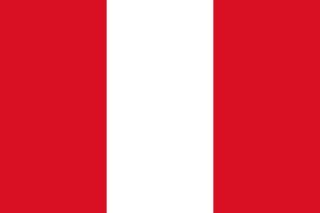
Welcome to Peru
Peru, officially the Republic of Peru, is a country in western South America.
It borders Ecuador, Colombia, Brazil, Bolivia and Chile, with a long coastline along the Pacific Ocean.
Its capital and largest city is Lima.
Other important cities include Arequipa, Cusco, Trujillo, Chiclayo, Piura, Iquitos, Huancayo, Puno and Tacna.
Peru is known for ancient civilizations, Indigenous languages, remarkable mountains, biodiversity, cuisine, music and artistic traditions.
But Peru is much more than Machu Picchu and its celebrated history.
It is parents raising children, teachers encouraging students, farmers growing food, nurses caring for patients and grandparents preserving memories.
It is also individuals experiencing poverty, homelessness, illness, discrimination, loneliness or the emotional consequences of violence.
"To understand Peru, we must discover the humanity behind its flag."
🏡 A Day in the Life of Peru
Imagine an ordinary morning somewhere in Peru.
In Lima, a commuter begins a journey through busy streets.
In Cusco, a teacher welcomes children into a classroom.
In Arequipa, a shopkeeper prepares to open a small business.
In Puno, a family begins another day beside Lake Titicaca.
In the Sacred Valley, a farmer tends crops growing on Andean land.
In Iquitos, a boat operator prepares to travel along an Amazonian river.
In Trujillo, a student studies for examinations.
In a remote village, an older adult remembers changes experienced over many decades.
A nurse comforts a patient. An artisan begins weaving. A parent hopes for secure employment.
Some households have comfortable homes, stable incomes and strong family support.
Others experience low wages, inadequate housing, medical expenses or limited access to public services.
🏛️ Peru's Ancient Civilizations
Peru is home to some of the oldest and most influential civilizations in the Americas.
Caral
The Sacred City of Caral-Supe developed thousands of years ago and represents one of the earliest centres of civilization in the Americas.
Chavín
The Chavín culture produced remarkable religious architecture, sculpture and artistic traditions.
The Nazca
The Nazca culture is famous for the extraordinary geoglyphs etched into desert landscapes.
The Moche
Moche communities created sophisticated ceramics, metalwork, irrigation systems and monumental structures.
The Wari
The Wari civilization developed extensive settlements, roads and cultural networks.
Ancient Knowledge
These societies developed impressive knowledge of farming, architecture, water management, craftsmanship and astronomy.
Yet their societies also included ordinary people whose names are no longer known.
"The greatest legacy of ancient civilization is the human creativity that made its achievements possible."
⛰️ The Inca Civilization and Machu Picchu
The Inca Empire, known as Tawantinsuyu, became one of the largest states in pre-Columbian America.
Cusco
Cusco became the political and cultural centre of the Inca Empire.
Roads and Engineering
Inca engineers built extensive road networks, terraces, bridges and settlements throughout the Andes.
Farming
Terraced agriculture helped communities grow crops in difficult mountain environments.
Machu Picchu
Machu Picchu was built during the fifteenth century and remains one of the world's most celebrated archaeological sites.
Its stone buildings, terraces and mountain setting reflect extraordinary engineering and craftsmanship.
The Human Story
Behind each stone wall were people who carried materials, grew food, raised children and sustained communities.
Living Heritage
Quechua-speaking communities and other Indigenous peoples continue to preserve languages, agricultural knowledge, weaving traditions and cultural practices connected to the Andean past.
"Ancient stones tell us what people built. Living communities remind us who their descendants are."
🕯️ Spanish Conquest and Colonial Rule
During the sixteenth century, Spanish forces invaded the Inca Empire.
The Conquest
Francisco Pizarro and his forces captured the Inca ruler Atahualpa in 1532.
War, disease and political upheaval contributed to the collapse of Inca imperial rule.
The Viceroyalty of Peru
Spain established colonial institutions that reshaped government, religion, trade and land ownership.
Indigenous Suffering
Indigenous communities experienced forced labour, dispossession, heavy tribute and profound population losses.
Mining
Colonial mining generated significant wealth for imperial institutions while exposing many Indigenous and other labourers to dangerous conditions.
African Heritage
Enslaved Africans were brought to Peru during the colonial era.
Afro-Peruvian communities later developed and preserved important musical, cultural and culinary traditions.
Resistance
Indigenous people resisted exploitation through different means.
The rebellion led by Túpac Amaru II in 1780 became a major historical challenge to colonial rule.
"A society grows in understanding when it remembers not only those who held power, but also those who suffered under it."
🇵🇪 Peru's Independence - July 28, 1821
Peru's independence emerged through years of conflict, political organizing and regional struggles against Spanish colonial rule.
José de San Martín
José de San Martín proclaimed Peru's independence in Lima on July 28, 1821.
Continuing Warfare
The proclamation did not immediately end Spanish military resistance.
Simón Bolívar
Simón Bolívar and other independence leaders contributed to later campaigns.
Ayacucho
The Battle of Ayacucho in December 1824 was a decisive victory for independence forces.
The Birth of the Republic
The new republic faced challenges involving political institutions, economic recovery, inequality and regional representation.
What Independence Means
Political freedom has its deepest meaning when it improves the lives of ordinary people.
"Freedom becomes meaningful when every family can imagine a future without fear."
🎖️ Wars and Military Sacrifice
Peru's national history includes military conflicts involving neighbouring countries and internal political struggles.
The War of the Pacific
From 1879 to 1884, Peru and Bolivia fought against Chile in the War of the Pacific.
The conflict caused extensive military and civilian suffering.
Miguel Grau
Admiral Miguel Grau became an important figure in Peruvian naval remembrance.
He is remembered for his service and for acts of humanity toward those affected by naval combat.
Francisco Bolognesi
Colonel Francisco Bolognesi is remembered for his role in the defence of Arica in 1880.
Border Conflicts
Peru and Ecuador experienced territorial disputes and armed clashes during the twentieth century.
The 1998 Peace Agreement
The Brasília Presidential Act of 1998 helped resolve their longstanding border dispute.
Remembering Civilians
War affects military personnel and also farmers, workers, children, older adults and families who never chose to fight.
"The greatest tribute to military sacrifice is a future where nations resolve disagreements without sending another generation into war."
🕯️ Peru's Internal Armed Conflict, 1980–2000
From 1980 to 2000, Peru experienced a devastating period of political violence.
Shining Path
The Maoist insurgent organization Shining Path, known as Sendero Luminoso, began an armed campaign against the Peruvian state in 1980.
Its activities included killings, attacks on communities, intimidation and other serious abuses.
MRTA
The Túpac Amaru Revolutionary Movement, or MRTA, also engaged in armed operations.
State Security Forces
Police and military personnel responded through counterinsurgency operations.
State security forces and associated actors committed serious human rights violations, including unlawful killings, torture and disappearances.
The Human Cost
Peru's Truth and Reconciliation Commission estimated approximately 69,280 people were killed or disappeared during the conflict.
Rural Communities
Andean and Indigenous communities suffered disproportionately.
Many people who were killed or disappeared spoke Quechua or other Indigenous languages.
Families and Children
Parents lost children, children lost parents, and families fled villages to escape violence.
Some people continue searching for loved ones whose fate remains unknown.
"The wounds of violence remain when families are denied truth, justice and the chance to mourn."
❤️ Truth, Justice and the Search for Healing
After the conflict, Peru established a Truth and Reconciliation Commission.
The Commission
The commission investigated violence and human rights violations committed between 1980 and 2000.
Its final report was published in 2003.
Remembering Victims
The commission gathered testimony from survivors and families affected by killings, disappearances, torture and other abuses.
Historical Responsibility
Its findings documented crimes committed by insurgent organizations and by state agents.
Disappeared Persons
Peru has maintained official efforts to locate and identify people missing from the period of violence.
As of November 2023, the national search register listed 22,551 missing persons associated with the conflict.
Healing and Accountability
Families may need answers, reparations, appropriate healthcare and recognition of what happened.
Healing does not mean forgetting or excusing abuses.
Forgiveness is a personal choice and should never be imposed on survivors.
"We honour the past most meaningfully when remembrance guides us toward justice and compassion."
🏛️ Democracy, Government and Civic Life
Peru is a constitutional republic.
The country has experienced repeated political crises, disputes between branches of government and debates over institutional reform.
Political Participation
Peruvians participate through elections, civic organizations, public debate and peaceful demonstrations.
Public Concerns
Important issues include corruption, employment, healthcare, education, crime, public safety and regional inequality.
Protests and Human Rights
Political demonstrations have at times been accompanied by violence and serious concerns about the conduct of security forces.
Investigations and accountability remain important when people are killed or injured.
Many Perspectives
Peruvians hold different political views, and no government or political leader represents every individual's experience.
Public Trust
Stable institutions require transparency, respect for the law and opportunities for citizens to participate safely.
"Democracy is strongest when the dignity and rights of ordinary people remain at the centre of public life."
🌍 Peru's Languages and Communities
Peru is home to a remarkable diversity of cultural and linguistic communities.
Spanish
Spanish is widely spoken throughout the country.
Quechua
Quechua languages form an important part of the cultural heritage of Andean communities.
Aymara
Aymara-speaking communities maintain rich traditions, particularly in southern Peru around Lake Titicaca.
Amazonian Peoples
The Amazon is home to many Indigenous peoples, including Asháninka, Shipibo-Konibo, Awajún and others.
Afro-Peruvian Heritage
Afro-Peruvian communities contribute important traditions in music, dance, food and national culture.
Other Communities
Peru also has families and communities with European, Chinese, Japanese and other ancestral connections.
Respecting Rights
Some Indigenous communities face challenges involving access to services, discrimination, environmental damage and land rights.
"Many voices. Many histories. One shared humanity."
❤️ Family, Friendship and Community
Family relationships are important to many Peruvians.
Some households include grandparents, parents and children living together or nearby.
Others include smaller families, couples, single parents or people living alone.
Families gather for meals, birthdays, weddings, religious occasions and cultural festivals.
Many Peruvians maintain connections with relatives who live abroad, including in Canada.
These relationships can provide financial and emotional support but may also involve painful separation.
Some families experience hardship through illness, unemployment, displacement or the loss of loved ones.
Community organizations, neighbours and relatives may help families through difficult circumstances.
"A caring community is one where every person knows their life is valued and their struggles are not ignored."
🎵 Peru's Culture and Traditions
🎶 Music
Andean music, huayno, marinera, Afro-Peruvian rhythms and contemporary styles reflect Peru's cultural diversity.
🍲 Food
Ceviche, lomo saltado, ají de gallina, causa, quinoa dishes and numerous regional foods reflect centuries of culinary exchange.
🧶 Weaving
Andean textiles, embroidery and traditional clothing preserve artistic skills and cultural knowledge.
🎉 Festivals
Inti Raymi, religious celebrations, regional festivals and community ceremonies express different histories and traditions.
🎨 Arts and Crafts
Ceramics, woodwork, silverwork, painting and contemporary design demonstrate remarkable creativity.
⚽ Sports
Football, volleyball, surfing, athletics and other sports inspire participation and community pride.
🎓 Children, Education and Opportunity
Children throughout Peru attend schools, make friends and dream about their futures.
Peru has public and private schools, universities and technical training institutions.
Many children hope to become doctors, teachers, engineers, artists, athletes or entrepreneurs.
Different Opportunities
Children in remote Andean and Amazonian communities may face long journeys to school.
Some schools experience shortages of resources, adequate facilities or reliable internet.
Language and Learning
Education that respects Indigenous languages and cultures can help children learn while preserving identity.
Poverty
Financial hardship can affect nutrition, school attendance and access to learning materials.
Safety
Children affected by violence, family difficulties or displacement may need additional protection and emotional support.
Every child deserves nutritious food, safe housing, friendship, healthcare and a meaningful education.
"No child's dreams should be limited by the remoteness of a village, the language they speak or the income of their family."
🕊️ Faith, Spirituality and Shared Values
Peru has a diverse religious and spiritual heritage.
Roman Catholic Christianity has played a major role in the country's history and cultural life.
Protestant and evangelical churches, other religious groups and non-religious individuals are also part of society.
Indigenous spiritual traditions remain important in many communities.
Connection with Nature
Some Andean traditions recognize a deep spiritual relationship with mountains, land and Pachamama, often understood as Mother Earth.
Shared Celebrations
Religious and cultural observances may bring together family, community, music and traditional practices.
Freedom of Conscience
Every person deserves dignity and respect regardless of religious belief or nonbelief.
Inner Peace
Prayer, reflection, service, family relationships and time in nature can be meaningful sources of comfort.
"Inner peace becomes more meaningful when it inspires compassion for the people who share our world."
🌿 The Andes, Amazon and Pacific Ocean
Peru is one of the world's most biologically and geographically diverse countries.
The Andes
The Andes Mountains contain high peaks, valleys, glaciers, agricultural terraces and historic communities.
The Amazon Rainforest
Peru's Amazonian regions support extraordinary biodiversity and many Indigenous communities.
Lake Titicaca
Lake Titicaca, shared with Bolivia, is an important ecological and cultural region.
The Pacific Coast
Coastal ecosystems include beaches, fishing communities, deserts and marine wildlife.
Colca Canyon
Colca Canyon is known for dramatic landscapes and the Andean condor.
Huascarán National Park
Huascarán protects important high-altitude ecosystems and the landscapes surrounding some of Peru's highest peaks.
Environmental Challenges
Climate change, glacier retreat, floods, landslides, deforestation, illegal mining and water pollution affect ecosystems and communities.
Protecting biodiversity also requires respecting Indigenous land rights and local livelihoods.
"The land is more than scenery. It is the source of food, water, belonging and life for generations of people."
🌧️ Earthquakes, Floods and Community Resilience
Peru lies along the Pacific Ring of Fire and is vulnerable to earthquakes and other natural hazards.
The 1970 Áncash Earthquake
A devastating earthquake on May 31, 1970, triggered a deadly avalanche that overwhelmed Yungay and surrounding communities.
Tens of thousands of people died in the wider disaster.
The 2007 Pisco Earthquake
A powerful earthquake struck the southern coast, causing hundreds of deaths and extensive damage.
El Niño
Periods of intense rainfall and flooding associated with El Niño have damaged homes, roads, schools and farmland.
Recovery
Emergency workers, community organizations, military personnel and volunteers help during disaster response.
The Human Cost
Survivors may carry grief, trauma and uncertainty long after buildings have been repaired.
🛠️ Work, Healthcare and Everyday Needs
Peruvians work in agriculture, mining, fishing, tourism, education, healthcare, technology, manufacturing and commerce.
Small businesses and informal employment provide livelihoods for many families.
Mining and exports contribute to the economy but also raise important debates about environmental protection and local benefits.
Healthcare services are available through different public and private systems, although quality and access vary.
Remote communities may face long journeys to specialized treatment.
Some households struggle with rent, transportation, food costs or insecure employment.
Every person deserves meaningful work, safe housing, adequate nutrition, healthcare and a secure future.
🌧️ Challenges Facing Peru
Peru has made significant economic and social progress, but many people continue to experience hardship.
Poverty and Financial Security
Peru's national statistics institute reported that 25.7% of the population lived in monetary poverty in 2025, down from 27.6% in 2024.
Rural Inequality
In 2025, monetary poverty affected 35.5% of the rural population, compared with 23.4% of the urban population.
Housing and Homelessness
Some individuals experience overcrowding, inadequate housing, unstable accommodation or homelessness.
Mental Health
Grief, anxiety, depression, loneliness and trauma affect people from different generations and communities.
Education and Healthcare
Poverty, distance, disability and regional differences can make education and medical treatment difficult to access.
Environment and Safety
Deforestation, mining pollution, natural disasters, violent crime and insecurity threaten some communities.
🎖️ Honouring Peruvian Soldiers, Veterans and Peacekeepers
Peru's military history includes the struggle for independence, international wars, internal conflict, disaster response and international peacekeeping.
The Independence Wars
Military personnel and civilians participated in campaigns that brought an end to Spanish colonial rule.
The War of the Pacific
Peruvian forces experienced heavy casualties during the war with Chile in the nineteenth century.
Those who served, including sailors and soldiers, remain part of national remembrance.
Border Conflicts
Peruvian and Ecuadorian soldiers served during territorial conflicts, with families on both sides experiencing loss.
The Internal Conflict
Soldiers and police faced threats during operations against insurgent organizations between 1980 and 2000.
However, the period also included serious human rights abuses by state agents.
Honouring individual service does not excuse unlawful killings, disappearances or mistreatment of civilians.
United Nations Peacekeeping
Peru has contributed military and police personnel to United Nations peacekeeping operations.
Peruvian peacekeepers have served in missions including those in Haiti and the Central African Republic.
Emergency Service
Military personnel also assist communities during natural disasters and emergency response operations.
Veterans and Families
Veterans may experience physical injury, psychological trauma, grief or difficulties returning to civilian life.
Their families also deserve recognition and support.
Remembering Civilians
The suffering of Indigenous communities, missing persons, families affected by war and victims of political violence must be central to remembrance.
"The greatest tribute to sacrifice is protecting the lives, freedom and dignity of future generations."
🤝 Peruvians Helping One Another
Throughout Peru, volunteers, charities, community groups and public services help people experiencing hardship.
Some provide food, clothing, housing support and assistance with healthcare.
Others help older adults, people with disabilities and individuals experiencing homelessness.
Community organizations work with children, families and survivors of violence.
Indigenous organizations help preserve languages, defend community rights and protect the environment.
Emergency workers and volunteers assist families after earthquakes, floods and landslides.
Teachers, nurses, neighbours and relatives perform countless acts of kindness every day.
"Humanity grows stronger whenever one person chooses to care for another."
🌅 Peru's Dreams for Tomorrow
Imagine a Peru where every child grows up in a safe and loving home.
Where every family has enough nutritious food and clean water.
Where young people can find meaningful employment and educational opportunities.
Where rural communities enjoy reliable healthcare, transportation and public services.
Where Indigenous languages and traditions are respected and preserved.
Where people experiencing homelessness receive stable housing and practical assistance.
Where older adults receive dignity, companionship and appropriate care.
Where mental health difficulties are met with understanding and accessible treatment.
Where families of those killed or disappeared during political violence receive truth, recognition and justice.
Where veterans and peacekeepers receive appropriate care and recognition.
Where the Andes, Amazon, rivers and coastline are protected for future generations.
Where children no longer suffer because of poverty, discrimination or political violence.
Where democratic institutions respect human rights and public accountability.
And where every person can live with security, belonging, dignity and peace.
"A nation's greatest achievement is a future where every human life has the opportunity to flourish."
🌎 Your Journey of Understanding
You have explored Peru's ancient heritage, independence, cultural diversity, experiences of political violence, natural beauty, humanitarian challenges and hopes for peace.
Now consider three reflections connecting your mind, heart and spirit. Click each question to reveal its reflection.
🧠 MENTALLY - What have you learned?
Before this journey, what came to mind when you thought of Peru?
Machu Picchu? The Incas? The Andes? Llamas? The Amazon?
Did you also consider the ancient city of Caral, the suffering of Indigenous communities during colonial rule, the War of the Pacific and the internal conflict of 1980–2000?
What does Peru's history teach us about the relationship between power and human dignity?
Why must we remember both cultural achievements and the suffering of people whose voices were historically ignored?
How can truth and accountability help a society move toward lasting peace?
❤️ EMOTIONALLY - What touched your heart?
Imagine a Quechua-speaking mother searching for a family member who disappeared during the internal conflict.
A child in a remote Andean village who dreams of becoming a doctor.
A farmer worried about drought, floods or damage to a harvest.
A grandmother who remembers violence that changed her community.
A family whose home was destroyed in an earthquake.
A Peruvian peacekeeper serving overseas while loved ones wait for news.
A senior living alone and struggling to afford medicine.
Which story touches your heart most deeply?
How might compassion become a meaningful action in response?
🕊️ SPIRITUALLY - What connects us?
Peru is a land of extraordinary mountains, ancient civilizations and many cultural traditions.
What can its history teach us about the equal dignity of every person?
Can a country honour soldiers while also acknowledging abuses committed during conflicts?
How can communities pursue truth and justice without passing hatred to future generations?
What does inner peace mean when someone continues grieving a missing loved one?
Can respecting Indigenous communities and the natural world become part of a wider understanding of humanity?
Does compassion begin when we recognize that another person's suffering could one day be our own?
What small act of kindness could you offer today to help someone know that they matter?
The Peru Behind the Flag
Somewhere in Peru, a mother prepares breakfast for her children.
A teacher welcomes students into a classroom.
A farmer tends crops on a mountain terrace.
A fisher prepares to cross the Pacific waters.
An artisan weaves a pattern learned from earlier generations.
A grandmother shares stories of her ancestors.
A nurse comforts a patient.
A volunteer assists a family affected by flooding.
A soldier remembers a fallen friend.
A family continues searching for a loved one missing from the years of violence.
And somewhere, a child dreams of a Peru where every person can live with dignity, opportunity and peace.
"Ancient stones above the clouds.
Great rivers flowing through the forest.
Many cultures carrying living traditions.
Countless human stories.
One shared humanity."
That is the Peru behind the flag.
Return to Beginning Explore Another NationSources and Further Reading
Learn more about Peru's history, Indigenous cultures, political violence, poverty, humanitarian needs and natural heritage.
Peru National Statistics Institute - Poverty in 2025
INEI - Official Statistics of Peru
Truth and Reconciliation Commission - Final Conclusions
Peru Ministry of Justice - Missing Persons Register
International Center for Transitional Justice - Peru
United Nations - Peacekeeping Personnel Contributions
Encyclopaedia Britannica - Peru History and Society
This page provides a broad, human-centred introduction and does not represent every Peruvian person's experiences, beliefs or political views. Historical estimates are identified as estimates, and poverty figures are dated to their measurement period.