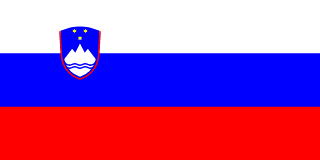
Welcome to Slovenia
Slovenia, officially the Republic of Slovenia, is a country in Central Europe.
It borders Italy, Austria, Hungary and Croatia and has a short coastline along the Adriatic Sea.
Its capital and largest city is Ljubljana.
Other important cities include Maribor, Celje, Kranj, Koper, Novo Mesto, Nova Gorica, Ptuj and Velenje.
Slovenia is known for its dramatic Alpine landscapes, lakes, forests, caves, historical towns and cultural traditions.
Its history includes centuries under different empires, two world wars, the creation and breakup of Yugoslavia and independence in 1991.
But Slovenia is much more than its mountains, lakes or impressive achievements.
It is parents raising children, teachers encouraging students, farmers tending their land, nurses caring for patients and grandparents preserving memories.
It is also people experiencing poverty, illness, loneliness, housing insecurity, discrimination or the emotional consequences of past conflict.
"To understand Slovenia, we must discover the humanity behind its flag."
🏡 A Day in the Life of Slovenia
Imagine an ordinary morning somewhere in Slovenia.
In Ljubljana, a parent prepares breakfast before children leave for school.
In Maribor, a healthcare worker begins a hospital shift.
In Celje, a shopkeeper opens a small business.
In Koper, a port worker prepares for another day along the Adriatic coast.
In the Julian Alps, a mountain guide checks the day's conditions.
Near Lake Bled, a hospitality worker welcomes visitors.
In a rural village, a farmer tends orchards, animals or vineyards.
In an apartment, a grandmother remembers when Slovenia was part of Yugoslavia.
Some families enjoy secure housing, stable employment and supportive communities.
Others face rising expenses, health concerns, loneliness or difficulty finding affordable housing.
🏛️ Ancient Peoples and Early Slovenian Heritage
The territory of Slovenia has been inhabited since prehistoric times.
Early Settlements
Archaeological remains reveal ancient farming, craftsmanship, trade and community life.
Roman History
During the Roman period, settlements and roads connected the region to wider European trading networks.
Emona
The Roman settlement of Emona stood in the area of modern Ljubljana.
Slavic Settlement
Slavic-speaking communities became established in the region during the early medieval period.
Carantania
Carantania was an early medieval Slavic political entity associated with parts of the eastern Alpine region.
A Meeting Place of Cultures
Centuries of contact with neighbouring regions helped shape language, customs and traditions.
"Every land holds the footprints of generations whose ordinary lives contributed to its history."
📜 Medieval History, Empires and Cultural Identity
For centuries, much of Slovenian territory belonged to the Habsburg monarchy and later Austria-Hungary.
Medieval Towns
Communities developed around castles, monasteries, agricultural land and trading routes.
Slovenian Language
Slovene linguistic and literary traditions developed through centuries of cultural change.
Primož Trubar
In 1550, Primož Trubar published the first printed books in Slovene.
Education and Identity
Writers, teachers and cultural leaders worked to preserve and develop Slovene language and identity.
France Prešeren
The nineteenth-century poet France Prešeren became an important cultural figure.
Part of his poem "Zdravljica" later became Slovenia's national anthem.
Families Through History
While rulers and political borders changed, ordinary families continued farming, working, raising children and preserving traditions.
"A nation's cultural strength is carried through the voices, stories and creativity of its people."
🕯️ Slovenia and the Two World Wars
The two world wars profoundly affected communities in Slovenian lands.
The First World War
Much of present-day Slovenia was part of Austria-Hungary during the First World War.
The Isonzo Front
Heavy fighting occurred between Austro-Hungarian and Italian forces along the Soča River region.
The Battles of the Isonzo caused enormous casualties among soldiers from many nationalities.
Civilians
Families experienced displacement, loss, shortages and destruction.
After 1918
Most Slovene lands became part of the new South Slavic state, while some western territories became part of Italy and other areas remained elsewhere.
The Second World War
In April 1941, Axis powers invaded Yugoslavia.
Slovenian territory was divided among occupying powers, including Germany, Italy and Hungary.
Occupation
Communities experienced repression, forced displacement, imprisonment and violence.
🎖️ Resistance During the Second World War
Resistance movements emerged in occupied Slovenian territory.
The Liberation Front
The Liberation Front of the Slovenian People was established in 1941.
Partisan Forces
Slovenian partisans participated in armed resistance against occupying forces.
Women and Families
Women and civilians helped resistance networks through medical assistance, communications, supplies and other activities.
Occupation Reprisals
Occupying forces carried out reprisals against civilians, including executions, deportations and the destruction of villages.
The Human Cost
Resistance fighters, civilians and prisoners suffered injury, death and separation from loved ones.
Remembering Courage
People took different risks and made different choices under extraordinarily difficult circumstances.
"Courage can mean standing against oppression, protecting a neighbour or helping someone survive another day."
🕯️ War, Persecution and Historical Responsibility
The Second World War and its aftermath remain deeply significant parts of Slovenia's history.
Jewish and Roma Victims
Jewish and Roma communities experienced persecution under Nazi and other Axis authorities.
Political and Civilian Violence
The war included violence involving occupying forces, resistance groups and collaborationist units.
Postwar Killings
After the war, communist-led authorities carried out extrajudicial killings of prisoners and others accused of collaboration or political opposition.
Many victims were buried in unmarked or concealed graves.
Families Seeking Answers
Relatives of victims have sought truth, identification, remembrance and recognition.
Different Historical Experiences
Families may carry very different memories of the war and its aftermath.
Truth and Compassion
Honouring resistance to Nazism does not require excusing postwar executions.
Similarly, acknowledging postwar crimes must not erase Nazi persecution or the suffering caused by occupation.
"Reconciliation begins when we acknowledge suffering without choosing whose humanity matters."
🌍 Slovenia's Years in Yugoslavia
After the Second World War, Slovenia became one of six republics within socialist Yugoslavia.
Economic Development
Industry, education and public infrastructure expanded during the postwar decades.
Employment
Many people worked in manufacturing, public services, agriculture and trade.
Political Restrictions
The one-party political system restricted political competition and some civil liberties.
Cultural Identity
Slovenia retained distinctive linguistic and cultural institutions within the federation.
Different Memories
Some residents remember social stability, employment and community connections.
Others recall political restrictions or economic difficulties.
The 1980s
Economic instability and political disagreements contributed to growing demands for democratic reform and independence.
"Political systems may change, but the memories of ordinary families continue across generations."
🏛️ Democratic Change and the Road to Independence
During the late 1980s, calls for political change grew throughout Slovenia.
Public Debate
Writers, journalists, civic groups and political movements advocated democratic institutions and greater self-government.
1990 Elections
In April 1990, Slovenia held multiparty elections.
December 23, 1990
A referendum asked voters whether Slovenia should become independent.
Approximately 88.5% of all eligible voters supported independence, representing about 95% of those who voted.
Public Hopes
Many people sought democratic institutions, national sovereignty and greater control over political decisions.
Responsibility
Self-government carries obligations to protect fundamental rights and the dignity of minorities and vulnerable residents.
🇸🇮 Slovenia's Independence - June 25, 1991
Slovenia formally adopted its independence documents on June 25, 1991.
A Historic Decision
The declaration marked the creation of an independent Slovenian state.
June 26
A formal independence ceremony took place the following day.
Military Confrontation
Yugoslav People's Army units moved to assert federal control over border crossings and other strategic locations.
Slovenian Defence
Slovenian Territorial Defence and police forces resisted the Yugoslav military operation.
International Diplomacy
European mediation helped secure an agreement ending major fighting.
International Recognition
European countries recognized Slovenia in early 1992.
Slovenia joined the United Nations in May 1992.
New Institutions
The country continued developing its Constitution, government, economy and international relationships.
"Independence is not only the right of a nation to govern itself. It is the opportunity to protect the lives and hopes of its people."
🕊️ The Ten-Day War - June and July 1991
The Ten-Day War followed Slovenia's declaration of independence.
Military Confrontation
Yugoslav People's Army forces and Slovenian Territorial Defence and police personnel fought around roads, military facilities and border crossings.
Casualties
Military personnel and civilians were killed or injured during the fighting.
Families
People experienced fear, uncertainty, interrupted travel and concern for loved ones.
The Brioni Agreement
On July 7, 1991, an internationally mediated agreement brought an end to major hostilities.
Withdrawal
Yugoslav military forces completed their withdrawal from Slovenia in October 1991.
Remembrance
Slovenian defenders, Yugoslav soldiers and civilians were individual human beings with families and personal histories.
A Peaceful Future
Recognizing the human cost of the Ten-Day War encourages respect for diplomacy and conflict prevention.
"The lasting meaning of military sacrifice is found in the peace and security future generations can enjoy."
🌎 Slovenia in Europe and the World
Slovenia has developed extensive diplomatic, economic and cultural relationships since independence.
The European Union
Slovenia joined the European Union on May 1, 2004.
NATO
Slovenia joined NATO in March 2004.
The Euro
Slovenia adopted the euro on January 1, 2007.
International Cooperation
Slovenia participates in international diplomacy, development programmes and humanitarian initiatives.
Democratic Institutions
Slovenia is a parliamentary republic with a president, government, National Assembly and other institutions.
Many Perspectives
Slovenians hold different political views and priorities, including concerning public services, environmental protection, housing and international relations.
"International cooperation becomes meaningful when it helps people live with greater security, fairness and dignity."
🌍 Slovenia's Languages and Communities
Slovenia is home to people with different cultural, linguistic and family backgrounds.
Slovene
Slovene is the country's official language.
Italian and Hungarian Communities
Italian and Hungarian communities have recognized minority language rights in designated areas.
Roma Communities
Roma communities contribute to Slovenian society while some residents continue to face challenges involving discrimination, housing and access to services.
Other Communities
Slovenia is also home to people with roots in Croatia, Bosnia and Herzegovina, Serbia, North Macedonia and other countries.
Belonging
People may identify with more than one language, heritage or culture.
❤️ Family, Friendship and Community
Family relationships and friendships are important to many Slovenians.
Some households include grandparents, parents and children living together or nearby.
Others include couples, single parents, smaller households or people living alone.
Community Traditions
Local celebrations, shared meals, outdoor activities and cultural events bring people together.
Older Adults
Some older adults experience illness, limited incomes, loneliness or difficulty accessing services.
Young Families
Some parents face challenges involving childcare, housing and balancing family responsibilities with work.
Care and Compassion
Friends, neighbours and community organizations may provide valuable support during hardship.
"A community becomes stronger when kindness extends beyond our closest family and reaches those who feel alone."
🎵 Slovenian Culture and Traditions
🎶 Music
Folk music, choral singing, polka, classical performances and contemporary music reflect Slovenia's cultural heritage.
🍲 Food
Potica, štruklji, jota, idrijski žlikrofi and regional dishes reflect influences from Alpine, Mediterranean and Central European cultures.
🎨 Folk Crafts
Lacemaking, woodwork, pottery, beekeeping traditions and other crafts preserve important knowledge.
🏰 Architecture
Ljubljana's historic centre, castles, churches, traditional villages and mountain buildings reflect diverse architectural styles.
📚 Literature
France Prešeren, Ivan Cankar and other writers contributed to Slovenian language and cultural identity.
🏅 Sports
Cycling, skiing, ski jumping, climbing, basketball, football and other sports inspire participation and achievement.
🎓 Children, Education and Opportunity
Children throughout Slovenia attend schools, build friendships and dream of their futures.
The country has schools, universities, vocational programmes and other educational institutions.
Learning
Young people pursue interests in science, technology, medicine, sports, music, arts and many other fields.
Different Circumstances
Some children face challenges involving family income, disability, mental health or access to services.
Emotional Well-Being
Anxiety, loneliness, bullying and family stress can affect children regardless of the country's economic development.
Supportive Communities
Teachers, parents, healthcare workers and community organizations can help children feel safe and valued.
Every child deserves nutritious food, healthcare, encouragement, friendship and a meaningful education.
"The greatest gift we can offer a child is the belief that their life matters and their future holds possibility."
🕊️ Faith, Spirituality and Freedom of Belief
Slovenia has a varied religious and spiritual heritage.
Roman Catholic Christianity has played an important historical and cultural role.
Orthodox Christian, Protestant, Muslim and other religious communities contribute to society.
Some residents identify as non-religious or follow personal spiritual traditions.
Historic Sacred Places
Churches, monasteries and other religious buildings preserve architectural and cultural heritage.
Freedom of Conscience
Every individual deserves the freedom to believe, question or not believe without discrimination.
Compassion
Religious and secular organizations contribute to community care and charitable assistance.
"Peace within ourselves can become love without when we extend kindness beyond the limits of our own beliefs."
🌿 Mountains, Lakes, Forests and the Adriatic
Slovenia is known for its natural beauty and extraordinary environmental diversity.
Triglav National Park
The park protects much of the Julian Alps and the area around Mount Triglav, Slovenia's highest mountain.
Lake Bled
Lake Bled is known for its island church, surrounding mountains and historic castle.
Lake Bohinj
Lake Bohinj offers mountain scenery, forests and a quieter Alpine setting.
The Soča River
The Soča is famous for its striking emerald-green water and historic landscapes.
Postojna Cave
Postojna and the Škocjan Caves reveal remarkable underground landscapes.
Forests and Wildlife
Extensive forests support wildlife and help maintain important ecosystems.
The Adriatic Coast
Slovenia's coastline includes historic towns such as Piran and Koper.
Environmental Challenges
Flooding, landslides, drought, heat and climate change can affect communities and natural habitats.
"The beauty of nature reminds us that protecting our Earth is part of protecting humanity."
🌧️ Floods, Disasters and the Strength to Rebuild
Slovenia has experienced significant weather-related disasters.
August 2023 Floods
Severe floods and landslides affected extensive parts of the country, damaging homes, roads, bridges and other infrastructure.
Families Displaced
Some residents were forced to evacuate or temporarily leave damaged homes.
Emergency Response
Firefighters, civil protection teams, military personnel, volunteers and neighbours helped with rescue and recovery.
Emotional Consequences
Losing a home or livelihood can cause grief, anxiety and prolonged uncertainty.
Recovery
Rebuilding communities requires not only repairing roads and houses but also restoring emotional well-being and financial security.
🛠️ Work, Healthcare and Everyday Needs
Slovenians work in healthcare, manufacturing, tourism, agriculture, education, technology, transport and many other sectors.
Small businesses, public services and international commerce contribute to economic activity.
Slovenia has a public healthcare system, although access and waiting times can create difficulties for some patients.
Housing affordability is a concern, particularly for some younger adults and households in growing urban areas.
Some people experience unstable employment, financial pressure or challenges accessing specialized care.
Every person deserves safe housing, meaningful work, adequate nutrition and healthcare.
🌧️ Challenges Facing Slovenia
Slovenia has achieved significant economic and social development, but some individuals and families continue to experience hardship.
Income Poverty Risk
Slovenia's Statistical Office reported that 14.3% of people were at risk of relative income poverty in its 2025 survey, based on 2024 incomes.
Poverty or Social Exclusion
The broader at-risk-of-poverty-or-social-exclusion rate was 15.5% in 2025, representing about 324,000 people.
Housing and Homelessness
Some people face high housing costs, insecure accommodation, overcrowding or homelessness.
Older Adults
Some seniors experience limited incomes, chronic illness, social isolation or difficulties accessing appropriate care.
Mental Health
Depression, anxiety, grief, loneliness and trauma affect people from all communities and generations.
Environmental Risks
Flooding, landslides, drought and climate change threaten homes, livelihoods and natural environments.
🎖️ Honouring Slovenian Soldiers, Veterans and Peacekeepers
Slovenia's military history includes service during the world wars, resistance to occupation, the Ten-Day War and international peace-support operations.
The First World War
Soldiers from Slovenian lands served in different armed forces, particularly within Austria-Hungary.
The fighting along the Isonzo Front caused terrible military and civilian suffering.
The Second World War
Resistance fighters and civilians experienced danger, deprivation, loss and persecution.
Honest Remembrance
Remembering the resistance to Nazi occupation must also include the victims of wartime and postwar abuses.
The Ten-Day War
Slovenian Territorial Defence and police personnel served during the struggle for independence in 1991.
Yugoslav soldiers and civilians also experienced casualties during the conflict.
Modern Armed Forces
The Slovenian Armed Forces participate in national defence and authorized international security missions.
International Service
Slovenian personnel have contributed to NATO, European Union and United Nations missions and peace-support operations.
Disaster Response
Service personnel have assisted communities affected by flooding and other emergencies.
Veterans and Families
Veterans may experience injuries, trauma, grief and difficulties adapting after service.
Their families deserve recognition, understanding and appropriate care.
Civilians
Remembrance must include everyone harmed through war, persecution, unlawful killings and displacement.
"The greatest tribute to military sacrifice is a future where children can live without fear of war."
🤝 Slovenians Helping One Another
Across Slovenia, volunteers, charities, community organizations and public services assist people experiencing hardship.
Some provide food, shelter, counselling and financial assistance.
Others support older adults, children, people with disabilities and individuals experiencing homelessness.
Firefighters and civil protection organizations play important roles in responding to natural disasters.
Slovenian communities have also provided humanitarian assistance to people displaced by conflict in other European countries.
Everyday acts of generosity remind us that compassion does not require great wealth or public recognition.
"A caring society is created by the people who choose to help someone else."
🌅 Slovenia's Dreams for Tomorrow
Imagine a Slovenia where every child grows up in a safe and loving home.
Where every family can afford nutritious food, secure housing and healthcare.
Where young people can pursue meaningful work and educational opportunities.
Where older adults receive dignity, companionship and practical support.
Where people experiencing homelessness find stable housing and assistance.
Where mental health difficulties are met with understanding and accessible treatment.
Where minority communities enjoy equal opportunities and full respect.
Where victims of the world wars and postwar violence are remembered truthfully.
Where veterans and military families receive appropriate recognition and care.
Where the independence achieved in 1991 is remembered alongside the human cost of its defence.
Where forests, rivers, mountains, lakes and marine ecosystems are protected.
Where political differences are addressed through democratic participation and respectful dialogue.
And where every individual can live with freedom, security, belonging, compassion and peace.
"A nation's greatest achievement is a future where every human life has the opportunity to flourish."
🌎 Your Journey of Understanding
You have explored Slovenia's ancient heritage, cultural traditions, wartime suffering, democratic transition, independence, the Ten-Day War and everyday challenges.
Now consider three reflections connecting your mind, heart and spirit. Click each question to reveal its reflection.
🧠 MENTALLY - What have you learned?
Before this journey, what came to mind when you thought of Slovenia?
Lake Bled? The Alps? Ljubljana? Forests? Beautiful scenery?
Did you also know about the Isonzo Front, resistance during the Second World War, the history of Yugoslavia and the Ten-Day War of 1991?
Why is it important to remember both resistance to oppression and abuses committed after war?
What does Slovenia's path to independence teach us about democracy and national self-determination?
How can we distinguish a nation's economic progress from the circumstances experienced by every individual?
❤️ EMOTIONALLY - What touched your heart?
Imagine a family living near the Soča River during the First World War.
A civilian hiding from occupation forces during the Second World War.
A family searching for someone who disappeared during postwar violence.
A soldier or police officer defending Slovenia during the Ten-Day War.
A parent frightened by military activity near home.
A family whose house was severely damaged in the 2023 floods.
An older adult living alone and struggling with expenses.
Which story touches your heart most deeply?
How could compassion become a meaningful action in response?
🕊️ SPIRITUALLY - What connects us?
Slovenia's history includes war, resistance, peaceful political change and independence.
What can this teach us about the human desire for freedom and security?
Can we honour soldiers who defended their country while also remembering the humanity of those on the opposing side?
How can truth and accountability help families heal after generations of violence?
What does inner peace mean when someone carries difficult memories?
Can we admire a nation's beautiful landscapes while remembering people who struggle within it?
How can our understanding of one country inspire compassion for every country?
What small act of kindness could you offer today to help someone know they matter?
The Slovenia Behind the Flag
Somewhere in Slovenia, a mother prepares breakfast for her children.
A teacher welcomes students into a classroom.
A farmer tends an orchard beneath the mountains.
A nurse comforts a patient.
A guide leads visitors through Alpine trails.
An artisan preserves a traditional craft.
A grandmother recalls the excitement and uncertainty of independence.
A volunteer helps a family rebuild after flooding.
A veteran remembers a fallen friend.
A young person dreams of a future full of opportunity and peace.
And somewhere, a child hopes for a world in which everyone knows their life has value.
"Mountains rising above emerald waters.
Ancient villages holding generations of memories.
Families protecting the freedom they cherish.
Countless human stories.
One shared humanity."
That is the Slovenia behind the flag.
Return to Beginning Explore Another NationSources and Further Reading
Learn more about Slovenia's history, independence, wartime remembrance, living conditions, cultural heritage and military service.
Government of Slovenia - History of Slovenia
Bank of Slovenia - Independence in 1991
Slovenian Armed Forces - Military History
Government of Slovenia - Sovereignty Day
Statistical Office - Income, Poverty and Social Exclusion, 2025
Statistical Office of the Republic of Slovenia
Culture of Slovenia - Historical and Cultural Heritage
UNESCO - Slovenia World Heritage
NATO - Member Countries and International Missions
United Nations - Peacekeeping Personnel Contributions
Encyclopaedia Britannica - Slovenia History and Society
This page provides a broad, human-centred introduction and does not represent every Slovenian person's experiences, beliefs or political views. Historical remembrance recognizes individual responsibility rather than collective blame. Income-poverty measures are relative and refer to their identified reporting periods.