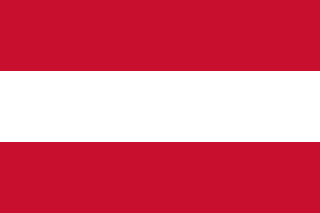
Welcome to Austria
Austria, known in German as Österreich, is a landlocked country in Central Europe.
Its capital, Vienna, is celebrated for its architecture, museums, music and history.
Other important cities include Salzburg, Graz, Linz, Innsbruck and Klagenfurt.
Austria is known for the Alps, historic palaces, charming villages, classical music and beautiful lakes.
But beyond the scenery and cultural achievements are the people who call Austria home.
Parents raising children. Teachers encouraging students. Farmers working the land. Nurses helping patients. Seniors remembering earlier generations.
And individuals facing poverty, illness, loneliness, homelessness or uncertainty about tomorrow.
"To understand Austria, we must discover the humanity behind its flag."
🏡 A Day in the Life of Austria
Imagine an ordinary morning somewhere in Austria.
In Vienna, commuters board trams and underground trains on their way to work.
In Salzburg, a student prepares for another day of school.
In Graz, a nurse begins a hospital shift.
In Innsbruck, a worker looks toward snow-covered mountains before starting the day.
In a rural village, a farmer tends crops or livestock.
Near an Alpine lake, a small business owner welcomes customers.
A parent prepares breakfast. A teacher opens a classroom. A grandparent walks to a local café.
Some families enjoy secure housing, reliable employment and comfortable lives.
Others struggle with increasing living expenses, loneliness, unemployment or difficulties finding affordable accommodation.
📜 Austria's History and Identity
The lands of modern Austria have been inhabited for thousands of years, including by Celtic and Roman populations.
Over time, the region became part of the Holy Roman Empire and developed into a significant centre of European political and cultural life.
The Habsburg Dynasty
For centuries, the Habsburg dynasty ruled Austria and extensive territories across Europe.
Vienna became an important centre of imperial government, architecture, music, science and art.
The Habsburg monarchy included peoples speaking many different languages and practising various religions.
Its history included cultural achievements but also conflicts, inequalities and political struggles.
The Austro-Hungarian Empire
In 1867, the Austrian Empire was reorganized into the Austro-Hungarian monarchy.
It remained a major European power until its collapse at the end of the First World War in 1918.
Following the war, Austria emerged as a smaller republic.
The country experienced economic hardship and increasing political polarization during the following decades.
"History reminds us that even great empires eventually disappear, while the lives and memories of ordinary people continue."
🕯️ Austria, Nazi Rule and the Holocaust
Austria's history during the Second World War is a vital part of its national remembrance.
The Anschluss of 1938
In March 1938, Nazi Germany annexed Austria in an event known as the Anschluss.
Many Austrians welcomed or supported the annexation, while others opposed Nazi rule or became targets of persecution.
Austria was incorporated into Nazi Germany, and persecution began immediately.
The Holocaust
Jewish people were stripped of their rights, property and security.
Approximately 65,000 Austrian Jews were murdered during the Holocaust.
Roma and Sinti people, people with disabilities, political opponents and other groups were also persecuted.
Austrian individuals participated in Nazi institutions and crimes, while some opposed the regime, helped persecuted people or joined resistance activities.
Mauthausen Concentration Camp
Mauthausen and its network of subcamps became sites of forced labour, imprisonment, torture and mass death.
Today, the Mauthausen Memorial is an important place of remembrance and education.
The victims and their families deserve truthful acknowledgement, not historical denial or minimization.
"Never again must mean standing against hatred, persecution and the dehumanization of others."
🕊️ Independence, Neutrality and a New Beginning
At the end of the Second World War in 1945, Austria was divided into Allied occupation zones.
The country began rebuilding its economy, institutions and democratic life.
The Austrian State Treaty
On May 15, 1955, the Austrian State Treaty was signed, restoring Austria's full sovereignty.
Following the withdrawal of occupying forces, Austria adopted a law declaring permanent neutrality on October 26, 1955.
October 26 is now celebrated as Austria's National Day.
Neutrality became an important feature of the country's international identity.
A Role in International Cooperation
Vienna hosts important international organizations, including United Nations offices and other diplomatic institutions.
Austria joined the European Union in 1995.
The country participates in international peacekeeping and humanitarian activities while maintaining its constitutional neutrality.
"Rebuilding after conflict offers an opportunity to choose cooperation, democracy and the protection of human life."
❤️ Family, Friendship and Community
Family relationships, friendships and community life are important to many Austrians.
Some households include parents and children, while others include single parents, couples, extended families or people living alone.
Grandparents may help care for children and share memories across generations.
Community life includes schools, sports clubs, cultural organizations, religious communities and volunteer groups.
Austria is also home to people with family histories connected to Türkiye, the former Yugoslavia, Germany, Syria and many other places.
These communities contribute to the country's food, languages, businesses and cultural life.
Yet some individuals experience loneliness, isolation, discrimination or family hardship.
"Belonging begins when people feel accepted, valued and connected."
🎵 Austrian Culture and Traditions
🎼 Classical Music
Austria is associated with composers including Wolfgang Amadeus Mozart, Franz Schubert, Joseph Haydn and Johann Strauss II.
🎭 Theatre and Opera
Vienna and other Austrian cities have longstanding traditions of opera, orchestral music, theatre and performing arts.
🍰 Food
Austrian cuisine includes Wiener schnitzel, apple strudel, Sachertorte, dumplings and many regional specialties.
🎄 Celebrations
Christmas markets, Advent traditions, regional festivals and seasonal gatherings are important parts of cultural life.
🏔️ Alpine Traditions
Traditional clothing, folk dancing, mountain farming and local festivals reflect regional history.
⛷️ Sports
Skiing, hiking, cycling, football and other sports bring together families and communities.
🎓 Children and Education
Children throughout Austria attend school, form friendships and develop their abilities.
Austria has public schools, universities and vocational education pathways.
Its apprenticeship system helps many young people combine classroom learning with practical workplace training.
Some children have access to secure homes and extensive educational opportunities.
Others face difficulties associated with poverty, language barriers, disability or family circumstances.
Every child deserves a safe environment, encouragement, friendship and an opportunity to learn.
"Every child's potential deserves recognition, regardless of their family's income or background."
🕊️ Faith, Spirituality and Beliefs
Roman Catholicism has played a significant role in Austria's history and cultural traditions.
Austria is also home to Protestant, Orthodox, Muslim, Jewish, Buddhist and other religious communities.
Many residents identify as non-religious.
Jewish communities contributed greatly to Austrian literature, music, science and cultural life before the devastation of the Holocaust.
Jewish cultural and religious life continues in Austria today.
Freedom of religion and conscience is essential to protecting every person's dignity.
"Our beliefs may differ, but our shared need for compassion and belonging remains."
🌲 The Alps, Lakes and Natural Heritage
Austria is known for its mountains, forests, rivers, lakes and valleys.
The Austrian Alps shape much of the country's landscape and culture.
Regions such as Tyrol, Salzburg, Carinthia and Styria offer distinctive natural environments.
The Danube River flows through Austria, including through Vienna.
Many people enjoy hiking, skiing, cycling, swimming and other outdoor activities.
Environmental challenges include climate change, melting Alpine glaciers, flooding, biodiversity loss and extreme weather.
Protecting natural landscapes helps preserve wildlife, communities and future generations.
"The beauty of the Earth is a gift we have a responsibility to protect."
🛠️ Work, Healthcare and Everyday Needs
People in Austria work in tourism, manufacturing, healthcare, education, agriculture, technology, transportation and many other sectors.
The country has an extensive public healthcare system and social protection programmes.
Many people enjoy secure employment and strong public services.
However, economic opportunities and living conditions vary between individuals and regions.
Housing costs, rising expenses, access to certain services and financial insecurity affect some households.
Older adults and people with disabilities may require additional assistance and support.
Austria's achievements do not erase the challenges faced by those who are struggling.
🌧️ Challenges Facing Austria
Austria has considerable economic resources and developed public institutions, yet some residents experience significant hardship.
Poverty and Exclusion
According to Statistics Austria's updated figures, 18.6% of people in private households were at risk of poverty or social exclusion in 2025.
Housing and Homelessness
Some families face high housing costs, insecure living conditions or homelessness and need appropriate assistance.
Mental Health
Anxiety, depression, grief, trauma and loneliness can affect individuals across all generations.
Older Adults
Some seniors face isolation, financial difficulty, health challenges or growing needs for care.
Social Inclusion
Some migrants, people with disabilities and minority communities encounter discrimination or barriers to services.
Climate Challenges
Flooding, heat, changing snowfall and melting glaciers affect communities, ecosystems and local economies.
🏛️ Democracy, Rights and Human Responsibility
Austria is a federal parliamentary republic made up of nine federal states.
Its national Parliament includes the National Council and the Federal Council.
The federal president serves as head of state, while the federal chancellor leads the government.
Citizens participate through elections, public discussion, community organizations and peaceful demonstrations.
Political debates include housing, migration, the economy, healthcare, energy and social services.
Austrians hold many different political beliefs, and no political party represents everyone.
The experience of authoritarian rule and Nazi persecution highlights the importance of democratic safeguards, historical education, accountability and protection of human rights.
"A democratic society depends on respecting the dignity and rights of people, including those with whom we disagree."
🎖️ Honouring Austrian Soldiers, Veterans and Civilians
Austria's military history includes service during the Habsburg period, the First World War, the Second World War and later international peacekeeping operations.
The First World War
Soldiers from the many peoples of the Austro-Hungarian Empire served during the First World War.
Countless families experienced death, injury, hunger, separation and grief.
The Second World War
After Austria's annexation into Nazi Germany in 1938, many Austrians served in German military forces.
Some participated in Nazi crimes, while others resisted the regime or became its victims.
Historical remembrance must distinguish the experiences of individuals while recognizing responsibility for war crimes and persecution.
Modern Austrian Service
Austria's armed forces are known as the Bundesheer.
They perform national defence, disaster assistance and other duties, and Austria has contributed personnel to United Nations and other international peace-support operations.
Veterans and service members may experience injury, separation, grief or psychological trauma.
They and their families deserve appropriate recognition and support.
"Remembrance is most meaningful when it strengthens our responsibility to protect human life."
🤝 Austrians Helping One Another
Across Austria, charities, volunteers and community organizations help people experiencing hardship.
Some provide food assistance, emergency shelter, housing support and counselling.
Others assist older adults, refugees, families, people with disabilities and individuals facing mental health challenges.
Volunteer fire brigades and emergency organizations serve communities during accidents, floods and other disasters.
These everyday acts of service demonstrate that compassion is more than a belief.
"Sometimes a small act of kindness can restore another person's hope."
🌅 Austria's Dreams for Tomorrow
Imagine an Austria where every child grows up in a safe and loving home.
Where families can afford essential needs and secure housing.
Where people experiencing homelessness receive stable accommodation and meaningful support.
Where older adults receive companionship, dignity and care.
Where people living with mental health difficulties receive understanding and accessible treatment.
Where Jewish, Muslim, Christian, secular and other communities can live without prejudice or persecution.
Where the victims of the Holocaust and other injustices are remembered truthfully.
Where veterans and their families receive support and recognition.
Where the beauty of the Alps, rivers, forests and lakes is protected.
And where future generations grow up with security, compassion, freedom and peace.
"The greatest future a nation can create is one where every human life has the opportunity to flourish."
🌎 Your Journey of Understanding
You have explored Austria's culture, daily life, history, remembrance and challenges.
Now consider three questions connecting your mind, heart and spirit. Click each question to reveal its reflection.
🧠 MENTALLY — What have you learned?
Before this journey, what came to mind when you thought of Austria?
Vienna? Mozart? The Alps? Salzburg? Classical music?
Did you also consider Nazi persecution, Austrian independence, neutrality, poverty and the experiences of ordinary families?
How can a country acknowledge both its remarkable contributions to culture and the injustices of its history?
Why is it important to distinguish the actions of governments from the individual experiences of people?
❤️ EMOTIONALLY — What touched your heart?
Imagine an Austrian Jewish family remembering relatives murdered during the Holocaust.
A child growing up in a household that struggles to afford food or housing.
An older person experiencing loneliness in a busy city.
A firefighter helping a family whose home has been damaged by flooding.
A veteran living with memories of military service.
How might hearing their stories change your understanding of Austria?
What could compassion look like in action?
🕊️ SPIRITUALLY — What connects us?
Austria's history includes extraordinary creativity, persecution, war, reconstruction and cooperation.
What can these experiences teach us about the value of human dignity?
How can we remember historical injustice without passing hatred to future generations?
Can truth, accountability and compassion work together?
How can we honour service members and civilians who suffered while striving to prevent future wars?
Can inner peace help us recognize the needs and humanity of people whose lives are different from our own?
What small act of kindness could you offer today?
The Austria Behind the Flag
Somewhere in Austria, a mother prepares breakfast for her children.
A teacher encourages a student to pursue a dream.
A farmer works among green Alpine hills.
A musician plays a melody passed down through generations.
A grandparent recalls the hardships of the past.
A nurse comforts a patient.
A volunteer helps someone find shelter.
A veteran remembers a fallen friend.
And somewhere, a young person dreams of a world shaped by compassion, understanding and peace.
"A heritage of beautiful music.
Mountains of extraordinary beauty.
A history that must be remembered.
Countless human stories.
One shared humanity."
That is the Austria behind the flag.
Return to Beginning Explore Another NationSources and Further Reading
Explore more about Austria's people, history, democracy, social challenges and remembrance.
Statistics Austria — Poverty and Social Exclusion
Austrian Ministry of Foreign Affairs — History
Austrian Federal Chancellery — The Year 1938
UNESCO — Austria's World Heritage
This page provides a broad introduction and does not represent every Austrian person's experiences, beliefs or political views.