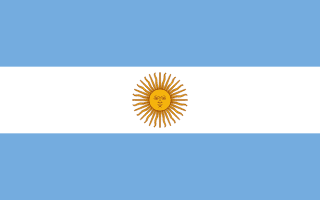
Welcome to Argentina
Argentina is a country in southern South America, stretching from subtropical northern regions to the mountains and glaciers of Patagonia.
Its capital, Buenos Aires, is known for architecture, theatre, music and lively neighbourhoods.
Other important cities include Córdoba, Rosario, Mendoza, Salta, Mar del Plata and San Miguel de Tucumán.
Argentina is celebrated for tango, literature, sport, food, scientific achievements and its spectacular natural landscapes.
But behind the beauty are ordinary people: parents, children, farmers, teachers, workers, nurses, grandparents and neighbours.
Some experience security and opportunity. Others face poverty, illness, loneliness, unemployment or uncertainty.
"To understand Argentina, we must discover the humanity behind its flag."
🏡 A Day in the Life of Argentina
Imagine an ordinary morning somewhere in Argentina.
In Buenos Aires, a commuter boards a train or bus on the way to work.
In Córdoba, a university student prepares for classes.
In Mendoza, a vineyard worker begins another day among the vines.
In the Pampas, a farming family looks after crops or livestock.
In Patagonia, a tourism worker welcomes visitors to the region.
In the northern provinces, a grandmother prepares a family meal.
A nurse comforts a patient. A teacher welcomes children to school. A parent wonders how to make the household budget last until the end of the month.
📜 Argentina's History and Identity
The lands of present-day Argentina have been inhabited by Indigenous peoples for thousands of years.
Spanish colonization began in the sixteenth century, bringing major political, economic and cultural changes, including Indigenous dispossession and forced labour.
On May 25, 1810, political events in Buenos Aires began a revolutionary process that challenged Spanish colonial authority.
Argentina declared independence on July 9, 1816.
The nineteenth century brought political struggles, economic development, territorial expansion and new waves of immigration.
Immigrants from Italy, Spain and many other countries helped shape Argentina's cities, industries, culture and families.
Nation-building also involved violent military campaigns against Indigenous peoples, particularly during the expansion into Patagonia and other regions.
"A nation's history must include both its accomplishments and the suffering of those whose voices were ignored."
🌿 Indigenous Peoples and Living Heritage
Argentina's Indigenous peoples include Mapuche, Qom, Wichí, Guaraní, Kolla, Diaguita and many other communities.
Each has distinct languages, traditions, histories and ways of life.
Some communities live in cities, while others maintain strong relationships with rural territories and traditional lands.
Indigenous peoples continue to contribute to literature, music, art, environmental knowledge and public life.
Important concerns include land rights, discrimination, language preservation, poverty and access to services.
Recognition of Indigenous rights and consultation over matters affecting communities are important to a society committed to dignity.
🕯️ The Military Dictatorship and the Disappeared
From March 24, 1976, until the restoration of democracy in December 1983, Argentina was governed by a military dictatorship.
During this period, state security forces carried out widespread illegal detention, torture, killings and enforced disappearances.
Thousands of people were abducted and disappeared. Human rights organizations commonly commemorate 30,000 disappeared persons, while the number documented in individual case records is lower and incomplete.
Families spent years searching for missing loved ones.
The Mothers and Grandmothers of Plaza de Mayo
The Mothers of Plaza de Mayo became internationally recognized for demanding information about their missing children.
The Grandmothers of Plaza de Mayo have worked to identify children taken or born in captivity during the dictatorship and restore their identities.
These efforts represent extraordinary courage in the pursuit of truth, justice and family connection.
The Return of Democracy
Democratic government returned in December 1983.
Argentina has since pursued investigations, trials and public remembrance of dictatorship-era crimes, although debates about historical memory continue.
"Remembrance is not an invitation to hatred. It is a responsibility to recognize victims and protect the dignity of future generations."
🏛️ Democracy, Freedom and Human Rights
Argentina is a federal constitutional republic, with elected national and provincial governments.
Its Congress consists of the Chamber of Deputies and the Senate.
Citizens participate through elections, community organizations, public discussion and peaceful protest.
Argentina has a strong tradition of political engagement, public debate and civic activism.
People disagree about economic policy, public spending, labour rights, social services and the role of government.
No government or political party represents every Argentine citizen's views.
Historical experience makes independent institutions, human rights, freedom of expression and accountability especially important.
"Democracy is strongest when every person has dignity, a voice and protection under the law."
❤️ Families, Friendships and Community
Family life and friendships are meaningful to many Argentines.
Households include couples, single parents, extended families and people living alone.
Shared meals, community gatherings and conversations over mate are familiar parts of life in many places.
Mate is a traditional herbal infusion often shared among friends or relatives.
Argentina's many immigrant histories have also created family connections around the world.
But not everyone feels secure or connected. Some people experience family separation, financial stress, loneliness or grief.
"Belonging is not measured by wealth or success, but by knowing that someone cares."
🎵 Argentina's Culture and Traditions
💃 Tango
Tango developed in the Río de la Plata region and became a celebrated tradition of music, dance and storytelling, shared with Uruguay.
⚽ Football
Football is a powerful part of popular culture. Generations have celebrated players, neighbourhood clubs and national sporting achievements.
🍽️ Food
Asado, empanadas, locro, milanesas, dulce de leche and regional dishes reflect different histories and tastes.
📚 Literature
Argentine literary traditions include poetry, fiction, drama and writers such as Jorge Luis Borges, Julio Cortázar and many contemporary voices.
🎻 Music
Folk traditions such as chacarera and zamba, along with rock, classical and contemporary music, enrich the country's culture.
🐎 Rural Heritage
Gaucho traditions, horsemanship, regional festivals and agricultural communities are important elements of Argentina's history.
🎓 Children and Education
Children across Argentina go to school, develop friendships and pursue personal interests.
Argentina has a public education system and a longstanding tradition of universities and scientific scholarship.
Children may participate in football, dance, music, creative arts and community activities.
However, some experience poverty, food insecurity, bullying or difficulties accessing educational resources.
Family income and geography can influence opportunities.
Every child deserves encouragement, safety, nutrition, learning and a fair chance to flourish.
"No child's worth should be determined by a family's income or circumstances."
🕊️ Faith, Spirituality and Beliefs
Roman Catholic Christianity has had a significant influence on Argentina's history and culture.
Argentina is also home to Protestant, Jewish, Muslim, Orthodox and other religious communities.
Indigenous spiritual traditions remain important to some communities, and many Argentines identify as non-religious.
Individuals differ in how they understand faith, spiritual meaning and the purpose of life.
Respect for freedom of religion and conscience helps protect the dignity of everyone.
"Our beliefs may differ, but our need for compassion, love and belonging is shared."
🌄 From Iguazú Falls to Patagonia
Argentina contains extraordinary natural diversity.
The Andes rise along its western border, including Aconcagua, the highest mountain in the Americas.
In the northeast, Iguazú Falls forms an immense waterfall system amid subtropical forests shared with Brazil.
The Pampas are known for their plains and farming traditions.
Patagonia contains mountains, glaciers, lakes, grasslands and coastal wildlife.
Other regions include wetlands, deserts, forests and vineyards.
Environmental challenges include drought, flooding, wildfires, deforestation, biodiversity loss and the effects of climate change.
Protecting these landscapes also means safeguarding communities and future generations.
"Our planet is a shared home, and caring for nature is one way of caring for each other."
🌧️ Challenges Facing Argentina
Argentina has remarkable human and natural resources, but many residents continue to face serious difficulties.
Food and Poverty
Official statistics showed poverty affecting 32.3% of people in the main surveyed urban areas during the first half of 2026.
Employment
Official unemployment was 7.9% in the second quarter of 2026. Insecure work can also create financial hardship.
Housing and Homelessness
Some families face high housing costs, informal settlements, overcrowding or homelessness.
Mental Health
Anxiety, grief, depression, trauma and loneliness affect people from many backgrounds and generations.
Older Adults
Some seniors experience financial difficulty, health challenges, isolation or growing care needs.
Regional Inequality
Employment, infrastructure and access to services differ between urban, rural and remote communities.
🎖️ Honouring Argentine Soldiers, Veterans and Civilians
Argentina's military history includes nineteenth-century struggles, international peacekeeping contributions and the South Atlantic conflict of 1982.
The Falklands/Malvinas War
In April 1982, Argentina's military dictatorship invaded the Falkland Islands, known in Argentina as the Islas Malvinas, a British Overseas Territory claimed by Argentina.
The United Kingdom sent a military task force, and the war lasted until June 1982.
Hundreds of Argentine and British service personnel died, as did three island civilians.
The sovereignty dispute remains unresolved, with the United Kingdom and Argentina holding opposing positions and islanders strongly supporting continued British administration.
For families of those killed or injured, the conflict is remembered not merely through political history, but through personal grief and sacrifice.
Supporting Veterans
Veterans may return from military service with physical injuries, emotional trauma and memories that remain for decades.
Families can also experience separation, bereavement and lasting hardship.
Argentina also remembers military personnel who have served in United Nations peacekeeping missions.
"The greatest tribute to those who suffered in war is to protect the lives of those who will inherit the future."
🤝 Argentines Helping One Another
Across Argentina, community groups, charities, volunteers and public services support people experiencing hardship.
Some organize food assistance and help families obtain essential supplies.
Others work with people experiencing homelessness, addiction, disability, illness or social isolation.
Neighbours and volunteers also respond during floods, wildfires and other emergencies.
These acts show that compassion does not require fame or great wealth.
"Sometimes one person's kindness can become another person's reason to hope."
🌅 Argentina's Dreams for Tomorrow
Imagine an Argentina where every child grows up in a safe home with opportunities to learn.
Where families can afford food, secure housing and healthcare.
Where young adults find meaningful employment and confidence in their future.
Where older people receive companionship, respect and care.
Where people experiencing homelessness find housing and practical support.
Where the rights and living cultures of Indigenous communities are respected.
Where people affected by dictatorship, persecution and war are remembered truthfully.
Where veterans and their families receive recognition and assistance.
Where democracy, human dignity and peaceful dialogue remain protected.
And where every person has the opportunity to live with security, compassion and hope.
"A nation's greatest future is one where every human life has the chance to flourish."
🌎 Your Journey of Understanding
You have explored Argentina's history, cultures, landscapes, achievements and difficulties.
Now consider three reflections that connect the mind, heart and spirit. Click each question to open it.
🧠 MENTALLY - What have you learned?
Before this journey, what came to mind when you thought about Argentina?
Tango? Football? Patagonia? Buenos Aires?
Did you also consider its Indigenous communities, dictatorship-era disappearances, families facing poverty and military veterans?
How does understanding both the achievements and painful history of a nation change your perspective?
Why is it important to distinguish ordinary people from the actions of governments?
❤️ EMOTIONALLY - What touched your heart?
Imagine a grandmother still seeking the truth about a loved one who disappeared during the dictatorship.
A parent worrying about how to afford food for their children.
An Indigenous community trying to preserve its language and traditions.
A veteran remembering a friend who never returned from the 1982 war.
A teacher encouraging a child to pursue a dream despite difficult circumstances.
What feelings do these stories create in you? What could compassion look like in action?
🕊️ SPIRITUALLY - What connects us?
Argentina has experienced political oppression, military conflict, economic uncertainty and extraordinary cultural achievement.
What does its history teach us about truth, justice and human dignity?
Can remembrance and compassion help a society heal without forgetting its past?
How can we honour soldiers and civilians affected by war while working toward peace?
What would change if every person believed that their own life and the lives of others truly mattered?
What small act of kindness could you offer today?
The Argentina Behind the Flag
Somewhere in Argentina, a mother prepares breakfast for her children.
A teacher encourages a student to follow a dream.
A farmer tends the land beneath a wide open sky.
A musician plays a melody that tells a story of love or loss.
A grandparent remembers a time of struggle.
A nurse comforts a patient.
A volunteer helps someone find a meal or a safe home.
A veteran remembers a fallen friend.
And somewhere, a young person dreams of a future shaped by dignity, opportunity and peace.
"A land of remarkable beauty.
A history of courage and remembrance.
Countless human stories.
One shared humanity."
That is the Argentina behind the flag.
Return to Beginning Explore Another NationSources and Further Reading
Explore more about Argentina's history, culture, people and current social conditions.
Argentina Government - Our Country
Visit Argentina - Geography and Culture
UNESCO - Argentina World Heritage
This page offers a broad human-centred introduction and does not represent every Argentine person's experiences, beliefs or political views.