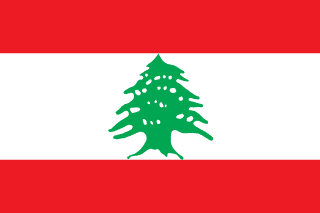
Welcome to Lebanon
Lebanon, officially the Lebanese Republic, is a country on the eastern coast of the Mediterranean Sea.
It borders Syria and Israel, with a coastline facing the Mediterranean.
Its capital, Beirut, is a historic centre of culture, commerce, learning and artistic expression.
Other important cities include Tripoli, Sidon, Tyre, Byblos, Baalbek, Zahlé and Nabatieh.
Lebanon is known for its ancient civilizations, rich cultural traditions, religious diversity, cuisine, literature and extraordinary landscapes.
It is also a nation whose people have endured civil war, economic collapse, displacement, destruction and repeated periods of uncertainty.
But Lebanon must never be understood only through its conflicts.
It is parents raising children, teachers inspiring students, farmers growing food, healthcare workers caring for patients and grandparents preserving memories.
It is also those facing poverty, homelessness, grief, trauma and the challenge of rebuilding their lives.
"To understand Lebanon, we must discover the humanity behind its flag."
🏡 A Day in the Life of Lebanon
Imagine an ordinary morning somewhere in Lebanon.
In Beirut, a mother prepares breakfast before her children leave for school.
In Tripoli, a shopkeeper opens a small business.
In Sidon, a fisher prepares a boat for another day at sea.
In Zahlé, a farmer begins tending crops.
In Byblos, an artisan prepares to welcome visitors to a historic town.
In the Bekaa Valley, a healthcare worker begins another demanding shift.
In a mountain village, a grandparent shares stories of life before the civil war.
In a community affected by recent fighting, a family wonders when it can safely return home.
A university student studies. A teacher prepares lessons. A father searches for employment.
Some households have secure homes, steady incomes and supportive communities.
Others face damaged housing, financial insecurity, medical expenses or the uncertainty of displacement.
🏛️ Lebanon's Ancient Civilizations
The lands of present-day Lebanon have been inhabited for thousands of years.
The Phoenician Cities
Ancient coastal cities including Byblos, Sidon and Tyre became important centres of maritime trade and cultural exchange.
Phoenician merchants and sailors developed extensive trading connections throughout the Mediterranean.
Writing and Communication
The Phoenician alphabet became an important influence on later alphabetic writing systems.
This contribution connects Lebanon's ancient history to the way much of humanity communicates today.
Byblos
Byblos is among the world's oldest continuously inhabited urban settlements and contains archaeological remains from many historical periods.
Baalbek
Baalbek is celebrated for monumental Roman temple architecture and its extraordinary archaeological heritage.
Tyre
Tyre preserves the history of an important Phoenician trading city and later civilizations.
Centuries of Cultural Exchange
The region experienced Persian, Greek, Roman, Byzantine, Arab, Ottoman and other influences.
But behind every ancient monument were ordinary people: builders, farmers, merchants, parents and children.
"The greatness of an ancient civilization rests not only in its monuments, but in the lives of those who built and sustained it."
🇱🇧 Lebanon's Journey to Independence
For centuries, much of present-day Lebanon formed part of the Ottoman Empire.
The First World War
The First World War brought tremendous suffering to the region.
A devastating famine affected Mount Lebanon during 1915–1918, causing widespread death and hardship.
The French Mandate
After the First World War, France governed Lebanon under a League of Nations mandate.
Political institutions developed alongside growing demands for national independence.
November 22, 1943
Lebanon commemorates November 22, 1943, as Independence Day.
French troops withdrew fully in 1946.
A New Country
Independence created opportunities for Lebanese people to shape their institutions and national future.
However, the country continued to face challenges concerning political representation, regional tensions and differences among communities.
"Independence is meaningful when every person can live with dignity, security and opportunity."
🕯️ The Lebanese Civil War, 1975–1990
One of Lebanon's most painful chapters was the civil war that lasted from 1975 to 1990.
A Divided Country
The conflict involved Lebanese political and sectarian militias, Palestinian armed organizations and interventions by outside powers.
Different phases of the war involved shifting alliances, territorial control and fighting between armed groups.
Families Trapped by Conflict
Civilians experienced shelling, kidnapping, displacement, massacres and the loss of relatives.
Neighbourhoods were divided by checkpoints and front lines.
Many families left their homes, while others were separated for years.
The Missing and Disappeared
Thousands of families have sought answers about relatives who disappeared during the conflict.
The uncertainty of not knowing a loved one's fate can become a lifelong emotional wound.
Outside Intervention
Syrian and Israeli military interventions, among others, shaped the conflict and caused additional suffering.
The Taif Agreement
The 1989 Taif Agreement provided a framework for ending the civil war and reorganizing Lebanon's political arrangements.
Major fighting ended in 1990, although the effects endured.
"No child should have to inherit hatred from a war they did not choose."
🕊️ Lebanon and the Continuing Cost of Conflict
Lebanon's geographical location has placed it at the centre of repeated regional tensions and armed confrontations.
Southern Lebanon
Southern communities have experienced invasions, occupation, cross-border attacks, military operations and displacement over several decades.
The War of 2006
The 2006 war between Israel and Hezbollah caused extensive civilian suffering, deaths, displacement and damage to infrastructure in Lebanon and casualties in Israel.
Escalation in 2023 and 2024
Following the outbreak of war in Gaza in October 2023, cross-border fighting between Hezbollah and Israel escalated.
The conflict intensified sharply in 2024, causing deaths, destruction and mass displacement.
Renewed Hostilities in 2026
Beginning in March 2026, renewed hostilities brought further widespread civilian casualties, displacement and infrastructure damage.
The International Organization for Migration recorded more than 1.2 million displaced people at the peak in April 2026.
Following a ceasefire announcement in June, many people began returning, but displacement and insecurity continued.
As of September 9, 2026, approximately 333,144 people remained internally displaced according to IOM tracking.
Recognizing Every Civilian
Families affected by fighting may lose homes, livelihoods, schools, relatives or access to medical care.
The lives of Lebanese and Israeli civilians, and all others affected, deserve equal human dignity.
Recognizing civilian suffering does not mean excusing attacks on civilians or violations by any armed actor.
"A family's right to safety should never depend on which side of a border they live."
🕯️ Beirut - The Port Explosion of August 4, 2020
On August 4, 2020, a catastrophic explosion devastated Beirut's port and surrounding neighbourhoods.
A large quantity of improperly stored ammonium nitrate was involved in the disaster.
The Human Cost
More than 200 people were killed and thousands were injured.
Homes, hospitals, schools, businesses and historic buildings were damaged.
Families and Survivors
Parents lost children. Children lost parents. Friends lost loved ones.
Many survivors experienced injuries, trauma and the destruction of homes.
Questions of Accountability
Victims' families and civil society organizations have demanded truth, accountability and justice.
Investigations have faced political and legal obstacles.
The Response of Ordinary People
Volunteers, emergency responders, healthcare workers and community organizations helped clear debris, provide supplies and assist those affected.
"Every person lost in Beirut had a name, a family and a future that mattered."
💔 Economic Collapse and Its Human Consequences
Beginning in 2019, Lebanon experienced a severe financial and economic crisis.
Its banking sector became deeply distressed, the currency lost much of its value and inflation eroded household purchasing power.
Families and Savings
Many depositors faced restrictions on access to their savings.
Families who had saved for education, retirement or emergencies experienced severe financial uncertainty.
Everyday Necessities
The cost of food, medicine, electricity, transportation and housing placed pressure on households.
Public Services
Electricity shortages and difficulties financing healthcare and infrastructure affected daily life.
Employment
Businesses struggled, and many workers faced reduced income or uncertain employment.
Reconstruction
The World Bank reported in August 2026 that renewed conflict had interrupted Lebanon's fragile economic recovery.
Its Summer 2026 assessment projected a 6.4% economic contraction for that year.
"A society's economic recovery must ultimately be measured by whether ordinary families can rebuild secure and dignified lives."
❤️ Refugees, Displacement and the Search for Home
Lebanon has hosted many people who fled conflict and persecution elsewhere in the region.
Palestinian Refugees
Palestinian refugee communities have lived in Lebanon for generations, maintaining family, cultural and historical connections.
Many experience restrictions affecting employment, housing and access to opportunities.
Syrian Refugees
Following the outbreak of war in Syria in 2011, large numbers of Syrians sought refuge in Lebanon.
Some have lived in informal settlements or other insecure housing situations.
Lebanese Families Displaced Within Their Country
Recent military operations have forced many Lebanese families from their homes.
Some have returned to damaged communities, while others continue to live elsewhere.
Shared Challenges
Refugee and host families may face competition for scarce employment, housing and public services.
Both need protection, adequate resources and opportunities for dignified lives.
No displaced person should be reduced to a political problem or statistic.
"Home is more than a building. It is where people feel secure, loved and able to imagine a future."
🏛️ Government, Democracy and Civic Life
Lebanon is a parliamentary republic with a political system shaped by agreements concerning religious community representation.
Its Parliament has 128 seats divided equally between Christian and Muslim representatives under its constitutional arrangements.
By longstanding political convention, the president is a Maronite Christian, the prime minister a Sunni Muslim and the speaker of Parliament a Shia Muslim.
Political Complexity
The system is intended to accommodate diverse communities but has also been criticized for reinforcing sectarian divisions and political patronage.
Public Participation
Lebanese people participate in elections, civil society organizations, public discussions and demonstrations.
Citizens hold many different views about government reform, economic recovery, national security and the influence of armed groups.
Challenges
Corruption concerns, institutional paralysis, financial instability and political divisions have affected public confidence.
Human rights and civic organizations continue to call for accountability, stronger institutions and equal treatment.
"Democratic institutions are strongest when public service, accountability and the dignity of citizens come before political divisions."
🌍 Lebanon's Languages, Faiths and Communities
Lebanon is home to a remarkable diversity of religious and cultural communities.
Arabic is the official language.
French and English are also widely used in education, business and everyday life.
Religious Communities
Lebanon includes Shia and Sunni Muslims, Druze communities, Maronite Catholics, Greek Orthodox Christians and many other Christian and religious groups.
Armenian Heritage
Armenian communities contribute to Lebanon's cultural, educational and economic life.
Different Regional Histories
Communities in Beirut, Tripoli, the Bekaa, Mount Lebanon and the south may have very different experiences of politics, war and daily life.
Recognizing Individuals
No person should be judged solely by religion, family name, political affiliation or place of birth.
Every individual deserves the right to live free from discrimination and violence.
❤️ Family, Friendship and Community
Family relationships and hospitality are important in many Lebanese households.
Relatives gather for meals, celebrations, weddings and religious occasions.
Grandparents preserve stories of villages, traditions and the family's past.
Lebanon has a large worldwide diaspora, with many families connected to relatives living in Canada, the United States, Brazil, Australia and elsewhere.
These connections provide support, friendship and cultural exchange.
But migration can also create painful separation.
Some families have experienced the loss of loved ones through war or the Beirut explosion.
Others face the stress of financial insecurity, displacement or illness.
Friendship, caregiving and community cooperation can provide strength through hardship.
"A loving family or community gives people a place where their lives and stories matter."
🎵 Lebanese Culture and Traditions
🎶 Music
Lebanon has rich traditions of Arabic music, folk songs and contemporary performance. Fairuz remains one of its most celebrated singers.
💃 Dabke
Dabke is a traditional group dance associated with gatherings, weddings and cultural celebrations.
🍲 Food
Tabbouleh, hummus, kibbeh, manakish, fattoush, stuffed vegetables and many regional dishes reflect Lebanon's culinary heritage.
📚 Literature
Lebanese writers and poets, including Kahlil Gibran, have contributed to literature exploring love, identity, spirituality and humanity.
🏺 Ancient Crafts
Glasswork, pottery, textiles, mosaics and other crafts connect modern communities to historical artistic traditions.
⚽ Sport
Basketball, football, athletics and other sports bring people together across communities.
🎓 Children, Education and Opportunity
Children throughout Lebanon attend schools, develop friendships and imagine their futures.
The country has a longstanding tradition of education, including public and private schools, universities and vocational institutions.
Many young people pursue interests in medicine, science, business, technology, music and the arts.
However, recent economic crises and fighting have disrupted education for many children.
Some families struggle to afford transportation, school supplies or other learning expenses.
Displaced children may have lost access to familiar classrooms and teachers.
Others have witnessed violence or the destruction of their communities.
Such experiences can affect concentration, sleep, emotional health and trust.
Every child deserves a safe home, nutritious food, education, encouragement and the freedom to dream.
"A child should never have to measure their future by the number of wars they have survived."
🕊️ Faith, Spirituality and Shared Values
Lebanon has a long history of religious diversity.
Christian and Muslim communities, alongside Druze and other groups, maintain important places of worship and cultural traditions.
Some Lebanese people identify strongly with religious practice, while others hold secular or non-religious beliefs.
Faith may provide comfort, identity, community and hope during difficult times.
However, religious differences have also been linked to political divisions and conflict.
True respect requires recognizing the rights and dignity of people with different beliefs.
Compassion can unite people without demanding that they abandon their traditions.
"We can hold different beliefs and still share the same responsibility to care for one another."
🌲 Cedars, Mountains, Valleys and the Mediterranean
Lebanon's natural beauty includes mountains, valleys, forests and Mediterranean coastline.
The Cedars of Lebanon
Cedar trees are an enduring national symbol and appear on Lebanon's flag.
The Cedars of God near Bsharri form part of a UNESCO World Heritage property.
The Qadisha Valley
The Qadisha Valley is known for dramatic mountain landscapes and a long history of religious communities.
The Bekaa Valley
The Bekaa is an important agricultural region supporting farms and communities.
The Mediterranean Coast
Lebanon's coastline includes historic ports, beaches, fishing communities and marine ecosystems.
The Chouf Mountains
The Chouf region includes important cedar forests and protected natural habitats.
Environmental Challenges
Wildfires, water pollution, waste management, climate change and damage from conflict threaten ecosystems and communities.
Protecting nature also means protecting the health and livelihoods of people who depend upon it.
"The cedar tree reminds us that a future of hope must have roots in care, responsibility and respect for life."
🌧️ Challenges Facing Lebanon
Lebanon's people face overlapping economic, humanitarian and social challenges.
Economic Hardship
The financial crisis beginning in 2019 caused severe currency depreciation, damaged confidence in banks and weakened household purchasing power.
War and Displacement
Renewed fighting in 2026 caused large-scale displacement, casualties and damage. IOM recorded more than 333,000 internally displaced people on September 9, 2026.
Housing and Homelessness
Some households struggle to find secure accommodation because of poverty, destroyed homes, high rents or displacement.
Mental Health
Repeated crises, grief, insecurity and exposure to violence can contribute to trauma, anxiety, depression and loneliness.
Healthcare and Services
Some families face barriers to affordable medical treatment, reliable electricity, clean water and other essential services.
Children and Employment
Interrupted education, limited job opportunities and family financial stress can affect young people's futures.
The Humanitarian Situation in 2026
A United Nations Lebanon Response Plan addendum published in September 2026 sought approximately US$385.88 million in additional assistance for prioritized needs during September through December 2026.
The plan aimed to help more than 732,000 people affected by displacement, loss of livelihoods and damage to infrastructure.
🎖️ Honouring Lebanese Soldiers, Veterans, Peacekeepers and Civilians
Lebanon's history includes national military service, civil conflict, international peacekeeping and repeated regional wars.
The Lebanese Armed Forces
The Lebanese Armed Forces serve in national defence, security and other authorized duties.
Military personnel have faced danger during fighting, counterterrorism operations and national emergencies.
The Civil War
Military personnel and members of different armed formations participated in the civil war.
Some were killed or injured, while civilians suffered enormously.
Honest remembrance must never excuse atrocities by any armed group or political authority.
International Peacekeeping
The United Nations Interim Force in Lebanon, known as UNIFIL, was established in 1978.
Peacekeepers from many countries have served in southern Lebanon, monitoring security conditions and supporting efforts toward stability.
Hundreds of UNIFIL personnel have died in service since the mission began.
Emergency and Humanitarian Service
Military personnel, civil defence workers, medical teams and volunteers have assisted communities during disasters and periods of conflict.
Veterans and Families
Those who serve may return with physical injuries, emotional trauma or grief.
Families may endure separation, loss and financial uncertainty.
Remembering Civilians
Every civilian killed or injured in war has a story that deserves recognition.
Children, parents, elderly people, displaced families and survivors of violence must remain central to remembrance.
"The greatest tribute to those who sacrificed is a world where the next generation can live without war."
🤝 Lebanese People Helping One Another
Even through hardship, countless Lebanese people continue supporting their neighbours and communities.
Volunteers, charities, healthcare workers, teachers and local organizations provide food, medical assistance, education and shelter.
Some assist families displaced by fighting.
Others support older adults, people with disabilities, vulnerable children and individuals experiencing homelessness.
Community groups have helped repair homes, clear debris and provide emergency supplies after attacks and disasters.
The Lebanese diaspora also contributes financial, charitable and personal support to relatives and communities.
These quiet acts of kindness demonstrate that compassion can survive even in the most difficult circumstances.
"When the world feels divided, one person helping another can begin to rebuild trust."
🌅 Lebanon's Dreams for Tomorrow
Imagine a Lebanon where every child can attend school without fear.
Where families can sleep peacefully without worrying about bombardment or displacement.
Where the missing and disappeared are remembered and their families can seek answers.
Where survivors of the Beirut explosion receive truth, justice and appropriate support.
Where families can access their savings and rebuild financial security.
Where young adults find meaningful employment and opportunities at home.
Where refugees and host communities receive the assistance they need.
Where older adults enjoy dignity, companionship and healthcare.
Where those experiencing homelessness receive stable housing and practical assistance.
Where mental health challenges are met with understanding and treatment.
Where religious and cultural differences become opportunities for cooperation instead of division.
Where soldiers and civilians alike are remembered with honesty and compassion.
Where ancient cities, cedar forests, beaches and mountains are preserved for future generations.
Where disagreements are addressed through dialogue, law and diplomacy.
And where every person can live with security, belonging, dignity and peace.
"A nation's greatest achievement is a future where every human life has the opportunity to flourish."
🌎 Your Journey of Understanding
You have explored Lebanon's ancient heritage, cultural diversity, civil war, economic collapse, displacement, rebuilding and hopes for peace.
Now consider three reflections connecting your mind, heart and spirit. Click each question to reveal its reflection.
🧠 MENTALLY - What have you learned?
Before this journey, what came to mind when you thought of Lebanon?
Beirut? War? Cedars? Mediterranean food? Religious diversity?
Did you also think of the Phoenician cities, the famine during the First World War, the disappeared from the civil war and the families rebuilding after the Beirut explosion?
How has political division affected the lives of ordinary Lebanese people?
Why must we distinguish civilians from political leaders and armed groups?
What does Lebanon's history teach us about the importance of accountability, dialogue and human rights?
How might our understanding change when we listen to a family's personal story?
❤️ EMOTIONALLY - What touched your heart?
Imagine a mother waiting for news of a child missing since the civil war.
A young person who lost their home during renewed fighting in 2026.
A family whose savings became inaccessible during the economic crisis.
A healthcare worker treating injured civilians after an attack.
A survivor of the Beirut port explosion remembering someone who died.
A grandparent who has lived through repeated wars and longs for peace.
A child in a refugee family who wants only to feel safe and attend school.
Which story touches your heart most deeply?
What would meaningful compassion look like for that person?
🕊️ SPIRITUALLY - What connects us?
Lebanon has experienced the achievements of ancient civilizations and the terrible suffering of modern conflicts.
What does this teach us about the value and vulnerability of human life?
Can people of different religions and political beliefs learn to protect one another's dignity?
How do we honour soldiers without glorifying war or excusing atrocities?
Can emotional healing exist alongside the pursuit of truth and justice?
Does inner peace require forgetting painful experiences, or learning how to live without allowing hatred to control the future?
What responsibility do nations share toward children displaced by conflict?
What small act of kindness could you offer today to remind another person that they matter?
The Lebanon Behind the Flag
Somewhere in Lebanon, a mother prepares breakfast for her children.
A teacher welcomes students into a classroom.
A farmer tends an olive grove beneath the morning sun.
A fisher guides a boat across Mediterranean waters.
A musician begins a familiar melody.
A grandparent remembers a home left behind during the civil war.
A nurse comforts a patient.
A volunteer helps a displaced family find food and shelter.
A soldier remembers a fallen friend.
A survivor honours someone lost in the Beirut explosion.
And somewhere, a young person dreams of a Lebanon where no child must learn the meaning of war before experiencing the joy of peace.
"Ancient cities beside the sea.
Cedar trees rooted in the mountains.
Families carrying memories and hope.
Countless human stories.
One shared humanity."
That is the Lebanon behind the flag.
Return to Beginning Explore Another NationSources and Further Reading
Explore Lebanon's heritage, humanitarian needs, economic challenges, peacekeeping and the experiences of its people.
UNESCO - Lebanon World Heritage
UNESCO - Lebanese Cultural Heritage
United Nations - Lebanon Response Plan, September 2026
International Organization for Migration - Lebanon Crisis Response 2026
World Bank - Lebanon Economic Monitor, August 2026
UNIFIL - United Nations Peacekeeping in Lebanon
Encyclopaedia Britannica - Lebanon History and Society
This page provides a broad, human-centred introduction and does not represent every Lebanese person's experiences, beliefs or political views.