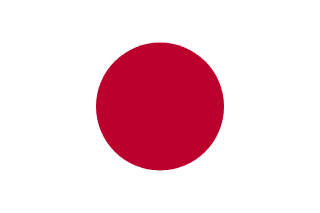
Welcome to Japan
Japan is an island country in East Asia, extending across the Pacific Ocean.
Its capital, Tokyo, is one of the world's great centres of technology, commerce, education and culture.
Other important cities include Kyoto, Osaka, Hiroshima, Nagasaki, Sapporo, Sendai, Nagoya, Kobe and Fukuoka.
Japan is known for its cultural traditions, technological achievements, natural beauty, literature, music, architecture and distinctive cuisine.
But no nation can be understood only through its achievements or historic landmarks.
Japan is the story of parents raising children, teachers sharing knowledge, workers supporting families, nurses caring for patients and grandparents preserving memories.
It is also the story of people experiencing poverty, homelessness, loneliness, illness, discrimination and grief.
"To understand Japan, we must discover the humanity behind its flag."
🏡 A Day in the Life of Japan
Imagine an ordinary morning somewhere in Japan.
In Tokyo, commuters board trains on their way to work.
In Kyoto, a shopkeeper opens a small business near a historic street.
In Osaka, a parent prepares breakfast before taking children to school.
In Hokkaido, a farmer begins work in the fields.
In a coastal village, a fisher prepares a boat.
In Hiroshima, a teacher welcomes students into a classroom.
In Okinawa, a grandmother shares stories of family history.
A nurse begins a hospital shift. A student dreams of the future. A senior prepares to visit a community centre.
Some households enjoy secure employment, comfortable homes and strong community connections.
Others struggle with living expenses, loneliness, insecure work or the responsibility of caring for elderly relatives.
📜 Japan's History and Cultural Heritage
Japan has a long history of settlement, cultural development and regional traditions.
Early Japan
Ancient communities developed farming, fishing, pottery and trading practices.
The Jomon and Yayoi periods contributed to Japan's early cultural and social history.
Imperial Traditions
Japan's imperial institution developed over centuries and remains an important historical and symbolic part of national life.
Kyoto and Classical Culture
Kyoto served as Japan's capital for more than a thousand years and became an important centre of literature, religion, architecture and the arts.
The Samurai Era
For centuries, military governments and regional lords influenced Japan's political structure.
Samurai traditions became associated with military service, discipline and codes of conduct, although historical realities were complex.
The Meiji Restoration
In 1868, political changes restored governing authority to the emperor and began rapid modernization.
Industrialization, military expansion and changes to education transformed Japanese society.
Japan's modernization also contributed to imperial expansion in neighbouring countries.
"A nation's history must include not only the powerful, but the ordinary people whose lives were changed by every generation."
🕯️ Japan and the Second World War
Japan's twentieth-century history includes militarism, imperial expansion and devastating war.
Expansion in Asia
Japanese forces occupied or attacked territories in China, Korea and other parts of Asia during the early twentieth century.
Military campaigns and colonial policies caused extensive suffering among occupied populations.
Wartime Atrocities
Japanese military personnel and authorities committed serious abuses, including massacres, forced labour and sexual slavery.
The Nanjing Massacre and the coercion of women and girls into military sexual exploitation systems remain important subjects of historical remembrance and accountability.
The Pacific War
In December 1941, Japanese forces attacked Pearl Harbor, bringing the United States into the Pacific War.
Fighting expanded across Asia and the Pacific, causing enormous loss of life among military personnel and civilians.
Japanese Civilian Suffering
Japanese communities experienced aerial bombing, shortages, displacement and fear.
Many soldiers and civilians died, and families endured profound grief.
Remembering Every Victim
Historical truth requires recognizing both the suffering of Japanese civilians and the people harmed by Japan's wartime aggression.
Compassion for one group does not diminish the dignity of another.
"The suffering of innocent people must be remembered wherever it occurred and whoever caused it."
🕊️ Hiroshima - August 6, 1945
On August 6, 1945, the United States dropped an atomic bomb on Hiroshima.
The explosion destroyed much of the city and caused immediate and long-lasting human suffering.
The Human Cost
Hiroshima estimates that approximately 140,000 people died by the end of 1945 as a result of the bombing.
The dead included children, parents, workers, soldiers and people from other countries, including Koreans living or working in Hiroshima.
Those Who Survived
Survivors experienced burns, injuries, radiation-related illness, grief and trauma.
Some faced discrimination because of fears or misconceptions about radiation exposure.
Hibakusha
The term hibakusha refers to people affected by the atomic bombings.
Many survivors have shared their experiences to educate future generations about nuclear weapons and the consequences of war.
The Peace Memorial
Hiroshima Peace Memorial Park and the Atomic Bomb Dome serve as important places of remembrance.
The city's message emphasizes the need to prevent future nuclear suffering.
"May the memories of Hiroshima inspire the protection of every child from the destruction of nuclear war."
🕊️ Nagasaki - August 9, 1945
Three days after Hiroshima, the United States dropped a second atomic bomb on Nagasaki.
The explosion caused catastrophic destruction and killed tens of thousands of people.
Families and Communities
Homes, workplaces, churches, schools and neighbourhoods were destroyed or damaged.
Children were separated from parents, families lost loved ones and survivors experienced severe injuries.
Long-Term Consequences
Radiation exposure, physical injuries and psychological trauma affected survivors for years.
Nagasaki's Peace Message
Nagasaki Peace Park and the Atomic Bomb Museum preserve the experiences of victims and survivors.
Peace education remains an important part of the city's remembrance.
On August 15, 1945, Japan announced its acceptance of surrender, formally signed on September 2.
"The stories of survivors remind us why peace must be protected before destruction begins."
🌏 Rebuilding Japan and the Commitment to Peace
Following the Second World War, Japan faced destroyed cities, damaged infrastructure, shortages and widespread grief.
Reconstruction
Families, workers, teachers and communities helped rebuild homes, schools, industries and public services.
Economic growth during the following decades transformed Japan into a major industrial and technological economy.
The Postwar Constitution
Japan's Constitution came into effect on May 3, 1947.
Article 9 renounces war as a sovereign right and the threat or use of force as a means of settling international disputes.
Self-Defense
Japan maintains Self-Defense Forces, which its government interprets as permitted under the Constitution for national defence.
The scope of defence responsibilities and international security cooperation remains part of public debate.
The Meaning of Peace
Peace is not simply a statement in a constitution.
It requires diplomacy, human rights, respect for neighbours and careful attention to the consequences of military decisions.
It also requires remembering Japan's wartime actions in Asia alongside the suffering of Japanese civilians.
"The memory of war can become a reason to protect peace rather than repeat suffering."
🏛️ Democracy, Government and Civic Life
Japan is a constitutional monarchy with a parliamentary system of government.
The emperor serves as the symbol of the state and the unity of the people under the Constitution.
Political authority is exercised through democratic institutions.
Japan's national legislature, the National Diet, includes the House of Representatives and House of Councillors.
Citizens participate through elections, public discussion, civic organizations and peaceful demonstrations.
Political debates include economic policy, national security, taxation, family support, immigration, healthcare and social services.
Japanese people hold many different views, and no government represents every individual's opinions.
Respect for democratic institutions, freedom of expression and public accountability remains essential.
"Democracy is strengthened when each person has the opportunity to participate and live with dignity."
🌍 Japan's Communities and Cultural Diversity
Japan is home to diverse regional communities and cultural traditions.
The Ainu
The Ainu are an Indigenous people with longstanding historical connections to Hokkaido and surrounding regions.
Ainu communities have experienced discrimination and assimilation policies, and continue working to preserve language, culture and rights.
Okinawa and the Ryukyu Islands
Okinawa has distinctive histories, languages, music and cultural traditions.
Okinawan civilians suffered devastating losses during the Battle of Okinawa in 1945.
Korean and Other Communities
Japan includes longstanding Korean communities and residents with Chinese, Filipino, Brazilian, Vietnamese and other backgrounds.
Some people face discrimination or barriers to equal opportunity.
Belonging
Recognizing Japan's diversity means ensuring that every individual can live with respect regardless of ancestry, language, disability or cultural background.
❤️ Family, Friendship and Community
Family relationships and community connections play important roles in Japan.
Households include couples, parents with children, multigenerational families, single parents and people living alone.
Families may gather during New Year celebrations, seasonal festivals and visits to ancestral homes.
Grandparents share stories and traditions with younger generations.
Some people have strong social networks and stable family support.
Others experience isolation, long work hours, financial pressure or difficulty balancing employment and caregiving.
The country's ageing population creates increasing needs for elder care and accessible services.
Relationships, friendship and kindness are important sources of emotional well-being.
"A caring community is one where people of every generation know they have not been forgotten."
🎎 Japanese Culture and Traditions
🍵 Tea Ceremony
Japanese tea traditions emphasize hospitality, attention, ritual and appreciation of the present moment.
🎶 Music and Performance
Taiko drumming, traditional instruments, noh, kabuki and contemporary music contribute to Japanese cultural life.
🍣 Food
Sushi, ramen, soba, udon, rice dishes, miso soup and countless regional foods reflect Japan's culinary diversity.
🌸 Cherry Blossoms
Hanami, the appreciation of cherry blossoms, offers opportunities for gathering and reflection on the beauty and passing nature of life.
🎨 Arts and Literature
Calligraphy, ceramics, woodblock printing, poetry, manga, animation and literature express traditional and modern creativity.
🥋 Sports
Sumo, judo, baseball, football, martial arts and other sports bring people together.
🎓 Children, Education and Opportunity
Children throughout Japan attend schools, form friendships and develop their abilities.
Japan has extensive public education, universities and vocational training opportunities.
Students study languages, mathematics, science, history, arts and other subjects.
Many participate in sports clubs, music and community activities.
However, some children experience poverty, bullying, school-related stress, disability-related barriers or family difficulties.
Children who become socially withdrawn or struggle with school attendance need understanding and appropriate support.
Young people may face pressure concerning academic performance and future employment.
Every child deserves encouragement, safety, nutritious food, friendship and a sense of belonging.
"Every child matters more than a test score, family income or society's expectations."
🕊️ Faith, Spirituality and Beliefs
Japan has longstanding spiritual and philosophical traditions.
Shinto practices are associated with shrines, seasonal festivals and relationships with nature and community.
Buddhism has influenced Japanese art, philosophy, rituals and cultural life for centuries.
Christian, Muslim and other religious communities are also present.
Many Japanese people participate in cultural or spiritual traditions without identifying exclusively with one organized religion.
Some identify as non-religious.
Quiet reflection, family remembrance and respect for nature can have deep personal meaning.
Freedom of religion and conscience is part of respecting human dignity.
"Peace within ourselves may begin when we treat both our own lives and the lives of others with care."
🌿 Mountains, Forests, Oceans and Natural Beauty
Japan contains striking landscapes, from northern snowfields to southern subtropical islands.
Mount Fuji
Mount Fuji is an internationally recognized mountain and a symbol in Japanese art and cultural traditions.
Forests and Mountains
Much of Japan is mountainous and forested, supporting diverse wildlife and outdoor recreation.
Hokkaido
Hokkaido is known for expansive landscapes, winter conditions, national parks and distinctive ecosystems.
Kyoto's Gardens
Historic gardens and temple grounds reflect longstanding traditions of landscape design and reflection.
Okinawa's Islands
The Ryukyu Islands include coral reefs, coastal habitats and subtropical biodiversity.
Environmental Challenges
Climate change, extreme heat, heavy rainfall, coastal hazards, pollution and ecosystem pressures affect communities.
"Nature invites us to remember that beauty is something to appreciate, protect and share."
🕯️ Earthquakes, Tsunamis and the Courage to Rebuild
Japan lies in a region with significant seismic and volcanic activity.
Its communities have experienced destructive earthquakes, tsunamis, typhoons, floods and landslides.
The 2011 Great East Japan Earthquake
On March 11, 2011, a powerful earthquake triggered an enormous tsunami along Japan's northeastern coast.
Thousands of people died, and entire communities were devastated.
The disaster also caused a serious nuclear accident at the Fukushima Daiichi power plant.
Displacement and Recovery
Many people lost homes, relatives, businesses and familiar communities.
Recovery involved rebuilding infrastructure, restoring services and providing long-term support.
Other Earthquakes
The 1995 Great Hanshin earthquake and the 2024 Noto Peninsula earthquake also brought major destruction and suffering.
Community Response
Emergency workers, volunteers, medical teams and neighbours have assisted affected communities.
Disaster preparedness, warning systems and resilient construction help reduce risks.
"When disaster changes someone's world, compassion can help them find the strength to begin again."
🛠️ Work, Healthcare and Everyday Needs
Japanese people work in manufacturing, technology, healthcare, education, transportation, agriculture, fisheries, tourism and many other fields.
Japan has an extensive health insurance system and developed public infrastructure.
Its industries and businesses have contributed to advances in electronics, transport, engineering and medicine.
However, prosperity is not experienced equally.
Some workers face insecure employment, low wages, demanding schedules or limited opportunities.
Older adults may require additional healthcare and caregiving support.
People living in rural communities may encounter reduced services as populations decline.
Every person deserves meaningful employment, access to healthcare, safe housing and time for family and personal well-being.
🌧️ Challenges Facing Japan
Japan has substantial economic resources and public services, but some people continue to experience hardship.
Poverty and Financial Security
Japan's Ministry of Health reported a relative poverty rate of 15.4% for 2021, measured using income below half the median equivalized disposable income. This is not a current 2026 estimate.
Loneliness and Isolation
Some older adults, young people and people living alone experience social isolation and difficulty accessing support.
Housing and Homelessness
Some individuals experience homelessness, housing insecurity or difficulty paying for suitable accommodation.
Mental Health
Depression, anxiety, grief, work-related stress and social withdrawal affect people of different ages.
Ageing and Caregiving
Japan's ageing population creates challenges involving pensions, healthcare, long-term care and social connections.
Disaster Vulnerability
Earthquakes, tsunamis, floods and extreme weather can threaten homes, health and livelihoods.
🎖️ Honouring Japanese Soldiers, Veterans and Civilians
Japan's military history includes the samurai era, imperial expansion, the world wars and the development of postwar Self-Defense Forces.
The Second World War
Japanese military personnel fought across Asia and the Pacific.
Many died or returned with injuries and lasting trauma.
Some were conscripted or otherwise faced limited choices about military service.
Historical Accountability
Japanese wartime military actions also caused extensive suffering among civilians and prisoners of war in occupied countries.
Honest remembrance must acknowledge atrocities and abuses without assigning collective guilt to present-day Japanese people.
Hiroshima and Nagasaki
The atomic bombings killed large numbers of civilians and military personnel, leaving survivors with lifelong injuries and grief.
The Battle of Okinawa
In 1945, intense fighting in Okinawa killed large numbers of Japanese soldiers, Allied military personnel and Okinawan civilians.
The experiences of local civilians remain an essential part of remembrance.
The Self-Defense Forces
Japan's modern Self-Defense Forces participate in national defence, disaster response and certain international peace cooperation activities.
Personnel may face dangers, family separation and stressful deployments.
Remembering All Victims
Honouring the humanity of military personnel must coexist with remembrance of the innocent people harmed by war and military aggression.
Those affected by conflict deserve dignity, truth and appropriate care.
"The greatest act of remembrance is to protect the next generation from the suffering endured by those before them."
🤝 Japanese Communities Helping One Another
Throughout Japan, volunteers, charities, local associations and public services support people experiencing hardship.
Some provide food, counselling, housing assistance and support for older adults.
Others assist people with disabilities, families, children and individuals experiencing homelessness.
Community organizations work to reduce loneliness and help people develop meaningful social connections.
Volunteers and emergency responders help communities after earthquakes, floods and other disasters.
Teachers, healthcare workers, neighbours and friends perform countless quiet acts of kindness.
"Sometimes the smallest act of care can remind someone that they are not alone."
🌅 Japan's Dreams for Tomorrow
Imagine a Japan where every child grows up in a safe and loving home.
Where no person is forgotten because of age, illness, disability or poverty.
Where families can afford nutritious food, secure housing and healthcare.
Where young adults have meaningful work and time for the people they love.
Where older adults receive companionship, dignity and appropriate care.
Where those experiencing homelessness can find stable housing and practical support.
Where mental health challenges are met with compassion rather than stigma.
Where Indigenous peoples and minority communities are treated with respect.
Where disaster survivors receive the assistance needed to rebuild their lives.
Where the experiences of Hiroshima, Nagasaki and Okinawa are remembered alongside the suffering of people throughout Asia.
Where every soldier, veteran, civilian survivor and bereaved family receives dignity and recognition.
Where diplomatic cooperation helps prevent future conflicts.
And where every person has the opportunity to experience freedom, security, belonging and peace.
"A nation's greatest achievement is a future where every human life has the opportunity to flourish."
🌎 Your Journey of Understanding
You have explored Japan's ancient traditions, wartime history, peace commitments, everyday life and hopes for the future.
Now consider three reflections connecting the mind, heart and spirit. Click each question to reveal its reflection.
🧠 MENTALLY - What have you learned?
Before this journey, what came to mind when you thought of Japan?
Mount Fuji? Cherry blossoms? Technology? Sushi? Ancient temples?
Did you also think of Hiroshima, Nagasaki, Okinawa, wartime atrocities in Asia, the Ainu people and the struggles of older adults living alone?
Why is it important to acknowledge both Japan's achievements and its difficult historical chapters?
What does Article 9 teach us about the relationship between war, national security and the aspiration for peace?
How might your understanding change when you consider individual human experiences rather than national stereotypes?
❤️ EMOTIONALLY - What touched your heart?
Imagine a child in Hiroshima whose family was lost in the atomic bombing.
An Okinawan family remembering relatives killed during the Second World War.
A survivor in another Asian country remembering abuses by Japanese wartime forces.
An older adult living alone and hoping for companionship.
A young person experiencing overwhelming school or employment pressure.
A family rebuilding after a devastating earthquake.
A Self-Defense Forces member helping people after a natural disaster.
Which experience touches your heart most deeply?
How might compassion lead us toward meaningful action?
🕊️ SPIRITUALLY - What connects us?
Japan's history includes extraordinary cultural achievements, military aggression, devastating suffering and rebuilding.
What can these experiences teach us about the preciousness of human life?
Can we honour soldiers and veterans while also recognizing victims of wartime atrocities?
How can remembrance become a force for peace rather than a source of inherited hatred?
What might the survivors of Hiroshima and Nagasaki teach humanity about nuclear weapons?
Can compassion, truth and accountability help people from different nations move toward understanding?
What does inner peace mean when others are experiencing fear, grief or loneliness?
What small act of kindness could you offer today to help someone feel that they matter?
The Japan Behind the Flag
Somewhere in Japan, a mother prepares breakfast for her children.
A teacher welcomes students into a classroom.
A farmer tends rice fields beneath the morning sun.
A fisher guides a boat across the sea.
A grandparent remembers stories of wartime hardship.
A nurse comforts a patient.
A volunteer helps someone affected by an earthquake.
A Hiroshima survivor shares a message of peace.
A person living alone receives an unexpected visit from a caring neighbour.
A family honours a relative lost during the Second World War.
And somewhere, a young person dreams of a world where no child will ever experience the destruction of war.
"Cherry blossoms reminding us of life's beauty.
Mountains standing through generations.
Memories of war inspiring a hope for peace.
Countless human stories.
One shared humanity."
That is the Japan behind the flag.
Return to Beginning Explore Another NationSources and Further Reading
Learn more about Japan's heritage, wartime remembrance, government, social conditions and natural environment.
City of Hiroshima - Human Cost of the Atomic Bombing
Hiroshima Peace Memorial Museum
Japan Ministry of Defense - Article 9 and Self-Defense
Constitution of Japan - Prime Minister's Office
Ministry of Health - Poverty and Living Conditions
This page provides a broad human-centred introduction and does not represent every Japanese person's experiences, beliefs or political views.