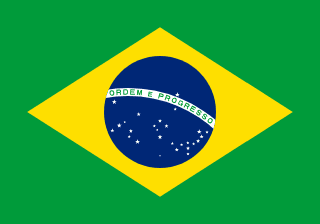
Welcome to Brazil
Brazil is the largest country in South America, stretching from the Amazon rainforest to major cities, coastal communities, mountains, grasslands and farmland.
Its people have diverse Indigenous, African, European, Asian and other ancestries.
Portuguese is the country's official language, alongside many Indigenous and community languages.
Brazil is internationally known for Carnival, football, music, biodiversity and extraordinary landscapes.
But to truly understand Brazil, we must look beyond these famous images.
We must meet its people: parents raising children, teachers guiding students, farmers growing food, workers supporting families, and seniors passing on their memories.
We must also recognize people facing poverty, discrimination, violence, illness and uncertainty.
"To discover Brazil is to discover the humanity behind its flag."
🏡 A Day in the Life of Brazil
Imagine an ordinary morning somewhere in Brazil.
In São Paulo, commuters travel to offices, shops and factories.
In Rio de Janeiro, a parent prepares breakfast while children get ready for school.
In the countryside, a farmer tends crops.
In Salvador, a street vendor opens a small business.
In a community along the Amazon River, a family prepares for another day of life connected to the river.
In Brasília, a nurse begins a hospital shift.
For some families, daily life includes comfortable homes, stable employment and opportunities.
For others, the day begins with concerns about food, transportation, housing or personal safety.
📜 Brazil's History and Identity
Long before the arrival of Europeans, the lands of present-day Brazil were home to many Indigenous peoples with distinct societies, languages and traditions.
Portuguese colonization began in the sixteenth century.
Enslaved Africans were forcibly brought to Brazil over several centuries. Their descendants have made profound contributions to Brazilian society, culture, music, religion and national identity.
Brazil declared independence from Portugal in 1822.
Slavery was abolished in 1888, leaving long-lasting social and economic inequalities.
Brazil became a republic in 1889 and experienced periods of democracy and authoritarian rule during its modern history.
Today, the country continues to confront its past while building its future.
🪶 Brazil's Indigenous Peoples
Brazil is home to hundreds of distinct Indigenous peoples.
According to Brazil's 2022 national census, approximately 1.69 million people identified as Indigenous.
The census recorded 391 Indigenous peoples or ethnic groups and 295 Indigenous languages.
Indigenous communities include Tikúna, Kokama, Makuxi, Guarani Kaiowá, Yanomami and many others.
Their histories and ways of life are not all the same.
Some communities live in cities, others in rural areas, forests and recognized Indigenous territories.
Protecting Languages and Lands
Indigenous knowledge contributes to environmental protection, medicine, agriculture and cultural heritage.
Many communities face challenges involving land rights, illegal resource extraction, discrimination and access to public services.
Respecting Indigenous rights, cultural traditions, self-determination and languages is essential to Brazil's future.
❤️ Family and Community
Family and friendship are important parts of life for many Brazilians.
Grandparents, parents, children and extended relatives may gather for meals, birthdays and celebrations.
Family structures vary, with single-parent households, couples, extended families and people living independently.
Community life can include schools, sports clubs, religious organizations, neighbourhood gatherings and volunteer programs.
Some communities organize food donations, educational support and assistance for vulnerable families.
Many people maintain connections through music, shared meals, celebrations and everyday acts of kindness.
"The strength of a family is measured not by wealth, but by love, belonging and care."
🎵 Brazilian Culture and Traditions
Brazilian culture reflects centuries of Indigenous, African, European and other influences.
🥁 Samba
Samba is one of Brazil's most recognized musical traditions, closely associated with Afro-Brazilian cultural history.
🎉 Carnival
Carnival celebrations vary throughout Brazil. They include music, dance, community participation and regional artistic traditions.
⚽ Football
Football has a special place in Brazilian sporting culture, from neighbourhood matches to major international competitions.
🍽️ Food
Feijoada, pão de queijo, acarajé, moqueca and numerous regional dishes reflect Brazil's diverse culinary heritage.
🎶 Music
Bossa nova, forró, choro, sertanejo, funk brasileiro, MPB and many other styles contribute to Brazilian music.
🥋 Capoeira
Capoeira developed through Afro-Brazilian history and combines movement, music, cultural expression and martial arts.
🎓 Children and Education
Across Brazil, children attend school, form friendships, play sports and imagine their futures.
Some have access to well-equipped schools, arts programs and educational technology.
Others experience barriers involving poverty, transportation, school resources or geographic distance.
Young people in remote communities may face different educational challenges from those in large cities.
Many Brazilian educators, families and community organizations work to increase opportunities for children.
Every child deserves safety, encouragement and an opportunity to develop their individual talents.
"Every child has a dream that deserves a chance to grow."
🕊️ Faith, Spirituality and Values
Brazil has a rich religious and spiritual landscape.
Roman Catholicism has played a major role in Brazilian history and culture.
Protestant and Evangelical Christian communities are also significant.
Afro-Brazilian religions such as Candomblé and Umbanda maintain distinctive traditions.
Indigenous spiritual traditions, Spiritism, Judaism, Islam and other religions are also practised.
Many Brazilians identify as non-religious.
Freedom of belief, dignity and mutual respect are important for a society of many traditions.
"Different paths can still lead us toward compassion and understanding."
🛠️ Work, Housing and Everyday Needs
Brazilians work in agriculture, healthcare, education, manufacturing, construction, tourism, technology, retail and many other fields.
Brazil has major agricultural and industrial sectors and a large service economy.
Some households experience stable employment and comfortable living conditions.
Others depend on informal employment or face uncertainty about wages and essential expenses.
Brazil's publicly funded Unified Health System, known as SUS, provides health services, although access and quality can vary between locations.
Affordable housing, reliable income, education and healthcare remain important concerns.
🌧️ Challenges Facing Brazilians
Despite its achievements, Brazil faces serious social and environmental challenges.
Poverty
Economic inequality affects access to nutritious food, secure housing, education and essential services.
Homelessness
People may experience homelessness because of economic hardship, housing costs, family crises and other circumstances.
Public Safety
Crime and violence affect some communities, creating fear, trauma and difficulties for families and businesses.
Mental Health
Anxiety, depression, grief, trauma and substance-use problems affect people from different backgrounds.
Discrimination
Racial inequalities, gender discrimination and barriers faced by Indigenous peoples remain important social challenges.
Environment
Deforestation, wildfires, flooding, drought and other environmental pressures affect communities and ecosystems.
🌳 The Amazon and Our Shared Responsibility
Brazil contains a large portion of the Amazon rainforest, one of the most important ecosystems on Earth.
The rainforest is home to extraordinary plant and animal life and many Indigenous and traditional communities.
It also influences regional rainfall, water systems and the global climate.
Deforestation, illegal mining, land conflicts and climate change place pressure on parts of the region.
Many Indigenous peoples, scientists, environmental organizations and local communities work to protect forests and livelihoods.
Environmental protection must also consider the rights and needs of the people living in the region.
"The Earth is our shared home, and its future belongs to every generation."
🏛️ Democracy, Rights and Responsibility
Brazil is a federal presidential republic with an elected president, National Congress, courts, states and municipal governments.
Its modern democratic constitution was adopted in 1988, following a period of military rule.
Brazilians participate in elections, public debates, peaceful protests and civic organizations.
People hold differing political beliefs and disagree over economic, social and environmental policies.
The country's institutions also face challenges involving corruption, public accountability, inequality and political polarization.
Freedom of expression, the rule of law, fair elections and the protection of human rights are important democratic principles.
No political leader or party speaks for every Brazilian.
"A healthy society makes room for different voices while respecting the dignity of all."
🎖️ Honouring Those Who Serve Brazil
Brazilian military personnel have served in national defense, international peacekeeping and other operations.
Brazil's participation in the Second World War included the Brazilian Expeditionary Force, whose members served in Italy.
Military personnel, firefighters, emergency responders, healthcare workers and volunteers also provide assistance during disasters and emergencies.
Service can involve danger, separation, injury and personal sacrifice.
Families may carry the emotional consequences of these experiences.
Honouring those who serve also means respecting human rights, remembering civilians and supporting people who return with physical or emotional injuries.
"May remembrance inspire us to protect lives, serve our communities and build peace."
🌅 Brazil's Dreams for Tomorrow
Imagine a Brazil where every child can attend school safely and receive a quality education.
Where families can afford secure housing and nutritious food.
Where Indigenous peoples can preserve their lands, languages and traditions.
Where older adults receive dignity, companionship and care.
Where people experiencing homelessness can access safe shelter, housing and meaningful support.
Where communities can live without fear of violence.
Where forests and natural resources are protected for future generations.
Where people of different backgrounds can participate in shaping a peaceful and prosperous future.
"A nation's greatest treasure is not its wealth or its natural beauty, but the lives of its people."
🌎 Your Journey of Understanding
You have explored some of Brazil's history, culture, everyday life and challenges.
Now consider three questions that connect the mind, heart and spirit.
Click each question to reveal its reflection.
🧠 MENTALLY - What have you learned?
Before this journey, what came to mind when you thought about Brazil?
Carnival? Football? Beautiful beaches? The Amazon rainforest?
Did you also consider the country's Indigenous communities, workers, children and families?
How has learning about the diversity of Brazilian life changed your understanding?
What assumptions might you reconsider?
❤️ EMOTIONALLY - What touched your heart?
Imagine a mother working long hours to feed her children.
A young student trying to continue an education despite financial difficulties.
An Indigenous family concerned about the future of its ancestral land.
An older adult experiencing loneliness.
A volunteer helping someone who has lost a home during flooding.
How would hearing these individual stories affect your feelings?
What could compassion look like in action?
🕊️ SPIRITUALLY - What connects us?
Across Brazil's many religions, cultures and communities, what human needs are shared?
Do we not all seek some measure of safety, love, belonging, dignity and purpose?
How might protecting both the environment and human rights reflect our responsibility toward future generations?
What small act of kindness could you offer today to someone whose life differs from your own?
The Brazil Behind the Flag
Somewhere in Brazil, a mother is preparing breakfast for her family.
A farmer is tending the land.
A musician is sharing a familiar song.
A child is dreaming of becoming a doctor, teacher or athlete.
A community volunteer is helping someone in need.
An Indigenous elder is sharing language and traditions with a younger generation.
And somewhere, an ordinary person is hoping for a more peaceful and secure tomorrow.
"Many cultures.
Many traditions.
Countless human stories.
One shared humanity."
That is the Brazil behind the flag.
Return to Beginning Explore Another NationSources and Further Reading
For additional information about Brazil's people, history, environment and development:
UNESCO — Intangible Cultural Heritage
This page provides a broad introduction and does not claim to represent every Brazilian person's experience or beliefs.