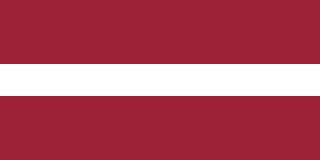
Welcome to Latvia
Latvia, officially the Republic of Latvia, is a country in northeastern Europe on the eastern coast of the Baltic Sea.
It borders Estonia, Lithuania, Russia and Belarus.
Its capital, Riga, is known for its beautiful historic architecture, cultural traditions and location beside the Daugava River.
Other important cities include Daugavpils, Liepāja, Jelgava, Jūrmala, Ventspils and Rēzekne.
Latvia is celebrated for its forests, sandy beaches, traditional music, national song festivals and extraordinary history of restoring independence.
But Latvia is much more than beautiful landscapes and historical events.
It is parents raising children, teachers encouraging students, farmers growing food, nurses caring for patients and grandparents preserving memories.
It is also individuals experiencing poverty, loneliness, illness, discrimination or the emotional consequences of historical trauma.
"To understand Latvia, we must discover the humanity behind its flag."
🏡 A Day in the Life of Latvia
Imagine an ordinary morning somewhere in Latvia.
In Riga, a commuter travels to work through the busy streets of the capital.
In Liepāja, a fisher prepares for another day along the Baltic Sea.
In Daugavpils, a teacher welcomes children into a classroom.
In Jelgava, a university student prepares for lectures.
In a rural village, a farmer tends fields or livestock.
In Jūrmala, a family walks along the sandy coastline.
In Latgale, a grandparent shares stories about earlier generations.
A nurse begins a hospital shift. A parent prepares breakfast. A young adult searches for meaningful employment.
Some families enjoy secure homes, steady incomes and supportive communities.
Others experience financial insecurity, loneliness, unemployment or difficulty accessing healthcare.
📜 Latvia's History and Cultural Identity
The territory of modern Latvia has been inhabited for thousands of years.
Communities developed agricultural, trading, fishing and cultural traditions connected to forests, rivers and the Baltic Sea.
Early Communities
The historical roots of Latvia include Baltic peoples such as Latgalians, Curonians, Semigallians and Selonians, as well as the Finnic Livonians.
Medieval History
During the thirteenth century, crusades and foreign conquests brought much of the territory under German-dominated political and religious institutions.
Riga developed as an important trading city in the Hanseatic network.
Changing Rulers
Different parts of present-day Latvia came under Polish-Lithuanian, Swedish and Russian rule over subsequent centuries.
These changes shaped languages, education, religion, land ownership and everyday life.
The National Awakening
During the nineteenth century, Latvian writers, teachers, musicians and community leaders promoted the Latvian language and cultural identity.
Song festivals became important expressions of shared cultural heritage.
Independence in 1918
Latvia proclaimed independence on November 18, 1918.
After its War of Independence, Latvia signed a peace treaty with Soviet Russia in August 1920.
The country developed institutions, schools and cultural organizations during its first period of independence.
"A nation's identity lives through the languages, stories and traditions passed from one generation to another."
🕯️ Latvia During the Second World War
The Second World War brought occupation, political repression, mass killings and family separation to Latvia.
The Soviet Occupation of 1940
Following the 1939 Molotov-Ribbentrop Pact between Nazi Germany and the Soviet Union, Soviet forces occupied Latvia in June 1940.
Latvia was forcibly incorporated into the Soviet Union.
Political institutions were dismantled and many people experienced arrest, imprisonment and persecution.
Nazi German Occupation
In 1941, Nazi Germany occupied Latvia during its invasion of the Soviet Union.
The occupation brought persecution, forced labour and mass murder.
The Holocaust in Latvia
Most of Latvia's Jewish population was murdered during the Holocaust.
The Rumbula massacres near Riga in late 1941 were among the most devastating atrocities.
Nazi killing units and collaborators participated in the persecution and murder of Jewish people and other victims.
Roma people and many others also suffered under Nazi persecution.
Renewed Soviet Rule
In 1944 and 1945, Soviet forces regained control over most of Latvia.
Thousands of Latvians fled westward, while others experienced renewed repression.
Remembering Everyone
Latvian people served in different armed formations during the war, often under coercion or extremely difficult circumstances.
Some individuals also participated in wartime crimes.
Truthful remembrance requires distinguishing individual experiences from the actions of oppressive regimes.
"Every innocent life lost through persecution is a human story that deserves to be remembered."
🕯️ Deportations and the Wounds of Separation
One of Latvia's deepest historical wounds was the forced deportation of people by Soviet authorities.
June 1941
In June 1941, Soviet authorities deported approximately 15,000 people from Latvia.
Families were separated, and many were transported to remote regions of the Soviet Union.
March 1949
In March 1949, more than 42,000 people were deported from Latvia.
Many were farmers, women, children and older adults.
The deportations were connected to Soviet repression and the forced collectivization of agriculture.
Lives Interrupted
Imagine a child being taken from a familiar home.
A mother not knowing when she would see her family again.
A grandparent forced to leave behind a lifetime of memories.
Many deportees endured extreme hardship, and some never returned.
Remembering Those Who Suffered
Latvia commemorates victims of Soviet deportation and political repression.
Families and museums preserve testimony so that future generations can understand these events.
"When we remember people who were forced from their homes, we affirm the dignity of all who seek safety and freedom today."
🤝 The Baltic Way - When People Joined Hands for Freedom
One of the most inspiring events in Latvia's modern history took place on August 23, 1989.
A Human Chain
Approximately two million people joined hands in a human chain stretching about 600 kilometres through Estonia, Latvia and Lithuania.
The peaceful demonstration became known as the Baltic Way.
A Shared Message
Participants called attention to the historical consequences of the 1939 Nazi-Soviet Pact and expressed their desire for national freedom.
Families, students, workers, older adults and community members stood together.
The Power of Peaceful Action
People demonstrated that unity could become a powerful expression of hope.
The Baltic Way was part of a wider movement involving cultural preservation, civic organizing and demands for democratic change.
A Lesson for Humanity
Those standing in the chain were not all identical.
They had different families, experiences, backgrounds and hopes.
Yet they shared a moment of peaceful solidarity.
"Sometimes the most powerful symbol of freedom is simply one human hand holding another."
🕊️ The Restoration of Latvia's Independence
On May 4, 1990, Latvia's Supreme Council adopted a declaration restoring the independence of the Republic of Latvia, with a transition period.
The Barricades of January 1991
During January 1991, thousands of people gathered around important buildings and public institutions to defend the independence movement.
These events became known as the Barricades.
People faced danger, and several individuals lost their lives during the crisis.
August 21, 1991
Latvia restored full independence in practice during the failed Soviet coup attempt.
Building a New Future
Latvia worked to rebuild democratic institutions, strengthen its economy and develop international relationships.
It joined NATO and the European Union in 2004.
In 2014, Latvia adopted the euro.
The Responsibility of Freedom
Independence is not simply a historical achievement.
Its continuing meaning depends on protecting human rights, democratic institutions and the well-being of ordinary people.
"Freedom is strongest when it creates opportunity, security and dignity for everyone."
🏛️ Democracy, Government and Civic Life
Latvia is a parliamentary republic.
Its national legislature, the Saeima, has 100 members.
The president serves as head of state, while the government is led by a prime minister.
Citizens participate in elections, community organizations, public discussions and peaceful demonstrations.
Public Priorities
Political debates include healthcare, economic development, defence, education, housing, social assistance and the environment.
Security and Cooperation
Latvia's international relationships include membership in the European Union, NATO and other organizations.
Russia's full-scale invasion of Ukraine in 2022 has increased security concerns throughout the Baltic region.
Different Voices
Latvian society includes people with differing languages, backgrounds and political beliefs.
No political party or government represents every individual's views.
Protecting freedom of expression, civic participation and equal dignity remains essential.
"Democracy is strengthened when people can disagree peacefully and still recognize one another's humanity."
🌍 Latvia's Languages and Communities
Latvia is home to people from different ethnic, linguistic and cultural backgrounds.
Latvian is the official language and an important part of national identity.
A substantial Russian-speaking population also lives in Latvia.
Other communities include Belarusians, Ukrainians, Poles, Lithuanians, Roma and others.
Latgale
The eastern region of Latgale has distinctive cultural, linguistic and religious traditions.
Livonian Heritage
The Livonians are an Indigenous Finnic people whose language and cultural traditions form an important part of Latvia's heritage.
Belonging and Inclusion
Language policy, citizenship, education and social inclusion remain important public issues.
Different families have different experiences of the Soviet period and Latvia's restoration of independence.
People should never be judged solely by their native language or the actions of a government elsewhere.
❤️ Family, Friendship and Community
Family relationships and community connections are important in Latvian life.
Households include parents and children, couples, single parents, extended families and people living alone.
Many families enjoy spending time outdoors, visiting the countryside and gathering for seasonal celebrations.
Grandparents may share memories of the Soviet occupation and the restoration of independence.
Some relatives live abroad, including in Canada, Britain, Ireland and other countries.
These international connections bring opportunities but can also lead to family separation.
Some people experience loneliness, financial hardship, illness or difficulty caring for older relatives.
Friendship, neighbourhood cooperation and family support can help people overcome difficult times.
"A caring community begins when every person knows they are valued and remembered."
🎵 Latvian Culture and Traditions
🎶 Song and Dance Festivals
Latvia's national song and dance celebrations bring together large choirs, dancers and audiences, preserving important cultural traditions.
🌞 Jāņi
Midsummer celebrations include songs, wreaths, food, bonfires and gatherings with family and friends.
🍲 Food
Rye bread, grey peas, potatoes, fish, soups and seasonal dishes are familiar parts of Latvian cuisine.
🧶 Crafts
Traditional mittens, weaving, ceramics, woodwork and folk costumes preserve skills and regional heritage.
📚 Literature
Latvia has rich traditions of folk songs, poetry, storytelling and contemporary literature.
🏒 Sports
Ice hockey, basketball, athletics, cycling and other sports bring communities together.
🎓 Children, Education and Opportunity
Children across Latvia attend schools, build friendships and develop dreams for their futures.
Latvia has public and private educational institutions, universities and vocational training opportunities.
Students pursue interests in science, music, technology, languages, sports and the arts.
Latvia's traditions of choral singing and dance also provide opportunities for cultural participation.
However, some children experience poverty, disability-related barriers, bullying or family difficulties.
Students in certain rural areas may need to travel farther to access educational services.
Children from different linguistic backgrounds may experience challenges related to language transitions or social inclusion.
Every child deserves safety, nutritious food, friendship, encouragement and a meaningful education.
"The future of a nation becomes brighter when every child is given the opportunity to flourish."
🕊️ Faith, Spirituality and Beliefs
Latvia has a diverse religious history.
Lutheran Christianity has influenced cultural and community life in many regions.
Roman Catholic traditions are especially important in Latgale.
Eastern Orthodox and other Christian communities also have longstanding histories.
Latvian folk traditions reflect historical relationships with seasons, nature and cultural symbolism.
Many residents identify as non-religious or do not regularly participate in organized religion.
People may find meaning through faith, music, family, nature or quiet reflection.
Freedom of conscience and religious belief is important to human dignity.
"We may find meaning in different ways, but kindness can connect every human life."
🌲 Forests, Rivers, Lakes and the Baltic Sea
Latvia is known for its forests, wetlands, rivers, lakes and beautiful coastline.
Gauja National Park
Gauja National Park features forests, sandstone cliffs, rivers and historic communities.
The Baltic Coast
Latvia has extensive sandy beaches, dunes, fishing communities and coastal landscapes.
Ķemeri National Park
Ķemeri is known for its wetlands, bog boardwalks, forests and important bird habitats.
The Daugava River
The Daugava is an important river connected to Latvia's geography, history and cultural traditions.
Wildlife
Latvian forests provide habitat for deer, elk, wolves, lynx, birds and numerous other species.
Environmental Challenges
Climate change, biodiversity loss, pollution, forestry management and coastal erosion affect the environment.
Protecting ecosystems requires balancing environmental needs with community livelihoods.
"Nature reminds us that every generation has a responsibility to protect the world it shares."
🛠️ Work, Healthcare and Everyday Needs
Latvians work in manufacturing, information technology, logistics, education, healthcare, agriculture, forestry, tourism and other sectors.
Riga is an important commercial and transportation centre.
Smaller cities and rural communities have different economic opportunities and challenges.
Latvia has public and private healthcare services, although access and waiting times vary.
Some residents face financial barriers to medical treatment or difficulties reaching specialized services.
Older adults may need increased assistance with healthcare, income and everyday tasks.
Economic insecurity and unequal opportunities can also affect families with children.
Every person deserves safe housing, adequate nutrition, healthcare, meaningful work and a secure future.
🌧️ Challenges Facing Latvia
Latvia has made progress in democratic governance, economic development and international cooperation, but some people continue to experience serious hardship.
Poverty and Social Exclusion
European Union data show that 24.7% of Latvia's population was at risk of poverty or social exclusion in 2025. This indicator includes income poverty, severe material and social deprivation, or very low household work intensity.
Older Adults
Some seniors struggle with limited incomes, loneliness, health challenges or difficulty obtaining home-care assistance.
Housing and Homelessness
Some individuals experience insecure accommodation, housing costs they cannot afford, or homelessness.
Mental Health
Anxiety, depression, grief, trauma and loneliness affect people from every generation and background.
Regional Differences
Employment opportunities, incomes and access to public services can vary between cities and rural communities.
Inclusion and Belonging
Language differences, disability, social stigma and financial hardship may limit full participation in society.
🎖️ Honouring Latvian Soldiers, Veterans and Civilians
Latvia's military history includes its War of Independence, the Second World War, Soviet occupation and modern national defence.
The War of Independence
From 1918 to 1920, Latvian forces fought to secure the newly proclaimed republic.
Military personnel and civilians experienced casualties, hardship and uncertainty.
World War II
Many Latvians were mobilized into Soviet or German forces during the war.
Some resisted occupation, while others served in formations connected to oppressive regimes.
Historical remembrance must recognize individual experiences while acknowledging atrocities and avoiding the glorification of Nazi or Soviet repression.
Deportation Victims
Families forcibly deported by Soviet authorities are an important part of Latvia's national remembrance.
Holocaust Victims
Jewish and other civilian victims of Nazi persecution must also be remembered with dignity and historical honesty.
Modern Service
Latvia maintains National Armed Forces and participates in NATO collective defence.
Latvian service members have also participated in international missions, including operations in Afghanistan and other locations.
Veterans and Families
Veterans may experience physical injuries, emotional trauma, grief or challenges returning to civilian life.
Families deserve support, recognition and appropriate care.
"The greatest tribute to military sacrifice is protecting future generations from the suffering of war."
🤝 Latvians Helping One Another
Throughout Latvia, volunteers, charities, local associations and community organizations assist people experiencing hardship.
Some provide food, clothing, housing assistance, healthcare support and help for vulnerable families.
Others support older adults, people with disabilities and individuals experiencing homelessness.
Community organizations also help refugees and displaced people establish new lives.
Teachers, nurses, emergency workers and neighbours perform countless acts of kindness.
Volunteer efforts and civic cooperation demonstrate the power of people working together.
"Humanity grows stronger whenever we choose to care for someone who needs our help."
🌅 Latvia's Dreams for Tomorrow
Imagine a Latvia where every child grows up in a safe and loving home.
Where families can afford food, housing, healthcare and winter heating.
Where older adults receive companionship, dignity and quality care.
Where people experiencing homelessness have stable homes and practical support.
Where mental health challenges are met with understanding rather than stigma.
Where young adults have meaningful opportunities to learn, work and create.
Where people of different linguistic and cultural backgrounds are treated with equal dignity.
Where the victims of war, persecution and deportation are never forgotten.
Where veterans receive the care and recognition they deserve.
Where forests, rivers, wetlands and Baltic beaches remain protected.
Where democratic institutions and individual rights remain secure.
Where the spirit of the Baltic Way continues to inspire peaceful cooperation.
And where every person can live with freedom, dignity, belonging and hope.
"A nation's greatest achievement is a future where every human life has the opportunity to flourish."
🌎 Your Journey of Understanding
You have explored Latvia's history, cultural traditions, experiences of occupation, peaceful independence movement, remembrance and everyday challenges.
Now consider three reflections connecting your mind, heart and spirit. Click each question to reveal its reflection.
🧠 MENTALLY - What have you learned?
Before this journey, what came to mind when you thought of Latvia?
Forests? Riga? The Baltic Sea? Beautiful historic buildings?
Did you also know about the deportations of 1941 and 1949, the Holocaust in Latvia, the Baltic Way and the restoration of independence?
What does Latvia's history teach us about the importance of self-determination and human rights?
Why must we remember all victims of oppression rather than only those who fit a particular national or political story?
How can peaceful civic action change the future of a country?
❤️ EMOTIONALLY - What touched your heart?
Imagine a Latvian child forced onto a train during the deportations.
A Jewish family facing persecution during the Holocaust.
A grandparent remembering relatives who never returned home.
A mother standing with her family in the Baltic Way, hoping for freedom.
A veteran mourning a friend lost during military service.
A senior living alone and struggling to afford heat.
Which of these stories touches your heart most deeply?
How might compassion change the way we respond to another person's suffering?
🕊️ SPIRITUALLY - What connects us?
Latvia's history includes occupation, loss, resilience and a peaceful movement for independence.
What can the Baltic Way teach us about the power of people joining hands?
How can historical remembrance help prevent hatred from passing to future generations?
Can we honour soldiers while also remembering civilians harmed by war and oppressive regimes?
What does freedom mean when people still experience poverty, loneliness or discrimination?
Can inner peace help us treat people with different languages, backgrounds and beliefs with compassion?
What small act of kindness could you offer today to help someone know that they matter?
The Latvia Behind the Flag
Somewhere in Latvia, a mother prepares breakfast for her children.
A teacher welcomes students into a classroom.
A farmer works beside fields and forests.
A choir gathers to practise songs passed through generations.
A grandparent remembers the day Latvia restored its independence.
A nurse comforts a patient.
A volunteer brings food to someone in need.
A veteran remembers a fallen friend.
A family preserves the memory of loved ones lost through war and deportation.
And somewhere, a young person dreams of a world where people can stand together peacefully and know that their voices matter.
"Forests reaching toward the sky.
Voices singing for freedom.
Hands joined across the Baltic lands.
Countless human stories.
One shared humanity."
That is the Latvia behind the flag.
Return to Beginning Explore Another NationSources and Further Reading
Learn more about Latvia's history, remembrance, culture, social conditions and military service.
President of Latvia - National History and Independence
Latvian Parliament - Constitution
European Commission - Latvia Economic Outlook
European Parliament - European Union Facts
Museum of the Occupation of Latvia
UNESCO - Latvia World Heritage
UNICEF - Europe and Central Asia
This page provides a broad, human-centred introduction and does not represent every Latvian person's experiences, beliefs or political views.