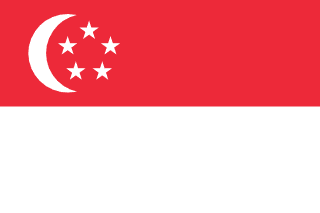
Welcome to Singapore
Singapore, officially the Republic of Singapore, is an island city-state in Southeast Asia.
It lies near the southern tip of the Malay Peninsula, connected to Malaysia by causeways and bridges, and close to Indonesia.
Singapore is both a city and an independent country, with its main island and numerous smaller islands.
Its neighbourhoods include Chinatown, Little India, Kampong Gelam, Toa Payoh, Tampines, Jurong and many others.
Singapore is known for its diverse cultures, major international port, public transport, urban greenery, science, education and technology.
But Singapore is much more than its skyline, economic success or modern architecture.
It is parents raising children, teachers encouraging students, nurses caring for patients, workers maintaining infrastructure and grandparents preserving memories.
It is also people experiencing financial insecurity, loneliness, disability, illness, discrimination, homelessness or family separation.
"To understand Singapore, we must discover the humanity behind its flag."
🏡 A Day in the Life of Singapore
Imagine an ordinary morning somewhere in Singapore.
In Toa Payoh, a grandparent begins the day with breakfast at a neighbourhood coffee shop.
In Tampines, a parent prepares children for school.
In Jurong, an engineer begins work at an industrial facility.
In a hospital, a nurse starts a shift caring for patients.
In Little India, a shopkeeper prepares to welcome customers.
At a hawker centre, a food stall owner begins preparing meals for the lunch crowd.
At the port, workers coordinate cargo arriving from distant countries.
In a public housing apartment, a senior hopes a friend will visit.
Some families enjoy good incomes, comfortable homes and strong community relationships.
Others experience financial pressure, demanding work schedules, health difficulties or isolation.
🏛️ Singapore Before the Modern City
Singapore's history extends well before the founding of the British trading settlement in 1819.
Temasek
Singapore was known in earlier periods by names including Temasek, reflecting its maritime setting and connections to regional trade.
Trading Networks
Communities in the region maintained connections across the Malay Peninsula, Indonesia, China, India and beyond.
Malay Heritage
Malay communities have longstanding cultural and historical connections to the island.
Maritime Life
Seafarers, merchants, fishing communities and families helped shape the area's early history.
Many Histories
Today's Singapore reflects centuries of movement, settlement and cultural exchange.
"Every modern city rests upon generations of human stories that began long before its tallest buildings appeared."
📜 British Colonial Rule and a Changing Society
In 1819, Stamford Raffles established a British trading post in Singapore through arrangements with local Malay rulers.
Singapore later became part of the Straits Settlements under British administration.
A Growing Port
Maritime commerce attracted migrants, merchants and workers from across Asia.
Different Communities
Chinese, Malay, Indian, Eurasian and other communities contributed to the development of Singapore.
Labour and Inequality
Many people worked in difficult conditions, including dock work, construction, commerce and domestic service.
Education and Institutions
Schools, hospitals and administrative institutions developed, though opportunities and social conditions differed widely.
Colonial Power
Political authority rested primarily with British colonial institutions rather than Singapore's wider population.
🕯️ The Japanese Occupation, 1942–1945
The Second World War brought one of the most painful periods in Singapore's history.
The Battle of Singapore
Japanese forces invaded Malaya and advanced toward Singapore.
British-led forces surrendered on February 15, 1942.
Occupation
Singapore remained under Japanese occupation until 1945.
People experienced severe shortages, intimidation, violence and the disruption of family and community life.
Sook Ching
Japanese occupation authorities carried out mass killings of civilians, particularly among the Chinese population, through the operation known as Sook Ching.
Estimates of the number killed vary, but thousands lost their lives.
Prisoners of War
Allied prisoners, including British, Australian, Indian and other service personnel, experienced captivity, forced labour and severe hardship.
Families
Parents struggled to protect their children while obtaining food and basic necessities.
The End of Occupation
Japanese surrender in 1945 brought an end to wartime occupation.
"Peace is precious because we know what fear, hunger, imprisonment and war can take away."
🕯️ Remembering Those Who Suffered
Singapore preserves the memory of the Second World War through museums, memorials and educational programmes.
The Civilian War Memorial
The Civilian War Memorial commemorates civilians killed during the Japanese occupation.
Kranji War Memorial
Kranji War Cemetery and Memorial honour military personnel who died during the war.
Individual Lives
Every person who died had a life beyond the circumstances of death: loved ones, memories, work, friendships and dreams.
Survivors
Those who survived occupation may have carried grief, trauma or memories of hardship for decades.
Teaching History
Historical remembrance helps younger generations understand the consequences of war and persecution.
"The purpose of remembrance is not to inherit hatred, but to protect future generations from suffering."
🇸🇬 Singapore's Journey to Independence
1959 - Self-Government
Singapore gained internal self-government in 1959.
Lee Kuan Yew became its first prime minister.
1963 - Malaysia
Singapore joined the Federation of Malaysia on September 16, 1963.
Challenges
Political disagreements, economic issues and communal tensions strained relations during the federation period.
August 9, 1965
Singapore separated from Malaysia and became an independent republic.
An Uncertain Future
The new nation faced unemployment, housing shortages, limited natural resources and questions of national security.
Nation Building
Government institutions and ordinary residents worked through major changes in housing, education, industry, infrastructure and national defence.
"A nation's future begins with the hopes of the people who call it home."
🏙️ Housing, Education and Economic Development
Following independence, Singapore underwent major economic and social transformation.
Public Housing
The Housing and Development Board expanded public housing, creating homes for much of the population.
Education
Education and skills development became central to national economic policy.
International Trade
Singapore developed into a major centre for shipping, finance, manufacturing and international business.
Healthcare and Transport
The country invested in medical services, public transport and urban infrastructure.
Green Spaces
Public gardens, parks and tree planting became significant parts of the city's identity.
Continuing Questions
Economic success does not eliminate inequality, housing concerns, caregiving burdens or differences in opportunity.
🏛️ Government, Public Life and Human Rights
Singapore is a parliamentary republic with a president, prime minister, Cabinet, Parliament and judiciary.
Political History
The People's Action Party has governed continuously since self-government in 1959.
Elections
Citizens participate in parliamentary elections, and opposition parties contest seats.
Public Priorities
Public debate includes housing, affordability, transport, immigration, wages, education and population ageing.
Freedom of Expression
International human rights organizations have raised concerns about restrictions on public protest, online expression and political criticism.
The Death Penalty
Singapore retains capital punishment for certain offences, including some serious drug-related crimes.
Human rights organizations criticize its use; Singapore's government maintains that tough laws serve public safety and deterrence.
Different Perspectives
Singaporeans hold different political views, and no political party or institution represents every person's experience.
"Public institutions serve people best when security, accountability, fundamental rights and human dignity remain central concerns."
🌍 Many Communities, One Shared Home
Singapore is known for its multicultural population and different religious and language traditions.
Chinese Communities
Chinese Singaporeans contribute diverse languages, histories, festivals and cultural practices.
Malay Communities
Malay Singaporeans preserve longstanding traditions of language, music, food and community life.
Indian Communities
Indian Singaporeans include Tamil-speaking communities and many other linguistic and cultural traditions.
Other Communities
Eurasian and many other groups contribute to Singapore's heritage.
Languages
English, Malay, Mandarin Chinese and Tamil are Singapore's four official languages.
Malay is its national language.
Respecting Differences
Every person deserves dignity regardless of ethnicity, language, religion, citizenship or income.
"Different languages. Different traditions. One shared humanity."
🤝 Migrant Workers and the Humanity Behind Development
Migrant workers contribute significantly to Singapore's construction, domestic care, manufacturing, maritime services and other industries.
Families Far Away
Many workers travel to Singapore to support children, parents and relatives in their home countries.
Construction and Infrastructure
Foreign workers help build and maintain housing, roads and major facilities.
Domestic Care
Migrant domestic workers support households and provide caregiving services.
Labour Protections
Singapore has employment rules and support programmes for different categories of migrant workers.
Human rights organizations continue to document concerns about recruitment debts, employer dependence and working conditions.
Individual Dignity
Every worker deserves safe conditions, fair treatment, appropriate rest and access to assistance.
❤️ Family, Friendship and Community
Families in Singapore take many forms.
Some include multiple generations sharing a household.
Others include single parents, couples, smaller families or people living alone.
Family Traditions
Meals, holidays and cultural celebrations bring many families together.
Older Adults
Singapore's ageing population creates growing needs for healthcare, accessible housing and companionship.
Caregivers
Some adults balance employment with caring for children, older relatives or family members with disabilities.
Social Connections
Neighbours, community centres, volunteers and friends can help reduce loneliness and isolation.
Family Separation
Some migrant workers live far from children and other loved ones.
"A community grows stronger when every generation knows that it belongs."
🎵 Singaporean Culture and Traditions
🍲 Hawker Food
Hainanese chicken rice, laksa, satay, roti prata and other foods reflect diverse culinary traditions. Singapore's hawker culture is recognized by UNESCO.
🎉 Celebrations
Chinese New Year, Hari Raya, Deepavali, Christmas and other celebrations reflect different religious and cultural histories.
🎨 Arts
Music, theatre, dance, visual art and film provide opportunities for creative expression.
🏛️ Heritage
Historic shophouses, religious buildings and neighbourhoods preserve stories of migration, trade and community life.
🌿 Gardens
The Singapore Botanic Gardens and Gardens by the Bay illustrate the country's interest in greenery and horticulture.
🏅 Sport
Swimming, football, badminton, table tennis and many other sports bring people together.
🎓 Children, Education and Opportunity
Children throughout Singapore attend school, make friends and develop hopes for their futures.
The country has public and private education institutions, universities and technical training pathways.
Academic Opportunity
Many young people have access to substantial educational resources and opportunities.
Pressure and Well-Being
Some students experience stress, performance pressure, anxiety or difficulties balancing study and personal life.
Different Family Circumstances
Children in lower-income households may face challenges involving expenses, caregiving responsibilities or suitable learning environments.
Disabilities
Children with disabilities deserve accessible learning and meaningful opportunities for participation.
Safety and Belonging
Every child deserves encouragement, nutritious food, friendship, emotional support and protection from harm.
"The greatest gift education can offer is the belief that every child has worth beyond grades, achievement or income."
🕊️ Faith, Spirituality and Freedom of Conscience
Singapore is home to Buddhist, Christian, Muslim, Hindu, Taoist, Sikh and other religious communities.
Many residents identify as non-religious.
Places of Worship
Temples, mosques, churches and other religious spaces contribute to Singapore's cultural and community life.
Community Service
Religious and secular organizations offer charitable support, education and social services.
Respect
Maintaining respectful relationships across different beliefs is an important public priority.
Personal Meaning
Prayer, meditation, service, family and reflection can be meaningful sources of comfort.
"Inner peace can help us recognize the same human worth in people whose beliefs are different from our own."
🌿 An Island of Gardens, Water and Wildlife
Singapore's natural environments include tropical forests, mangroves, wetlands, beaches and marine habitats.
Singapore Botanic Gardens
The gardens are a UNESCO World Heritage Site known for botanical research, conservation and public recreation.
Bukit Timah
Bukit Timah Nature Reserve protects a significant remnant of tropical rainforest.
Sungei Buloh
Sungei Buloh Wetland Reserve provides habitat for birds and other wildlife.
Coastal Ecosystems
Mangroves and marine areas contribute to biodiversity and shoreline protection.
Water Security
Singapore relies on a diversified water system that includes reservoirs, imported water, recycled NEWater and desalination.
Climate Challenges
Rising sea levels, extreme heat and intense rainfall create long-term planning needs.
"Protecting nature means protecting the air, water and living spaces that future generations will inherit."
🛠️ Work, Healthcare and Everyday Needs
Singaporeans and residents work in healthcare, education, technology, manufacturing, logistics, construction, hospitality and many other sectors.
The country has an extensive transportation network and developed healthcare institutions.
Many households enjoy economic security and access to services.
However, not everyone experiences the same circumstances.
Some people face high living expenses, insecure work, disability-related barriers or difficulties with medical costs.
Older adults may need additional assistance with care, housing and daily activities.
Migrant workers may face challenges specific to employment and residency arrangements.
Every person deserves safe housing, fair treatment, meaningful work, healthcare and human dignity.
🌧️ Challenges Facing Singapore
Singapore has high average living standards, but wealth and development do not eliminate hardship.
Singapore does not publish one national poverty line. Its government uses multiple assistance schemes with different eligibility criteria, so this page does not claim an unsupported poverty percentage.
Lower-Income Households
Some families face difficulties with daily expenses, debt, caregiving and financial stability.
Income Inequality
Official statistics reported a 2025 household market-income Gini coefficient of 0.452 per household member, falling to 0.379 after government transfers and taxes.
Housing and Homelessness
Most resident households live in public housing, but some individuals experience housing instability or homelessness.
Older Adults
Population ageing creates challenges involving pensions, caregiving, chronic illness and loneliness.
Emotional Well-Being
Anxiety, grief, depression, stress and isolation affect people regardless of national wealth.
Migrant Worker Welfare
Employment rights, living conditions, recruitment costs and access to support remain important issues for some workers.
🎖️ Honouring Singapore's Soldiers, Veterans and Civilians
Singapore's military history includes colonial-era volunteer forces, the Second World War and national defence after independence.
The Second World War
Soldiers and civilian volunteers helped defend Singapore during the Japanese invasion.
Many were killed, injured or taken prisoner.
Allied Service
Military personnel from Britain, Australia, India and other parts of the Allied forces served during Singapore's defence.
Civilian Remembrance
Civilians killed or persecuted under Japanese occupation deserve equal dignity in national remembrance.
Singapore Armed Forces
After independence in 1965, Singapore developed its modern armed forces.
National Service - 1967
Singapore established compulsory National Service in 1967.
Eligible male citizens and permanent residents are required to serve under applicable laws and rules.
Family Sacrifice
National servicemen and their families experience time apart, training demands and responsibilities to the community.
International Service
Singapore has contributed military and police personnel to selected international peace support and security operations, including United Nations-related missions.
Humanitarian Assistance
Singaporean defence personnel also participate in international relief and disaster-response operations.
Veterans and Service Members
Those who experience injury, trauma or loss during service deserve appropriate care and remembrance.
"The greatest purpose of national defence is a future where families can live safely and children need not experience war."
🤝 Singaporeans Helping One Another
Across Singapore, community organizations, charities, volunteers and public services assist people experiencing hardship.
Some provide food, financial support, counselling and help with housing.
Others assist older adults, people with disabilities and families needing additional care.
Community centres, neighbourhood volunteers and social service agencies encourage participation and belonging.
Organizations also provide support and advocacy for migrant workers.
Neighbours, caregivers and healthcare workers contribute many quiet acts of kindness every day.
"A caring society is built through the decision to see another person's needs and respond with compassion."
🌅 Singapore's Dreams for Tomorrow
Imagine a Singapore where every child grows up in a safe and loving home.
Where every family can afford nutritious food, secure housing and healthcare.
Where older adults receive dignity, companionship and practical care.
Where people experiencing homelessness find secure homes and appropriate support.
Where migrant workers enjoy fair treatment, safe conditions and respect.
Where young people have meaningful opportunities without losing emotional well-being.
Where people living with disabilities can participate fully in community life.
Where differences of race, religion, language and nationality never diminish human dignity.
Where military service members and their families receive appropriate care and recognition.
Where the suffering of people during the Japanese occupation is remembered truthfully.
Where civic participation and public accountability strengthen social trust.
Where clean water, healthy forests, coastal ecosystems and green spaces are protected.
And where every person can experience freedom, belonging, security, compassion and peace.
"A nation's greatest achievement is a future where every human life has the opportunity to flourish."
🌎 Your Journey of Understanding
You have explored Singapore's history, wartime suffering, independence, multicultural communities, economic development, National Service and everyday human challenges.
Now consider three reflections connecting the mind, heart and spirit. Click each question to reveal its reflection.
🧠 MENTALLY - What have you learned?
Before this journey, what came to mind when you thought of Singapore?
Skyscrapers? Gardens? Wealth? Clean streets? Modern technology?
Did you also think about the suffering of civilians during Japanese occupation, the uncertainties of independence in 1965 and the people who helped build modern Singapore?
Why is it important to distinguish national wealth from the circumstances of every individual?
How can economic progress be measured alongside human rights, fairness and emotional well-being?
What can Singapore's multicultural communities teach us about living with differences?
❤️ EMOTIONALLY - What touched your heart?
Imagine a family searching for food during the Japanese occupation.
A prisoner of war hoping to survive and return home.
An older adult living alone in a small apartment.
A migrant domestic worker missing children in another country.
A parent balancing long working hours with caring for family.
A young national serviceman spending time away from loved ones.
A neighbour quietly offering food or companionship to someone in need.
Which story touches your heart most deeply?
What could that feeling inspire you to do?
🕊️ SPIRITUALLY - What connects us?
Singapore brings together people of many cultures, languages and religions.
What does this teach us about the possibility of shared belonging?
Can a society celebrate economic success while giving equal attention to people who are struggling?
What does inner peace mean for someone experiencing loneliness or separation from family?
How can remembrance of the Second World War encourage compassion instead of hatred?
Can we honour soldiers and veterans while also remembering every civilian victim?
How might we ensure that technological and economic progress serve human dignity?
What small act of kindness could you offer today to remind another person that they matter?
The Singapore Behind the Flag
Somewhere in Singapore, a mother prepares breakfast for her children.
A teacher welcomes students into a classroom.
A hawker prepares a meal for a neighbour.
A nurse comforts a patient.
A gardener tends plants beneath the tropical sunshine.
A grandparent remembers the country's early years of independence.
A volunteer visits someone who lives alone.
A migrant worker calls loved ones across the ocean.
A national serviceman prepares for another day of training.
A family honours those who died in the Second World War.
And somewhere, a child dreams of a future where every person is valued.
"A city of lights beside the sea.
Gardens growing between great buildings.
Many languages sharing one island.
Countless human stories.
One shared humanity."
That is the Singapore behind the flag.
Return to Beginning Explore Another NationSources and Further Reading
Explore Singapore's history, independence, social conditions, cultural heritage, defence service and human rights.
Parliament of Singapore - Historical Development
National Archives - Singapore's Constitutional History
National Museum - Singapore History Gallery
Ministry of Defence - Defence History and National Service
Singapore Department of Statistics - National Poverty Measures
Singapore Department of Statistics - Household Income and Inequality
Ministry of Social and Family Development
Human Rights Watch - Singapore, World Report 2026
Amnesty International - Singapore Human Rights Report
UNESCO - Singapore World Heritage
UNESCO - Singapore Hawker Culture
Encyclopaedia Britannica - Singapore History and Society
This page is a broad, human-centred introduction. It does not represent every Singaporean or resident's experiences, beliefs or political views. Statistics should be understood according to their specific definitions and reporting years.