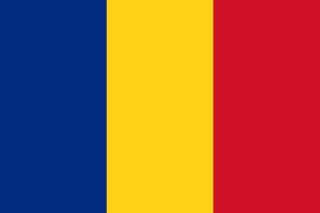
Welcome to Romania
Romania is a country in southeastern Europe, bordered by Ukraine, Moldova, Bulgaria, Serbia and Hungary.
It has a coastline along the Black Sea.
Its capital and largest city is Bucharest.
Other important cities include Cluj-Napoca, Timișoara, Iași, Brașov, Sibiu, Constanța, Craiova and Oradea.
Romania is known for the Carpathian Mountains, Transylvanian towns, medieval fortresses, folk traditions, music, literature and spectacular natural landscapes.
But Romania is much more than castles, tourism and historical events.
It is parents raising children, teachers encouraging students, farmers growing food, nurses caring for patients and grandparents preserving memories.
It is also people experiencing poverty, loneliness, illness, discrimination, homelessness or the effects of political repression and war.
"To understand Romania, we must discover the humanity behind its flag."
🏡 A Day in the Life of Romania
Imagine an ordinary morning somewhere in Romania.
In Bucharest, a parent prepares breakfast before the children leave for school.
In Brașov, a shopkeeper opens a business near the historic town square.
In Cluj-Napoca, a university student prepares for classes.
In Timișoara, a healthcare worker begins another hospital shift.
In Maramureș, a farmer tends livestock or crops in a rural community.
In the Danube Delta, a fisher begins work along one of Europe's great river systems.
In Sibiu, an artist works on a painting or traditional craft.
In a small village, a grandmother remembers life before the 1989 Revolution.
Some families enjoy stable employment, secure housing and educational opportunities.
Others struggle with rising expenses, inadequate housing, loneliness or difficulty obtaining healthcare.
🏛️ Ancient Dacia and Romania's Early Heritage
The territory of present-day Romania has been inhabited for thousands of years.
Early Communities
Prehistoric settlements and archaeological discoveries provide evidence of ancient farming, trade and craftsmanship.
The Dacians
The Dacians were among the ancient peoples who lived in the region.
They developed settlements, fortified sites and distinctive cultural traditions.
Roman Conquest
In AD 106, Roman forces under Emperor Trajan conquered much of Dacia.
Roman administration, settlement and language influenced the region's development.
Romanian Language
Romanian developed as a Romance language and is related to Italian, French, Spanish and Portuguese.
Medieval Principalities
Wallachia, Moldavia and Transylvania developed different political histories and cultural connections.
Living Heritage
Traditional architecture, crafts, music, food and language continue to reflect centuries of history.
"The past is preserved not only in monuments, but in the traditions and memories carried by living people."
🇷🇴 The Formation of Modern Romania
Romania's modern political development involved unification movements, independence and major territorial changes.
1859 - The Union of the Principalities
Wallachia and Moldavia elected Alexandru Ioan Cuza as ruler, beginning a political union that formed the basis of the modern Romanian state.
1877–1878 - Independence
Romania declared independence from the Ottoman Empire in 1877.
Its independence was internationally recognized following the Russo-Turkish War and the Congress of Berlin in 1878.
1881 - The Kingdom
Romania became a kingdom under Carol I.
The First World War
Romania entered the First World War in 1916 on the Allied side.
The conflict caused military and civilian casualties, displacement and destruction.
December 1, 1918
Representatives at Alba Iulia proclaimed the union of Transylvania with Romania.
December 1 is now celebrated as Romania's National Day.
Complex Histories
The territorial changes of 1918 affected Romanians and other communities with distinct political and cultural experiences.
Recognizing these different histories helps us understand the region without reducing its people to a single viewpoint.
"A nation is built through historical events, but its true strength depends on the dignity of all who live within it."
🕯️ Romania During the Second World War
Romania's experience during the Second World War was complex and deeply painful.
Territorial Losses
In 1940, Romania experienced major territorial losses amid pressure from neighbouring powers and international instability.
Military Rule
General Ion Antonescu became the country's principal wartime ruler.
Alliance with Nazi Germany
Romania fought alongside Nazi Germany against the Soviet Union beginning in 1941.
Military and Civilian Losses
Soldiers and civilians experienced death, injury, bombing, hunger, displacement and other hardships.
August 23, 1944
King Michael participated in a political and military change that removed Antonescu from power.
Romania subsequently changed sides and fought against Nazi Germany.
After the War
The end of the conflict did not bring an immediate return to stable democratic life.
Soviet influence increased, and Romania eventually came under communist rule.
"History teaches us that the consequences of war cannot be understood through military maps alone."
🕯️ The Holocaust in Romania - Truth and Remembrance
One of the most important responsibilities of historical remembrance is acknowledging the persecution and murder of Jewish and Roma people during the Second World War.
Antisemitic Policies
Under the Antonescu regime, Romanian authorities enacted and enforced antisemitic policies and participated in mass violence.
Deportations and Killing
Jewish communities suffered massacres, forced deportations, starvation, disease and other persecution.
Romanian authorities were responsible for serious crimes in Romania and territories under their administration.
The Iași Pogrom
In June 1941, Jewish residents of Iași were subjected to mass murder and brutal persecution.
Transnistria
Many Jewish and Roma people were deported to camps and settlements in Romanian-administered Transnistria, where large numbers died.
The Elie Wiesel Commission
The international commission's 2004 report estimated that between 280,000 and 380,000 Jews were killed or died as a consequence of Romanian government policies during the Holocaust.
Approximately 11,000 Roma also died as a consequence of deportation and persecution.
Individual Lives
Every person who died had a name, a family, relationships, memories and hopes.
Some Romanian individuals also risked their lives to help people facing persecution.
Remembering Truthfully
Recognizing these historical crimes does not mean assigning collective guilt to Romanians today.
It means preserving the truth and recognizing the dignity of victims.
"Never again begins with refusing to forget that every victim was a human being."
🕯️ Communist Rule and Everyday Life
After the Second World War, Romania came under a communist political system supported by Soviet influence.
1947 - The End of the Monarchy
King Michael was forced to abdicate, and Romania became a people's republic.
Political Repression
Communist authorities restricted political competition, independent expression and civil liberties.
Political opponents and other individuals were imprisoned or persecuted.
The Securitate
The secret police monitored public and private life and became associated with fear, surveillance and repression.
Nicolae Ceaușescu
Ceaușescu became leader of the Romanian Communist Party in 1965 and later served as president.
The 1980s
Severe austerity policies contributed to shortages of food, electricity, heating and everyday necessities.
Families often faced long queues and uncertainty about obtaining basic goods.
Children and Families
Reproductive restrictions and state policies contributed to serious suffering for women, children and families.
Many children entered overcrowded institutions, some of which had deeply inadequate care.
Invisible Trauma
Experiences of fear, deprivation, institutionalization and family separation could have lasting mental and emotional effects.
"Freedom includes the simple dignity of living without fear and being able to care for the people we love."
🕊️ The Romanian Revolution of December 1989
In December 1989, Romania experienced dramatic political change.
Timișoara
Protests began in Timișoara amid public opposition to government actions and the authoritarian system.
Security forces used deadly force against demonstrators.
Public Demonstrations
Protests spread to other cities, including Bucharest.
Large numbers of people demanded change.
The End of Ceaușescu's Rule
Nicolae Ceaușescu fled the capital on December 22, 1989, as his government collapsed.
Violence and Loss
Unlike several other Eastern European transitions that year, Romania's revolution involved extensive bloodshed.
More than one thousand people died during the December events.
Families and Grief
Parents lost children. Families waited for news. Survivors carried physical and emotional wounds.
A New Beginning
The revolution opened the way toward multiparty elections and a new constitutional framework.
The Responsibility of Remembrance
Questions about the violence and accountability have remained subjects of investigation and public debate.
"The greatest meaning of freedom is found in the opportunity for future generations to live without the fear endured by those who came before."
🏛️ Democracy, Government and International Cooperation
Romania is a constitutional republic with a president, government, Parliament and judicial institutions.
Its Parliament includes the Chamber of Deputies and the Senate.
The 1991 Constitution
A new Constitution established the framework for post-communist democratic institutions.
NATO
Romania joined the North Atlantic Treaty Organization in 2004.
The European Union
Romania became a member of the European Union on January 1, 2007.
Public Participation
Citizens participate through elections, civic organizations, journalism and peaceful public discussion.
Public Priorities
Healthcare, education, corruption, housing, economic inequality, infrastructure and national security are important subjects of debate.
Different Political Views
Romanians have diverse political beliefs, and no leader or party represents every individual's experiences.
Democratic institutions depend on accountability, fundamental rights and opportunities for public participation.
"Freedom requires institutions that protect people and allow disagreements to be resolved without fear or violence."
🌍 Romania's Peoples, Languages and Communities
Romania is home to communities with different cultural, linguistic and historical traditions.
Romanian Language
Romanian is the official language and an important part of national identity.
Hungarian Communities
Ethnic Hungarian communities have longstanding roots in Transylvania and other parts of Romania.
Roma Communities
Roma people contribute to Romanian society in every field, including music, business, education and the arts.
Some Roma communities continue to face discrimination, poverty and unequal access to services.
German Heritage
Transylvanian Saxons, Banat Swabians and other German-speaking communities contributed to Romania's architectural and cultural heritage.
Other Communities
Ukrainian, Turkish, Tatar, Serbian, Jewish and other communities contribute to the country's diversity.
Respect for Identity
People of the same community can hold different beliefs and have very different personal experiences.
"Different communities may preserve different traditions, but every person shares the need for dignity, belonging and love."
❤️ Family, Friendship and the Romanian Diaspora
Family relationships are important in many Romanian households.
Some families include grandparents, parents and children living together or nearby.
Others include smaller families, single parents, couples or individuals living alone.
Working Abroad
Many Romanians have moved to other European countries and beyond for work and opportunity.
Remittances may help relatives at home, but long-distance employment can also separate families.
Grandparents and Children
Some grandparents provide important support while parents work abroad.
Older Adults
Some seniors experience limited incomes, isolation, disability or difficulty accessing services.
Community Support
Friends, neighbours and relatives help one another through illness, bereavement and financial hardship.
"Family is strengthened by love, but community is strengthened when that same care reaches people beyond our own households."
🎵 Romanian Culture and Traditions
🎻 Music
Folk music, classical compositions, traditional instruments and contemporary styles express Romania's diverse cultural heritage.
🍲 Food
Sarmale, mămăligă, ciorbă, cozonac and regional dishes reflect many traditions and influences.
🧵 Folk Crafts
Embroidery, painted eggs, pottery, weaving and wood carving preserve skills passed through generations.
🏛️ Historic Places
Brașov, Sibiu, Sighișoara, the painted monasteries of Bucovina and the wooden churches of Maramureș reflect architectural heritage.
📚 Literature and Art
Romanian poets, writers, sculptors and artists have contributed to cultural life and world creativity.
⚽ Sports
Football, gymnastics, tennis, rowing, handball and other sports inspire communities and young athletes.
🎓 Children, Education and Opportunity
Children throughout Romania attend school, make friends and develop dreams for their futures.
Romania has public and private schools, universities and vocational institutions.
Many young people hope to become teachers, doctors, engineers, artists, athletes or entrepreneurs.
Different Opportunities
Some rural communities face limited educational resources, transportation difficulties and unequal access to services.
Financial Hardship
Children in low-income households may struggle with food, adequate clothing, school supplies or safe housing.
Children with Disabilities
Accessible education and supportive services are important for full participation.
Family Separation
Some children experience extended separation from parents working abroad.
Historical Lessons
Romania's history of inadequate institutional care reminds us of the importance of family-based support and the protection of vulnerable children.
Every child deserves nutritious food, safety, healthcare, friendship and meaningful education.
"The true promise of freedom is that every child has the opportunity to grow in safety and dignity."
🕊️ Faith, Spirituality and Freedom of Conscience
Romania has a rich religious and spiritual heritage.
Eastern Orthodox Christianity is the country's largest religious tradition.
Roman Catholic, Greek Catholic, Protestant, Muslim, Jewish and other religious communities also contribute to national life.
Some people identify as non-religious or hold personal spiritual beliefs.
Monasteries and Churches
Historic religious buildings preserve traditions of architecture, art, music and community life.
Faith and Service
Religious organizations and secular groups provide charity, education and assistance to vulnerable people.
Respect for Belief
Every individual deserves dignity regardless of religion or nonbelief.
"The search for inner peace can inspire us to treat others with the compassion we hope to receive ourselves."
🌿 The Carpathians, Danube Delta and Black Sea
Romania contains remarkable natural landscapes and wildlife.
The Carpathian Mountains
The Carpathians include forests, alpine meadows, mountain villages and important wildlife habitats.
Brown Bears
Romania is home to one of Europe's significant populations of brown bears.
Wildlife conservation must also consider the safety and livelihoods of local communities.
The Danube Delta
The Danube Delta is a UNESCO World Heritage Site and an internationally important wetland.
Its rivers, lakes and reed beds provide habitats for pelicans and many other birds.
The Black Sea Coast
Coastal communities rely on tourism, trade, fishing and marine ecosystems.
Traditional Villages
Rural landscapes preserve distinctive architecture, farming traditions and crafts.
Environmental Challenges
Pollution, habitat loss, flooding, drought and climate change create risks for ecosystems and communities.
"Protecting the natural world means protecting the people and living things that depend upon it."
🛠️ Work, Healthcare and Everyday Needs
Romanians work in healthcare, education, agriculture, technology, construction, transport, manufacturing and many other sectors.
Modern cities have developed technology, business and educational opportunities.
Agriculture remains important to rural communities.
Romania has public and private healthcare providers, although access varies between regions.
Some rural households experience difficulties obtaining specialized medical care.
Many families face concerns involving housing, energy costs, pensions, wages and transportation.
Every individual deserves meaningful work, adequate nutrition, accessible healthcare and a secure home.
🌧️ Challenges Facing Romania
Romania has made considerable social and economic progress since the end of communist rule, but many people continue to experience hardship.
Poverty or Social Exclusion
Eurostat reported that 27.4% of Romania's population was at risk of poverty or social exclusion in 2025.
Income Poverty
The relative income-poverty rate was 18.4% in 2025. This measure is different from the broader risk-of-poverty-or-social-exclusion figure.
Housing and Homelessness
Some individuals face inadequate housing, overcrowding, insecure accommodation or homelessness.
Mental Health and Loneliness
Anxiety, depression, grief, trauma and loneliness affect people from different generations and communities.
Rural Inequality
Some rural communities face difficulties with transportation, medical care, infrastructure and educational opportunities.
Discrimination and Social Inclusion
Some Roma communities, people with disabilities and other vulnerable groups continue to face barriers to equal opportunity.
🎖️ Honouring Romanian Soldiers, Veterans and Peacekeepers
Romania's military history includes independence, the world wars, political upheaval, international operations and disaster relief.
The War of Independence
Romanian soldiers fought during the conflict of 1877–1878 that helped secure the country's independence.
The First World War
Romanian troops and civilians endured extensive losses after the country entered the war in 1916.
The Second World War
Romanian forces fought alongside Nazi Germany until August 1944 and later fought against Germany.
Honest remembrance requires acknowledging both military casualties and the responsibility of Romanian authorities for Holocaust crimes.
December 1989
Military personnel and civilians were involved in the revolution that ended communist rule.
Families affected by the violence deserve truthful remembrance and accountability.
NATO Service
Since joining NATO in 2004, Romanian personnel have participated in international military operations.
Afghanistan and Other Missions
Romanian troops served in Afghanistan and other international missions, with some losing their lives or returning injured.
United Nations Peacekeeping
Romanian military and police personnel have contributed to UN and other multinational peace-support operations.
Veterans and Families
Veterans may experience physical injuries, psychological trauma, grief or difficulties adjusting after service.
Families also carry the effects of separation, uncertainty and loss.
Remembering Civilians
Honouring military service must always include remembrance of Jewish and Roma Holocaust victims, civilians harmed by war and people killed during political violence.
Recognition of service never excuses violations of human rights or humanitarian law.
"The greatest way to honour those who served is to help protect the lives and dignity of future generations."
🤝 Romanians Helping One Another
Throughout Romania, volunteers, charities, faith communities and civic organizations assist people experiencing hardship.
Some provide food, clothing, shelter and healthcare support.
Others assist older adults, children, people with disabilities and individuals experiencing homelessness.
Community organizations support education, family care and social inclusion.
Romanian volunteers have also assisted people displaced by the war in neighbouring Ukraine.
Emergency responders and local volunteers help communities affected by floods, fires and other disasters.
These everyday actions demonstrate that compassion can cross differences of nationality, language and belief.
"Humanity grows stronger whenever one person chooses to help another."
🌅 Romania's Dreams for Tomorrow
Imagine a Romania where every child grows up in a safe and loving home.
Where every family has enough nutritious food, clean water and healthcare.
Where older adults receive dignity, companionship and practical support.
Where young people can find meaningful work and affordable housing.
Where people experiencing homelessness can find secure homes and the help they need.
Where mental health difficulties are met with understanding and treatment.
Where rural communities enjoy reliable schools, transportation and medical services.
Where Roma, Hungarian, Romanian and other communities experience equal dignity and opportunity.
Where Jewish and Roma Holocaust victims are remembered truthfully.
Where survivors of communist repression receive recognition and respect.
Where the victims of the 1989 Revolution are never forgotten.
Where veterans and military families receive appropriate support.
Where forests, rivers, mountains and wildlife are preserved for future generations.
And where every individual can live with freedom, security, belonging and peace.
"A nation's greatest achievement is a future where every human life has the opportunity to flourish."
🌎 Your Journey of Understanding
You have explored Romania's ancient heritage, national history, wartime suffering, communist rule, 1989 Revolution, cultural diversity, natural beauty and human challenges.
Now consider three reflections connecting the mind, heart and spirit. Click each question to reveal its reflection.
🧠 MENTALLY - What have you learned?
Before this journey, what came to mind when you thought of Romania?
Transylvania? Castles? The Carpathian Mountains? Bucharest? Gymnastics?
Did you also consider the formation of modern Romania, the Holocaust, communist repression and the sacrifices of those involved in the 1989 Revolution?
Why is it important to understand both national achievements and injustices committed during history?
What can Romania's democratic transition teach us about freedom and accountability?
How might the experiences of ordinary families deepen your understanding of a country?
❤️ EMOTIONALLY - What touched your heart?
Imagine a Jewish family experiencing persecution during the Second World War.
A Roma mother trying to protect her children from deportation.
A parent struggling to find food and heat during the final years of communist rule.
A young person who died during the December 1989 Revolution.
A grandmother remembering the fear of political surveillance.
A child missing a parent who works abroad.
A Romanian soldier serving far from home while loved ones wait for news.
Which of these stories touches your heart most deeply?
How might your compassion become a meaningful act of kindness?
🕊️ SPIRITUALLY - What connects us?
Romania's history includes beauty, achievement, suffering, courage and change.
What does this teach us about the complexity of human experience?
Can we remember the suffering caused by dictatorship without passing hatred to future generations?
How can we honour soldiers while also recognizing the civilians harmed by war?
Why is honest remembrance important for building trust and peace?
What does inner peace mean when someone carries painful memories?
Can we respect people of different cultures, languages and beliefs while recognizing their equal dignity?
What small act of kindness could you offer today to help another person know that they matter?
The Romania Behind the Flag
Somewhere in Romania, a mother prepares breakfast for her children.
A teacher welcomes students into a classroom.
A farmer tends crops beneath the morning sun.
A fisher guides a boat through the Danube Delta.
An artisan preserves a traditional craft.
A grandmother remembers the day the dictatorship ended.
A nurse comforts a patient.
A volunteer helps an older neighbour.
A veteran remembers a fallen friend.
A survivor preserves the memory of loved ones lost through persecution.
And somewhere, a young person dreams of a Romania where every family can live with dignity, opportunity and peace.
"Mountains rising above the forests.
Ancient villages holding generations of memories.
Voices once silenced now carrying stories.
Countless human lives.
One shared humanity."
That is the Romania behind the flag.
Return to Beginning Explore Another NationSources and Further Reading
Learn more about Romania's history, democracy, cultural heritage, Holocaust remembrance, poverty and military service.
Eurostat - Poverty and Social Exclusion, 2025
Eurostat - European Statistical Data
Elie Wiesel Commission - Holocaust in Romania
United States Holocaust Memorial Museum
NATO - Member States and International Missions
United Nations - Peacekeeping Contributions
UNESCO - Romania World Heritage
Encyclopaedia Britannica - Romania History and Society
This page provides a broad, human-centred introduction and does not represent every Romanian person's experiences, beliefs or political views. Historical and economic figures are presented with their relevant context.