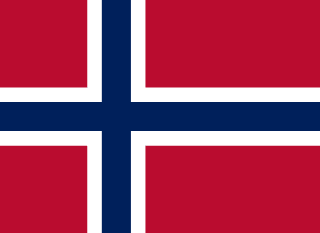
Welcome to Norway
Norway is a Northern European country famous for its dramatic fjords, mountains, forests, islands and beautiful coastlines.
It stretches from the southern coastal regions to the Arctic north.
Its communities include Oslo, Bergen, Trondheim, Stavanger, Tromsø and many smaller towns and rural settlements.
Norway is known for its maritime traditions, natural resources, public services, environmental initiatives and cultural heritage.
But to truly understand Norway, we must look beyond its extraordinary landscapes and international reputation.
We must discover its people.
Parents raising children. Teachers guiding students. Fishers working at sea. Nurses caring for patients. Seniors sharing memories.
And people experiencing loneliness, illness, financial difficulties or uncertain futures.
"To understand Norway, we must discover the humanity behind its flag."
🏡 A Day in the Life of Norway
Imagine an ordinary morning somewhere in Norway.
In Oslo, commuters board trains, trams and buses.
In Bergen, a shopkeeper prepares for the day.
In Trondheim, students arrive at university.
In Tromsø, a family prepares for school and work during a northern winter.
Along the coast, fishers and maritime workers begin their daily activities.
In a rural village, a farmer tends livestock or prepares equipment.
A nurse begins a hospital shift. A teacher opens a classroom. A grandparent enjoys a morning cup of coffee.
Some Norwegian families have comfortable homes, secure incomes and financial stability.
Others face housing difficulties, loneliness, illness or unemployment.
📜 Norway's History and Identity
Norway has a long history of settlement, agriculture, seafaring and cultural exchange.
During the Viking Age, people from Norway travelled across parts of Europe and the North Atlantic.
These journeys included trade, settlement, exploration and warfare.
Norway later experienced centuries of political unions with Denmark and Sweden.
Its constitution was adopted in 1814.
Norway peacefully dissolved its union with Sweden in 1905 and became an independent constitutional monarchy.
Norway During the Second World War
On April 9, 1940, Nazi Germany invaded Norway.
Norwegian forces and Allied troops resisted the invasion, but Germany occupied the country.
During the occupation, many Norwegians joined resistance activities.
Others experienced arrest, imprisonment, forced labour, persecution or displacement.
Norwegian Jews were among those persecuted and deported during the Holocaust.
The occupation ended in May 1945.
Wartime experiences deeply influenced Norway's later security policy.
In 1949, Norway became a founding member of NATO.
"Remembering history means honouring those who suffered and learning how to protect peace."
🪶 The Sámi — Norway's Indigenous People
The Sámi are an Indigenous people whose traditional homeland, Sápmi, extends across parts of Norway, Sweden, Finland and Russia.
Sámi communities have distinct languages, histories and cultural traditions.
Traditional activities include reindeer herding, fishing, handicrafts and other livelihoods connected to land and water.
Many Sámi people also live in towns and cities and work in a wide range of professions.
Language and Culture
Sámi languages spoken in Norway include Northern Sámi, Lule Sámi and Southern Sámi.
Sámi traditions include duodji handicrafts, joik vocal music, storytelling and knowledge of northern environments.
The Sámi Parliament, known as Sámediggi, represents important Sámi interests.
Historical Injustice
For generations, Norwegian assimilation policies restricted Sámi language and cultural expression.
These policies caused lasting harm to individuals, families and communities.
Today's challenges include discrimination, language revitalization, land use, cultural rights and self-determination.
Norway's Truth and Reconciliation Commission examined the history and consequences of assimilation policies toward Sámi, Kven and Norwegian Finnish communities.
❤️ Family, Friendship and Community
Families in Norway come in many forms.
Some include parents and children. Others include single-parent households, couples, extended families or people living alone.
Norwegian social policies include parental leave, childcare support and public services for families.
Many people enjoy spending time with friends and relatives through meals, celebrations, outdoor activities and community gatherings.
Volunteer organizations, sports clubs and neighbourhood groups provide opportunities for connection.
But even in a society with strong public services, loneliness can affect people of all ages.
"Belonging is not measured by wealth. It is found in knowing that someone cares."
🎵 Norway's Culture and Traditions
🎻 Traditional Music
Norwegian folk traditions include the Hardanger fiddle, regional dances and storytelling.
🍽️ Food
Norwegian cuisine includes seafood, salmon, cod, brown cheese, flatbread, berries and many regional specialties.
🎉 Constitution Day
May 17 is Norway's Constitution Day, often celebrated with children's parades, flags, music and gatherings.
📚 Literature
Henrik Ibsen, Sigrid Undset, Knut Hamsun and other writers have shaped Norwegian literary history.
🎨 Arts and Design
The paintings of Edvard Munch, traditional crafts, modern architecture and contemporary arts contribute to Norwegian culture.
⛷️ Sports
Cross-country skiing, biathlon, football, handball, hiking and other sports are enjoyed by many Norwegians.
🎓 Children and Education
Children throughout Norway attend school, develop friendships and discover their individual abilities.
Norway provides publicly funded education and childcare services.
Schools seek to support learning, personal development and social inclusion.
Many children participate in sports, music, arts and outdoor activities.
However, some students experience bullying, discrimination, learning challenges or family hardship.
Children living in remote regions may have different educational experiences from those in major cities.
Every child deserves a safe environment, supportive relationships and an opportunity to pursue their dreams.
"Every child's future deserves to be protected, encouraged and valued."
🌲 Nature, Fjords and the Norwegian Spirit
Norway's landscapes include dramatic fjords, mountains, glaciers, forests, islands and Arctic environments.
Many people enjoy hiking, skiing, fishing, camping and spending time outdoors.
Friluftsliv
The Norwegian word friluftsliv is often associated with outdoor living and enjoying time in nature.
It reflects a tradition of appreciating fresh air, natural landscapes and outdoor activities.
Norway has public-access rights that allow responsible enjoyment of much uncultivated land.
These rights also carry responsibilities toward nature, property and other people.
Environmental Responsibility
Norway has invested in renewable electricity and electric transportation.
At the same time, oil and natural gas remain important parts of its economy.
This creates ongoing debates about energy, climate change and the future of natural resources.
"Nature reminds us that we share one Earth and one responsibility toward future generations."
🕊️ Faith, Spirituality and Beliefs
Christianity, especially Lutheran Christianity, has played a major role in Norwegian history.
The Church of Norway continues to have an important cultural and religious presence.
Norway is also home to Muslim, Catholic, Orthodox, Jewish, Buddhist, Hindu and other communities.
Many Norwegians identify as non-religious.
Sámi spiritual traditions also form part of the country's cultural history.
Freedom of religion and conscience helps protect individual human dignity.
"Our beliefs may differ, but the need for love, belonging and respect connects us."
🛠️ Work, Housing and Everyday Needs
Norwegians work in healthcare, education, fishing, aquaculture, energy, engineering, shipping, tourism, technology and many other industries.
Norway has a substantial public welfare system and a strong economy.
Revenue from petroleum resources has contributed to national wealth and the Government Pension Fund Global.
Public services include healthcare, education and various forms of social assistance.
Yet individual circumstances vary.
Some households enjoy stable incomes and comfortable homes.
Others struggle with high living expenses, housing access, health conditions or unemployment.
In rural and northern communities, distance can make some services harder to access.
🌧️ Challenges Facing Norway
Norway is often associated with prosperity, security and a high quality of life.
But no country is without human suffering.
Homelessness
Government estimates suggested approximately 5,000 people experienced homelessness in 2025. People need stable housing alongside appropriate practical and personal support.
Mental Health
Anxiety, depression, stress, grief and loneliness affect people of different ages and backgrounds.
Housing Costs
Some households face high rental expenses and difficulty entering the housing market.
Social Inclusion
Some immigrants, minority communities and individuals with disabilities experience barriers or discrimination.
Ageing Population
Older adults may experience loneliness, health difficulties and growing needs for care and community support.
Climate Change
Changing Arctic conditions, biodiversity loss and environmental pressures affect ecosystems, livelihoods and communities.
🏛️ Democracy, Equality and Human Rights
Norway is a constitutional monarchy with a parliamentary democracy.
Its national parliament is known as the Storting.
Citizens participate in elections, public debate, political parties and civic organizations.
Norway's democratic institutions emphasize the rule of law, political accountability and protection of individual rights.
Public debates include immigration, economic policy, social services, energy development, environmental protection and national security.
The rights of the Sámi people and other minorities also remain important subjects of public discussion.
People hold different political beliefs, and no political party or government speaks for every citizen.
"Democracy is strongest when every person's dignity is respected and different voices can be heard."
🎖️ Honouring Norway's Soldiers and Veterans
Norway's military history includes significant sacrifice, particularly during the Second World War.
Resistance and Remembrance
When Nazi Germany invaded Norway in 1940, Norwegian military personnel and civilians faced extraordinary danger and uncertainty.
Resistance members risked their lives to oppose occupation.
Norwegian merchant seafarers also made major contributions to the Allied war effort, often serving under dangerous conditions.
Families lost loved ones and many people experienced imprisonment, persecution or displacement.
International Service
Norway became a founding member of NATO in 1949.
Norwegian personnel have also participated in United Nations peacekeeping and international missions.
The Norwegian Armed Forces report that more than 40,000 Norwegian women and men have served in UN operations.
Some service members have lost their lives or returned home with injuries and psychological trauma.
Families can also experience the lasting effects of separation, loss and military service.
Honouring veterans means remembering their service, supporting their well-being and caring for their families.
It also means recognizing the suffering of civilians and working to prevent future conflicts.
"May the sacrifices of the past inspire us to protect peace for future generations."
🤝 Norwegians Helping One Another
Across Norway, volunteers and community organizations support people experiencing hardship.
Some provide assistance with food, housing, health and social services.
Others offer friendship, activities and support for seniors, young people, newcomers and isolated individuals.
Rescue teams, emergency responders and volunteers also help people during accidents, storms and other emergencies.
These everyday acts of service show that humanity is not simply a belief.
It is something we put into action.
"Sometimes changing the world begins with helping one person."
🌅 Norway's Dreams for Tomorrow
Imagine a Norway where every child feels safe, valued and encouraged.
Where families can afford secure housing.
Where people experiencing homelessness receive appropriate housing and care.
Where older adults have companionship, respect and quality services.
Where mental health support is accessible to those who need it.
Where Sámi languages, cultures and rights continue to flourish.
Where people of different backgrounds and beliefs feel included and respected.
Where forests, fjords, wildlife and Arctic environments are protected for future generations.
Where veterans and their families receive meaningful support and recognition.
And where peaceful cooperation helps prevent suffering across international borders.
"A nation's future becomes brighter when every human life has value."
🌎 Your Journey of Understanding
You have explored some of Norway's history, culture, daily life and challenges.
Now consider three questions that connect your mind, heart and spirit.
Click each question to reveal its reflection.
🧠 MENTALLY - What have you learned?
Before this journey, what came to mind when you thought about Norway?
Fjords? Northern lights? Vikings? Prosperity?
Did you also consider Sámi Indigenous heritage, wartime occupation, homelessness and ordinary family difficulties?
Can a country have remarkable achievements while still facing serious human challenges?
What assumption might you now reconsider?
❤️ EMOTIONALLY - What touched your heart?
Imagine a grandparent remembering family members lost during the Second World War.
A Sámi elder working to preserve a traditional language.
A young person experiencing loneliness or depression.
An individual without a secure home.
A veteran coping with the memories of military service.
How would hearing their personal stories change the way you understand Norway?
What could compassion look like in action?
🕊️ SPIRITUALLY - What connects us?
Norway is home to people with many different cultures, religions and beliefs.
But what do human beings share across those differences?
Do we not all seek love, dignity, security, belonging and meaning?
Can inner peace inspire us to care for people experiencing hardship?
How can we honour soldiers and veterans while working toward a future with fewer wars?
What small act of kindness could you offer today to help someone feel that they matter?
The Norway Behind the Flag
Somewhere in Norway, a mother prepares breakfast for her children.
A teacher encourages a student to follow a dream.
A fisher heads out onto the cold northern sea.
A Sámi elder shares language and traditions.
A nurse comforts a patient.
A volunteer helps someone find a safe home.
A veteran remembers a fallen friend.
A senior enjoys the companionship of a neighbour.
And somewhere, a young person dreams of a world where people can live without fear or war.
"Majestic fjords.
Ancient traditions.
A history of courage.
Countless human stories.
One shared humanity."
That is the Norway behind the flag.
Return to Beginning Explore Another NationSources and Further Reading
For more information about Norway's people, Indigenous heritage, history and social challenges:
Norwegian Government — Sámi People
Norwegian Armed Forces — History
This page provides a broad introduction to Norway and does not represent every person's experiences or beliefs.