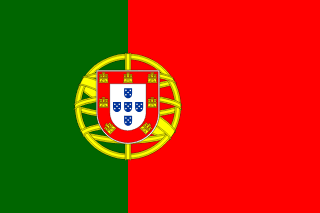
Welcome to Portugal
Portugal is a country on Europe's Iberian Peninsula, facing the Atlantic Ocean.
It includes mainland Portugal and the autonomous island regions of Madeira and the Azores.
From Lisbon and Porto to rural villages, fishing towns, vineyards and island communities, Portuguese life takes many different forms.
Portugal is recognized for its music, architecture, literature, food, maritime history and distinctive cultural traditions.
But to understand Portugal, we must look beyond its monuments and tourist attractions.
We must discover the lives of parents, children, workers, teachers, caregivers, seniors and people experiencing hardship.
"Behind every flag is a nation of individual lives, each deserving dignity and peace."
🏡 A Day in the Life of Portugal
Imagine an ordinary morning somewhere in Portugal.
In Lisbon, a commuter rides a train or bus to work.
In Porto, a café owner prepares to welcome customers.
In Coimbra, a student prepares for university.
In the Alentejo, a farmer tends olives, vineyards or livestock.
In the Algarve, a family works in tourism, fishing or another local business.
On Madeira, a nurse begins a hospital shift, while in the Azores a parent takes a child to school.
Some households have secure homes, employment and financial stability. Others struggle with rent, low incomes, illness or loneliness.
📜 Portugal's History and Identity
The lands of modern Portugal have been home to many peoples, including communities influenced by Roman, Germanic and Islamic rule.
Portugal emerged as an independent kingdom in the twelfth century and developed a distinctive language and political identity.
During the fifteenth and sixteenth centuries, Portuguese voyages linked Europe with Africa, Asia and the Americas.
These voyages expanded trade, navigation and cultural exchange, but Portuguese colonial expansion also involved conquest, enslavement, exploitation and violence.
Portugal was heavily involved in the transatlantic slave trade, whose effects remain part of the history of many countries.
In the twentieth century, Portugal experienced decades of authoritarian government under the Estado Novo regime.
Its history includes both cultural achievements and experiences that call for truthful remembrance.
"Honouring our heritage also means acknowledging those who suffered through it."
🌹 The Carnation Revolution — April 25, 1974
One of the most significant events in modern Portuguese history took place on April 25, 1974.
A movement within Portugal's armed forces overthrew the authoritarian Estado Novo government, opening a path toward democracy.
The event became known as the Carnation Revolution.
Red carnations became powerful symbols of the revolution and the hope for a different future.
Why the Revolution Matters
The revolution helped end decades of dictatorship, political censorship and restrictions on fundamental freedoms.
It also accelerated the end of Portugal's colonial wars and the independence of its remaining African colonies, during a difficult and sometimes violent transition.
A democratic constitution was adopted in 1976.
The revolution did not immediately resolve every political and social problem, but it remains a milestone in Portugal's democratic history.
"Freedom is a responsibility we inherit and must continue to protect."
❤️ Family, Friendship and Community
Family relationships are important to many Portuguese people.
Relatives often gather for meals, celebrations, religious holidays and personal milestones.
Grandparents may play important roles in sharing traditions and helping younger generations.
Families come in many forms, including couples, single parents, extended households and people living alone.
Community relationships develop through schools, neighbourhoods, sports clubs, charities and local cultural associations.
Many Portuguese families have relatives living abroad, including in Canada, France, Luxembourg, Brazil and elsewhere.
Emigration has connected Portuguese communities across generations and oceans.
"Sometimes home is a place. Sometimes it is the people who remember and love us."
🎵 Portugal's Culture and Traditions
🎶 Fado
Fado is a Portuguese musical tradition known for expressive singing and themes such as love, longing and memory. It is recognized by UNESCO.
🍮 Food
Portuguese food includes bacalhau, caldo verde, grilled sardines, regional stews, breads and the famous pastel de nata.
🎨 Azulejos
Decorative ceramic tiles are prominent in Portuguese architecture, appearing in buildings, churches and public spaces.
📚 Literature
Writers such as Luís de Camões, Fernando Pessoa and José Saramago have contributed to Portugal's literary heritage.
🎉 Celebrations
Community festivals, including the Festas dos Santos Populares, bring music, food and neighbours together.
⚽ Sport
Football is particularly popular, alongside surfing, athletics, cycling and many other sports.
🎓 Children and Education
Children throughout Portugal attend school, develop friendships and imagine their futures.
Public education, universities and vocational training offer opportunities for learning.
Some young people have access to extensive educational and recreational resources.
Others face difficulties linked to household income, disability, housing insecurity or distance from services.
Schools and community groups also provide sports, music, arts and cultural activities.
Every child deserves safety, encouragement, friendship and the opportunity to develop their talents.
"A child's dreams should not be limited by the hardships of today."
🕊️ Faith, Spirituality and Beliefs
Roman Catholicism has played a significant role in Portuguese history and culture.
Fátima is an internationally known Catholic pilgrimage site.
Portugal is also home to Protestant, Orthodox, Muslim, Jewish, Hindu and other religious communities.
Many people identify as non-religious.
Individuals find meaning through faith, family, nature, human relationships and personal values.
Freedom of religion and conscience belongs to everyone.
"We may follow different paths, but dignity and compassion are needs we all share."
🛠️ Work, Healthcare and Everyday Needs
Portuguese people work in healthcare, education, tourism, agriculture, technology, construction, manufacturing and services.
The country has a public National Health Service, although waiting times and access can differ by area and circumstance.
Portugal has developed modern industries while retaining agricultural and maritime traditions.
Some families have reliable jobs and comfortable homes.
Others experience low wages, uncertain employment or difficulty meeting the cost of housing and food.
Young adults may find it difficult to establish independent households.
The desire for a safe home, meaningful work and personal dignity is universal.
🌧️ Challenges Facing Portugal
Housing and Homelessness
Housing affordability is a serious concern. The OECD reported 14,476 people experiencing homelessness in Portugal in 2024, under the country's national definition.
Economic Pressure
Low household incomes, rising housing costs and insecure employment affect some workers and families.
Older Adults
An ageing population increases the need for healthcare, caregiving, accessibility and companionship.
Mental Health
Depression, anxiety, grief, loneliness and other mental health challenges affect people of all ages.
Social Inclusion
Some immigrants, minorities and vulnerable households face barriers to housing, employment and services.
Environment
Wildfires, drought, water stress and extreme heat affect communities and natural habitats.
🏛️ Democracy, Freedom and Human Rights
Portugal is a democratic republic with an elected president, parliament and government.
The Assembly of the Republic is Portugal's national legislature.
The 1976 Constitution established fundamental rights and democratic institutions following the Carnation Revolution.
Portugal joined the European Communities in 1986 and is now a member of the European Union.
It is also a founding member of NATO.
Public debates include housing, healthcare, immigration, employment, climate policy and other social issues.
Portuguese people hold many different political views, and no single government or party speaks for everyone.
"Democracy is strengthened through accountability, equal rights and respect for people who disagree."
🎖️ Honouring Portuguese Soldiers and Veterans
Portugal has a long military and maritime history, marked by both national service and difficult conflicts.
During the First World War, Portuguese soldiers served in Europe and Africa.
From 1961 to 1974, Portugal fought colonial wars in Angola, Guinea-Bissau and Mozambique against movements seeking independence.
These conflicts caused deaths, injuries, displacement and trauma for soldiers and civilians, including people in the African territories.
The effects were felt across generations and remain part of Portuguese and African historical memory.
Military Service and Democracy
The Armed Forces Movement played the central role in ending Portugal's dictatorship in 1974.
Portuguese service members have also participated in international peacekeeping and security missions.
Veterans and their families may require support for injuries, loss, grief and psychological effects of service.
Honouring them does not require endorsing every past military campaign.
It means acknowledging sacrifice, remembering all who suffered, protecting civilians and working for peace.
"May we honour the past by protecting the dignity and peace of future generations."
🤝 Portuguese Communities Helping Others
Throughout Portugal, charities, volunteers, neighbourhood groups and public services support people who face hardship.
Some assist those experiencing homelessness, food insecurity or financial difficulties.
Others help older adults, people with disabilities, migrants and individuals experiencing mental health challenges.
Firefighters and emergency responders make important sacrifices during wildfires and other disasters.
These contributions show how ordinary people can make a meaningful difference.
"Changing the world can begin with helping one person feel they matter."
🌅 Portugal's Dreams for Tomorrow
Imagine a Portugal where every child has a safe home and a quality education.
Where young adults can find meaningful employment and affordable housing.
Where seniors receive companionship, healthcare and dignity.
Where those experiencing homelessness receive stable housing and support.
Where people of different cultures and beliefs are treated with respect.
Where veterans and families affected by past wars receive recognition and appropriate care.
Where historic injustices are acknowledged with truth and compassion.
Where democratic freedoms remain protected.
And where every generation has reason to hope for a more peaceful future.
"A nation's future becomes brighter when every person has an opportunity to flourish."
🌎 Your Journey of Understanding
You have explored Portugal's history, traditions, everyday life and challenges.
Now consider three questions about the mind, heart and spirit. Click each question to reveal its reflection.
🧠 MENTALLY - What have you learned?
Before this journey, what came to mind when you thought of Portugal?
Lisbon? Beaches? Fado music? Historic cities?
Did you also consider the Carnation Revolution, colonial history, housing challenges and the lives of ordinary families?
What can Portugal's transition from dictatorship toward democracy teach us about the value of freedom?
Which assumptions might you now reconsider?
❤️ EMOTIONALLY - What touched your heart?
Imagine a grandparent remembering years when freedom of expression was restricted.
A young adult working full time but unable to afford a home.
A veteran living with memories of war.
A person struggling with loneliness.
A firefighter protecting a village during a wildfire.
How would hearing their individual stories change your understanding?
What could compassion look like in action?
🕊️ SPIRITUALLY - What connects us?
Portugal's history contains stories of exploration, hardship, dictatorship and freedom.
What can this teach us about the importance of human dignity?
Can remembrance of past injustice encourage greater compassion today?
How can we honour military service while working to prevent future wars?
What small act of kindness could you offer today to help someone feel valued?
The Portugal Behind the Flag
Somewhere in Portugal, a mother prepares breakfast for her children.
A teacher encourages a young student.
A musician sings a song filled with memory.
A grandparent shares a family story.
A fisher returns from the Atlantic.
A nurse comforts someone in need.
A volunteer helps a person find a safe home.
A veteran remembers a fallen friend.
And somewhere, a young person dreams of a world with greater peace and understanding.
"An Atlantic heritage.
A journey toward freedom.
Countless human stories.
One shared humanity."
That is the Portugal behind the flag.
Return to Beginning Explore Another NationSources and Further Reading
Explore information about Portugal's history, democracy, society and culture.
Portuguese Parliament — Building Democracy
OECD — Homelessness in Portugal, 2026
This page provides a broad introduction and does not represent every person's experiences, beliefs or views.