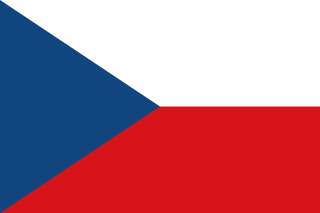
Welcome to Czechia
Czechia, officially the Czech Republic, is a landlocked country in Central Europe.
It borders Germany, Poland, Slovakia and Austria.
Its capital, Prague, is famous for its medieval streets, historic squares, Charles Bridge and beautiful architecture.
Other important cities include Brno, Ostrava, Plzeň, Olomouc, Liberec and České Budějovice.
Czechia is celebrated for music, literature, historic towns, craftsmanship, scientific achievements and beautiful natural landscapes.
But the country's most important story is the story of its people.
Parents raising children. Teachers encouraging students. Workers supporting families. Nurses caring for patients. Grandparents sharing memories of earlier generations.
And people facing loneliness, poverty, illness, homelessness, discrimination or uncertainty about the future.
"To understand Czechia, we must discover the humanity behind its flag."
🏡 A Day in the Life of Czechia
Imagine an ordinary morning somewhere in Czechia.
In Prague, commuters travel by tram, metro and bus to work.
In Brno, a university student prepares for another day of learning.
In Plzeň, a worker begins a shift at a manufacturing facility.
In Ostrava, a nurse prepares to care for patients.
In a small Bohemian village, a family tends a garden.
In South Moravia, a farmer works among vineyards and agricultural fields.
A grandparent visits a local shop. A teacher welcomes children to school. A parent prepares dinner after work.
Some families have secure housing, stable employment and many opportunities.
Others struggle with housing expenses, limited income, loneliness or health difficulties.
📜 Czechia's History and Identity
The lands of modern Czechia have been inhabited for thousands of years.
They include the historic regions of Bohemia, Moravia and part of Silesia.
Celtic, Germanic and Slavic peoples contributed to the region's early history.
The Medieval Czech Lands
Slavic communities developed political and cultural institutions during the early medieval period.
The Great Moravian realm played an important role in the ninth century.
The Přemyslid dynasty later became central to the development of the Bohemian state.
During the reign of Charles IV in the fourteenth century, Prague became an important European centre of government, culture and learning.
Charles University, founded in 1348, remains an important symbol of this heritage.
Religious and Political Reform
The religious reformer Jan Hus became a significant figure in Czech history.
He was executed in 1415, and his death was followed by the Hussite movement and conflicts over religious and political authority.
The Habsburg Period
For centuries, the Czech lands were associated with the Habsburg monarchy.
Industrialization, national revival movements and debates over cultural and political rights shaped the nineteenth century.
The Birth of Czechoslovakia
At the end of the First World War in 1918, Czechoslovakia was established as an independent state.
It brought together Czech and Slovak lands, as well as other communities with different languages and histories.
Tomáš Garrigue Masaryk became its first president.
"A nation's history is preserved not only in castles and monuments, but in the lives and memories of generations."
🕯️ Nazi Occupation, the Holocaust and Remembrance
Czechoslovakia faced a severe national crisis during the years leading to the Second World War.
The Munich Agreement
In September 1938, Britain, France, Germany and Italy signed the Munich Agreement, permitting Nazi Germany to annex the Sudetenland without Czechoslovakia's participation in the decision.
In March 1939, Nazi Germany occupied the remaining Czech lands and established the Protectorate of Bohemia and Moravia.
Persecution and the Holocaust
Jewish communities experienced confiscation of property, discrimination, deportation and mass murder.
Roma people, political opponents and other groups were also persecuted.
Terezín, also known as Theresienstadt, became a ghetto and transit camp where prisoners suffered overcrowding, hunger, disease and death.
Many prisoners were subsequently deported to extermination camps.
Lidice
In June 1942, Nazi forces destroyed the village of Lidice in retaliation for the assassination of senior Nazi official Reinhard Heydrich.
Men were murdered, women were deported and many children were killed or separated from their families.
Lidice became an international symbol of civilian suffering under Nazi occupation.
Resistance and Liberation
Czech and Slovak resistance members opposed Nazi rule, including through underground activities and military service abroad.
The liberation of Czechoslovakia in 1945 ended Nazi occupation, but postwar violence and forced displacement affected many ethnic German civilians.
"Never again begins with remembering that every victim was a human being with a life that mattered."
🌱 The Prague Spring of 1968
Following the Second World War, Czechoslovakia came under communist rule after the political takeover of February 1948.
The government restricted political opposition, freedom of expression and other civil liberties.
Hope for Reform
In January 1968, Alexander Dubček became leader of the Communist Party of Czechoslovakia.
Reform efforts became known as the Prague Spring.
They included proposals for greater freedom of expression, political reform and a less repressive system.
Many citizens welcomed the possibility of change.
The Invasion
On the night of August 20–21, 1968, Soviet-led Warsaw Pact forces invaded Czechoslovakia.
The invasion halted the reform movement and led to a renewed period of political repression.
Citizens resisted largely through demonstrations and other forms of nonviolent protest.
Some people were killed or injured, and many families experienced fear, disappointment or emigration.
The Human Meaning
For ordinary people, the Prague Spring represented a hope that political institutions could become more open and humane.
Its suppression became a lasting memory of the dangers of military intervention and authoritarian power.
"When people seek freedom and dignity, their hopes deserve to be heard rather than silenced."
🕊️ The Velvet Revolution of 1989
One of Czechia's most significant modern historical achievements was the peaceful political transformation of 1989.
November 17, 1989
A student demonstration in Prague was violently dispersed by police.
The events helped trigger large demonstrations and a wider movement demanding democratic change.
Students, workers, artists and citizens from many backgrounds participated.
Peaceful Political Change
The movement became known as the Velvet Revolution because the collapse of communist rule occurred with relatively little violence.
Large public demonstrations and negotiations helped bring an end to one-party government.
The playwright and dissident Václav Havel became president of Czechoslovakia in December 1989.
Freedom and Democracy
The revolution opened the way for competitive elections, freedom of expression and major changes to public life.
Many families experienced a renewed sense of possibility.
"Peaceful change can begin when ordinary people discover the courage to stand together."
🏛️ A Peaceful Separation and Modern Democracy
On January 1, 1993, Czechoslovakia peacefully separated into the independent Czech Republic and Slovakia.
The separation is often called the Velvet Divorce.
The peaceful establishment of two independent countries became an important example of resolving constitutional differences through political agreement rather than war.
Modern Czechia
Czechia is a parliamentary republic with an elected president, prime minister, government and Parliament.
The Parliament consists of the Chamber of Deputies and the Senate.
Czechia joined NATO in 1999 and the European Union in 2004.
It uses the Czech koruna as its currency.
Citizens participate through elections, public debate, community organizations and peaceful demonstrations.
Political disagreements include public spending, housing, immigration, security, healthcare and environmental policy.
People hold a wide variety of political opinions, and no government or party represents everyone.
Respect for democratic institutions, human rights, accountability and freedom of expression remains important.
"The peaceful resolution of disagreement is one of humanity's greatest achievements."
🌍 Cultural Diversity and Minority Communities
Czechia is home to people with different ethnic, religious and cultural backgrounds.
Czech is the official language, while Slovak, Ukrainian, Romani and other languages are spoken in different communities.
Roma communities have longstanding histories in the Czech lands and contribute to the country's cultural life.
Some Roma people continue to experience discrimination, barriers to education, housing insecurity and unequal opportunities.
Czechia has also welcomed people seeking safety from war, including refugees from Ukraine.
Migrants and international residents contribute to workplaces, schools, neighbourhoods and public life.
❤️ Family, Friendship and Community
Family and friendship are important in many Czech households.
Some families gather regularly for meals, celebrations and holidays.
Grandparents may help care for children and share stories about earlier generations.
Households include parents and children, couples, single parents, extended families and people living alone.
Community life often includes sports clubs, cultural groups, local festivals and neighbourhood activities.
Yet some people experience loneliness, family separation, financial hardship or emotional difficulties.
Older adults living alone may need additional companionship and support.
"A strong community is one in which people know they have not been forgotten."
🎵 Czech Culture and Traditions
🎼 Classical Music
Composers such as Antonín Dvořák, Bedřich Smetana and Leoš Janáček are important figures in Czech musical history.
📚 Literature
Czech literary traditions include writers such as Karel Čapek, Bohumil Hrabal and Václav Havel, while Prague-born Franz Kafka wrote in German.
🏰 Historic Architecture
Prague, Český Krumlov, Kutná Hora and other places preserve medieval, Renaissance, Baroque and later architectural traditions.
🍲 Food
Czech cuisine includes dumplings, soups, svíčková, roast dishes, koláče and many regional specialities.
🎭 Puppetry and Theatre
Puppet theatre, film, drama and animation have longstanding places in Czech cultural life.
🏒 Sports
Ice hockey, football, tennis, athletics, cycling and outdoor recreation bring people together across generations.
🎓 Children and Education
Children throughout Czechia attend schools, form friendships and explore their interests.
The country has public schools, universities, technical institutions and vocational education programmes.
Many students participate in sports, music, arts, science and other activities.
Some children grow up in secure homes with many opportunities.
Others experience poverty, disability-related barriers, bullying, housing difficulties or family instability.
Children from disadvantaged communities may face additional obstacles in education.
Every child deserves a safe home, supportive teachers, nutritious food, friendship and the opportunity to reach their potential.
"Every child deserves a future defined by possibility, not by circumstances beyond their control."
🕊️ Faith, Spirituality and Beliefs
Czechia has a long and complex religious history.
Christianity influenced the country's art, architecture, education and traditions for centuries.
Roman Catholic, Protestant and other Christian communities remain part of society.
Czechia is also home to Jewish, Muslim, Buddhist and other religious communities.
Many residents identify as non-religious or do not belong to an organized religious community.
People find meaning in different ways, including faith, family, friendship, nature, knowledge and service to others.
Freedom of belief and conscience helps protect every person's dignity.
"We may find meaning in different places, but compassion can remain common to us all."
🌲 Forests, Mountains, Rivers and Natural Beauty
Czechia is known for forests, rolling countryside, rivers, sandstone formations and mountain landscapes.
Bohemian Switzerland
Bohemian Switzerland National Park is celebrated for remarkable sandstone rock formations, forests and walking trails.
Šumava
The Šumava region contains forests, peatlands, mountain environments and important wildlife habitats.
Krkonoše Mountains
The Krkonoše Mountains, shared with Poland, include Sněžka, Czechia's highest mountain.
The Vltava River
The Vltava flows through many communities, including Český Krumlov and Prague.
South Moravia
South Moravia includes vineyards, villages, farmland and distinctive natural landscapes.
Environmental challenges include drought, flooding, changing rainfall, habitat loss and the effects of climate change.
Protecting these environments means caring for wildlife, communities and future generations.
"The natural world reminds us that we are part of something larger than ourselves."
🛠️ Work, Healthcare and Everyday Needs
People in Czechia work in manufacturing, engineering, healthcare, education, tourism, technology, construction, agriculture, transport and many other sectors.
The country has a developed industrial economy and an extensive public health insurance system.
Many families have stable employment and access to essential public services.
However, experiences vary between regions, occupations and individual circumstances.
Some households struggle with housing costs, low incomes or financial insecurity.
Older adults and people with disabilities may require additional assistance.
People living in remote areas may have difficulties accessing certain services.
A nation's prosperity should be measured not only through economic output but through the well-being of its people.
🌧️ Challenges Facing Czechia
Czechia has relatively low overall poverty indicators compared with many European countries, but hardship remains an important part of the human experience.
Poverty and Income Security
According to the Czech Statistical Office, 9.6% of people were at risk of income poverty in 2025.
Housing and Homelessness
Some people struggle with housing affordability, insecure accommodation, debt or homelessness.
Mental Health
Anxiety, depression, loneliness, grief and trauma affect people of different generations and backgrounds.
Older Adults
Some seniors experience low incomes, declining health, isolation or increased care needs.
Social Inclusion
Some Roma communities, people with disabilities and other vulnerable groups face discrimination or barriers to opportunities.
Family and Childcare Pressures
Some parents struggle with childcare availability, work-life balance, housing expenses and the cost of raising children.
🎖️ Honouring Czech Soldiers, Veterans and Civilians
Czechia's military history includes service during the Austro-Hungarian period, the world wars, resistance to Nazi occupation, the Cold War and modern international operations.
The First World War
Many Czech soldiers served in the Austro-Hungarian armed forces.
Other Czech and Slovak volunteers joined the Czechoslovak Legions fighting for the creation of an independent state.
Families endured loss, injury, hunger and separation.
The Second World War
Czech and Slovak personnel served in Allied forces abroad and participated in resistance movements.
Czechoslovak airmen served in Britain's Royal Air Force, including during the Battle of Britain.
Resistance fighters risked their lives opposing Nazi occupation.
Civilians also suffered persecution, forced labour, imprisonment and death.
The Prague Spring
The invasion of August 1968 also reminds us of the danger that foreign military force can pose to civilians and political freedom.
Modern Military Service
Members of the Czech Armed Forces have served in NATO, international peacekeeping and other operations.
Some have experienced injuries, grief or psychological trauma.
Remembering Every Victim
Military remembrance must also include the suffering of Jewish and Roma victims, political prisoners, displaced people and civilians affected by war.
Veterans and their families deserve appropriate care and recognition.
"The greatest tribute to military sacrifice is the protection of future generations from the suffering of war."
🤝 Czechs Helping One Another
Across Czechia, charities, volunteers, neighbourhood groups and public services help individuals experiencing hardship.
Some provide food assistance, emergency accommodation, counselling or support for older adults.
Others assist families, refugees, people with disabilities and individuals experiencing homelessness.
Volunteers and emergency responders also help communities during flooding, fires and other disasters.
Teachers, nurses, community workers and neighbours perform countless quiet acts of kindness.
These everyday contributions show that compassion remains essential, even in prosperous societies.
"A simple act of kindness may become the moment someone begins to feel valued again."
🌅 Czechia's Dreams for Tomorrow
Imagine a Czechia where every child grows up in a safe and loving home.
Where families can afford housing, nutritious food and essential services.
Where people experiencing homelessness receive stable accommodation and practical support.
Where seniors are treated with dignity and never forgotten.
Where people experiencing mental health challenges receive compassion and accessible treatment.
Where every ethnic and religious community can participate without discrimination.
Where the victims of Nazi persecution and communist repression are remembered truthfully.
Where veterans and their families receive care and recognition.
Where peaceful democratic participation remains protected.
Where historic cities, forests, rivers and mountains are preserved for future generations.
And where everyone has the opportunity to live with freedom, belonging, dignity and peace.
"A nation's greatest future is one where every human life has the opportunity to flourish."
🌎 Your Journey of Understanding
You have explored Czechia's beautiful heritage, history, struggle for freedom, daily life and humanitarian challenges.
Now consider three questions connecting your mind, heart and spirit. Click each question to reveal its reflection.
🧠 MENTALLY - What have you learned?
Before this journey, what came to mind when you thought of Czechia?
Prague? Castles? Classical music? Beautiful medieval towns?
Did you also consider the Nazi occupation, the Lidice massacre, the Prague Spring, the Velvet Revolution and the peaceful separation of Czechoslovakia?
What can the country's history teach us about the importance of civil liberties and peaceful political change?
Why should a country's achievements and challenges both be part of understanding its people?
❤️ EMOTIONALLY - What touched your heart?
Imagine a family remembering loved ones murdered during Nazi occupation.
A Czech citizen who watched tanks enter the streets during the invasion of 1968.
A student participating in the peaceful demonstrations of 1989.
A senior living alone and struggling financially.
A Roma child hoping to be accepted by classmates.
A veteran remembering a fallen colleague.
How would listening to these individual stories change your understanding of Czechia?
What could compassion look like in action?
🕊️ SPIRITUALLY - What connects us?
Czechia's history includes war, persecution, occupation, resistance and peaceful democratic transformation.
What does it teach us about the value of human dignity?
Can courage sometimes mean refusing violence and choosing peaceful action instead?
How can remembrance of injustice help prevent hatred from being passed to future generations?
Can we honour those who served in war while celebrating the peaceful achievements of 1989 and 1993?
What does inner peace have to do with the peace we create in our families and communities?
What small act of kindness could you offer today to help someone feel that they matter?
The Czechia Behind the Flag
Somewhere in Czechia, a mother prepares breakfast for her children.
A teacher encourages a student to follow a dream.
A farmer tends the fields of South Moravia.
A musician plays a melody passed down through generations.
A grandparent remembers a time when freedom was restricted.
A nurse comforts a patient.
A volunteer helps someone find a safe place to sleep.
A veteran remembers a fallen friend.
A family remembers relatives who suffered during the Second World War.
And somewhere, a young person dreams of a future where disagreements are resolved without violence.
"A land of historic beauty.
A people who remember the cost of freedom.
A peaceful revolution that changed history.
Countless human stories.
One shared humanity."
That is the Czechia behind the flag.
Return to Beginning Explore Another NationSources and Further Reading
Explore Czechia's history, government, remembrance, social conditions and cultural heritage.
European Union - Czechia Country Profile
Czech Statistical Office - Household Income and Poverty
Prague Castle - About the Czech Republic
NATO - Czechia and Modern Security
UNESCO - Czechia World Heritage
UNICEF - Children and Human Rights
This page provides a broad human-centred introduction and does not represent every Czech person's experiences, beliefs or political views.