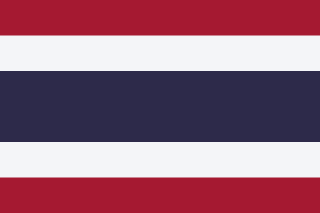
Welcome to Thailand
Thailand, officially the Kingdom of Thailand, is a country in Southeast Asia.
It borders Myanmar, Laos, Cambodia and Malaysia.
Its capital and largest city is Bangkok.
Other important cities and regions include Chiang Mai, Chiang Rai, Pattaya, Phuket, Khon Kaen, Nakhon Ratchasima, Hat Yai and Ayutthaya.
Thailand is known for its ancient kingdoms, Buddhist temples, artistic traditions, vibrant food culture, tropical forests and beautiful coastlines.
But Thailand is much more than its famous landmarks or tourism industry.
It is parents raising children, teachers encouraging students, farmers growing rice, nurses caring for patients, and grandparents preserving family memories.
It is also people struggling with poverty, loneliness, disability, addiction, insecurity, discrimination or the effects of political conflict.
"To understand Thailand, we must discover the humanity behind its flag."
🏡 A Day in the Life of Thailand
Imagine an ordinary morning somewhere in Thailand.
In Bangkok, a parent prepares breakfast before the children leave for school.
In Chiang Mai, a market vendor arranges fresh fruit and vegetables.
In the northeast, a farmer begins work in a rice field.
In Phuket, a hospitality worker welcomes visitors from another country.
In a hospital, a nurse comforts a patient.
In a southern village, a fisher prepares a boat for another day.
In a northern hill community, a craftsperson preserves a traditional skill.
In a rural home, a grandmother helps care for her grandchildren.
Some families enjoy stable employment, comfortable homes and supportive relationships.
Others struggle with debt, rising expenses, uncertain employment or difficulty obtaining healthcare.
🏛️ Ancient Thailand and Early Civilizations
The territory of present-day Thailand has been home to human communities for thousands of years.
Early Settlements
Archaeological discoveries reveal farming, metalworking, pottery and trading cultures.
Ban Chiang
Ban Chiang is an important prehistoric archaeological site recognized by UNESCO.
Regional Connections
Ancient communities maintained relationships with neighbouring regions through trade, migration and cultural exchange.
Religious Traditions
Buddhist and Hindu cultural influences contributed to the development of art, architecture and ideas.
Many Communities
Mon, Khmer, Tai-speaking and other peoples contributed to the region's history.
"The foundations of a nation are built not only by rulers, but by generations of ordinary people."
👑 Sukhothai, Ayutthaya and the Historical Kingdoms
Sukhothai
Sukhothai emerged as an important Thai-speaking kingdom in the thirteenth century.
It is associated with distinctive Buddhist art, architecture and cultural traditions.
Ayutthaya
The Kingdom of Ayutthaya became a major regional power from the fourteenth century onward.
Its capital developed into an important centre of trade and diplomacy.
Different Peoples
The historical kingdoms included communities with diverse languages and cultural backgrounds.
War and Competition
Regional states fought wars, formed alliances and competed over territory and trade.
1767
Ayutthaya was destroyed during a major Burmese invasion.
Thonburi and Bangkok
Following Ayutthaya's fall, new political centres emerged, and Bangkok became the capital in 1782.
"Historic temples and palaces tell part of the story. The people who lived around them are equally important."
🇹🇭 Siam and the Development of Modern Thailand
For centuries, the country was internationally known as Siam.
Nineteenth-Century Reform
Thai monarchs and reformers introduced changes to administration, law, education and infrastructure.
Colonial-Era Diplomacy
Siam remained formally independent while neighbouring territories came under European colonial rule.
Territorial Concessions
Maintaining independence involved diplomatic pressure, unequal treaties and territorial losses.
Education and Modernization
Schools, government institutions, transportation and public administration continued developing.
Social Change
Traditional social hierarchies changed as slavery and forms of bonded labour were gradually abolished.
The Name Thailand
The country's official name was changed from Siam to Thailand in 1939, briefly reverted after the Second World War and restored in 1949.
🕊️ The Revolution of 1932
On June 24, 1932, a political revolution transformed Thailand's government.
Constitutional Change
The absolute monarchy was replaced by a constitutional system.
The People's Party
A group of civilian and military figures helped organize the revolution.
A New Political Framework
Thailand began developing constitutional and parliamentary institutions.
Continuing Military Influence
Throughout the following decades, military coups and authoritarian governments repeatedly interrupted democratic development.
Ordinary Citizens
Political change influenced education, public participation, employment and civil liberties.
"Freedom grows stronger when public institutions recognize that government exists to serve the people."
🕯️ Thailand During the Second World War
The Second World War created difficult choices and serious suffering in Thailand and across Southeast Asia.
December 1941
Japanese forces entered Thailand as part of their military expansion through Southeast Asia.
Military Cooperation
Thailand's wartime government subsequently entered an alliance with Japan.
The Free Thai Movement
Thai resistance networks, known as the Free Thai movement, worked with Allied governments against Japanese domination.
Prisoners of War
Allied prisoners and Asian civilian labourers experienced extreme suffering during construction of the Thailand–Burma Railway.
The Death Railway
Thousands of prisoners and many more Asian labourers died because of forced labour, disease, malnutrition and brutal treatment.
Thai Civilians
People experienced wartime shortages, bombing, insecurity and economic disruption.
Remembrance
Military cemeteries and museums in Kanchanaburi preserve the memory of those who died.
"The true cost of war is found in the human lives it destroys and the families it leaves grieving."
🏛️ Democracy, Political Change and Human Rights
Thailand is a constitutional monarchy with a parliamentary political system.
Political Institutions
Thailand has a monarch, government, Parliament and courts.
Changing Governments
Its modern political history has included elections, military interventions, constitutional changes and public demonstrations.
2014 Military Coup
The military seized power in May 2014 and established a military-led government.
Public Participation
Thai citizens have organized demonstrations and civic movements addressing democracy, public institutions and constitutional reform.
Human Rights Concerns
International organizations have raised concerns involving freedom of expression, peaceful assembly, detention and restrictions on political criticism.
Different Perspectives
People in Thailand hold varied political views. No single party, movement or public figure represents every citizen.
The Importance of Dialogue
Peaceful discussion, lawful participation and respect for fundamental rights help societies address disagreement.
🕯️ Conflict, Borders and the Human Cost of Violence
Thailand's history includes military conflicts and continuing security challenges.
Southern Thailand
Parts of southern Thailand, particularly Pattani, Yala and Narathiwat, have experienced a long-running insurgency.
Malay Muslim Communities
The southern border region has distinctive Malay Muslim cultural and linguistic traditions.
Civilian Suffering
Violence involving insurgent groups and state security operations has harmed civilians from different backgrounds.
Human Rights
Human rights organizations have documented abuses by insurgents and allegations of misconduct by security personnel.
Cambodia–Thailand Border
Border disputes escalated into armed clashes during 2025, including serious fighting in July and December.
Displaced Families
Residents in communities along the border experienced evacuations, injuries, deaths and disruption to daily life.
Peace and Diplomacy
International humanitarian organizations emphasize civilian protection, medical care and the importance of peaceful dispute resolution.
"Borders may separate countries, but they must never separate our respect for human life."
🌍 Thailand's Peoples, Languages and Communities
Thailand is home to many ethnic, linguistic and cultural traditions.
Central Thai Communities
Central Thai culture and language influence national institutions and public life.
Northern Communities
Northern Thailand includes distinctive regional traditions and languages, including those associated with Lanna heritage.
Isan
Northeastern Thailand includes communities whose languages and cultural traditions have strong connections with Laos and the wider region.
Southern Communities
Southern Thailand includes Buddhist and Malay Muslim communities with varied histories.
Indigenous and Highland Peoples
Karen, Hmong, Akha, Lahu, Lisu and other communities preserve languages, cultural practices and traditional knowledge.
Discrimination and Inclusion
Some minority communities experience barriers involving citizenship documentation, land rights, education and employment.
Shared Humanity
Each cultural community contains individuals with their own beliefs, experiences and hopes.
❤️ Family, Friendship and Community
Family relationships are important in many Thai households.
Some homes include grandparents, parents and children living together or nearby.
Others include couples, single parents, smaller households or people living alone.
Grandparents
Older relatives often contribute to childcare, family traditions and community life.
Families Separated by Work
Some parents move to cities or tourism regions for employment while children remain with relatives.
Older Adults
Thailand's ageing population creates growing needs for pensions, healthcare and social support.
Everyday Kindness
Relatives, neighbours and friends help one another during illness, grief or financial hardship.
"The strongest community is one in which people do not have to face life's difficulties alone."
🎶 Thai Culture and Traditions
🍲 Food
Pad Thai, tom yum, green curry, som tam, khao soi and many regional dishes reflect Thailand's culinary diversity.
🎉 Songkran
Thai New Year celebrations include family gatherings, traditional rituals and water-related festivities.
🪷 Loy Krathong
Loy Krathong includes the floating of decorated offerings and has cultural and spiritual significance for many participants.
🎨 Arts and Crafts
Textiles, wood carving, painting, dance and other traditional arts preserve craftsmanship.
🏛️ Architecture
Historic temples, palace complexes and traditional houses reflect many centuries of cultural development.
🥊 Sports
Muay Thai, football, badminton, volleyball and other sports are enjoyed throughout Thailand.
🎓 Children, Education and Opportunity
Children across Thailand attend schools, form friendships and develop dreams for their futures.
Education
Thailand has public and private schools, vocational institutions and universities.
Rural Differences
Children in some remote communities face difficulties involving school transportation, resources or access to specialized services.
Family Income
Financial hardship may affect a family's ability to provide learning materials, appropriate nutrition or stable housing.
Children with Disabilities
Accessible education and support services help children participate fully in society.
Child Protection
Children deserve protection from exploitation, violence, trafficking and harmful labour.
Emotional Well-Being
Young people experiencing bullying, grief, stress or loneliness deserve understanding and support.
"The future of a nation is strengthened when every child feels safe, valued and capable of achieving their dreams."
🕊️ Buddhism, Spirituality and Freedom of Belief
Theravada Buddhism is an important part of Thailand's cultural and spiritual heritage.
Buddhist Temples
Temples serve as places of worship, learning, cultural activity and community gatherings.
Compassion
Buddhist teachings often emphasize compassion, mindfulness and reducing suffering.
Other Traditions
Thailand is also home to Muslim, Christian, Hindu, Sikh and other religious communities.
Spiritual Diversity
Some people follow local spiritual traditions or identify as non-religious.
Respect
Every individual deserves dignity and freedom of conscience regardless of religion or belief.
"Inner peace becomes meaningful when it inspires patience, understanding and compassion toward others."
🌿 Tropical Forests, Mountains, Rivers and Islands
Thailand has an extraordinary range of natural landscapes and ecosystems.
Northern Mountains
Mountain regions around Chiang Mai and Chiang Rai include forests, farming communities and distinctive wildlife habitats.
Khao Yai National Park
Khao Yai protects important forests and wildlife, including elephants and many bird species.
The Chao Phraya River
The river supports agriculture, transportation and communities throughout central Thailand.
Southern Islands
Phuket, Ko Samui, Ko Phi Phi and other islands attract visitors while supporting coastal communities.
Marine Ecosystems
Coral reefs, mangroves and marine wildlife provide ecological and economic benefits.
Asian Elephants
Thailand's elephants hold cultural significance, while their welfare and habitat conservation require continued attention.
Environmental Challenges
Flooding, drought, air pollution, forest loss, extreme heat and climate change affect people and ecosystems.
"Protecting Thailand's natural beauty means caring for both wildlife and the communities who depend on the land and water."
🛠️ Work, Healthcare and Everyday Needs
People in Thailand work in agriculture, healthcare, education, tourism, manufacturing, technology, transportation and many other sectors.
Thailand has a widely developed public healthcare system, including universal coverage arrangements for eligible residents.
Access to specialized services and medical facilities can still vary between cities and rural communities.
Migrant Workers
Many workers from neighbouring countries contribute to Thailand's agriculture, construction, fishing, manufacturing and domestic services.
Some face difficulties involving wages, workplace safety, legal documentation or exploitation.
Older Adults
Older people may experience limited savings, chronic illness or loneliness.
Employment
Some families face challenges involving household debt, unstable work and rising living expenses.
Every worker, resident and family deserves safe conditions, meaningful opportunity and human dignity.
🌧️ Challenges Facing Thailand
Thailand has made considerable economic and social progress, but not every family enjoys the same security and opportunity.
Poverty
The World Bank's country profile lists Thailand's national poverty rate at 5.4% in 2022, the most recent national poverty-line observation shown in that dataset. It is not a 2026 estimate.
Household Debt
Some households face substantial debt burdens and financial insecurity.
Rural Inequality
Some rural communities face lower incomes, unequal access to opportunities and difficulties obtaining services.
Housing and Homelessness
Some people experience unsafe housing, insecure accommodation or homelessness.
Mental Health and Loneliness
Depression, anxiety, grief, trauma and isolation affect people from many ages and backgrounds.
Migrant Worker Rights
Some migrants experience discrimination, recruitment debt, exploitation or difficulties seeking protection.
🎖️ Honouring Thai Soldiers, Veterans and Peacekeepers
Thailand's military history includes defence of its kingdoms, regional conflicts, the world wars, international missions and humanitarian assistance.
Historic Kingdoms
Soldiers served during conflicts involving Siam and neighbouring regional powers.
The Second World War
Thai military personnel and civilians experienced the consequences of Japanese military expansion and wartime alliances.
The Korean War
Thailand contributed military personnel to the United Nations Command during the Korean War.
Vietnam War Era
Thai forces participated in military operations connected with the Vietnam War.
United Nations Missions
Thai military and police personnel have contributed to UN peacekeeping and related international operations.
Southern Thailand
Soldiers, police officers and civilians have been affected by the longstanding conflict in the southern border provinces.
2025 Border Fighting
Thai and Cambodian military personnel and civilians were harmed during armed clashes.
Every family affected by those conflicts deserves compassion, regardless of nationality.
Veterans and Families
Veterans may experience physical injuries, psychological trauma, grief or difficulties adjusting after service.
Disaster Response
Thai military personnel also assist with floods, emergencies and other humanitarian operations.
Honest Remembrance
Honouring service requires recognizing civilian suffering and the importance of international humanitarian law.
"The greatest tribute to military sacrifice is a future where children no longer have to experience the fear of war."
🤝 Thais Helping One Another
Throughout Thailand, charities, volunteers, religious communities and public institutions assist people experiencing hardship.
Some provide food, shelter, healthcare and educational support.
Others help children, older adults, people with disabilities and individuals experiencing homelessness.
Volunteer networks respond during floods, fires, earthquakes and other emergencies.
Community groups provide support for migrants and vulnerable families.
Neighbours and relatives carry out countless small acts of kindness every day.
"Humanity grows stronger whenever one person chooses to care for another."
🌅 Thailand's Dreams for Tomorrow
Imagine a Thailand where every child grows up in a safe and loving home.
Where every family has enough nutritious food, clean water and healthcare.
Where older adults receive dignity, companionship and practical support.
Where young people have meaningful educational and employment opportunities.
Where migrant workers enjoy safe conditions, fair treatment and protection from exploitation.
Where rural communities enjoy access to schools, hospitals and reliable infrastructure.
Where mental health concerns are met with compassion and effective treatment.
Where people experiencing homelessness can find secure housing and support.
Where Buddhist, Muslim, Christian and other communities live with mutual respect.
Where political differences are addressed peacefully and fundamental rights are protected.
Where the violence affecting southern communities gives way to security, dialogue and reconciliation.
Where Thailand and its neighbours resolve disputes without further civilian suffering.
Where soldiers, veterans and their families receive appropriate recognition and care.
Where forests, rivers, elephants and marine ecosystems are protected for future generations.
And where every individual can live with freedom, security, compassion and peace.
"A nation's greatest achievement is a future where every human life has the opportunity to flourish."
🌎 Your Journey of Understanding
You have explored Thailand's ancient heritage, historic kingdoms, Buddhist traditions, political development, wartime experiences, cultural diversity, defence service and everyday challenges.
Now consider three reflections connecting your mind, heart and spirit. Click each question to reveal its reflection.
🧠 MENTALLY - What have you learned?
Before this journey, what came to mind when you thought of Thailand?
Temples? Tropical beaches? Thai food? Elephants? Bangkok?
Did you also think about the 1932 revolution, the Free Thai movement, the Death Railway or the challenges facing rural families and migrant workers?
Why is it important to recognize the experiences of both soldiers and civilians during wartime?
How can a country preserve cultural traditions while respecting human rights and democratic participation?
What does Thailand's history teach us about peace and the responsibility of protecting vulnerable communities?
❤️ EMOTIONALLY - What touched your heart?
Imagine a prisoner of war struggling to survive forced labour during the Second World War.
A Thai mother worried about her children during border fighting.
A Cambodian family forced to leave home because of the same conflict.
A fisher struggling with debts after a difficult season.
A migrant worker who misses children living across a border.
A senior living alone and hoping for companionship.
A young soldier remembering a friend who was killed.
Which story touches your heart most deeply?
How might that feeling inspire an act of compassion?
🕊️ SPIRITUALLY - What connects us?
Thailand's religious and cultural traditions include powerful ideas about kindness, compassion and reducing suffering.
What does inner peace mean when a person is experiencing fear, grief or financial hardship?
Can we honour soldiers while also recognizing the humanity of those on the opposite side of a conflict?
How can remembering the suffering of the Death Railway encourage respect for every human life?
Can people with different languages, beliefs and political views live with mutual dignity?
How might peace within ourselves lead to greater understanding in our families and communities?
What small act of kindness could you offer today to help another person know they matter?
The Thailand Behind the Flag
Somewhere in Thailand, a mother prepares breakfast for her children.
A teacher welcomes students into a classroom.
A farmer tends rice beneath the morning sunlight.
A nurse comforts a patient.
A monk offers words of reflection.
A fisher prepares a boat on the coast.
A grandmother shares memories with her grandchildren.
A migrant worker calls loved ones far away.
A volunteer brings food to someone in need.
A veteran remembers a fallen friend.
A student dreams of making the world a better place.
And somewhere, a child hopes for a future where every life is valued.
"Golden temples beneath the morning sky.
Rivers winding through fields and forests.
Families carrying generations of memory.
Hands reaching out in kindness.
Countless human lives.
One shared humanity."
That is the Thailand behind the flag.
Return to Beginning Explore Another NationSources and Further Reading
Explore Thailand's history, living conditions, cultural heritage, humanitarian issues and international military service.
Encyclopaedia Britannica - Thailand History and Society
ConstitutionNet - Thailand's Constitutional History
World Bank - Thailand Poverty and Inequality Profile
World Bank - Thailand Country Overview
World Health Organization - Cambodia–Thailand Border Conflict, 2025
Amnesty International - Thailand
International Labour Organization - Asia and the Pacific
UNESCO - Thailand World Heritage Sites
United Nations - Peacekeeping Contributions
UNHCR - Refugees and Displaced People
This page provides a broad, human-centred introduction. It does not represent every Thai person's experiences, religious beliefs or political views. Historical and economic data are identified by their reporting periods. All civilian lives deserve equal protection regardless of nationality.