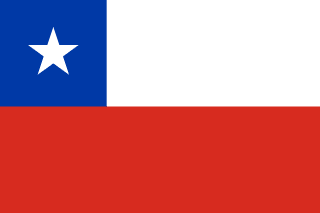
Welcome to Chile
Chile is a long, narrow country on the western edge of South America, bordered by the Pacific Ocean and the Andes Mountains.
Its capital, Santiago, is a major centre of business, education, culture and government.
Other cities include Valparaíso, Viña del Mar, Concepción, Antofagasta, La Serena, Temuco and Puerto Montt.
Chile is known for its extraordinary landscapes, literature, music, scientific research and diverse communities.
Yet Chile is more than a country of beautiful scenery and historical events.
It is the story of parents raising children, teachers guiding students, farmers working the land, fishers going to sea, nurses caring for patients and grandparents remembering generations past.
It is also the story of people experiencing poverty, loneliness, housing insecurity, illness, discrimination or grief.
"To understand Chile, we must discover the humanity behind its flag."
🏡 A Day in the Life of Chile
Imagine an ordinary morning somewhere in Chile.
In Santiago, a commuter travels by metro to work.
In Valparaíso, a student walks through colourful hillside streets.
In the Atacama region, a worker begins a shift at a mining operation.
In central Chile, a farmer tends fruit trees or vineyards.
In southern Chile, a family prepares for a day of school and work in a small town.
Near the Pacific coast, a fisher heads toward the ocean.
A nurse begins a hospital shift. A grandmother makes breakfast. A teacher welcomes children to a classroom.
Some households have stable employment, comfortable homes and many opportunities.
Others struggle with high housing costs, financial uncertainty, illness or the loss of a job.
📜 Chile's History and Identity
The lands of modern Chile have been inhabited for thousands of years by Indigenous peoples with distinct languages, cultures and traditions.
In the north, parts of present-day Chile came under the influence of the Inca Empire.
Spanish colonization began in the sixteenth century, bringing conquest, settlement, religious change and conflict.
Indigenous communities experienced loss of land, violence, epidemics and pressure on their cultural traditions.
The Road to Independence
Chile's independence movement began in 1810, during a period of political upheaval across the Spanish Empire.
After years of fighting, Chile formally declared independence in 1818.
Figures such as Bernardo O'Higgins and José de San Martín are associated with the struggle.
The nineteenth century brought economic development, territorial expansion and conflicts with neighbouring countries.
Chile's history includes both significant achievements and serious injustices that continue to influence society.
"A nation's history belongs not only to leaders and armies, but also to families whose lives were changed by their decisions."
🌿 Indigenous Peoples and Living Heritage
Chile is home to several Indigenous peoples, including the Mapuche, Aymara, Quechua, Rapa Nui, Lickanantay, Diaguita, Kawésqar and Yagán.
Each community has distinct histories, traditions and cultural knowledge.
The Mapuche
The Mapuche have a longstanding history in south-central Chile and neighbouring Argentina.
Mapuche communities have maintained language, ceremonies, artistic traditions and strong connections to ancestral territories.
Historical conflicts over land, state expansion and Indigenous rights have left difficult legacies.
Modern debates include land rights, cultural recognition, security, legal accountability and relations between communities and the state.
Rapa Nui
Rapa Nui, also known as Easter Island, has a distinctive Polynesian heritage and is internationally recognized for its monumental moai statues.
Rapa Nui people continue to preserve their language, community identity and cultural traditions.
Indigenous peoples are not merely part of Chile's past. They are living communities whose voices and rights matter today.
🕯️ Chile's Military Dictatorship and the Importance of Remembrance
One of the most difficult chapters in Chile's modern history began on September 11, 1973.
On that day, the Chilean armed forces overthrew the elected government of President Salvador Allende.
Allende died during the coup at the presidential palace, La Moneda.
A military regime led by Augusto Pinochet governed Chile until March 1990.
Human Rights Violations
During the dictatorship, state agents committed serious human rights violations, including political imprisonment, torture, executions and enforced disappearances.
Thousands of people were killed or disappeared, while many more were detained, tortured or forced into exile.
Families spent years seeking information about missing loved ones.
These experiences caused profound grief and trauma that continued long after the dictatorship ended.
Truth and Reconciliation
Following the restoration of democracy, Chile established official commissions to investigate dictatorship-era human rights violations.
These processes documented victims' experiences, supported public remembrance and contributed to efforts toward justice and reparations.
The Museum of Memory and Human Rights
In Santiago, the Museum of Memory and Human Rights preserves testimony, documents and historical records of abuses committed between 1973 and 1990.
Its mission is to honour victims and educate future generations about the importance of human rights.
"A society honours its future by refusing to forget the suffering of its past."
🏛️ Democracy, Rights and Civic Life
In a national plebiscite held on October 5, 1988, Chilean voters rejected the continuation of Augusto Pinochet's rule under the proposed arrangement.
Democratic presidential and parliamentary elections followed in 1989.
On March 11, 1990, Patricio Aylwin became president, marking the return to civilian democratic government.
Chile is now a presidential republic with a National Congress consisting of a Senate and Chamber of Deputies.
Citizens participate through elections, community organizations, civic movements and public debate.
People hold differing views about the economy, constitutional arrangements, education, healthcare, security, pensions and social rights.
No single political party or leader speaks for all Chileans.
Democratic accountability, human rights and the rule of law are important to the country's continued development.
"Democracy is strengthened when every person's rights are protected and different voices can be heard peacefully."
❤️ Family, Friendship and Community
Family relationships and friendships are meaningful parts of life for many Chileans.
Households include parents and children, grandparents, couples, single parents, extended families and people living alone.
Families may gather for meals, birthdays, holidays and community celebrations.
Many Chileans maintain strong connections with relatives living in other regions or countries.
Chile is also home to migrants from neighbouring Latin American countries and elsewhere, contributing new traditions and experiences.
Some individuals enjoy supportive families and close friendships.
Others experience isolation, discrimination, financial hardship or separation from loved ones.
"Community begins when people know they are respected, remembered and valued."
🎵 Chilean Culture and Traditions
🎶 Music and Dance
The cueca is Chile's national dance. Folk music, nueva canción, rock and modern musical traditions contribute to cultural life.
📚 Literature
Poets Gabriela Mistral and Pablo Neruda are internationally known, alongside many other Chilean writers and storytellers.
🍽️ Food
Empanadas, pastel de choclo, cazuela, seafood, humitas and regional dishes reflect Chile's culinary traditions.
🎨 Art
Painting, textiles, pottery, sculpture, murals and Indigenous craftsmanship form part of Chile's diverse artistic heritage.
⚽ Sports
Football, tennis, cycling, surfing, hiking and other activities bring families and communities together.
🎉 Celebrations
Fiestas Patrias in September, religious festivals, regional traditions and community gatherings are important occasions.
🎓 Children and Education
Children throughout Chile attend school, develop friendships and explore their interests.
Chile has public and private educational institutions, universities and technical training programmes.
Many children participate in music, sport, art and cultural activities.
However, family income, geographic location, disability and social circumstances can influence access to opportunities.
Some students experience bullying, anxiety, financial hardship or difficulties obtaining educational support.
Indigenous children and children from migrant families may face additional challenges in cultural inclusion and language support.
Every child deserves a safe school, a supportive home, friendship, encouragement and a meaningful future.
"Every child's potential deserves to be recognized, regardless of income, language or background."
🕊️ Faith, Spirituality and Beliefs
Christianity, particularly Roman Catholicism, has had a significant influence on Chile's history and traditions.
Protestant and Evangelical communities are also important parts of the country's religious life.
Chile is home to Jewish, Muslim, Buddhist and other religious communities, as well as people who identify as non-religious.
Indigenous spiritual traditions remain meaningful to many communities.
People seek purpose through faith, family, nature, service, personal values and relationships.
Freedom of religion and conscience supports the dignity of every individual.
"Different beliefs need not prevent us from sharing compassion, respect and love."
🌄 From the Atacama Desert to Patagonia
Chile contains some of the world's most varied natural landscapes.
The Atacama Desert
Northern Chile includes the Atacama Desert, renowned for its dry conditions, salt flats, mountains and clear night skies.
The Andes
The Andes Mountains run along much of Chile's eastern border and shape its climate, water resources and communities.
Central Chile
Central valleys support agriculture, vineyards, cities and extensive rural communities.
Patagonia
Southern Chile includes forests, fjords, glaciers, islands and mountains, including the celebrated Torres del Paine region.
Rapa Nui
Far out in the Pacific Ocean, Rapa Nui has remarkable archaeological heritage and a distinctive Polynesian culture.
Environmental challenges include drought, water scarcity, wildfires, glacier retreat, pollution and climate change.
Chile also experiences earthquakes, tsunamis and volcanic activity, making disaster preparedness essential.
"From desert stars to southern glaciers, nature reminds us that we share one precious Earth."
🛠️ Work, Healthcare and Everyday Needs
Chile's economy includes mining, agriculture, fishing, forestry, tourism, education, healthcare, technology and services.
Copper mining is an important part of the national economy, while lithium and renewable energy are also significant sectors.
Farmers, fishers, teachers, healthcare workers and small business owners contribute to the country's everyday life.
Chile has developed public and private healthcare systems, but access and costs can differ between households and regions.
Some communities experience greater barriers to affordable housing, medical care and stable employment.
People living in remote southern, northern or island communities may face long distances to specialized services.
Every person deserves the opportunity to live with housing security, healthcare, meaningful employment and dignity.
🌧️ Challenges Facing Chile
Chile has made important progress in development, but some residents still experience hardship.
Poverty and Inequality
The 2024 CASEN survey reported income poverty of 17.3% under Chile's revised official methodology. This represented a decline from the comparably recalculated 2022 rate.
Housing and Homelessness
Some families face rising housing costs, overcrowding, informal settlements or homelessness.
Mental Health
Anxiety, depression, grief, trauma and loneliness affect people of all ages and communities.
Older Adults
Some seniors experience financial insecurity, social isolation, declining health or difficulties obtaining care.
Indigenous Rights
Land disputes, discrimination, cultural recognition and access to services remain important issues for Indigenous communities.
Natural Disasters
Earthquakes, wildfires, floods, drought and other hazards can threaten homes, health and livelihoods.
🎖️ Honouring Chilean Soldiers, Veterans and Civilians
Chile's military history includes the wars of independence, nineteenth-century conflicts, the War of the Pacific and modern national service.
The Wars of Independence
Soldiers and civilians suffered during the struggle for independence in the early nineteenth century.
Families experienced injury, loss, uncertainty and displacement.
The War of the Pacific
From 1879 to 1884, Chile fought Bolivia and Peru in the War of the Pacific.
The conflict caused deaths, displacement and lasting territorial disputes whose historical legacies are still remembered in the region.
The Armed Forces and the Dictatorship
Chile's military history also requires acknowledging the armed forces' role in the 1973 coup and the human rights crimes committed under military rule.
Honouring service members does not require excusing the actions of those who committed abuses.
Truthful remembrance distinguishes individual service, historical responsibility and the suffering of victims.
Modern Service and Peacekeeping
Chilean personnel have participated in international peacekeeping and humanitarian assistance operations.
Armed forces personnel also contribute to emergency response during natural disasters.
Veterans and their families may experience injuries, separation, grief and lasting psychological effects.
"The greatest honour we can give those who suffered is to protect the dignity and lives of future generations."
🤝 Chileans Helping One Another
Across Chile, volunteers, charities, community groups and public services assist people experiencing hardship.
Some provide food, shelter, counselling, medical care and support for vulnerable children.
Others assist seniors, people with disabilities, migrant families and those experiencing homelessness.
Firefighters, emergency responders and volunteers support communities after earthquakes, wildfires and other disasters.
Chile's volunteer firefighting tradition is an important example of community service.
These acts remind us that compassion is expressed through everyday action.
"Sometimes helping one person rebuild their life is the beginning of rebuilding an entire community."
🌅 Chile's Dreams for Tomorrow
Imagine a Chile where every child grows up in a safe and loving home.
Where families can afford food, housing and healthcare.
Where young people have meaningful opportunities to learn and work.
Where older adults receive security, companionship and care.
Where people facing homelessness receive stable housing and meaningful support.
Where Indigenous communities are treated with dignity and their voices are respected.
Where the victims of political persecution are remembered truthfully.
Where human rights and democratic institutions remain protected.
Where veterans and their families receive appropriate support.
Where mountains, forests, deserts, oceans and glaciers are preserved for future generations.
And where every person has the freedom and opportunity to live with dignity, safety and hope.
"A nation's greatest future is not measured only by economic growth, but by whether its people have the opportunity to flourish."
🌎 Your Journey of Understanding
You have explored Chile's history, Indigenous cultures, landscapes, traditions, remembrance and present-day challenges.
Now consider three reflections connecting the mind, heart and spirit. Click each question to reveal its reflection.
🧠 MENTALLY - What have you learned?
Before this journey, what came to mind when you thought of Chile?
The Andes? Patagonia? Santiago? The Atacama Desert?
Did you also think about Indigenous history, the military dictatorship, families searching for disappeared loved ones, democratic restoration and the challenges facing ordinary Chileans?
What does Chile's experience teach us about the importance of protecting human rights?
Why is it important to understand both the beauty and the painful history of a nation?
❤️ EMOTIONALLY - What touched your heart?
Imagine a mother who spent years searching for her disappeared child during and after the dictatorship.
A Mapuche family seeking respect for its culture and community.
A parent trying to provide food and secure housing for their children.
A firefighter helping neighbours after a devastating wildfire.
A veteran carrying memories of military service.
How would hearing their personal stories change your understanding?
What could compassion look like in action?
🕊️ SPIRITUALLY - What connects us?
Chile's history includes Indigenous traditions, independence, political conflict, persecution, reconciliation and rebuilding.
What can these experiences teach us about human dignity?
Can a society acknowledge injustice and pursue reconciliation without forgetting the truth?
How can we honour soldiers while recognizing civilian suffering and protecting human rights?
Can inner peace help us approach people with different histories and beliefs more compassionately?
What small act of kindness could you offer today to help someone feel that they matter?
The Chile Behind the Flag
Somewhere in Chile, a mother prepares breakfast for her children.
A teacher encourages a student to pursue a dream.
A farmer tends a vineyard beneath the Andes.
A fisher returns home from the Pacific Ocean.
A grandparent shares stories of family heritage and history.
A nurse comforts a patient.
A volunteer helps a neighbour recover from disaster.
A family remembers a loved one lost during a dark chapter of history.
A veteran remembers a fallen friend.
And somewhere, a young person dreams of a future shaped by compassion, dignity and peace.
"Mountains reaching toward the sky.
An ocean connecting distant shores.
A history demanding remembrance.
Countless human stories.
One shared humanity."
That is the Chile behind the flag.
Return to Beginning Explore Another NationSources and Further Reading
Explore further information about Chile's history, human rights, Indigenous communities, culture and social development.
Chile Government - CASEN 2024 Poverty Results
Museum of Memory and Human Rights - English Information
Chile Ministry of Justice - Truth and Justice
National Statistics Institute of Chile
Library of the National Congress of Chile
This page provides a broad, human-centred introduction and does not represent every Chilean person's experiences, beliefs or political views.