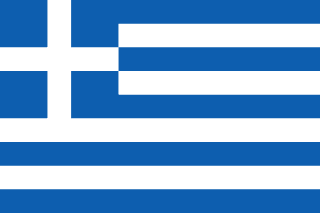
Welcome to Greece
Greece, known in Greek as Elláda or Hellas, is a country in southeastern Europe.
Its landscape includes mountains, valleys, historic cities and thousands of islands and islets.
From Athens and Thessaloniki to Crete, Rhodes, Corfu and many rural communities, Greece offers different ways of life.
The country is known for its ancient civilizations, philosophy, democracy, architecture, music, food and family traditions.
But Greece is much more than its ancient monuments and beautiful beaches.
It is the story of ordinary people.
Parents raising children. Teachers sharing knowledge. Farmers growing food. Fishers working at sea. Healthcare workers caring for patients.
And people facing poverty, loneliness, illness, displacement or uncertain futures.
"To understand Greece, we must discover the humanity behind its flag."
🏡 A Day in the Life of Greece
Imagine an ordinary morning somewhere in Greece.
In Athens, people travel by bus, metro or car to their workplaces.
In Thessaloniki, a university student prepares for another day of classes.
On Crete, a farmer tends olive trees and vineyards.
On a small island, a fishing boat returns to harbour.
In a mountain village, a grandparent enjoys coffee with a neighbour.
A nurse begins a hospital shift. A teacher welcomes students to school. A parent prepares lunch for the family.
Some households have stable employment and comfortable homes.
Others struggle with high expenses, housing difficulties, illness or financial insecurity.
📜 Greece's Ancient History and Legacy
The lands of modern Greece have been home to civilizations for thousands of years.
Ancient Minoan and Mycenaean societies developed important cultural, commercial and artistic traditions.
Later, Greek city-states such as Athens, Sparta and Corinth shaped the history of the Mediterranean.
Philosophy and Democracy
Ancient Greek thinkers, including Socrates, Plato and Aristotle, influenced philosophy, ethics, science and political thought.
Athens developed an early form of direct democracy during the fifth century BCE.
However, that system excluded women, enslaved people and many non-citizens from political participation.
Modern democracy has developed far beyond these ancient limitations.
Art, Medicine and Literature
Ancient Greek achievements influenced theatre, mathematics, architecture, medicine, historical writing and the Olympic Games.
Greek civilization was itself shaped by connections and exchanges with other peoples of the Mediterranean and beyond.
Its history reminds us that knowledge grows when people question, learn and exchange ideas.
"Wisdom is not simply knowing the answers. It is having the courage to ask important questions."
🏛️ From Byzantium to Modern Greece
Greek-speaking communities played a major role in the Eastern Roman, or Byzantine, Empire.
Christianity, art, scholarship and architecture were important aspects of Byzantine society.
Much of the Greek-speaking world later came under Ottoman rule.
The Greek War of Independence began in 1821.
The struggle involved military conflict, civilian suffering and international intervention.
Greece gained international recognition as an independent state in 1830.
The modern country continued to develop through political changes, regional conflicts and population movements.
Population Exchange and Displacement
Following the Greco-Turkish War of 1919-1922, large numbers of people were displaced from their homes.
The compulsory population exchange between Greece and Türkiye under the 1923 Lausanne Convention brought lasting trauma to many families.
Remembering these experiences means recognizing the human cost of conflict and forced migration.
🕊️ War, Resistance and the Return of Democracy
Greece experienced enormous suffering during the Second World War.
Ohi Day — October 28
On October 28, 1940, Greece rejected an ultimatum from Fascist Italy.
Italy invaded Greece that day.
Greek forces resisted the invasion, and the date became commemorated as Ohi Day, meaning No Day.
Today, October 28 is an important national remembrance occasion.
Occupation and Resistance
In 1941, German forces invaded Greece, followed by occupation under Axis powers.
The occupation brought famine, repression, massacres and great civilian suffering.
Greek Jewish communities, especially in Thessaloniki, were devastated during the Holocaust.
Resistance movements fought against the occupation.
Civil War and Dictatorship
After the war, Greece experienced a devastating civil war from 1946 to 1949.
The conflict left deep political divisions, loss and family trauma.
From 1967 to 1974, Greece was ruled by a military dictatorship.
Political freedoms were restricted, and many opponents experienced repression.
Democracy was restored in 1974, beginning the period known as the Metapolitefsi.
"Freedom must be protected, because generations before us have suffered for its promise."
❤️ Family, Friendship and Community
Family and friendship are important parts of life for many Greeks.
Relatives may gather for shared meals, celebrations and religious or cultural holidays.
Grandparents often help pass along family histories and traditions.
Greek families come in many forms, including single-parent households, couples, extended families and people living alone.
Community life can involve neighbourhoods, sports clubs, schools, churches, cultural groups and charities.
The Greek diaspora maintains strong connections around the world, including in Canada.
But not everyone has close family or a supportive community.
Some people experience loneliness, grief, separation or financial stress.
"A strong family or community is one where people know they matter."
🎵 Greek Culture and Traditions
🎶 Music and Dance
Greek musical traditions include rebetiko, folk music, contemporary styles and regional dance traditions.
🫒 Food
Greek cuisine includes olive oil, vegetables, seafood, feta, souvlaki, moussaka, legumes and many regional specialties.
🎭 Theatre
Ancient Greek tragedy and comedy influenced theatre around the world. Modern Greek theatre and film continue this creative tradition.
🏺 Arts
Pottery, sculpture, mosaics, architecture and painting reflect many periods of Greek cultural history.
🎉 Celebrations
Orthodox Easter, national holidays, regional festivals and family gatherings are important to many communities.
🏅 Sports
Football, basketball, swimming, athletics and many other sports connect people of different generations.
🎓 Children and Education
Children throughout Greece attend school, develop friendships and discover their talents.
Public education provides instruction in languages, science, mathematics, history, arts and other subjects.
Greece has universities and technical institutions with long traditions of scholarship.
Some children have stable homes and extensive opportunities.
Others face poverty, disability, housing insecurity, discrimination or family hardship.
Children from migrant and refugee families may require additional language and educational support.
Every child deserves a safe environment, friendship, encouragement and opportunity.
"Every child deserves to be known for their potential, not defined by their hardship."
🕊️ Faith, Spirituality and Beliefs
Eastern Orthodox Christianity has played a significant role in Greek history and cultural life.
Monasteries, churches, religious art and celebrations remain meaningful to many people.
Greece is also home to Muslim, Catholic, Protestant, Jewish and other communities.
Many residents hold secular or non-religious views.
The Jewish communities of Greece have histories extending back many centuries.
Their experiences, including devastation during the Holocaust, form an important part of Greek historical memory.
Freedom of religion and conscience is essential to respecting human dignity.
"We may understand life through different beliefs, yet still share the need for love, compassion and belonging."
🌿 Islands, Mountains and Our Shared Earth
Greece is known for its islands, mountains, coastlines, forests and Mediterranean landscapes.
Many communities depend on fishing, agriculture, tourism and other activities connected to nature.
Olive groves, vineyards, mountain villages and coastal ecosystems are important parts of Greek life.
The country also faces environmental challenges.
Wildfires, extreme heat, drought, flooding and water shortages can affect people and livelihoods.
Firefighters, emergency workers and volunteers often serve during dangerous conditions.
Conservation, climate adaptation and responsible resource management help protect future generations.
"The beauty of nature belongs not only to us, but also to the children who follow."
🛠️ Work, Healthcare and Everyday Needs
Greeks work in healthcare, education, tourism, shipping, agriculture, construction, technology, retail and many other fields.
Shipping and maritime industries have long been important parts of the economy.
Tourism provides employment across many mainland and island communities.
Greece has public healthcare and education systems alongside private services.
However, access to care, employment and housing varies according to region and circumstance.
The economic crisis that began around 2009 led to severe hardship, unemployment and pressure on public services.
Although economic conditions have changed since that crisis, many households continue to face financial challenges.
🌧️ Challenges Facing Greece
Greece has remarkable cultural achievements and strong community traditions.
But many individuals still struggle with important social and economic problems.
Poverty and Social Exclusion
In 2025, 27.5% of people in Greece were at risk of poverty or social exclusion, according to Eurostat.
Housing and Homelessness
High housing costs, limited affordable homes and housing insecurity affect many households. People experiencing homelessness need stable housing and support.
Mental Health
Anxiety, depression, loneliness, grief and trauma affect people from different generations.
Older Adults
Some seniors face financial hardship, health challenges and difficulty accessing care or companionship.
Migration and Refugees
Greece has been a point of arrival for people seeking safety in Europe. Reception, housing, rights and integration remain significant challenges.
Environmental Disasters
Wildfires, floods, extreme heat and drought can damage homes, livelihoods and communities.
🏛️ Democracy, Equality and Human Rights
Greece is a parliamentary republic.
Its national parliament is known as the Hellenic Parliament.
The prime minister leads the government, while the president serves as head of state.
Greece restored democracy in 1974 following the collapse of military rule.
It joined the European Communities, the predecessor to the European Union, in 1981.
Greece is also a member of NATO.
Public debates include the economy, housing, migration, healthcare, education, the environment and civil rights.
Greek citizens hold many different political views.
No government or political party speaks for every individual.
Democratic life depends on accountability, freedom of expression, equal rights and respect for the law.
"The purpose of democracy is not simply to give people a vote, but to protect their dignity and rights."
🎖️ Honouring Greek Soldiers, Veterans and Civilians
Greece's military history includes centuries of conflict, resistance and sacrifice.
Remembering October 28, 1940
Ohi Day recalls Greece's decision to resist Fascist Italy's demands and the invasion that followed.
Greek soldiers fought in difficult conditions to defend their country.
Families experienced separation, fear and the loss of loved ones.
The Human Cost of War
The Second World War, occupation and subsequent civil war caused enormous suffering.
Civilians endured famine, persecution, bombing, displacement and grief.
Jewish communities were devastated during the Holocaust.
Remembering those who suffered means recognizing victims of different backgrounds.
Modern Service
Greek service personnel participate in national defence and international security activities.
Greece also contributes to various international operations and cooperative missions.
Military personnel and their families may experience danger, separation, injury or psychological trauma.
Honouring veterans means acknowledging their service and supporting their well-being.
It also means remembering the civilians affected by war and working toward peaceful solutions.
"May those who sacrificed their lives be remembered, and may the generations that follow inherit a world with less suffering and more peace."
🤝 Greek Communities Helping One Another
Throughout Greece, community organizations, charities and volunteers help people experiencing hardship.
Some provide food assistance, housing support, medical care and help for vulnerable families.
Others support seniors, people with disabilities, refugees and those experiencing mental health challenges.
Firefighters, emergency responders and volunteers assist communities during wildfires, floods and other disasters.
Acts of kindness can also be found in everyday life: a shared meal, a neighbour offering help, or someone listening to another person's story.
"Compassion is not measured by the size of an action, but by the difference it makes in another life."
🌅 Greece's Dreams for Tomorrow
Imagine a Greece where every child grows up in a safe and loving home.
Where families can afford housing, food and healthcare.
Where young people have opportunities for meaningful employment.
Where older adults receive companionship, respect and quality care.
Where people experiencing homelessness receive stable housing and meaningful support.
Where refugees, migrants and minority communities are treated with human dignity.
Where veterans and their families receive recognition and assistance.
Where historical suffering is remembered and its lessons are not forgotten.
Where beautiful islands, forests and coastlines are protected.
And where future generations can live with greater freedom, compassion and peace.
"The greatest legacy we can leave is a world where every human life matters."
🌎 Your Journey of Understanding
You have explored some of Greece's history, culture, daily life and challenges.
Now consider three questions that connect your mind, heart and spirit.
Click each question to reveal its reflection.
🧠 MENTALLY - What have you learned?
Before this journey, what came to mind when you thought about Greece?
Ancient Athens? The Parthenon? Beautiful islands? Greek mythology?
Did you also consider the Second World War, Ohi Day, the return of democracy, poverty and ordinary family struggles?
How does understanding a nation's achievements and suffering change the way we view its people?
What lesson from Greece's history can help us better understand the importance of democracy and human rights?
❤️ EMOTIONALLY - What touched your heart?
Imagine a grandparent remembering a family member lost during the Second World War.
A young adult trying to find secure employment.
A child living in a household experiencing poverty.
A refugee family arriving after a dangerous journey by sea.
A firefighter returning home after a devastating wildfire.
How would hearing their individual stories change your understanding of Greece?
What could compassion look like in action?
🕊️ SPIRITUALLY - What connects us?
Ancient Greek philosophers asked questions about justice, virtue, wisdom and the good life.
What does living a good life mean to you?
Can a person find inner peace while also working to relieve the suffering of others?
How can remembering soldiers and civilians who experienced war strengthen our commitment to peace?
What would change if every person truly believed that their life and the lives of others mattered?
What small act of kindness could you offer today?
The Greece Behind the Flag
Somewhere in Greece, a mother prepares breakfast for her children.
A teacher encourages a young student to ask questions.
A fisherman returns to a quiet harbour.
A farmer tends an olive grove.
A musician plays a melody passed down through generations.
A nurse comforts a patient.
A grandparent shares memories of earlier generations.
A volunteer helps a family in need.
A veteran remembers a fallen friend.
And somewhere, a young person dreams of a world guided by wisdom, compassion and peace.
"Ancient wisdom.
A heritage of courage.
Beautiful lands and seas.
Countless human stories.
One shared humanity."
That is the Greece behind the flag.
Return to Beginning Explore Another NationSources and Further Reading
Learn more about Greek history, democracy, society and modern challenges.
Hellenic Statistical Authority
Eurostat — Poverty and Social Exclusion, 2025
Greek Ministry of Foreign Affairs — Government and Democratic History
Hellenic Ministry of National Defence
UNESCO — Greece's World Heritage
This page offers a broad introduction to Greece and does not represent every individual's experiences, beliefs or political views.