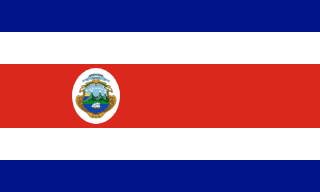
Welcome to Costa Rica
Costa Rica is a country in Central America, bordered by Nicaragua to the north, Panama to the southeast, the Caribbean Sea to the east and the Pacific Ocean to the west.
Its capital, San José, is a centre of government, education, commerce and culture.
Other important cities and communities include Alajuela, Cartago, Heredia, Liberia, Limón, Puntarenas and Pérez Zeledón.
Costa Rica is known internationally for its natural beauty, conservation, tourism, democratic traditions and decision to abolish its standing army.
But behind every national achievement are individuals.
Parents raising children. Teachers encouraging students. Farmers growing food. Nurses caring for patients. Volunteers supporting neighbours.
And people facing poverty, loneliness, illness, discrimination, homelessness or uncertainty about tomorrow.
"To understand Costa Rica, we must discover the humanity behind its flag."
🏡 A Day in the Life of Costa Rica
Imagine an ordinary morning somewhere in Costa Rica.
In San José, a commuter travels to work while children prepare for school.
In Alajuela, a shopkeeper opens a small business.
In Guanacaste, a farmer tends cattle or crops beneath the morning sun.
In the Central Valley, a family works on a coffee farm.
Along the Caribbean coast, a fisher prepares to head out on the water.
Near a national park, a guide welcomes visitors interested in discovering the natural world.
In Limón, a nurse prepares for another shift caring for patients.
Some households enjoy stable employment, secure homes and strong community relationships.
Others struggle with living costs, unemployment, housing insecurity or limited access to services.
📜 Costa Rica's History and Heritage
The territory of modern Costa Rica was home to Indigenous peoples for thousands of years before European colonization.
These communities developed their own languages, agriculture, artistic traditions, social organization and relationships with the natural environment.
Spanish Colonial Rule
Spanish colonization began during the sixteenth century, bringing major changes to Indigenous societies.
Indigenous communities experienced disease, violence, land dispossession, forced labour and political disruption.
During the colonial period, Costa Rica was part of Spain's Central American territories.
Independence
Costa Rica became independent from Spain in 1821, alongside other Central American provinces.
After a period within the Federal Republic of Central America, Costa Rica developed as an independent republic.
The growth of coffee production during the nineteenth century became important to its economy and international relationships.
The country experienced changing governments, political debates and gradual development of public institutions.
Its history also includes inequalities and the struggles of communities whose opportunities were limited by social or economic circumstances.
"Understanding history means recognizing both national achievements and the human suffering that accompanied them."
🕊️ Costa Rica - A Country Without a Standing Army
One of the most distinctive chapters of Costa Rica's modern history is its decision to abolish its standing army.
The Civil War of 1948
In 1948, Costa Rica experienced a brief but deadly civil war following political conflict over a presidential election.
Many families lost loved ones, and the fighting left difficult memories.
José Figueres Ferrer emerged as a leading figure following the conflict and headed a provisional governing junta.
The Decision of December 1, 1948
On December 1, 1948, Figueres publicly announced the abolition of the army.
The Constitution adopted in 1949 formally prohibited a permanent army under Article 12.
It provides for necessary police forces to maintain public order and permits exceptional military forces under specified circumstances, subject to civilian authority.
A Different Approach to National Security
Costa Rica continued to maintain police and security services, but not a standing military.
The decision became an important part of Costa Rica's international identity and its emphasis on civilian government, education, healthcare and social development.
However, the abolition of the army did not eliminate crime, poverty, political disagreements or all threats to public safety.
Peace requires continual efforts to protect people and strengthen the institutions on which they depend.
"The strongest protection of a nation's future is a society where people can live in safety, dignity and peace."
🏛️ Democracy, Rights and Civic Life
Costa Rica is a democratic republic with an elected president, a Legislative Assembly and an independent judiciary.
The Supreme Electoral Tribunal is a distinctive institution responsible for organizing and supervising elections.
Costa Rica has a history of regular democratic elections and political participation.
Its Constitution includes protections for fundamental rights and the organization of public institutions.
Citizens engage in elections, community organizations, public debate and peaceful demonstrations.
Political discussions include healthcare, education, economic opportunity, security, environmental protection, public finances and migration.
People hold diverse political beliefs, and no political party speaks for every Costa Rican.
Democratic institutions need accountability, transparency, participation and respect for human rights.
"Democracy becomes meaningful when ordinary people can shape their future and have their rights respected."
🌍 Indigenous and Afro-Costa Rican Heritage
Costa Rica is home to Indigenous peoples including the Bribri, Cabécar, Maleku, Boruca, Brunca, Térraba, Ngäbe and Huetar.
These communities have distinct cultural traditions, languages, histories and connections to ancestral territories.
Some Indigenous communities face challenges involving land rights, infrastructure, access to healthcare, education and protection of cultural heritage.
Afro-Costa Rican Communities
Afro-Costa Rican communities have made important contributions to the country's identity, especially along the Caribbean coast.
Limón is associated with distinctive Afro-Caribbean cultural traditions, including music, food, language and family histories.
Afro-Costa Rican people have also faced historical discrimination and unequal opportunities.
A Diverse Society
Costa Rica is home to people with a variety of family backgrounds, including migrants from Nicaragua and other countries.
Every community deserves recognition as part of the country's living humanity.
❤️ Family, Friendship and Pura Vida
Family relationships and community connections are important in many Costa Rican households.
Some families live together across several generations, while others include couples, single parents or individuals living alone.
Family meals, community events, religious holidays and celebrations provide opportunities to gather.
The Meaning of Pura Vida
The phrase "Pura Vida" is widely associated with Costa Rica and used in greetings, farewells and everyday expressions.
It can communicate appreciation, positivity, friendliness or a relaxed approach to life, depending on the situation.
But a phrase expressing happiness does not mean everyone is free from hardship.
Some people experience family separation, poverty, loneliness, domestic violence or grief.
Compassion means caring for people even when their lives do not feel like Pura Vida.
"A truly good life is not one without difficulty, but one in which people are never forgotten in their struggles."
🎵 Costa Rican Culture and Traditions
🎶 Music
Traditional marimba music, folk songs, Caribbean rhythms and contemporary musical styles reflect Costa Rica's cultural diversity.
🍚 Food
Gallo pinto, casado, olla de carne, tamales, plantains and regional Caribbean dishes are part of Costa Rican cuisine.
☕ Coffee
Coffee farming has played an important role in Costa Rica's economy, history and rural communities.
🎨 Arts and Crafts
Painted ox carts, ceramics, woodcraft, traditional masks and many artistic expressions reflect the country's heritage.
⚽ Sports
Football, surfing, cycling, running and other sports bring communities together across generations.
🎉 Celebrations
Independence Day on September 15, local festivals, religious holidays and cultural celebrations help connect families and communities.
🎓 Children, Education and Opportunity
Education has long been an important part of Costa Rica's national development.
Children attend schools in cities, towns, mountain communities and coastal regions.
The country's public education system and universities have contributed to literacy, professional training and scientific research.
Many young people enjoy sports, music, art, environmental education and other activities.
However, not every child has the same opportunities.
Some face poverty, bullying, family instability, disability-related barriers or difficulties obtaining digital access and educational support.
Children in remote communities may face transportation challenges or limited resources.
Every child deserves food, safety, learning, friendship and encouragement.
"Investing in children means investing in the dignity and future of humanity."
🕊️ Faith, Spirituality and Beliefs
Roman Catholic Christianity has played a significant role in Costa Rica's history and culture.
Protestant and Evangelical communities are also important parts of the country's religious life.
Costa Rica is home to other religious communities and people who identify as non-religious.
Indigenous communities maintain spiritual traditions associated with their histories and territories.
People may seek meaning through faith, nature, family relationships, personal values and helping others.
Respect for religious conscience and freedom of belief helps protect human dignity.
"We may understand spirituality differently, but compassion and respect can connect us all."
🌿 Rainforests, Volcanoes and Extraordinary Wildlife
Costa Rica is internationally known for its biological diversity and conservation efforts.
Rainforests and Cloud Forests
Tropical forests and cloud forests support remarkable plants, birds, insects and mammals.
Monteverde is celebrated for its misty cloud forest environment and conservation history.
Volcanoes
Costa Rica has several volcanoes, including Arenal, Poás and Irazú.
These volcanic landscapes have shaped ecosystems, agriculture and communities.
Wildlife
Sloths, monkeys, toucans, hummingbirds, frogs, sea turtles and many other species live in Costa Rica.
Two Coastlines
The country has both Pacific and Caribbean coasts, with beaches, mangroves, coral habitats and coastal communities.
National Parks
National parks and protected areas help preserve important habitats and support ecological tourism.
Popular protected areas include Manuel Antonio, Tortuguero and Corcovado.
Environmental Challenges
Despite its conservation achievements, Costa Rica faces pressures from land use, pollution, flooding, landslides, climate change and threats to wildlife habitats.
Protecting nature must also consider the needs and livelihoods of local communities.
"When we protect the natural world, we protect the home that future generations will inherit."
🛠️ Work, Healthcare and Everyday Needs
Costa Ricans work in education, tourism, healthcare, agriculture, technology, manufacturing, construction, commerce and public services.
The country's economy has developed industries including medical devices, professional services and technology-related activities.
Farmers grow coffee, bananas, pineapples and many other crops.
Tourism supports numerous workers, guides, hotels, restaurants and family businesses.
Costa Rica's social security system, known as the Caja Costarricense de Seguro Social, plays a central role in healthcare and social protection.
However, access to specialists and services may vary, and some people face waiting times or financial pressures.
Informal employment, regional inequalities and limited income can make everyday life difficult for some households.
Every person deserves access to meaningful work, safe housing, healthcare and the basic necessities of life.
🌧️ Challenges Facing Costa Rica
Costa Rica has strong social and environmental achievements, yet many people continue to experience hardship.
Poverty
According to the 2025 National Household Survey, 15.2% of households were living in income poverty, including 3.8% in extreme poverty.
Housing and Homelessness
Some households struggle with housing costs, overcrowding, insecure living conditions or homelessness.
Mental Health
Depression, anxiety, loneliness, grief and trauma affect people from many different generations and communities.
Crime and Public Safety
Violence linked to organized crime and drug trafficking has created serious safety concerns in some communities.
Regional Inequality
Rural and coastal communities may face additional barriers to employment, transportation, housing or healthcare.
Environmental Disasters
Floods, landslides, earthquakes and other hazards can threaten homes, livelihoods and essential infrastructure.
🎖️ Honouring Those Who Served and Those Who Suffered
Costa Rica offers an unusual perspective for a website dedicated to honouring soldiers, because the country no longer maintains a standing army.
Remembering Earlier Generations
Costa Rica's history includes soldiers, militias and civilians involved in nineteenth-century conflicts and the civil war of 1948.
During the Central American campaign of 1856-1857, Costa Rican forces fought against the forces of William Walker, who sought to expand his control in the region.
People lost their lives through fighting, disease and the hardships of war.
The Civil War of 1948
The 1948 conflict also brought casualties and grief to Costa Rican families.
Remembering these experiences helps explain why the decision to abolish the army became so meaningful.
Honouring Civilian Service
Today, police officers, firefighters, emergency responders, coast guard personnel and humanitarian workers protect and assist Costa Rican communities.
Some face danger, injury, loss and psychological stress in their service.
The Meaning of Remembrance
Honouring soldiers everywhere does not require every country to maintain a military.
It can mean remembering the human cost of past wars while respecting different national approaches to safety and defence.
We can honour military service, recognize civilian suffering and celebrate efforts that seek to reduce violence.
"The greatest tribute to those who died in war may be a world where fewer people are called upon to fight."
🤝 Costa Ricans Helping One Another
Throughout Costa Rica, volunteers, charities and community groups provide assistance to people experiencing hardship.
Some support families needing food, shelter, education or healthcare.
Others assist older adults, people with disabilities, migrants, refugees and individuals experiencing homelessness.
Volunteer organizations, rescue teams and emergency services help communities after natural disasters.
Teachers, healthcare workers and neighbours also perform countless quiet acts of kindness every day.
These contributions demonstrate that the meaning of Pura Vida can include caring for those whose lives are difficult.
"Peace begins to grow when one person helps another feel safe, respected and valued."
🌅 Costa Rica's Dreams for Tomorrow
Imagine a Costa Rica where every child grows up in a safe and loving home.
Where families can afford food, healthcare and secure housing.
Where young people have meaningful opportunities to learn, work and create.
Where people experiencing homelessness receive stable housing and practical support.
Where older adults receive dignity, companionship and appropriate care.
Where mental health challenges are met with compassion and accessible services.
Where Indigenous peoples and Afro-Costa Rican communities enjoy equal rights and respect for their traditions.
Where crime and violence are reduced through effective justice, prevention and community support.
Where wildlife, forests, rivers and oceans are protected for future generations.
Where Costa Rica's commitment to civilian democracy and peaceful cooperation remains strong.
And where every person has an opportunity to live with security, belonging, dignity and hope.
"A country's greatest achievement is not simply avoiding war, but helping every human life flourish in peace."
🌎 Your Journey of Understanding
You have explored Costa Rica's history, culture, daily life, commitment to peace, beautiful landscapes and human challenges.
Now consider three reflections connecting your mind, heart and spirit. Click each question to reveal its reflection.
🧠 MENTALLY - What have you learned?
Before this journey, what came to mind when you thought of Costa Rica?
Rainforests? Sloths? Beaches? Pura Vida?
Did you also know about the 1948 civil war, the decision to abolish the army, Indigenous heritage, social programmes and people facing poverty?
What does Costa Rica's experience teach us about different ways of approaching national security?
Can a country be known for peace and still face serious challenges in everyday life?
What assumption might you now reconsider?
❤️ EMOTIONALLY - What touched your heart?
Imagine a Costa Rican grandmother whose family remembers someone lost during the 1948 civil war.
A parent struggling to provide food and a secure home for their children.
An Indigenous family working to preserve its language and ancestral traditions.
A child whose house has been damaged by severe flooding.
An emergency responder risking personal safety to help neighbours.
How would hearing their personal stories change your understanding of Costa Rica?
What could compassion look like in action?
🕊️ SPIRITUALLY - What connects us?
Costa Rica made a historic decision not to maintain a standing army.
What can this teach us about the possibility of choosing different approaches to peace?
Can we honour soldiers who served in wars while also celebrating efforts to prevent future conflicts?
Does peace mean only living without war, or does it also require freedom from hunger, fear, homelessness and discrimination?
What does inner peace have to do with the peace we create in families and communities?
Can compassion toward a single person contribute to a more peaceful world?
What small act of kindness could you offer today to help someone feel that they matter?
The Costa Rica Behind the Flag
Somewhere in Costa Rica, a mother prepares breakfast for her children.
A teacher encourages a student to follow a dream.
A farmer tends coffee plants on a green hillside.
A wildlife guide helps visitors appreciate the natural world.
A grandparent shares memories of the country's history.
A nurse comforts a patient.
A firefighter helps protect a community.
A volunteer brings food to a family in need.
A child watches a sloth resting in the rainforest canopy.
And somewhere, a young person dreams of a world where nations settle differences without war.
"A land of extraordinary nature.
A commitment to peace.
Families with hopes and challenges.
Countless human stories.
One shared humanity."
That is the Costa Rica behind the flag.
Return to Beginning Explore Another NationSources and Further Reading
Explore Costa Rica's history, public institutions, commitment to peace, society and natural heritage.
UNESCO - Abolition of the Army in Costa Rica
Political Constitution of Costa Rica - Article 12
INEC - National Household Survey 2025 Poverty Results
Supreme Electoral Tribunal - Costa Rica
National System of Conservation Areas - Costa Rica
UNESCO - Costa Rica World Heritage
This page provides a broad human-centred introduction and does not represent every Costa Rican person's experiences, beliefs or political views.